Chose Akamai Cloud Computing
DigitalOcean

| Product | Rating | Most Used By | Product Summary | Starting Price |
|---|---|---|---|---|
 Akamai Cloud Computing | N/A | Akamai Cloud Computing (formerly Linode) include scalable and accessible Linux cloud solutions and services. These products and services support developers and enterprises as they build, deploy, secure, and scale applications. | N/A | |
 Amazon S3 | N/A | Amazon S3 is a cloud-based object storage service from Amazon Web Services. It's key features are storage management and monitoring, access management and security, data querying, and data transfer. | N/A |
| Akamai Cloud Computing | Amazon S3 (Simple Storage Service) | |||||||||||||||
|---|---|---|---|---|---|---|---|---|---|---|---|---|---|---|---|---|
| Editions & Modules | No answers on this topic | No answers on this topic | ||||||||||||||
| Offerings |
| |||||||||||||||
| Entry-level Setup Fee | Optional | No setup fee | ||||||||||||||
| Additional Details | CPU, transfer, storage, and RAM are bundled into one price. Storage capacity can be increased with additional Block Storage or S3-compatible Object Storage. Instant Backups can be added with complete independence to the stack. Linode NodeBalancers ensure applications are available. | — | ||||||||||||||
| More Pricing Information | ||||||||||||||||
| Akamai Cloud Computing | Amazon S3 (Simple Storage Service) | |
|---|---|---|
| Considered Both Products | Akamai Cloud Computing Chose Akamai Cloud Computing Better efficiency, better cost savings, improved Return on Investments. Overall the Akamai Connected Cloud (Linode) cloud solutions are a step above the competition in regards to all categories. We prefer it for several reasons but the one that stands out is the cost and …  Osama Khan Support Specialist Chose Akamai Cloud Computing Azure VM Image Builder  Erik Rothoff Andersson Founder Chose Akamai Cloud Computing It is more user-friendly than the big three cloud providers like AWS and GCP. The interface blows them out of the water; pricing is so much more competitive—no egregious bandwidth fees like AWS. As a small startup, cutting out the overhead of ultra-complex UI and pricing …  Panagiotis Karaberis CTO (Chief Technical Officer) Chose Akamai Cloud Computing Compared to AWS EC2, Linode has an easier creation of services and lots of options to pre-select and get a ready VM installed in minutes.  Giuseppe Nucifora Senior Software Engineer Manager Chose Akamai Cloud Computing the relevant point that made me choose linode is the pricing strategy.  Eric Mintz CEO Chose Akamai Cloud Computing We've used larger solutions, including AWS, Azure, Google Cloud, and Oracle Cloud. In each case, the pricing was confusing and, with all of the add-ons needed for even a simple infrastructure, ended up being several times the cost of a similar Linode solution. On the flip side, …  👨🏼💻 Roy Verrips Director Chose Akamai Cloud Computing Linode's offering is almost identical to DigitalOcean's, but I find Linode's customer service better AWS, Azure and Google Cloud provide all services Linode does, but provides a much large set of other features and customizations.  Sheryl Villaroman President Chose Akamai Cloud Computing AWS Instance, AWS S3 Bucket, and other AWS Services. Linode is more cost-efficient, easier to deploy servers.  Arthur Furlan CEO & Co-founder Chose Akamai Cloud Computing Linode delivers higher performance cloud servers, within an easier web interface, simpler API, and better cost-benefit. Amazon has a complex interface that many times make the customers spend much more time in order to finish simple tasks and use "AWS-terms" so even if you need …  Roseli Bianca DevOps Engineer Chose Akamai Cloud Computing Linode offers the most applicable services to the users through Cloud deployment and easy data management capabilities, and even easy project cost management. The features adaptation is easy and quality services from the migration of data and demand monitoring and the project …  James Freeman Head of Consultancy Chose Akamai Cloud Computing I've had performance issues with other providers, and when running workloads where CPU performance is vitally important, my experience with Linode has been excellent. The cloud landscape is crowded, and I think it's important to know why one vendor might stand out amongst …  Harry Finn Lead Developer Chose Akamai Cloud Computing DigitalOcean, Heroku Platform, Vultr Object Storage and Redis | Amazon S3  Rafael Grandizoli Gerente de Operações Chose Amazon S3 Due to the best integration between other AWS services my company already used, S3 was the logic choice.  Nir Levy VP R&D DevOps and Products Chose Amazon S3 We opted for Amazon S3 (Simple Storage Service) solution as most of our workloads run on AWS and this saves as bandwidth costs. Otherwise the solutions are similar in capabilities for our needs.  Michael Weisel Chief Technology Officer Chose Amazon S3 Amazon S3 has so much other functionality than it's competitors with so many more use cases. We use One Drive, Drop Box, Teams, Google Drive and other products for basic file sharing while working with partners and clients but that's kind of the extent of those products. S3 …  Pankaj Choudhary Freelancer Android Developer Chose Amazon S3 When we were implementation the solution of our issue then we find Azure and Google Cloud Storage platforms but we were unable to find the proper documentation for the platform as compared to S3, So we moved to S3 and discarded the other options. Cost wise there are only some …  Joshua Dickson Head of Engineering Chose Amazon S3 We had already decided to use Amazon S3 (Simple Storage Service) for other compute services, so it made sense to use Amazon for blob storage as well. By using the same cloud vendor, we can more easily integrate between AWS services like Cloudfront. Blob storage is essentially a …  Grant Shellborn Chief Technology Officer Chose Amazon S3 Microsoft Azure Active Directory  James Hilton Director Of Engineering Chose Amazon S3 The main differences are that S3 files can be accessed publicly without having an account on the service so it is suitable for website assets, but the other services have desktop hard drive syncing applications so they are more suitable for sharing files to other staff in the …  Ramindu Deshapriya Lead Consultant - Technology Chose Amazon S3 Google Cloud Storage provides many of the same features as Amazon S3 (Simple Storage Service), but they differ quite a bit in the database integrations they provide. The main reason we had to use Amazon S3 (Simple Storage Service) is because our main infrastructure cloud …  Mark Nowowiejski Sr. Instructional Designer Chose Amazon S3 AWS probably has the most difficult UI to learn but it's the far better service. Google is probably second but it has storage limitations and there are some security concerns (still a good tool for collaboration) The Microsoft products are the worst IMO. They're slow and have the … |
| Akamai Cloud Computing | Amazon S3 (Simple Storage Service) | |||||||||||||||||||||||||||||||||||||||||||||
|---|---|---|---|---|---|---|---|---|---|---|---|---|---|---|---|---|---|---|---|---|---|---|---|---|---|---|---|---|---|---|---|---|---|---|---|---|---|---|---|---|---|---|---|---|---|---|
| Data Center Backup |
| |||||||||||||||||||||||||||||||||||||||||||||
| Enterprise Backup |
|
| Akamai Cloud Computing | Amazon S3 (Simple Storage Service) | |
|---|---|---|
| Small Businesses |  DigitalOcean Droplets Score 8.7 out of 10 |  Cove Data Protection Score 9.9 out of 10 |
| Medium-sized Companies |  SAP on IBM Cloud Score 9.5 out of 10 |  Bacula Enterprise Score 9.2 out of 10 |
| Enterprises | SAP on IBM Cloud Score 9.5 out of 10 | Bacula Enterprise Score 9.2 out of 10 |
| All Alternatives | View all alternatives | View all alternatives |
| Akamai Cloud Computing | Amazon S3 (Simple Storage Service) | |
|---|---|---|
| Likelihood to Recommend | 9.0 (0 ratings) | 9.2 (0 ratings) |
| Likelihood to Renew | 9.3 (0 ratings) | 10.0 (0 ratings) |
| Usability | 9.4 (0 ratings) | 7.6 (0 ratings) |
| Availability | 9.1 (0 ratings) | - (0 ratings) |
| Performance | 8.2 (0 ratings) | - (0 ratings) |
| Support Rating | 9.2 (0 ratings) | 9.8 (0 ratings) |
| Online Training | 8.2 (0 ratings) | - (0 ratings) |
| Implementation Rating | 9.1 (0 ratings) | - (0 ratings) |
| Configurability | 9.1 (0 ratings) | - (0 ratings) |
| Ease of integration | 9.1 (0 ratings) | - (0 ratings) |
| Product Scalability | 9.1 (0 ratings) | - (0 ratings) |
| Vendor post-sale | 9.1 (0 ratings) | - (0 ratings) |
| Vendor pre-sale | 9.1 (0 ratings) | - (0 ratings) |
| Akamai Cloud Computing | Amazon S3 (Simple Storage Service) | |
|---|---|---|
| Likelihood to Recommend |
|
 Sam Othman IT Systems & Telephony Administrator |
| Pros |
|
|
| Cons |
 P Thomas Mr Many Hats |
 Apurv Doshi Senior Solutions Architect |
| Likelihood to Renew |
|
Rafael Grandizoli Gerente de Operações |
| Usability |
 David Chmelik scientist |
|
| Reliability and Availability |
| No answers on this topic |
| Performance |
Erik Rothoff Andersson Founder | No answers on this topic |
| Support Rating |
Osama Khan Support Specialist |
 Adam Lauer Senior Software Engineer |
| Online Training |
| No answers on this topic |
| Implementation Rating |
| No answers on this topic |
| Alternatives Considered |
Erik Rothoff Andersson Founder |
|
| Scalability |
| No answers on this topic |
| Return on Investment |
|
Joshua Dickson Head of Engineering |
| ScreenShots | Akamai Cloud Computing Screenshots   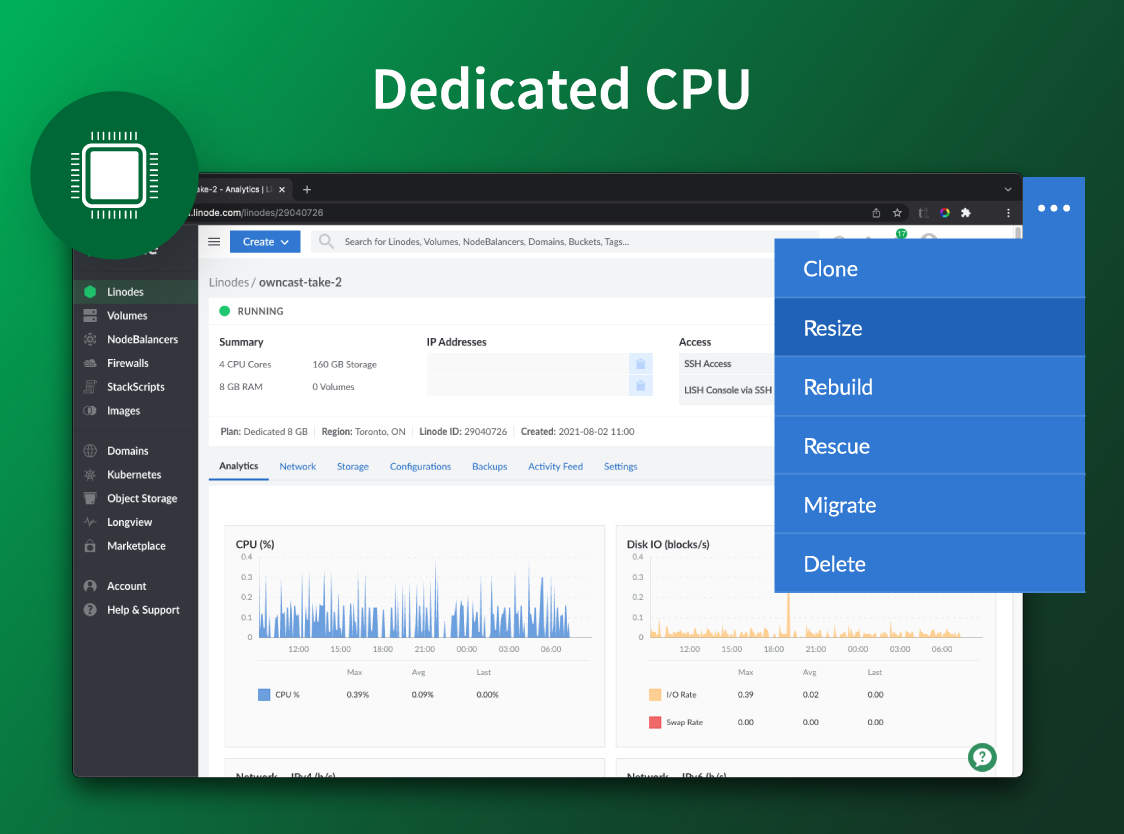 |
