Chose AppSheet
In the hands of anyone who has formally learnt programming and database SQL querying, AppSheet is a golden compass that takes you anywhere you want to go.

| Product | Rating | Most Used By | Product Summary | Starting Price |
|---|---|---|---|---|
 AppSheet | N/A | Acquired by Google in Spring 2020, AppSheet is an intelligent, no-code app platform for everyone. Users can create apps to transform the workplace. Common use cases include field service, transportation, customer surveys, incident reports, field data capture, compliance reports, delivery tracking, and property surveys. Used by the Fortune 500 & Industry Leaders Customers include Clearlink, Enterprise Holdings, ESPN, Pepsi, the University of Michigan, and the State of… | $5 per user/per month | |
 Bonita Platform | N/A | Bonita is an open-source business process and workflow management platform created by the French National Institute for Research in Computer Science. It is available as a free community edition or as a commercial subscription product. | N/A |
| AppSheet | Bonita Platform | |||||||||||||||
|---|---|---|---|---|---|---|---|---|---|---|---|---|---|---|---|---|
| Editions & Modules |
| No answers on this topic | ||||||||||||||
| Offerings |
| |||||||||||||||
| Entry-level Setup Fee | No setup fee | No setup fee | ||||||||||||||
| Additional Details | Personal apps and prototype are always free to build. Don't pay until you're ready to deploy. What can I do for free? Use the complete set of AppSheet features for free while building one or many app prototypes (for as long as you like). Invite up to 10 users for free to use your apps & share feedback. How do Business Subscription pricing work? Business Subscriptions enable a suite of performance & management features for organizations with cross-departmental app creators, and pricing is based on each unique requirements. Connect with the AppSheet team at solutions.appsheet.com/contact to learn more. | — | ||||||||||||||
| More Pricing Information | ||||||||||||||||
| AppSheet | Bonita Platform | |
|---|---|---|
| Considered Both Products |  AppSheet  Peterson Reis Sales assistant Chose AppSheet Bubble.io  Mohammad-Hassan Jahanbakhshi Fleet specialist Chose AppSheet In my opinion, AirTable does a lot more.  Kushal Malvania Energy and Sustainability Analyst Chose AppSheet Google Forms  Miguel Ángel Engracia Zambrano Maintenance Supervisor Chose AppSheet The ease that AppSheet provides to the developer is limitless. Before starting with AppSheet I used other software, but they didn't give me the tools at my fingertips.
When I learned about AppSheet and everything it could do, I understood that it was what I was looking for, the …  Khangwelo Muronga Research Group Leader, Transport Infrastructure Management Chose AppSheet The good working relationship/merger between AppSheet and Google is what made everything better than the others. I don't have to be changing and/or migrating from too many things. The addition of allowing googles forms to just upgrade and become an app is perfect.  Shmayah Legomsky Information System Engineer Chose AppSheet Appsheets are used for small applications that should be built quickly and deployed, Outsystems is used for more sophisticated applications that require more functionalities and better-personalized UI.  Sheral Ulm (Fancher) Power Platform Developer Chose AppSheet AppSheet is much easier than some other services offered. It's low-code/no-code.  Pedro Ribeiro Web and Graphic Designer Chose AppSheet Engagement and support  Bryan Oh Senior SAP Consultant and project manager Chose AppSheet AppSheet is good for who know IT, in terms of various development tools and functions against Openasapp AppSheet provides more screen UX options and instant default setting once source is assigned than Airtable which more focus on database itself without deployment  Sophie Sweatman App developer - start up entrepreneur Chose AppSheet Adobe XD  David Dutton Owner Chose AppSheet Trucker's Office Pro is designed for the trucking industry all around, however, all trucking companies are not equal. They'll do different jobs, require different permits, etc. With AppSheet I keep the information pertaining to my trucking company and not everyone else's.  Daniel Morris ITSE Manager Chose AppSheet Fastfield is great for forms but doesn't provide a holistic view of all of the data. Like iAuditor it is just for inspections really rather than being a data platform.  Octavian Janner IT Consultant Chose AppSheet I have used various but can't remember them, including Google and Microsoft products. Still using those but nothing in production yet.  Mario Estrella-Carvajal US & Border Crossing Ops GM Chose AppSheet
 Kittipak Pakjamsai Intern Chose AppSheet AppSheet's free version is much much better. Since I have low level experience on paid version, I cannot confirm which app is better for the paid version. |  Bonita Platform  Edison Jovanny Lider BPM Chose Bonita Platform for its flexibility, which is greater, and support for open source  Antoine Chami Responsable du Developpement Chose Bonita Platform Far better design and more intuitive than other solutions. BDM is a great tool for non IT users and help[s] them understand how structured data will improve the work. Community Edition allows us to already manipulate the software and appreciate the power of the tool. I enjoyed …  Armando Miguel Brito Criado Lider BPM Chose Bonita Platform Bizagi and Bonitasoft have many similarities, an excellent process engine and integrated Data Model, unlike Kofax TotalAgility. But Bizagi beats it in the form designer.  Pranshu Sharma BSS Application Sr Specialist Chose Bonita Platform Bonita is lightweight. It is easy to configure as against SOA which requires heavy lifting and complex code/configuration management.  Maciej Michalak Software developer Chose Bonita Platform I found Bonita BPM a more friendly environment, especially when it comes to front-end development. It is also better suited for a gradual introduction to an organization - PoC with Community edition, later upgrade to one of the subscription editions as needed. Tibco's product …  John Wadie Solutions Architect Chose Bonita Platform Implementing Bonita was more cost effective than the other options.  richard gay IT applications manager Chose Bonita Platform
 Clive Rethman Authorised Partner Chose Bonita Platform Bonitasoft is easier to implement and support.  David Edson Principal Consultant - Solution Architect Chose Bonita Platform The extensibility or ability to add functions or modify existing capabilities is much easier and better supported in Bonita. The ability to integrate the Bonita system into customer solutions is much easier and allows for tightener coupling to the existing customer portals. The … |
| AppSheet | Bonita Platform | |||||||||||||||||||||||||||
|---|---|---|---|---|---|---|---|---|---|---|---|---|---|---|---|---|---|---|---|---|---|---|---|---|---|---|---|---|
| Low-Code Development |
| |||||||||||||||||||||||||||
| Reporting & Analytics |
| |||||||||||||||||||||||||||
| Process Engine |
| |||||||||||||||||||||||||||
| Collaboration |
| |||||||||||||||||||||||||||
| Content Management Capabilties |
|
| AppSheet | Bonita Platform | |
|---|---|---|
| Small Businesses |  Creatio Score 9.7 out of 10 |  Square 9 Softworks Score 9.1 out of 10 |
| Medium-sized Companies |  Quixy Score 9.9 out of 10 | Square 9 Softworks Score 9.1 out of 10 |
| Enterprises | Creatio Score 9.7 out of 10 |  CMW Platform Score 8.9 out of 10 |
| All Alternatives | View all alternatives | View all alternatives |
| AppSheet | Bonita Platform | |
|---|---|---|
| Likelihood to Recommend | 9.0 (0 ratings) | 8.2 (0 ratings) |
| Likelihood to Renew | 9.1 (0 ratings) | 6.4 (0 ratings) |
| Usability | 8.7 (0 ratings) | 7.7 (0 ratings) |
| Performance | - (0 ratings) | 8.0 (0 ratings) |
| Support Rating | 6.4 (0 ratings) | 4.6 (0 ratings) |
| Implementation Rating | 9.1 (0 ratings) | 4.5 (0 ratings) |
| Ease of integration | - (0 ratings) | 7.3 (0 ratings) |
| Product Scalability | - (0 ratings) | 7.5 (0 ratings) |
| AppSheet | Bonita Platform | |
|---|---|---|
| Likelihood to Recommend |
Miguel Ángel Engracia Zambrano Maintenance Supervisor |
|
| Pros |
 David Hopkins Quality Assurance Analyst |
 William Wolf Architect |
| Cons |
 Jethro Buttner CEO (Chief Executive Officer) |
Maciej Michalak Software developer |
| Likelihood to Renew |
|
|
| Usability |
 Ivan Rularte Consultant |
|
| Performance | No answers on this topic |
Maciej Michalak Software developer |
| Support Rating |
David Dutton Owner |
|
| Implementation Rating |
|
|
| Alternatives Considered |
 Gaston Barcia Advisor |
|
| Scalability | No answers on this topic |
richard gay IT applications manager |
| Return on Investment |
 Ivan Marquez Consultor. |
|
| ScreenShots | AppSheet Screenshots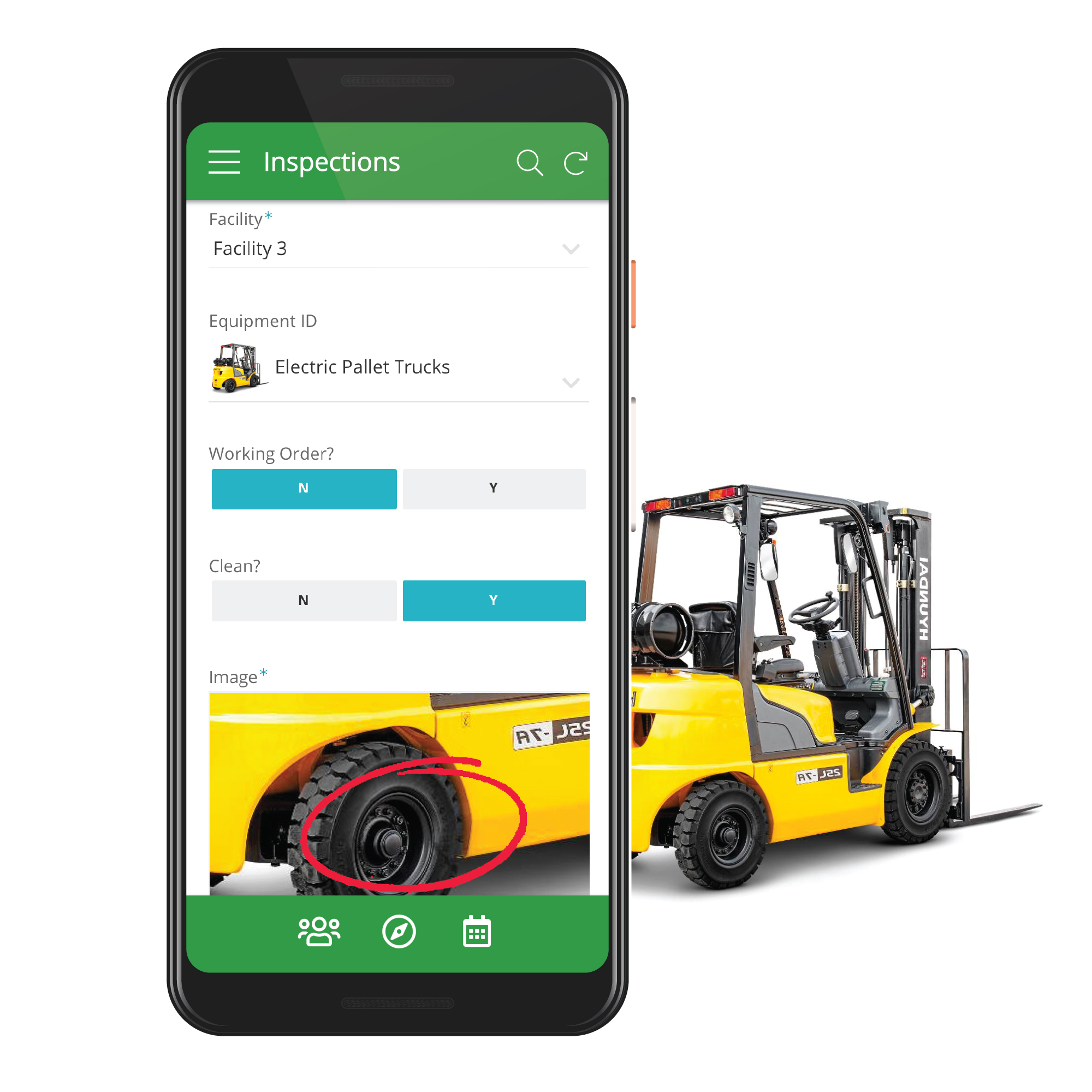 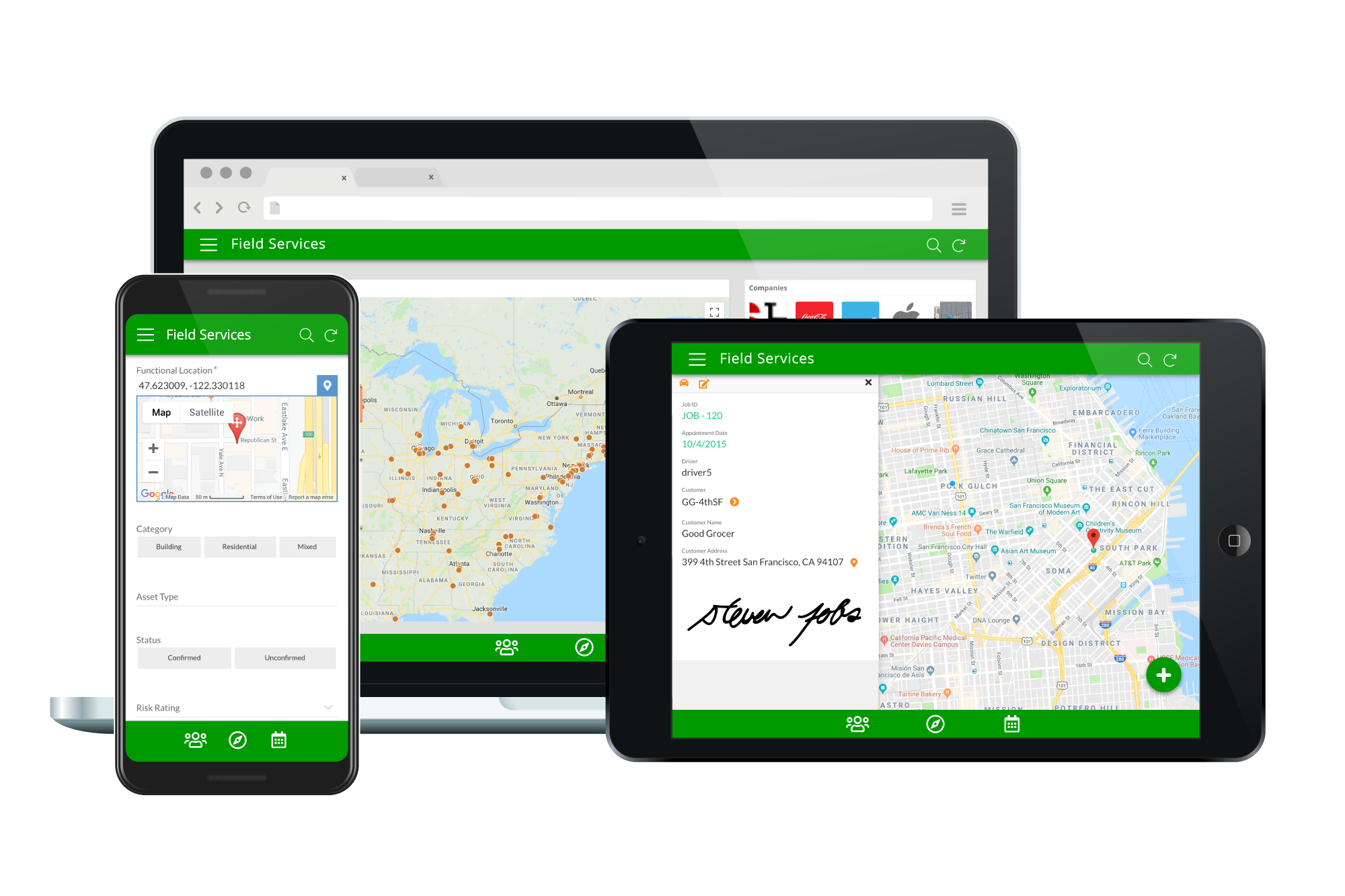   | Bonita Platform Screenshots   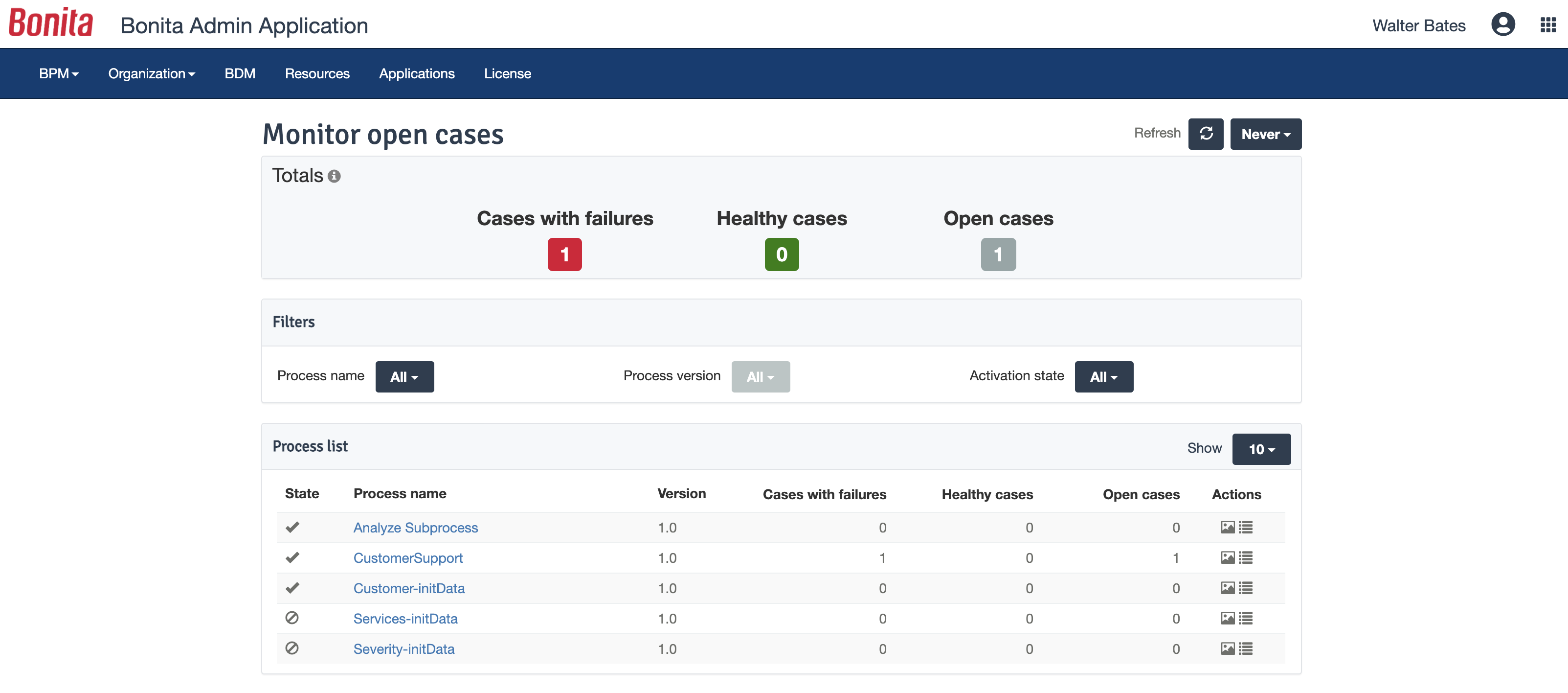  |