
Matt Seilback
Director of Film
Chose Zenkit

| Product | Rating | Most Used By | Product Summary | Starting Price |
|---|---|---|---|---|
 Asana | N/A | Asana is a web and mobile project management app. With tasks, projects, conversations, and dashboards, Asana lets an entire team know who's doing what by when, enabling workload balancing. Users can also add integrations for GANTT charts, time tracking and more. | $13.49 per month per user | |
 Zenkit | N/A | Zenkit is a collaborative SaaS platform for project management, database building and more. This solution enables users to follow their data through its entire lifecycle. Zenkit allows users to manage their data in any way they need to – build their own CRM, reporting system, or financial planner. Users can share their data and assign tasks to colleagues. | $9 per user |
| Asana | Zenkit | |||||||||||||||
|---|---|---|---|---|---|---|---|---|---|---|---|---|---|---|---|---|
| Editions & Modules |
|
| ||||||||||||||
| Offerings |
| |||||||||||||||
| Entry-level Setup Fee | Optional | $9 per user | ||||||||||||||
| Additional Details | A discount is offered for annual billing. | — | ||||||||||||||
| More Pricing Information | ||||||||||||||||
| Asana | Zenkit | |
|---|---|---|
| Considered Both Products |  Asana No answer on this topic |  Zenkit Matt Seilback Director of Film Chose Zenkit  Dr. Marcel Gültig Co-Founder and Managing Director Chose Zenkit As described before, Zenkit adds a lot more flexibility to the things the other applications can do. But this also means that there is no predefined structure which might be helpful for some people. Zenkit is working on that and is releasing some apps building on the core, so … |
| Asana | Zenkit | |||||||||||||||||||||||||||||||||||||||||||||
|---|---|---|---|---|---|---|---|---|---|---|---|---|---|---|---|---|---|---|---|---|---|---|---|---|---|---|---|---|---|---|---|---|---|---|---|---|---|---|---|---|---|---|---|---|---|---|
| Project Management |
| |||||||||||||||||||||||||||||||||||||||||||||
| Professional Services Automation |
|
| Asana | Zenkit | |
|---|---|---|
| Small Businesses |  Stackby Score 9.0 out of 10 | Stackby Score 9.0 out of 10 |
| Medium-sized Companies |  InEight Score 8.3 out of 10 | InEight Score 8.3 out of 10 |
| Enterprises | InEight Score 8.3 out of 10 | InEight Score 8.3 out of 10 |
| All Alternatives | View all alternatives | View all alternatives |
| Asana | Zenkit | |
|---|---|---|
| Likelihood to Recommend | 8.4 (0 ratings) | 9.1 (0 ratings) |
| Likelihood to Renew | 9.6 (0 ratings) | - (0 ratings) |
| Usability | 7.9 (0 ratings) | - (0 ratings) |
| Availability | 8.4 (0 ratings) | - (0 ratings) |
| Support Rating | 5.0 (0 ratings) | 8.8 (0 ratings) |
| Product Scalability | 8.2 (0 ratings) | - (0 ratings) |
| Asana | Zenkit | |
|---|---|---|
| Likelihood to Recommend |
 Marina Torttoli Marketing Director |
|
| Pros |
|
 Damoon Rastegar Project Engineer |
| Cons |
|
 Hoang Lo Co-Founder |
| Likelihood to Renew |
| No answers on this topic |
| Usability |
| No answers on this topic |
| Reliability and Availability |
 Ronen Soreq Project Manager | No answers on this topic |
| Support Rating |
 Adam Lumley Director of Marketing & Communications |
Dr. Marcel Gültig Co-Founder and Managing Director |
| Alternatives Considered |
 Rafiqul Islam Full-stack Software Engineer |
|
| Scalability |
Ronen Soreq Project Manager | No answers on this topic |
| Return on Investment |
 Ammar Aboalrub Freelancer |
 Vince McConville Advisor / Director |
| ScreenShots | Asana Screenshots 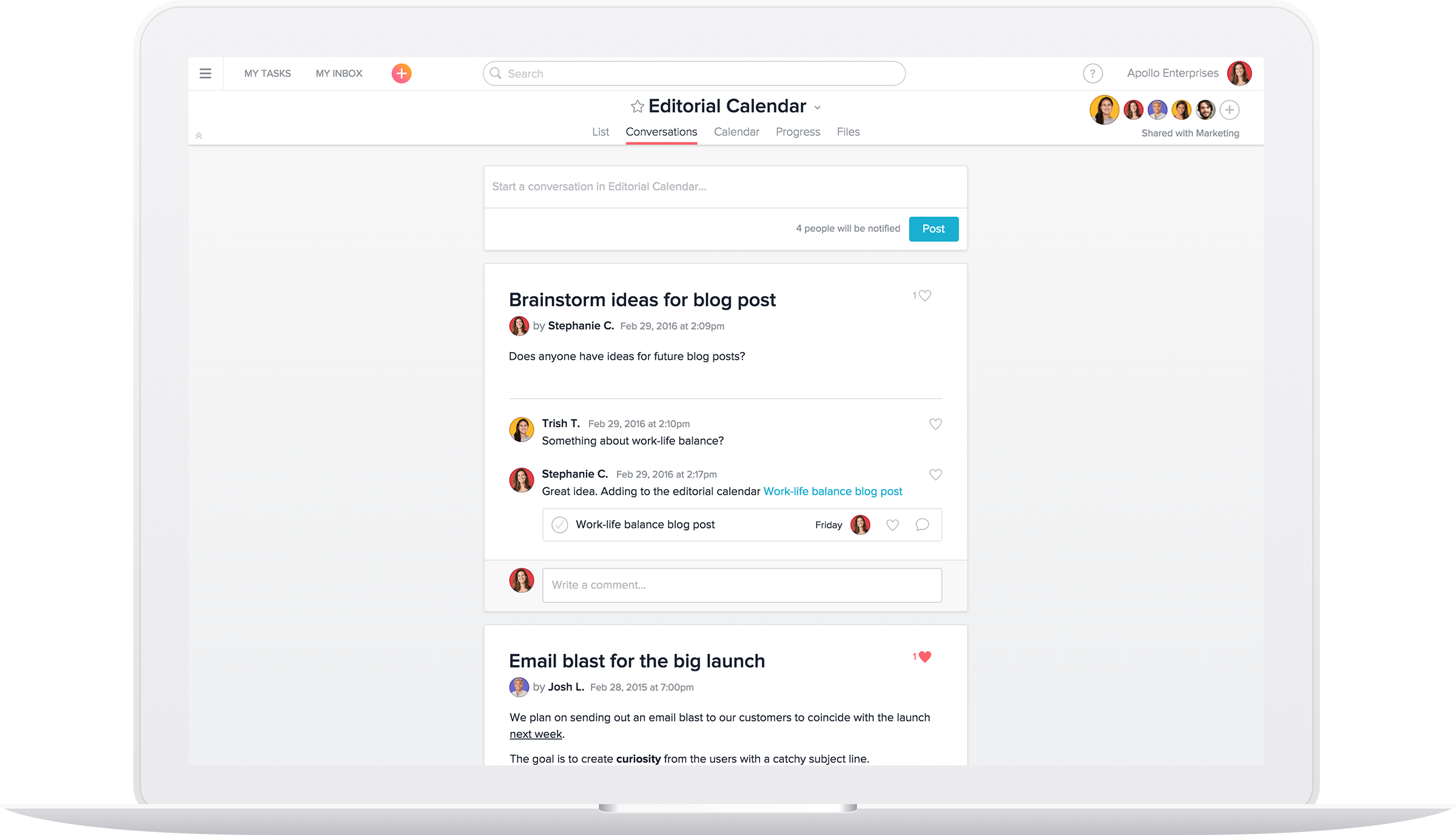     | Zenkit Screenshots 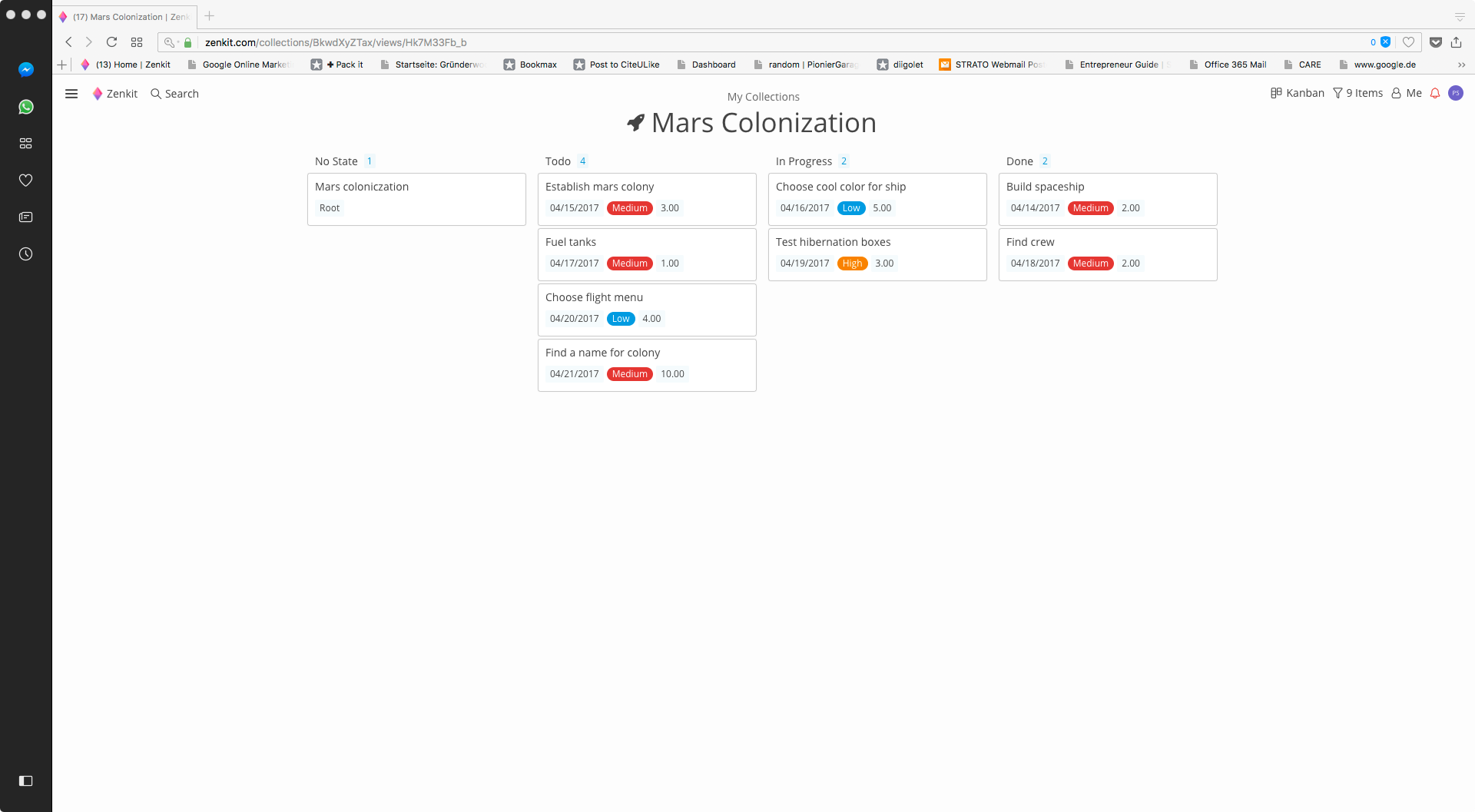 |