Chose SAP Integration Suite
SAP Integration suite stacks up well against Azure API Management. We selected Integration suite because we use SAP as our ERP

| Product | Rating | Most Used By | Product Summary | Starting Price |
|---|---|---|---|---|
 Azure API Management | N/A | Microsoft's Azure API Management supports creation of API. | $0.04 Lightweight and serverless version of API Management service, billed per execution | |
 SAP Integration Suite | N/A | SAP Integration Suite is an integration platform-as-a-service (iPaaS) that helps quickly integrate on-premises and cloud-based processes, services, applications, events, and data. It is used to accelerate innovation, automate more processes, and realize a faster time to value. | N/A |
| Azure API Management | SAP Integration Suite | |||||||||||||||
|---|---|---|---|---|---|---|---|---|---|---|---|---|---|---|---|---|
| Editions & Modules |
| No answers on this topic | ||||||||||||||
| Offerings |
| |||||||||||||||
| Entry-level Setup Fee | No setup fee | No setup fee | ||||||||||||||
| Additional Details | — | Access to free tier services does not expire while there is an active Pay-As-You-Go or CPEA account with SAP. Once a free tier service limit has been reached users have the option to update from a free to a paid service plan in the same account. | ||||||||||||||
| More Pricing Information | ||||||||||||||||
| Azure API Management | SAP Integration Suite | |
|---|---|---|
| Considered Both Products | Azure API Management No answer on this topic |  SAP Integration Suite  Michael Ong Senior Developer Chose SAP Integration Suite Other services seem to have a head start in supporting open standards. Not only in the support of up-and-coming ones but some fringe technologies as well. The biggest advantage of SAP is connectivity and interoperability with their core modules. |
| Azure API Management | SAP Integration Suite | ||||||||||||||||||||||||
|---|---|---|---|---|---|---|---|---|---|---|---|---|---|---|---|---|---|---|---|---|---|---|---|---|---|
| API Management |
| ||||||||||||||||||||||||
| Cloud Data Integration |
|
| Azure API Management | SAP Integration Suite | |
|---|---|---|
| Small Businesses |  NGINX Score 9.2 out of 10 |  Make Score 8.9 out of 10 |
| Medium-sized Companies | NGINX Score 9.2 out of 10 |  IBM App Connect Score 9.5 out of 10 |
| Enterprises | NGINX Score 9.2 out of 10 | IBM App Connect Score 9.5 out of 10 |
| All Alternatives | View all alternatives | View all alternatives |
| Azure API Management | SAP Integration Suite | |
|---|---|---|
| Likelihood to Recommend | 8.0 (0 ratings) | 8.5 (0 ratings) |
| Likelihood to Renew | - (0 ratings) | 8.6 (0 ratings) |
| Usability | - (0 ratings) | 8.0 (0 ratings) |
| Support Rating | - (0 ratings) | 6.0 (0 ratings) |
| Implementation Rating | - (0 ratings) | 7.3 (0 ratings) |
| Azure API Management | SAP Integration Suite | |
|---|---|---|
| Likelihood to Recommend |
|
 Zulma Quiroz Corporate Credit Risk Analyst |
| Pros |
|
|
| Cons |
 Gordon Lo Digital Solutions Architect |
 Andrey Shalaurov Group Director of Software Engineering |
| Likelihood to Renew | No answers on this topic |
 Brijeshkumar Joshi Se. Team leader |
| Usability | No answers on this topic |
|
| Support Rating | No answers on this topic |
|
| Implementation Rating | No answers on this topic |
|
| Alternatives Considered |
Gordon Lo Digital Solutions Architect |
|
| Return on Investment |
|
|
| ScreenShots | SAP Integration Suite Screenshots  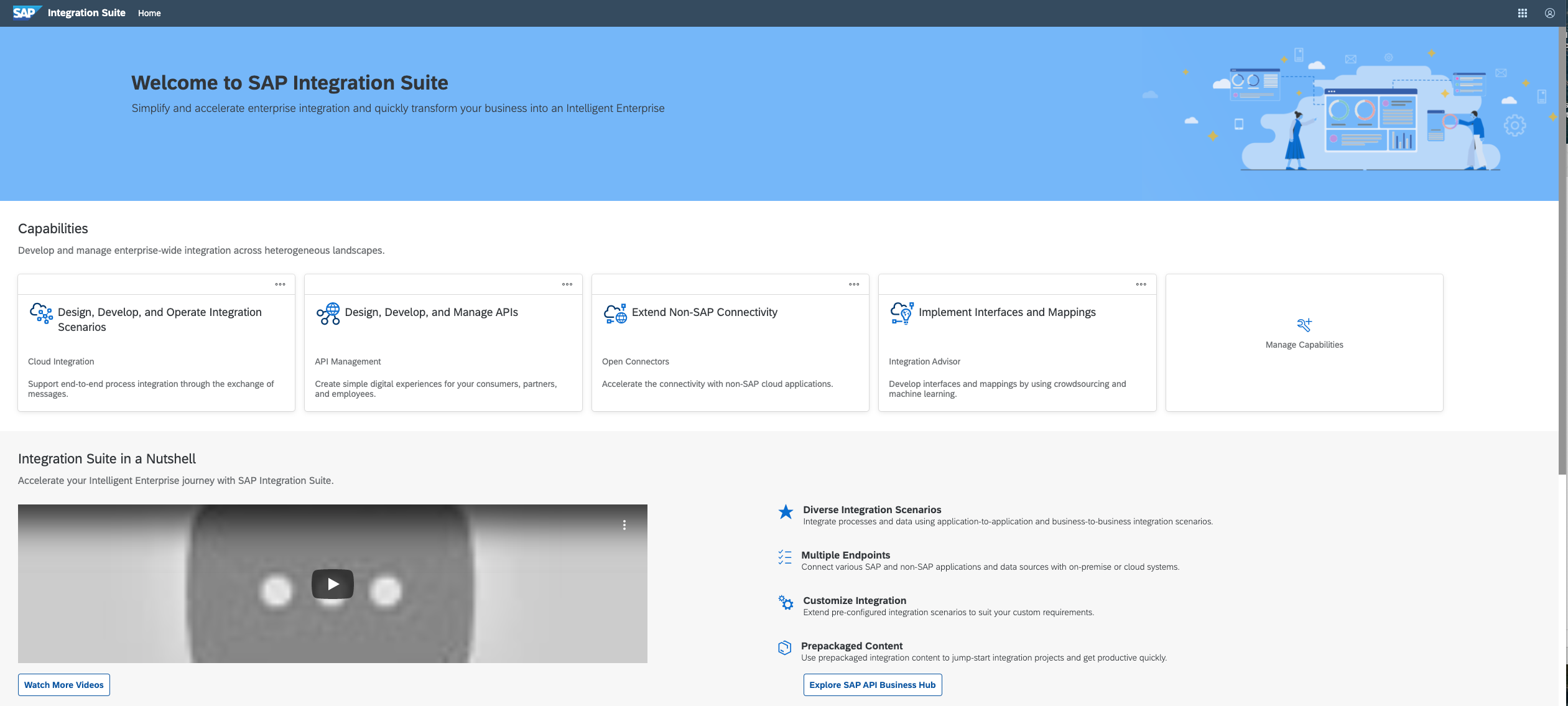   |
