Microsoft's Azure Backup is a cloud backup service.
$5
Tresorit
Score 6.2 out of 10
N/A
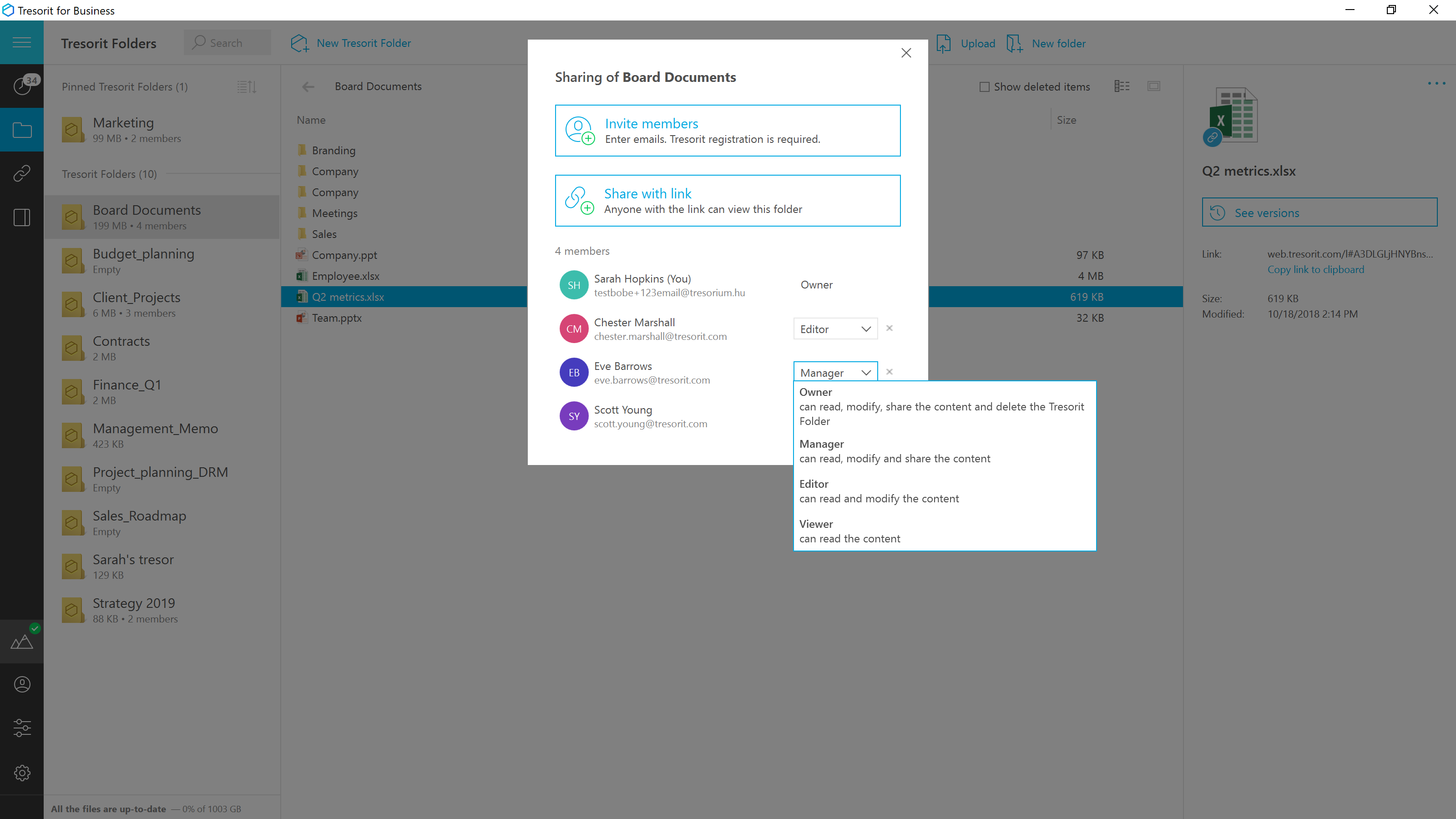
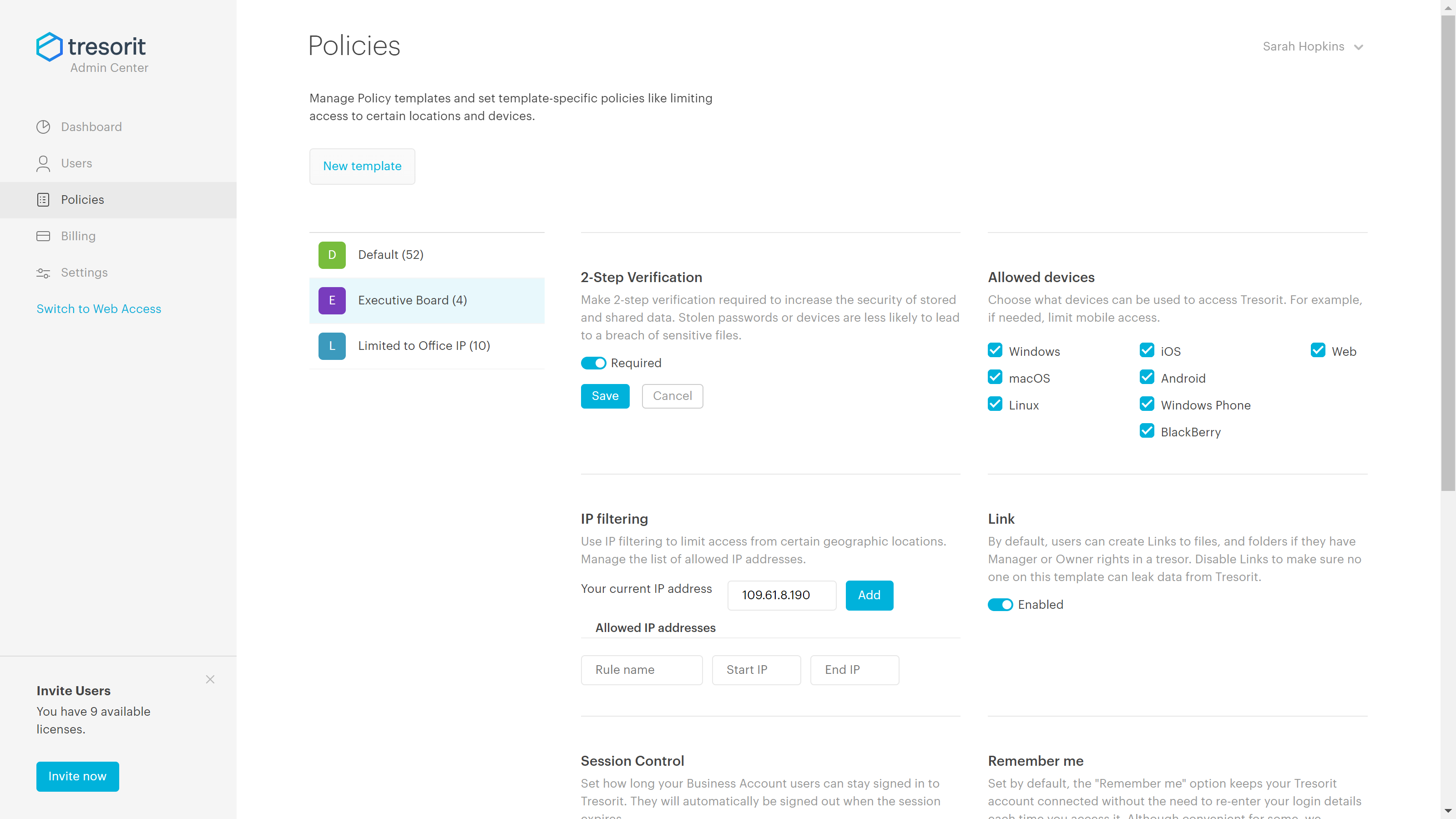
Tresorit offers end-to-end encrypted file
sync & sharing. The vendor promises an ultra-secure place in the cloud to store,
sync and share files easily from anywhere, anytime. The vendor says Tresorit is powered by
end-to-end encryption and enhanced with a flexible permission system, therefore
it seals your files away from internal data breaches and hackers. All the data
is securely stored according to the GDPR in Europe in Microsoft Azure
datacenters.
Tresorit promises to help secure…
$13.99
per month 1TB of encrypted storage
Pricing
Azure Backup
Tresorit
Editions & Modules
Storage in GB/Month
$0.0224 to $0.0569
per GB
Backup Instance <50GB
$5.00 + storage consumed
Backup Instance > 50 GB but < or = 500 GB
$10.00 + storage consumed
Backup Instance Instance is > 500 GB
$10 for each 500 GB increment + storage consumed
Personal
$13.99
per month 1TB of encrypted storage
Business Standard
$18
per month 1TB of encrypted storage
Business Plus
$24
per month per user (2TB of encrypted storage per user)
Azure Backup, Commvault, Acronis Data Protector, and Veeam Backup are popular backup solutions that offer similar functionality to protect data and applications.Azure Backup vs CommvaultCommvault is a comprehensive data backup and recovery solution that covers everything from …
Azure Backup is cheaper however Veeam is more visually pleasing and allows you to send the backups to other places including Azure, or other competitors remote DR vaults.
Cost and SLA were important [in our] decision to prefer Azure Backup over others. The customization of existing policy with an archive of data was not available in competitors so we had preferred Azure Backup.
Azure Backup works on Azure, the most famous of the cloud systems that the whole world has switched to, which is now a very large part of the Microsoft ecosystem that we have been used to using for years. Therefore, it is less tiring to use the additional service of an …
I won't say Azure Backup stacks up against these mentioned backup solutions, they're just for different approaches/implementations. Depending on your requirements, you may have a mix of Azure Backups for 'simpler' backups and another backup tool for the most complex applications …
Azure Backup is based on the most secure and encrypted cloud storage facility available...Microsoft. They have been doing this a long time and have ironed out all the kinks, leaving only the good and dependable solution in place. Azure Backup is fast also, you do not have major …
When it comes to protecting VM's in Azure, Azure Backup is the way to go versus offerings from Commvault. If you only have the infrastructure in Azure, Azure Backup is the much more attractive solution because it's built into the product, offers ease of configuration, and ties …
Secure and independently operated. We selected Tresorit for its secure file storage capabilities that the other services (except SpiderOak) did not provide. Tresorit is a zero-knowledge system, which gives us a lot of comforts when it comes to secure data storage. SpiderOak was …
By using Azure Backup, you can back up your NAS device you use locally as a file server, virtual machines you use in [a] production environment, critical databases, and everything you can think of. I do not know if there are scenarios that are not suitable, it meets all my needs.
Good scenario: Wanting to have your files stored by an independent group that specializes in secure file storage. The ability to have files stored on servers that are not domestic is a big plus too. We had issues in the past with a solution that went down when the US AWS East Coast servers had an issue; Tresorit is insulated from these problems and appears to handle load balancing as well. Not good scenario: If you want to have outside parties, upload files/share files with you within your Tresorit environment. There is no way of doing this, and this is a real operational problem.
Azure Backup is fast! Coupled with the fact that Microsoft created Azure and Windows - these two operate phenomenally together!
Administering the backups inside of Azure is a breeze. The ability to mount, restore entire backups, or recover files, has been made very easy. You do not have to download any media to recover something, you do this all in the cloud and it gets mounted in Microsoft's systems. Making this process less than a quarter of the time you would have spent with your 'other' backup solutions.
Backup vaults should ask if you want to send notifications when you first set it up, there have been a couple of times when I noticed a month later that, backup job failures were not configured to send email notifications.
Azure backup is easy to implement, accessible by using the web portal GUI, and has the ability to restore at the file level or the complete VM. We have experienced zero issues with the backup process or performing file-level restorations. We have not restored an entire VM to date.
One of the differentials of the solution is the high level of guarantee and support of the Azure Backup solution. Microsoft is a reference in a technology company with a highly trained support team and helps us with any questions or technical problems with the tool. Service is fast and efficient with trained engineers.
Exceptionally responsive. This is something we needed from our storage provider. We are continuously accessing the information, and downtime or technical issues would be and are unacceptable. We have had no downtime issues so far, and Support has been responsive to us whenever needed. Exactly what we needed from their service.
The cost, not only in the short term, but in our long-term calculations.
Even in need of improvements, the pre-sale and post-sale support is very good.
The ease, like many Microsoft products about scheduling backups, the friendly interface, the fact that there is no need for an expensive resource dedicated to this backup and some other details, made us choose Azure Backup.
Secure and independently operated. We selected Tresorit for its secure file storage capabilities that the other services (except SpiderOak) did not provide. Tresorit is a zero-knowledge system, which gives us a lot of comforts when it comes to secure data storage. SpiderOak was a close alternative, but they have been in continuous development to provide competitive features, and still haven't provided what we needed (SpiderOak has promised features for several years at this point).