Azure Data Catalog vs. CatalogExpress

Overview
ProductRatingMost Used ByProduct SummaryStarting Price
Azure Data Catalog
Score 8.7 out of 10
N/A
Microsoft's Azure Data Catalog is an enterprise-wide metadata catalog designed to make data asset discovery straightforward, a fully-managed service that lets analysts. data scientists, and developers to register, enrich, discover, understand, and consume data sources.N/A
CatalogExpress
Score 0.0 out of 10
N/A
nexoma's software solution "CatalogExpress" is a versatile SaaS tool for data syndication. It consolidates product data from one or multiple sources and file formats (CSV, XML, JSON, XLSX, etc.) and prepares these datasets for customer-specific target formats. The desired exchange formats (e.g., XLSX, BMEcat, xChange, FAB DIS) including classifications such as ETIM or ECLASS, are then exported with optimized product data and distributed manually or on a schedule to customers,…N/A
Pricing
Azure Data CatalogCatalogExpress
Editions & Modules
No answers on this topic
Offerings
Pricing Offerings
Azure Data CatalogCatalogExpress
Free Trial
NoNo
Free/Freemium Version
NoNo
Premium Consulting/Integration Services
NoNo
Entry-level Setup FeeNo setup feeRequired
Additional Details
More Pricing Information
Community Pulse
Azure Data CatalogCatalogExpress
Considered Both Products
Azure Data Catalog
Chose Azure Data Catalog
We considered alternative tools, but most of our infrastructure was already linked to Azure. Therefore, Azure Data Catalog seemed that integrating the location of our data would be easier and safer. An
Chose Azure Data Catalog
Azure Data Catalogue was chosen for
  • Microsoft's customer service and expertise
  • Experience with Azure Cloud Solutions
Chose Azure Data Catalog
To create cloud-native applications, we rely on Azure Data Catalog for data management. I believe it was better suited to our organization and maturity level regarding costs and onboarding procedures. We can get
Chose Azure Data Catalog
As an organization we use Azure platform heavily. Decision to user Azure Data Catalog was a no-brainer considering the easy at which we can integrate it with rest of the infrastructure we already have in place. UX/UI, the powerful data analytics engine was a huge plus. Support …
Chose Azure Data Catalog
I feel Azure Data Catalog was better suited for our industry and maturing level in terms of costs and onboarding processes in place. I also feel familiarity played a very big role in us choosing the platform over others. For enterprises, I would recommend AWS but not for …
Chose Azure Data Catalog
We selected Azure because of other Microsoft products in our ecosystem. The interface and ability to move items across applications like Teams made it easy to adopt. Azure Data Catalog also came highly rated for reliability. We were certain that with it, our people wouldn’t …
CatalogExpress

No answer on this topic

User Ratings
Azure Data CatalogCatalogExpress
Likelihood to Recommend
8.8
(0 ratings)
-
(0 ratings)
User Testimonials
Azure Data CatalogCatalogExpress
Likelihood to Recommend
Azure Data Catalog has helped our data governance and BI
efforts. It's an enterprise-level data dictionary that grows with our data
ecosystem. We build cloud-native apps with data management tools. And we get
insights quickly and with less overhead, and the drag-and-drop interface is one
of the best parts of it. Drag-and-drop is easy so that we can deliver quickly.
Visual effects make it more flexible. One thing to note is that working on it
requires some skill to maintain the integrity of all the components. Another
improvement would be lowering the licensing cost.
Read full review
No answers on this topic
Pros
  • It's easy to use and implement.
  • Ownership of the data.
  • It's helpful for all businesses.
  • Policy on data preservation.
  • It can utilize various data sources.
  • Data management is secure and simple.
Read full review
No answers on this topic
Cons
  • We have been it for a while now and I do not see any major concerns with the product interms of UX/UI, product support and periodic releases
Read full review
No answers on this topic
Alternatives Considered
To create cloud-native applications, we rely on Azure Data
Catalog for data management. I believe it was better suited to our organization
and maturity level regarding costs and onboarding procedures. We can get
insights quickly and with less work. Familiarity also played a role in our
choice. In general, I believe this product is worthwhile. But the IT
environment in which it will be deployed will impact this. Therefore, compared
to other tools on the market, Azure Data Catalog is the best option.

Read full review
No answers on this topic
Return on Investment
  • Less time spent on data searches.
  • Discovering, understanding and consumption of data sources is much easier.
  • We recover data from different locations from a central point.
Read full review
No answers on this topic
ScreenShots

CatalogExpress Screenshots

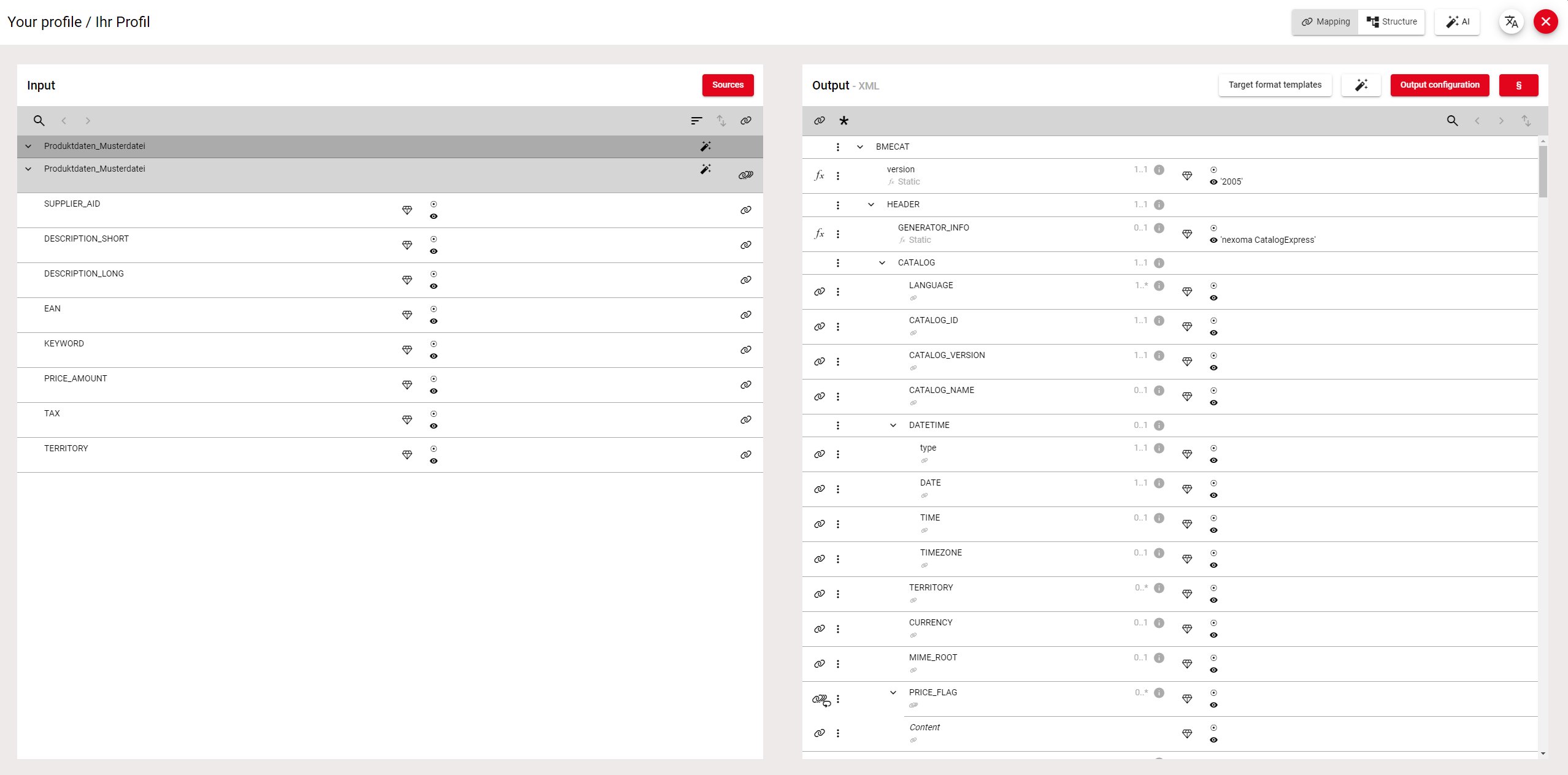
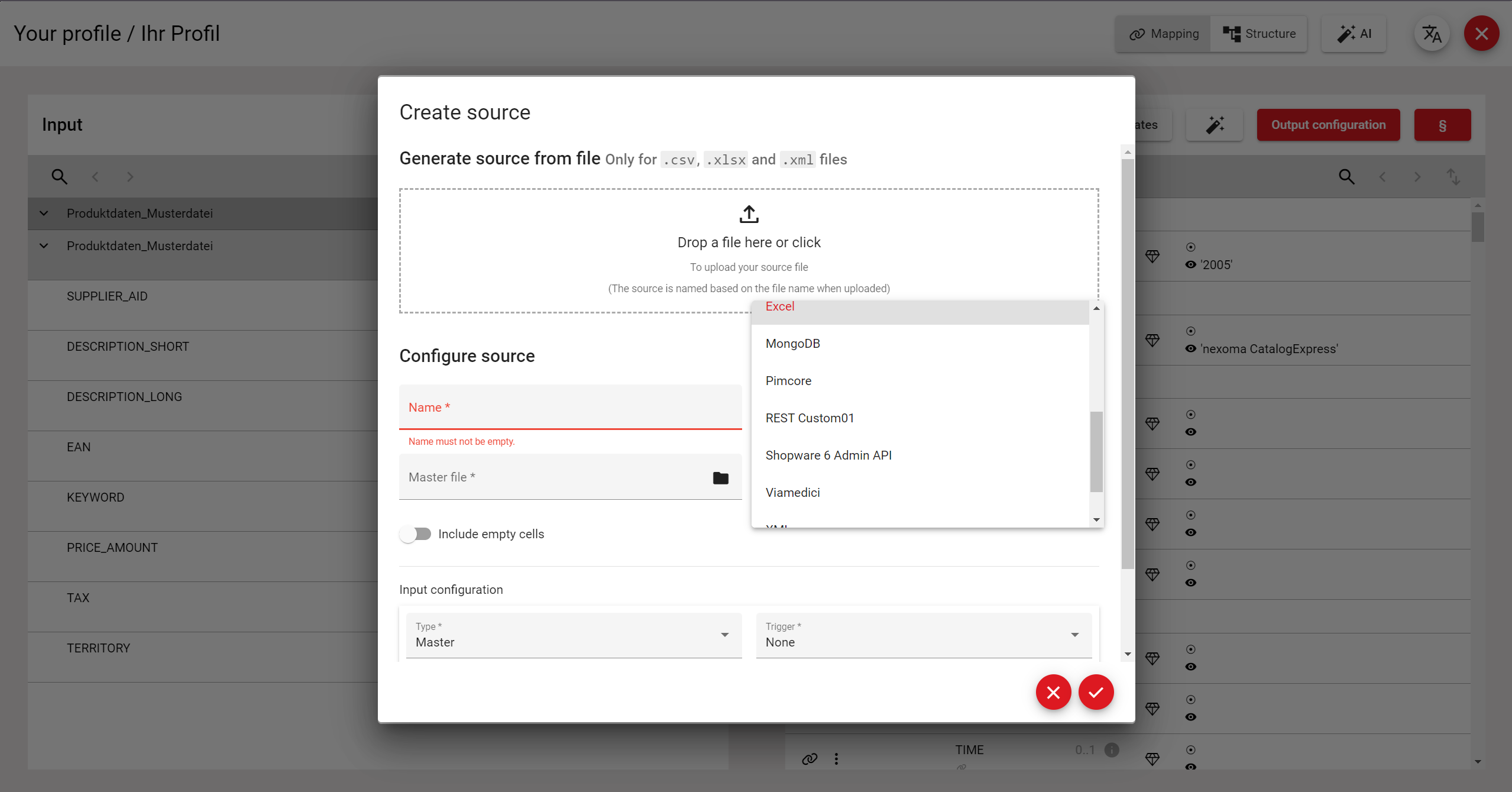
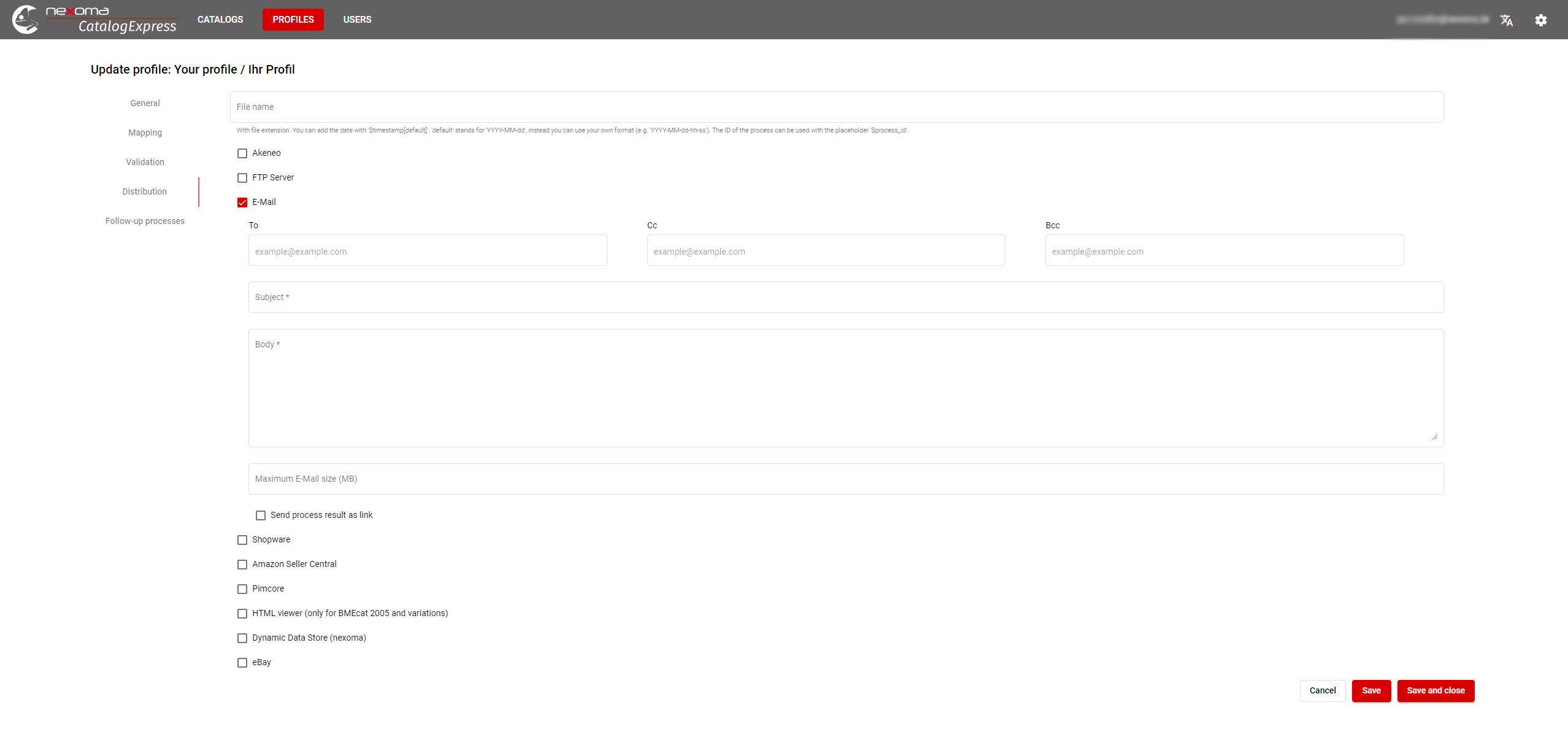
Screenshot of the CatalogExpress login page. The SaaS feed management solution consolidates and optimizes product data for seamless distribution across various channels and formats. It is currently operable in English, German, and Spanish, with more languages to be implemented sequentially.Screenshot of where CatalogExpress consolidates product data from various sources (CSV, XML, JSON, XLSX) and prepares it for customer-specific formats. This screenshot shows the data mapping UI, where source data can be mapped to corresponding target data fields. After mapping, the data can be verified against respective XSD schemas and generated in various formats (e.g., XLSX, BMEcat, ETIM xChange, and many more).Screenshot of the workflow where CatalogExpress consolidates data from multiple sources, including different file formats (e.g., single CSV tables) and several systems (PIM, ERP, DAM, MDM, and more), with existing connectors to systems like Akeneo, ATAMYA/eggheads, Contentserv, Crossbase, OMN by Apollon, Oxid, Pimcore, Shopware, and Viamedici.Screenshot of the interface in CatalogExpress where users can automatically distribute their generated data via email, SFTP, or API, ensuring compliance with quality standards through data verification against standard schemas or custom mechanisms.