Microsoft offers the Azure Logic Apps as a cloud-based integration service, supporting data and application integration.
$0
per execution
Outfunnel
Score 10.0 out of 10
Small Businesses (1-50 employees)
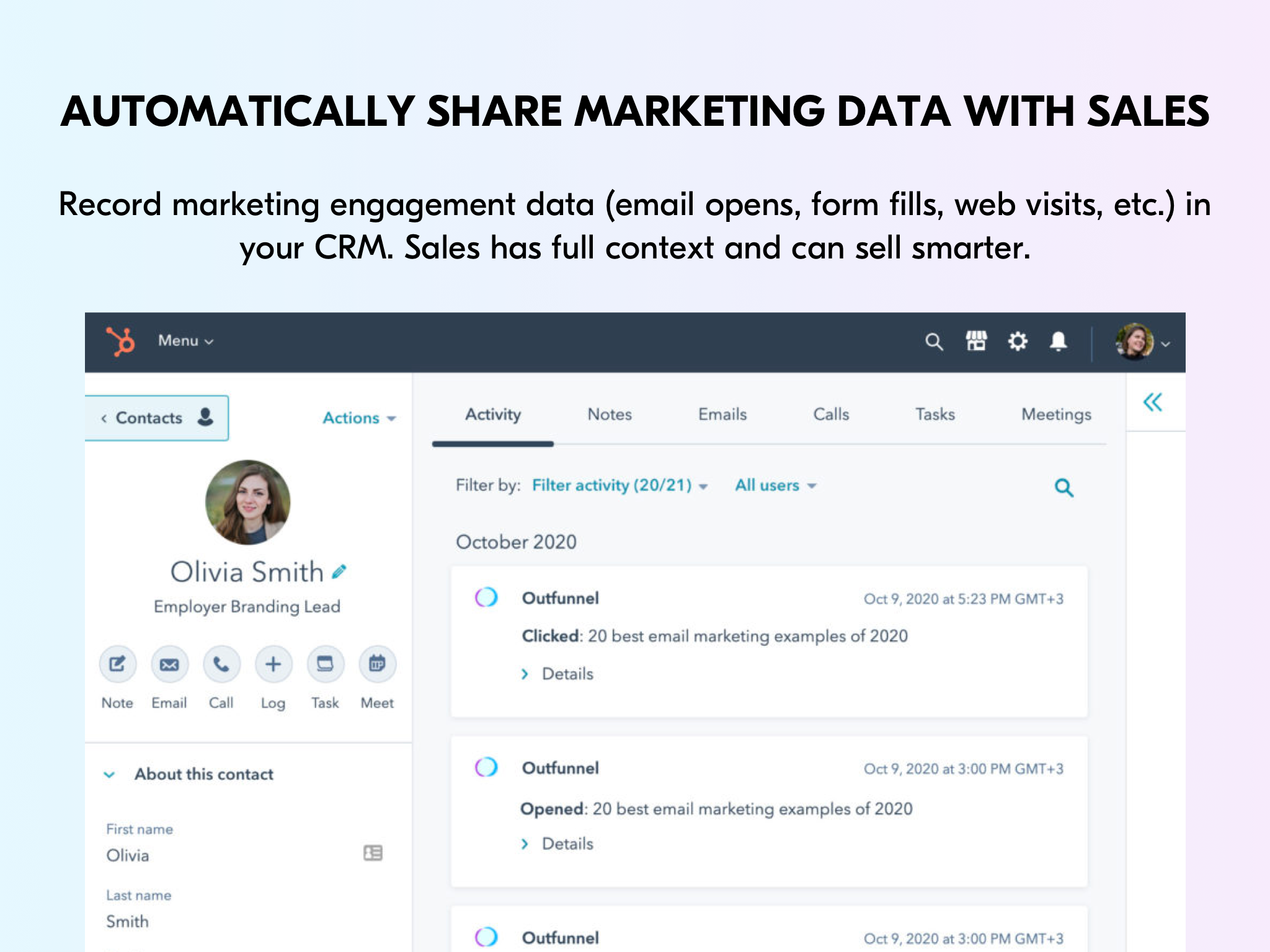
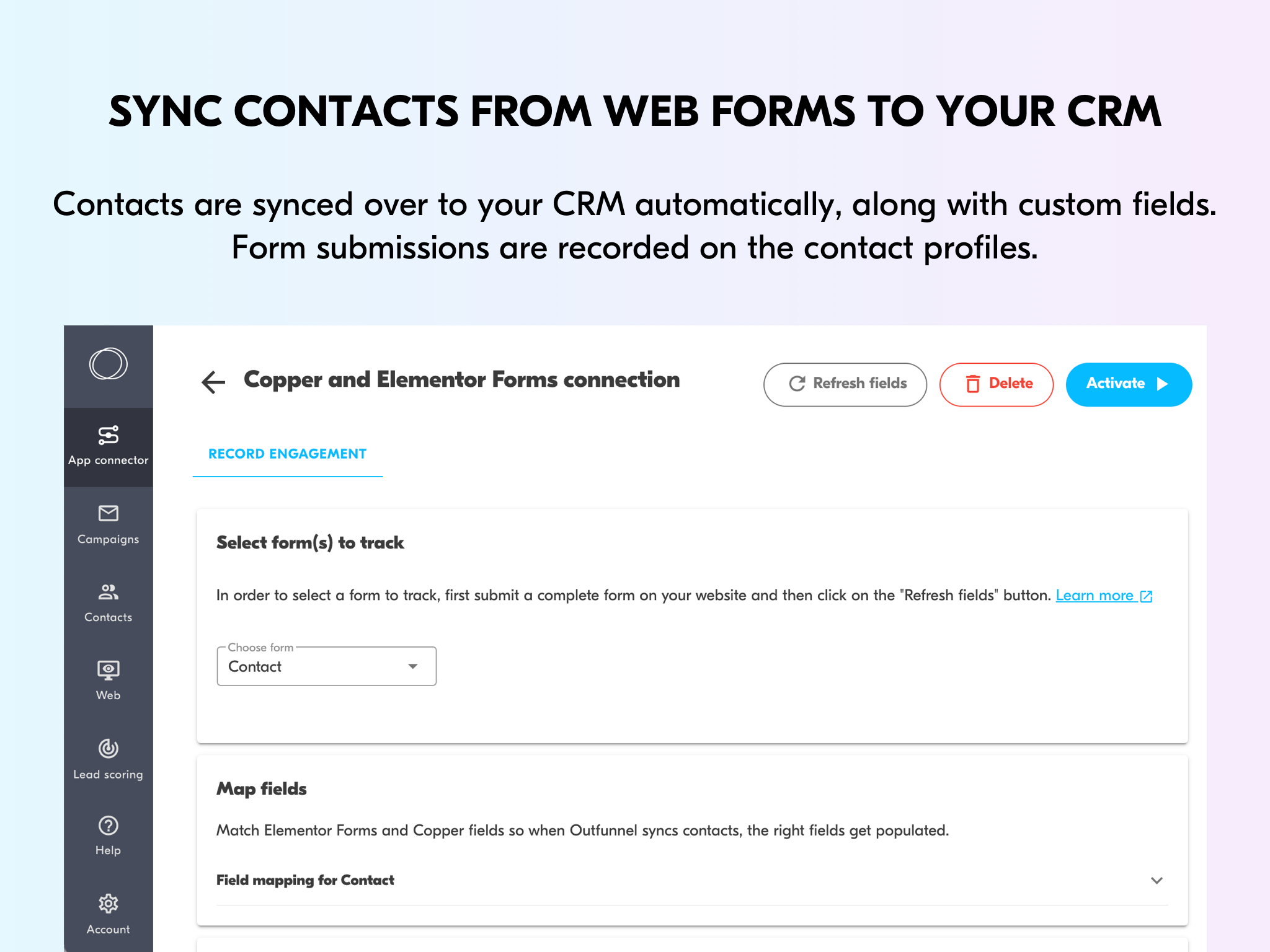
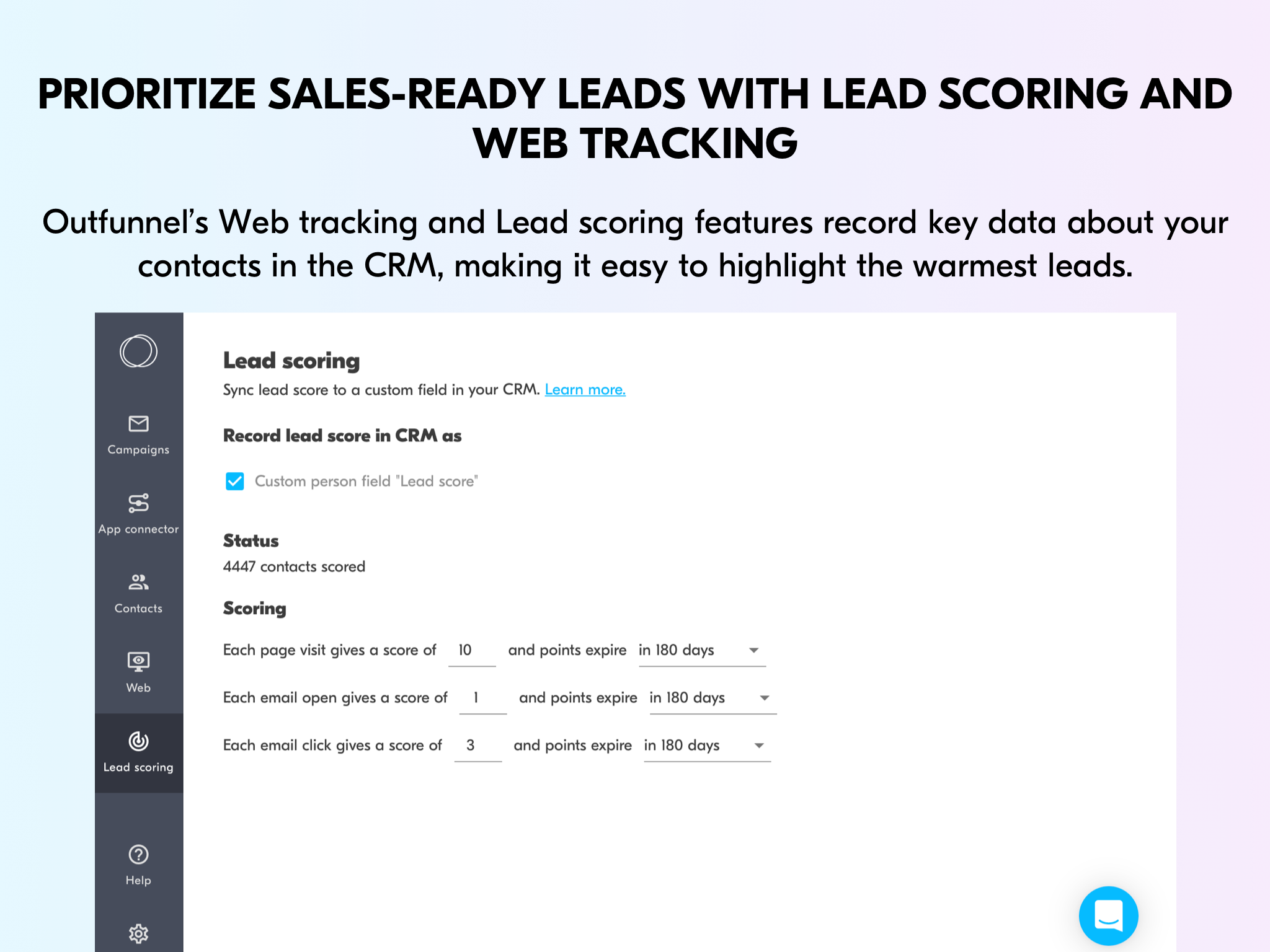
Outfunnel is the most boring* marketing tool on the planet. *It aims to make it easy to create deep data connections between all your marketing tools and CRM (Copper, Pipedrive and HubSpot). It’s not very exciting, but it is useful to keep sales and marketing people working together and growing revenue. Keep sales and marketing contacts in sync Connect a CRM and marketing tools to keep contact lists in sync 24/7. Set up a marketing campaigns and…
$19
per month
Pricing
Azure Logic Apps
Outfunnel
Editions & Modules
Actions
$0.000025
per execution
Standard Connector
$0.000025
per execution
Enterprise Connector
$0.001
per execution
Integration Account - Basic
$0.42
per hour
Integration Account - Standard
$1.37
per hour
Starter
$19
per month
Growth
$49
per month
Professional
$125
per month
Offerings
Pricing Offerings
Azure Logic Apps
Outfunnel
Free Trial
Yes
Yes
Free/Freemium Version
No
No
Premium Consulting/Integration Services
No
No
Entry-level Setup Fee
No setup fee
No setup fee
Additional Details
—
—
More Pricing Information
Community Pulse
Azure Logic Apps
Outfunnel
Considered Both Products
Azure Logic Apps
Verified User
Anonymous
Chose Azure Logic Apps
The other tools which we have been using do not suite well to integrate other systems (online and onprem) and also other azure services. This tool provide lot of prebuilt connectors that helps us to use the functions within the workflows. This tool is well suited for technical …
Other services can, on some level, offer some type of subscriber/publisher pattern. For example, you could have an Azure Function watch for changes to a database and then sync the data to Cosmos DB. However, with a few clicks, Logic Apps can easily handle the task without …
This is very dependent on the line of work you are in and the unique company requirements, as is the case with everything. We utilize Azure Logic Apps for all of our computing solutions within our domain, and it has always worked flawlessly. One of the simplest clouds to set up …
Honestly, both are robust applications that have helped our business. Amazon had more help training and help resources and allowed us to hit the ground running a little easier. However, it seems like Azure is a more complete option that has more overall resources that our …
When we proposed products for central integration, we were also introduced to software like Pabbly - which was in its early stages of company growth. The main reason why we picked Azure Logic apps over the other software is that it is manufactured by the renowned company …
They are both good, but for our current moment, having Azure was a better decision. Hubspot has prices in dollar and Brazilian currency is not well at the moment, so we needed to make a decision.
Like all things, this is very much based on the line of work you are in and the specific business needs. We use Azure for our computing solutions under our domain, and it works great every time! By far one of the easiest clouds to get up and running.
There are some logic that are too complex to be executed in Azure Logic Apps. It's a smart choice to execute them in Azure Functions. Azure Logic Apps has an OOB connector to connect to Azure functions. The authentication part is taken care of by MSI (so nothing needs to be …
Microsoft Logic Apps is much more enterprise-ready. With our company being more invested in Microsoft, this was a no brainer for us to leverage the tool. Its ease of use and scalability makes it a good choice for an enterprise workload.
Azure Logic Apps has its positives and negatives. We have found that solely relying on it it not a best practice. But that Azure Logic Apps shine when used in concert of the other offerings out there as a part of the whole solution. There are tasks that Azure Logic Apps …
1. For simple tasks / moderately difficult tasks (where there are not too many condition checks) 2. We have less time for development, and the Agenda is simple. 3. Avoid Azure Logic Apps when you are unsure about hitting the limits (check latest limitations of Azure Logic Apps in MS docs)
Microsoft Azure should be unclouded with its pricing. We don't always know how much an inclusion will affect the monthly price. So we have to speculate where we are with the price and if we can afford to include another asset.
I found them easy to use and adapt to different scenarios, from Azure management to link processes between REST APIs. Together with Function Apps, they're probably the most useful resource type for Azure. Today, I use them in production, and that's a key component: stable, secure, easy to manage, and maintain.
Azure Logic Apps are backed by Azure and Microsoft. There is a wealth of information on the internet about both of these platforms. In addition to this Microsoft has a huge bush to using this platform and have offered many solutions and support options to the user. The only drawback is that it is a fairly new platform so the 3rd party information tends to be lacking.
When we proposed products for central integration, we were also introduced to software like Pabbly - which was in its early stages of company growth. The main reason why we picked Azure Logic apps over the other software is that it is manufactured by the renowned company Microsoft and we had nothing to worry about our data security. Also, Logic apps offered a great deal when it came to pricing and it was also so much easier to negotiate the plans and prices with the customer care representatives at Azure Logic Apps!
Moving to Serverless Computing obviously makes the organization get rid of dependent Infra.
ROI can be seen immediately as the required infra can be decommissioned after a successful quarter run.
Being deployed as a single entity or single app on Azure Logic Apps, Organizations need to be more careful with controls applied to meet compliance and security posture.