Microsoft offers the Azure Logic Apps as a cloud-based integration service, supporting data and application integration.
$0
per execution
SAP Integration Suite
Score 8.5 out of 10
N/A
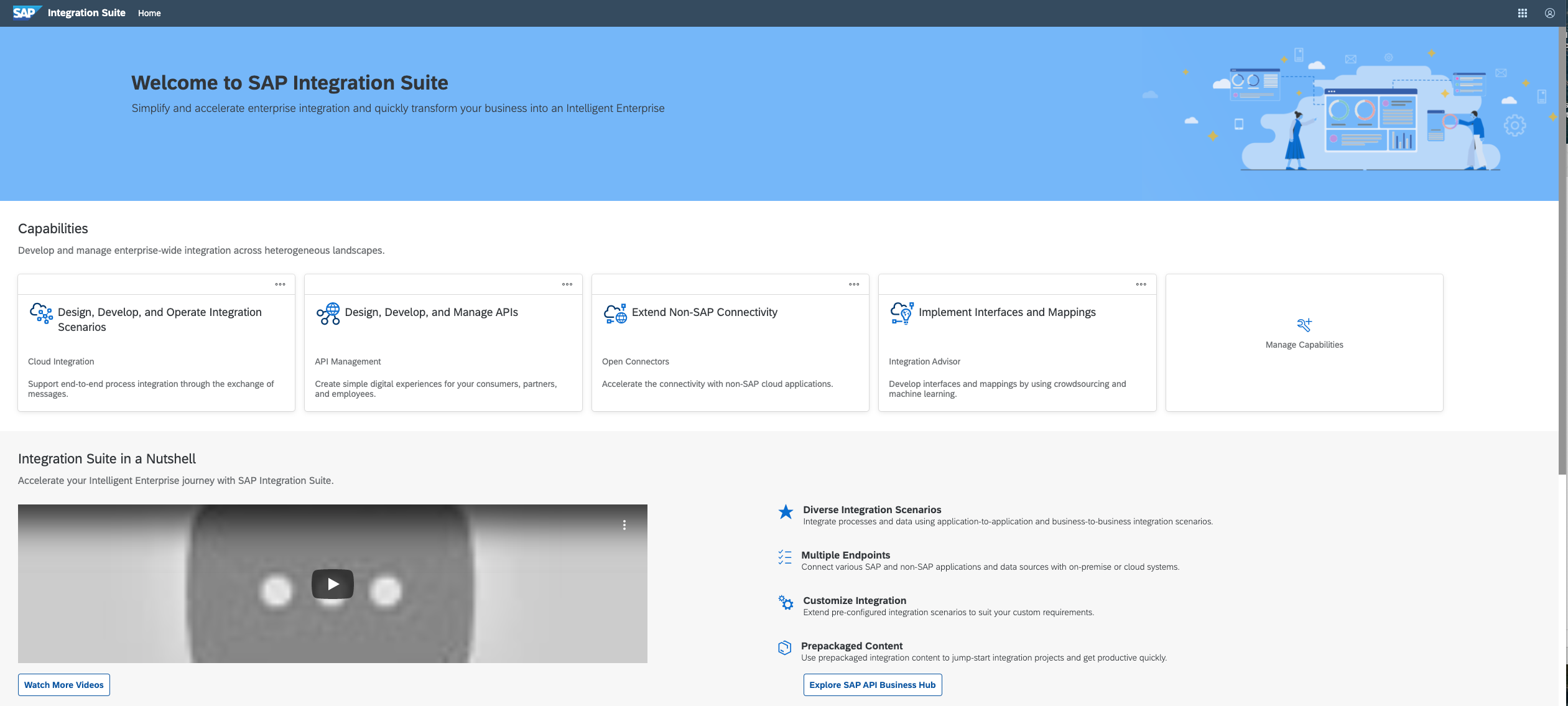
SAP Integration Suite is an integration platform-as-a-service (iPaaS) that helps quickly integrate on-premises and cloud-based processes, services, applications, events, and data. It is used to accelerate innovation, automate more processes, and realize a faster time to value.
N/A
Pricing
Azure Logic Apps
SAP Integration Suite
Editions & Modules
Actions
$0.000025
per execution
Standard Connector
$0.000025
per execution
Enterprise Connector
$0.001
per execution
Integration Account - Basic
$0.42
per hour
Integration Account - Standard
$1.37
per hour
No answers on this topic
Offerings
Pricing Offerings
Azure Logic Apps
SAP Integration Suite
Free Trial
Yes
Yes
Free/Freemium Version
No
No
Premium Consulting/Integration Services
No
No
Entry-level Setup Fee
No setup fee
No setup fee
Additional Details
—
Access to free tier services does not expire while there is an active Pay-As-You-Go or CPEA account with SAP. Once a free tier service limit has been reached users have the option to update from a free to a paid service plan in the same account.
When we proposed products for central integration, we were also introduced to software like Pabbly - which was in its early stages of company growth. The main reason why we picked Azure Logic apps over the other software is that it is manufactured by the renowned company …
I have previously used Azure Logic Apps which is good but it lacks some of the customization features in SAP Integration Suite. Also azure is somewhat complex compared to SAP version and it much more affordable in the sense and the UI is very much user friendly and makes …
1. For simple tasks / moderately difficult tasks (where there are not too many condition checks) 2. We have less time for development, and the Agenda is simple. 3. Avoid Azure Logic Apps when you are unsure about hitting the limits (check latest limitations of Azure Logic Apps in MS docs)
The case of the SAP Integration Suite shows outstanding capability in handling huge data, and especially when handling corporate portfolio data with multiple owners. But we have noticed that in the cases of moving data from the older banking system, it is necessary to further refine the system. It does an excellent job of the current credit scoring.
Broad Connectivity: SAP Integration Suite excels in connecting diverse systems, including SAP and non-SAP applications, databases, and third-party services.
Pre-built Integrations and Templates:The suite provides a library of pre-built integrations and templates for common business scenarios.
Microsoft Azure should be unclouded with its pricing. We don't always know how much an inclusion will affect the monthly price. So we have to speculate where we are with the price and if we can afford to include another asset.
SAP Integration Suite is very helpful to us in many ways to manage purchase procedures, stocks, and data of vendors and suppliers. Also, it helps to manage data for service providers. SAP Integration Suite has the tool to conduct training and evaluation. Unique features like the cloud can provide access from any place and by any device is very helpful.
I found them easy to use and adapt to different scenarios, from Azure management to link processes between REST APIs. Together with Function Apps, they're probably the most useful resource type for Azure. Today, I use them in production, and that's a key component: stable, secure, easy to manage, and maintain.
Azure Logic Apps are backed by Azure and Microsoft. There is a wealth of information on the internet about both of these platforms. In addition to this Microsoft has a huge bush to using this platform and have offered many solutions and support options to the user. The only drawback is that it is a fairly new platform so the 3rd party information tends to be lacking.
When we proposed products for central integration, we were also introduced to software like Pabbly - which was in its early stages of company growth. The main reason why we picked Azure Logic apps over the other software is that it is manufactured by the renowned company Microsoft and we had nothing to worry about our data security. Also, Logic apps offered a great deal when it came to pricing and it was also so much easier to negotiate the plans and prices with the customer care representatives at Azure Logic Apps!
We used to have a in house application in Camel and Karaf as a middleware, and after we migrate to S4HANNA we decide to give a try and move to the cloud with SAP Integration Suite, knowing the capabilities and the needs that we have in the company and the projects that were running on premise in our middleware.
Moving to Serverless Computing obviously makes the organization get rid of dependent Infra.
ROI can be seen immediately as the required infra can be decommissioned after a successful quarter run.
Being deployed as a single entity or single app on Azure Logic Apps, Organizations need to be more careful with controls applied to meet compliance and security posture.