Carbon Black App Control is an application control product, used to lock down servers and critical systems, prevent unwanted changes and ensure continuous compliance with regulatory mandates.
N/A
Quixxi Security
Score 8.7 out of 10
N/A
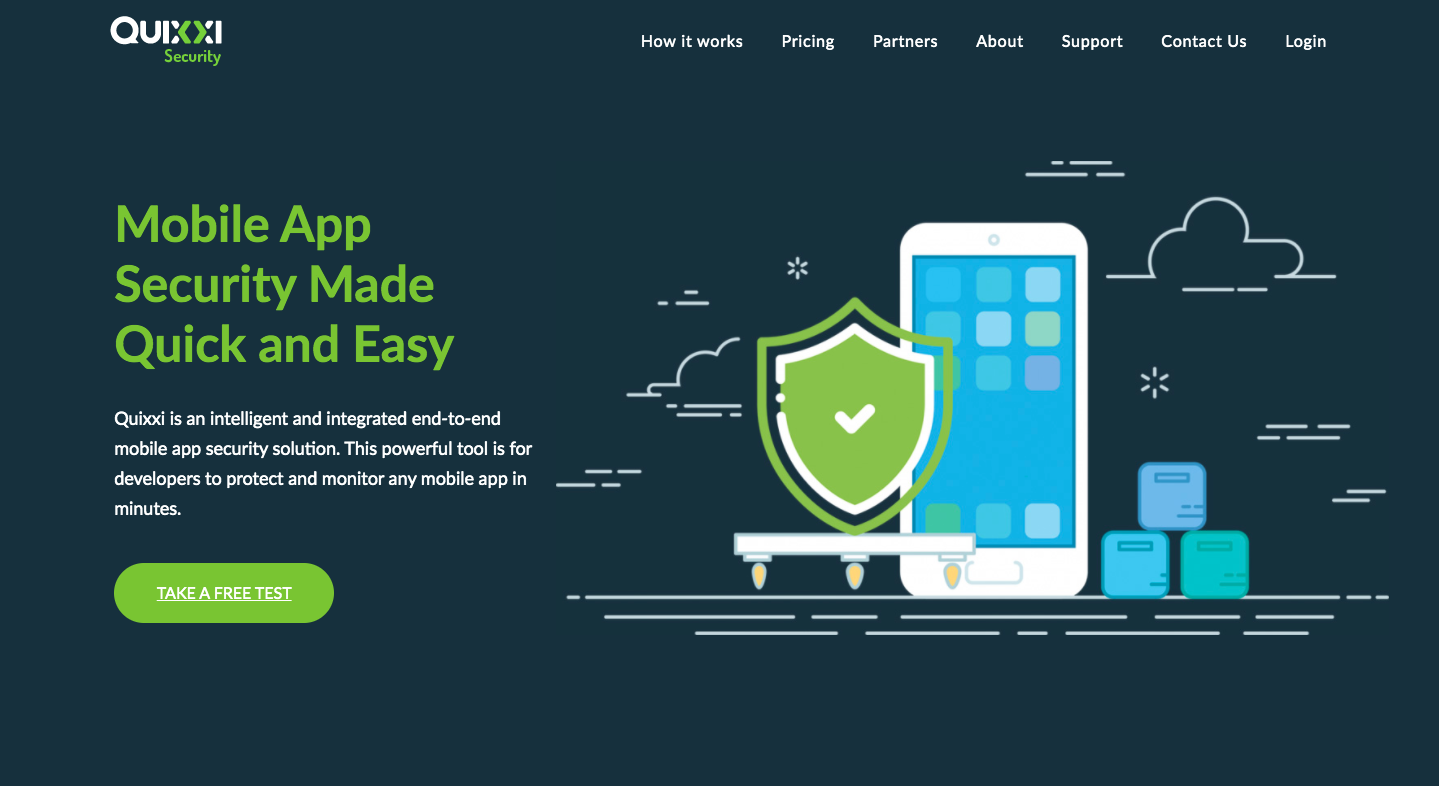
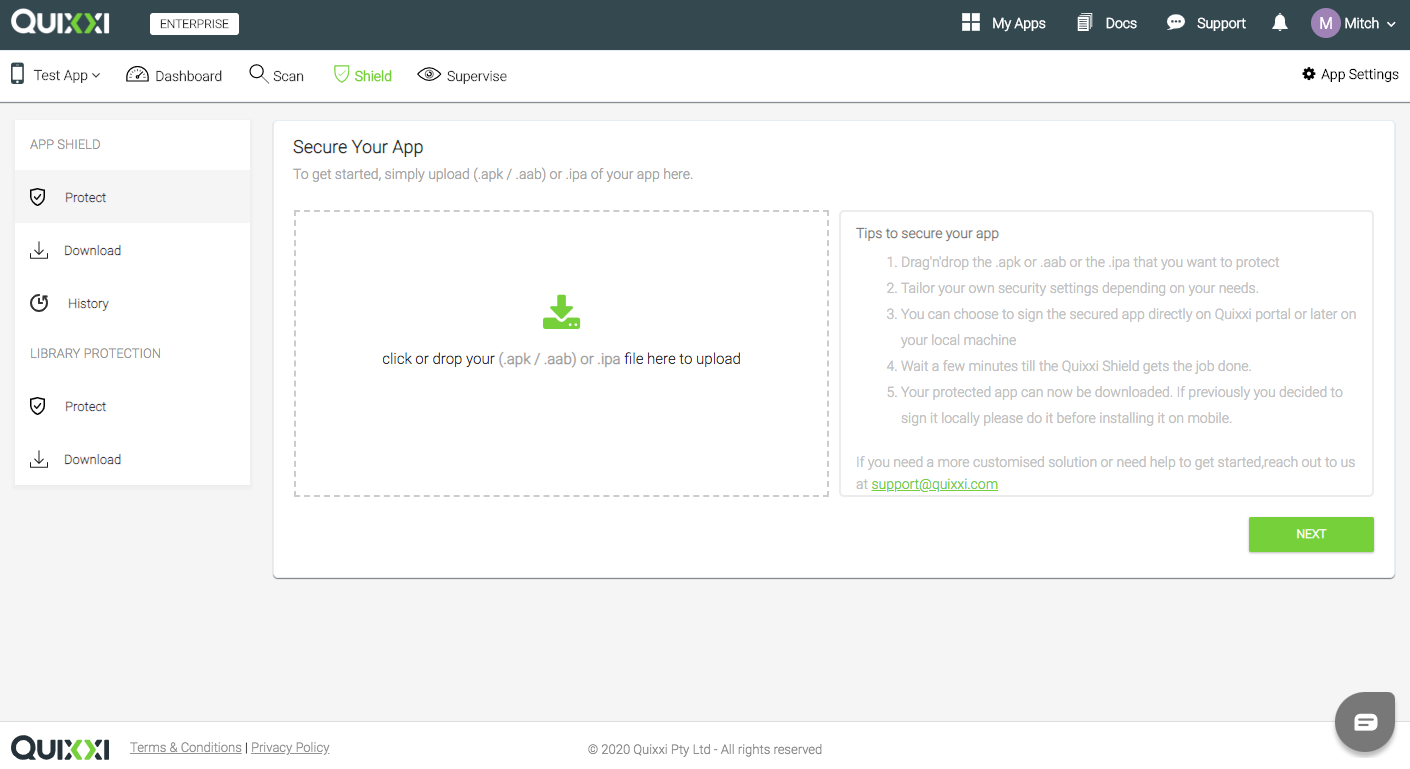
Quixxi Security provides codeless app protection against hackers looking to clone, tamper, inject malicious code, or exploit a mobile app. A simple drag & drop feature applies a sophisticated set of security layers, for quick & easy mobile app protection. Quixxi is also a monitoring tool with Licensing, Analytics & Diagnostics SDK. Allowing developers to identify illegal use & help recover associated lost revenue, detailed insights into customer engagement & advanced debugging…
$0
Per App
Pricing
Carbon Black App Control
Quixxi Security
Editions & Modules
No answers on this topic
Scan / Shield Lite
$0
Per App
Scan
$9
Per App
Shield
$99
1-2 Apps
Enterprise
Custom
Unlimited Apps
Offerings
Pricing Offerings
Carbon Black App Control
Quixxi Security
Free Trial
No
Yes
Free/Freemium Version
No
Yes
Premium Consulting/Integration Services
No
No
Entry-level Setup Fee
No setup fee
No setup fee
Additional Details
—
Pricing based on monthly plan. Customers may save up to 15% by purchasing annual payment plan.
More Pricing Information
Community Pulse
Carbon Black App Control
Quixxi Security
Considered Both Products
Carbon Black App Control
Verified User
Anonymous
Chose Carbon Black App Control
VMware Carbon Black EDR and VMware Carbon Black Endpoint
VMware Carbon Black App Control [(formerly Cb Protection)] is just much more advanced and gives administrators much more insight into the security framework. The cost is higher but at the same time the features are much more advanced. It is also easy to move throughout the …
The big difference between Protect and Barkly/AMP is how exactly it goes about what it's doing. Protect is application whitelisting and program reputation. So the way it's protecting you is using a proprietary reputation service, and hash values to identify applications, and …
It is more suited to lock down critical systems and servers to prevent unwanted changes, although you can use it on daily basis on laptops and desktops, it needs constant attention and events analysis. For some scenarios i.e. financial institutions it is a must-have solution, as App Control now is a requirement 5 of PCI DSS.
If you are developing mobile apps, you should be doing regular vulnerability scans. Quixxi Scan does this quickly and easily from your working app code. Furthermore, if your company requires compliance with any of the major software development or industry-standard data security standards like SOC -2, the Quixxi scan reports are ideal and can be used "as is."
Device Control - you can view and allow/disallow the ability for certain devices to be used in your environment. Specifically we used this with USB drives. If you have one you want to use - whitelist the serial number. The rest can't be used. Simple and easy.
Software blocking. If you have an extremely dynamic software base (I doubt this is likely) this could get a bit annoying, but for most organizations like ours where we have specific applications that are required, and then the rest are a bit of an afterthought, it's easy to whitelist the correct applications that you want to be able to run in your environment. The rest can't run (in high enforcement). Users are able to easily request new applications, and you can set certain groups to be able to approve it on their own.
Solid platform - with few exceptions setting up new software was very easy (Dragon Medical was a bit tricky, but worked through it with support). Once you have your rules set up and the initial setup done, you tend not to have to do much of anything except to update on occasion and deal with a few requests for applications to be unblocked, or publishes approved.
The big difference between Protect and Barkly/AMP is how exactly it goes about what it's doing. Protect is application whitelisting and program reputation. So the way it's protecting you is using a proprietary reputation service, and hash values to identify applications, and then hitting a list of whitelisted programs to decide if you are able to run that or not, based on the policy you are in. There is a LOT of value in that. We actually are working on transitioning to Cisco Advanced Malware Protection (AMP). The main reason is cost (about the same cost as Cb Protect, but with (most of) the featureset of all 3 Carbon Black products for less than 1/3 of the total spend. AMP works differently, looking at a reputation service powered by Cisco's Talos cloud. You don't really have application whitelisting, but that also reduces how many "requests" you get for applications. So I'll have to find a different way to do whitelisting and USB blocking and the like, but I'm getting more visibility across my network and also built in antivirus (TETRA engine - ClamAV with some work). Barkly is an add that we are looking to put in as it looks at behavior of programs. So specifically it watches for privilege elevation and the like. Thus far all the big name problem children (WannaCry, other ransomware problems) have been caught natively in Barkly day 0.