
CData DBAmp vs. CData Sync
CData DBAmp vs. CData Sync
| Product | Rating | Most Used By | Product Summary | Starting Price |
|---|---|---|---|---|
 CData DBAmp | N/A | DBAmp is a Salesforce integration solution for any SQL DBA. With DBAmp, users can access Salesforce data in real-time using standard SQL. For many organizations, SQL Server plays a critical role in BI and operational reporting. Using DBAmp, users can extend the same SQL Server integrations they've built for BI, analytics, and reporting to Salesforce data. | $2,495 per user | |
 CData Sync | N/A | CData's Sync is a data pipeline tool able to connect data sources to the user's database or data warehouse, supporting at present over 200 possible sources, and a range of destinations (e.g. Snowflake, S3, Redshift), connecting on-premise or SaaS sources and destinations. | N/A |
| CData DBAmp | CData Sync | |||||||||||||||
|---|---|---|---|---|---|---|---|---|---|---|---|---|---|---|---|---|
| Editions & Modules |
| No answers on this topic | ||||||||||||||
| Offerings |
| |||||||||||||||
| Entry-level Setup Fee | No setup fee | No setup fee | ||||||||||||||
| Additional Details | — | — | ||||||||||||||
| More Pricing Information | ||||||||||||||||
| CData DBAmp | CData Sync |
|---|
| CData DBAmp | CData Sync | |
|---|---|---|
| Small Businesses |  Skyvia Score 9.9 out of 10 | Skyvia Score 9.9 out of 10 |
| Medium-sized Companies |  IBM InfoSphere Information Server Score 8.0 out of 10 | IBM InfoSphere Information Server Score 8.0 out of 10 |
| Enterprises | IBM InfoSphere Information Server Score 8.0 out of 10 | IBM InfoSphere Information Server Score 8.0 out of 10 |
| All Alternatives | View all alternatives | View all alternatives |
| CData DBAmp | CData Sync | |
|---|---|---|
| Likelihood to Recommend | 9.0 (0 ratings) | 8.0 (0 ratings) |
| CData DBAmp | CData Sync | |
|---|---|---|
| Likelihood to Recommend | 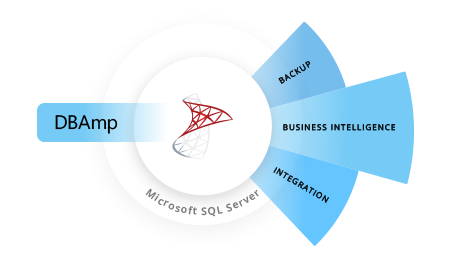
 Beth Follenweider Senior Director of Business Intelligence |
|
| Pros |
Beth Follenweider Senior Director of Business Intelligence |
|
| Cons |
Beth Follenweider Senior Director of Business Intelligence |
|
| Alternatives Considered | No answers on this topic |
|
| Return on Investment |
Beth Follenweider Senior Director of Business Intelligence |
|
| ScreenShots | CData DBAmp Screenshots  |