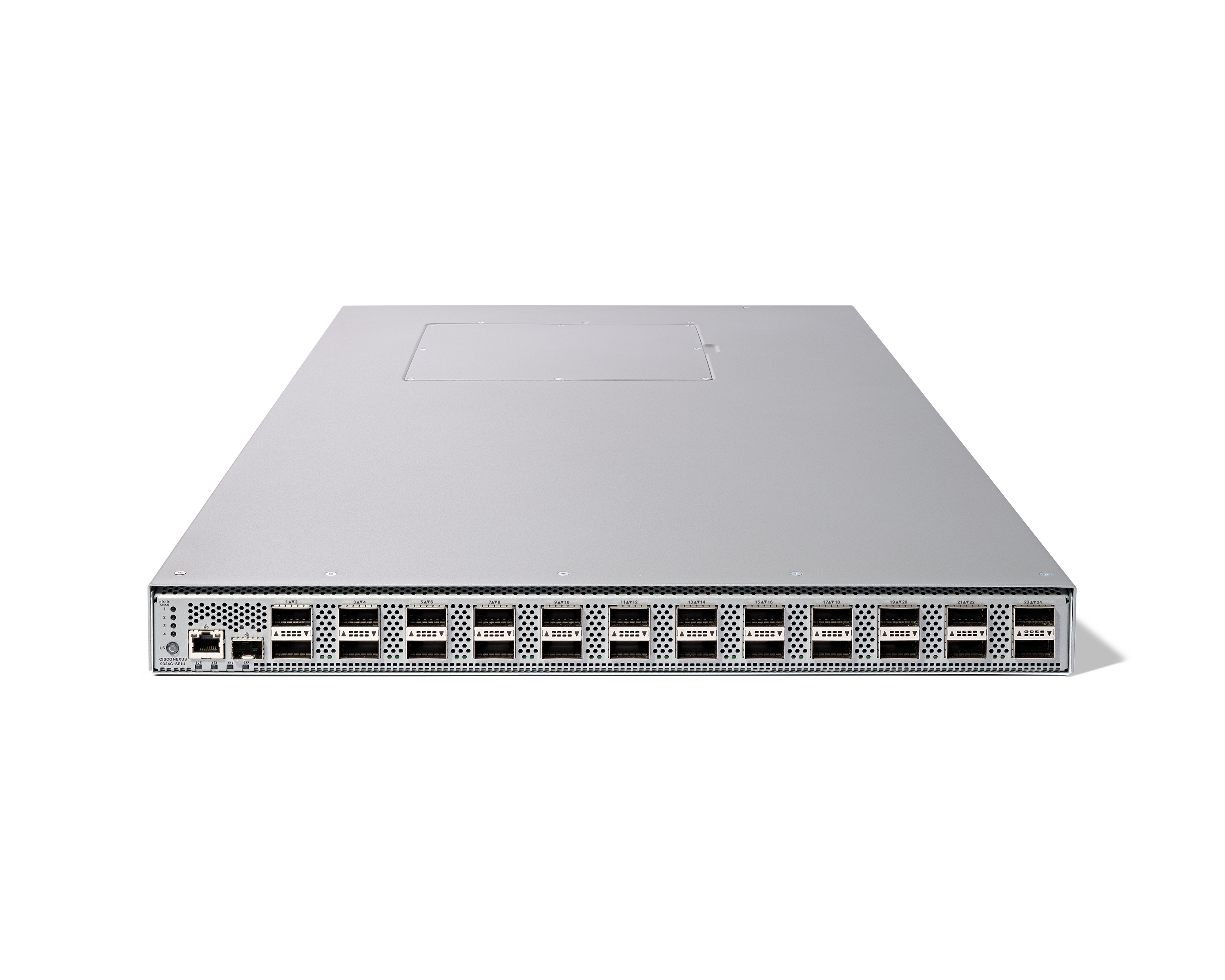
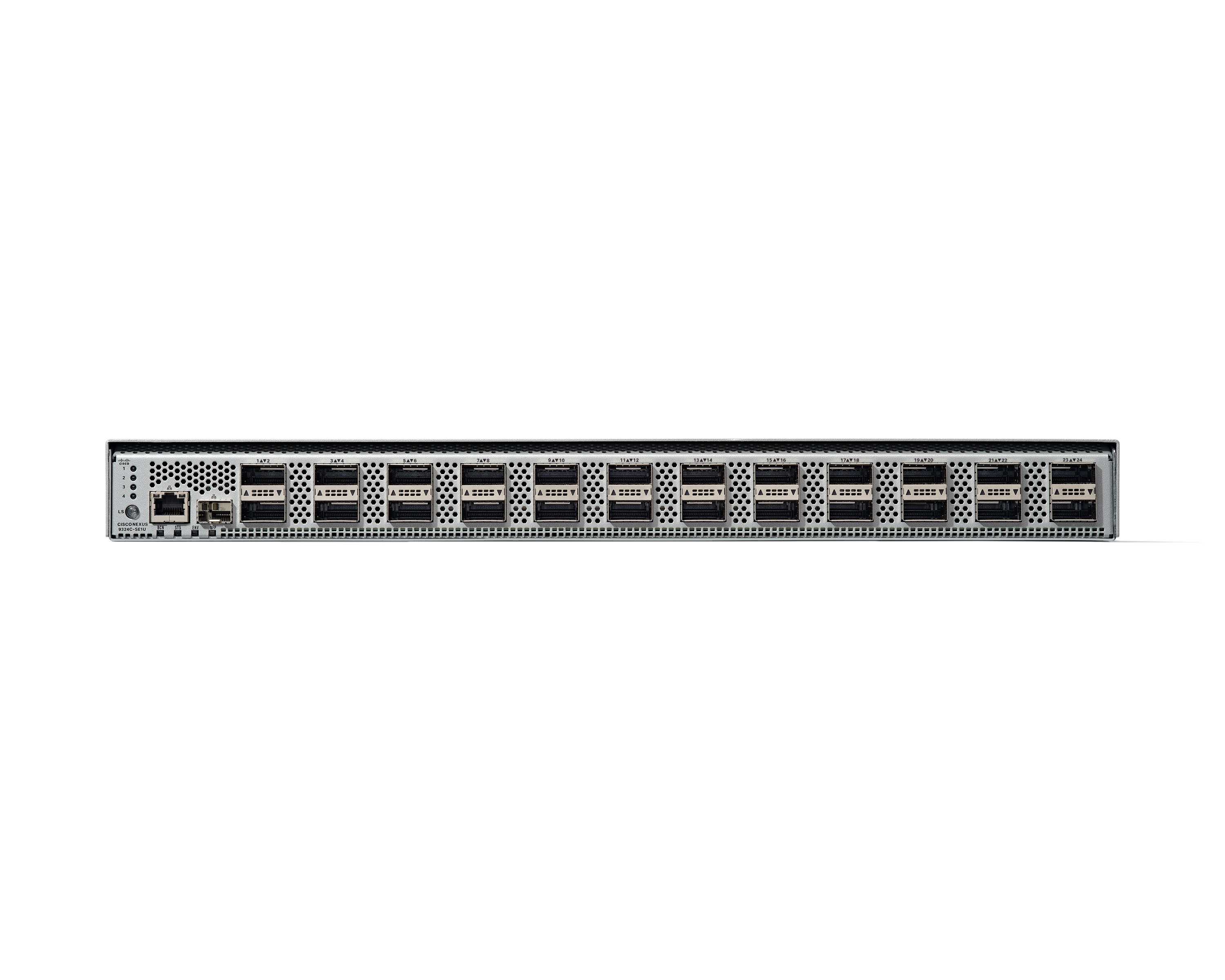
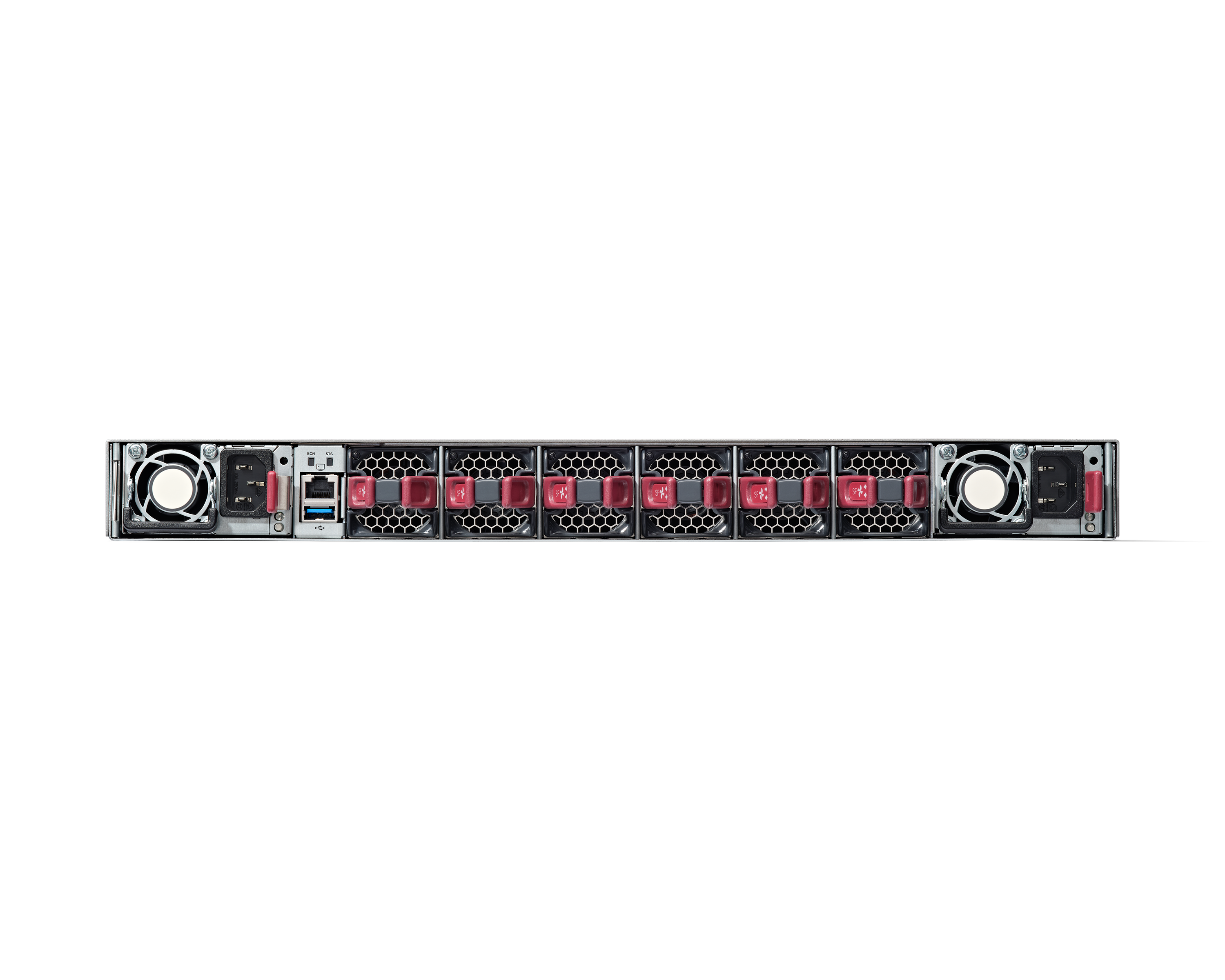
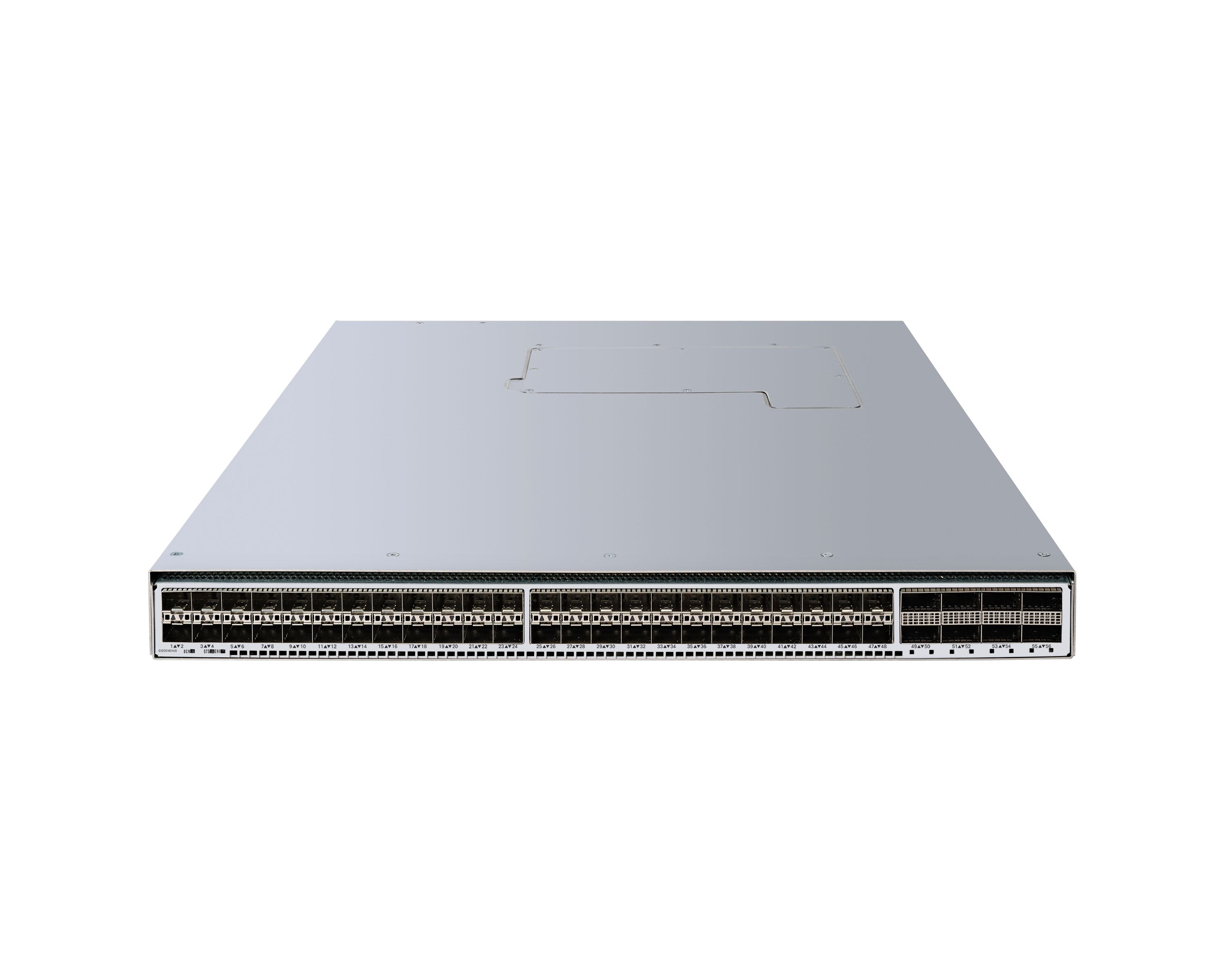
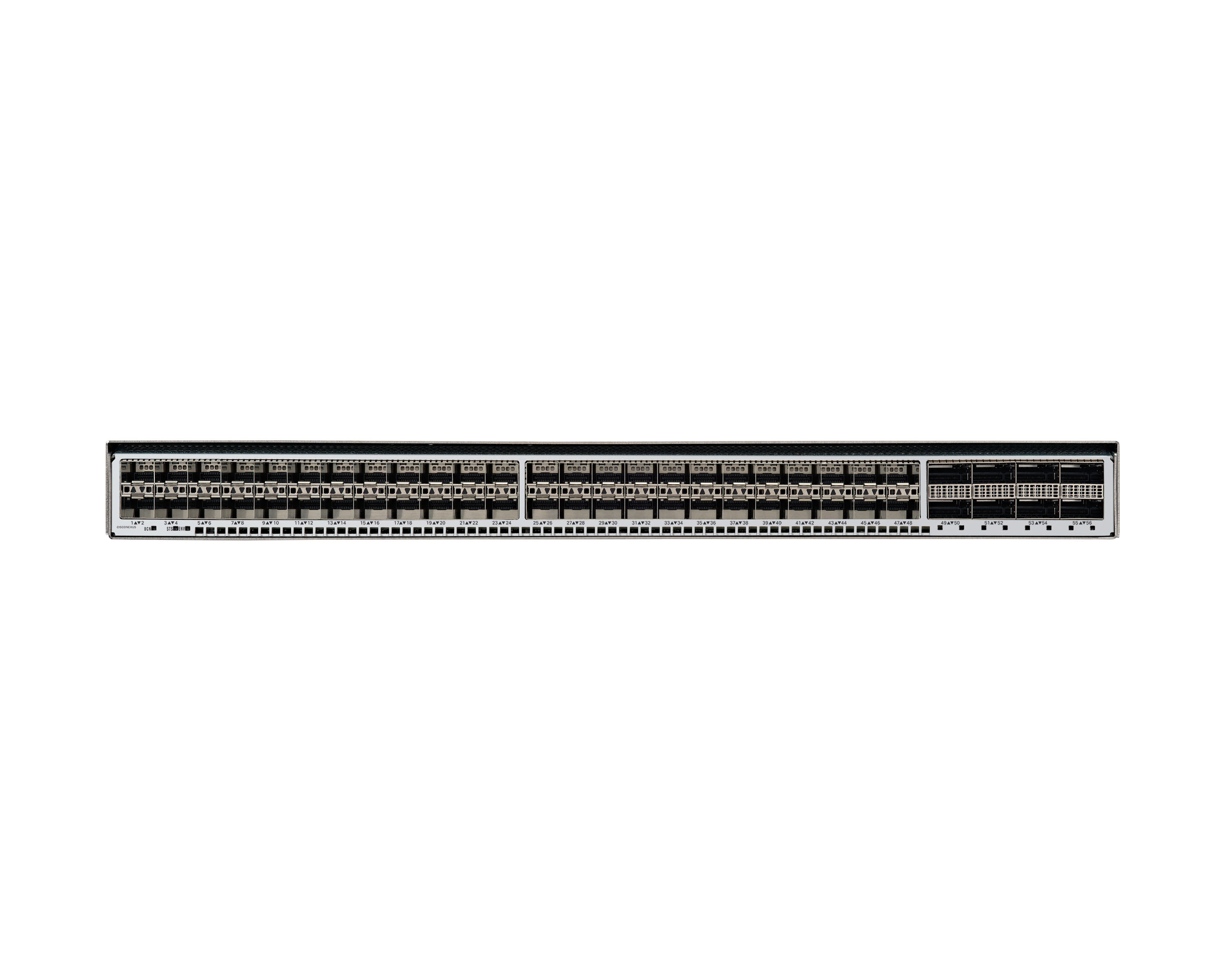
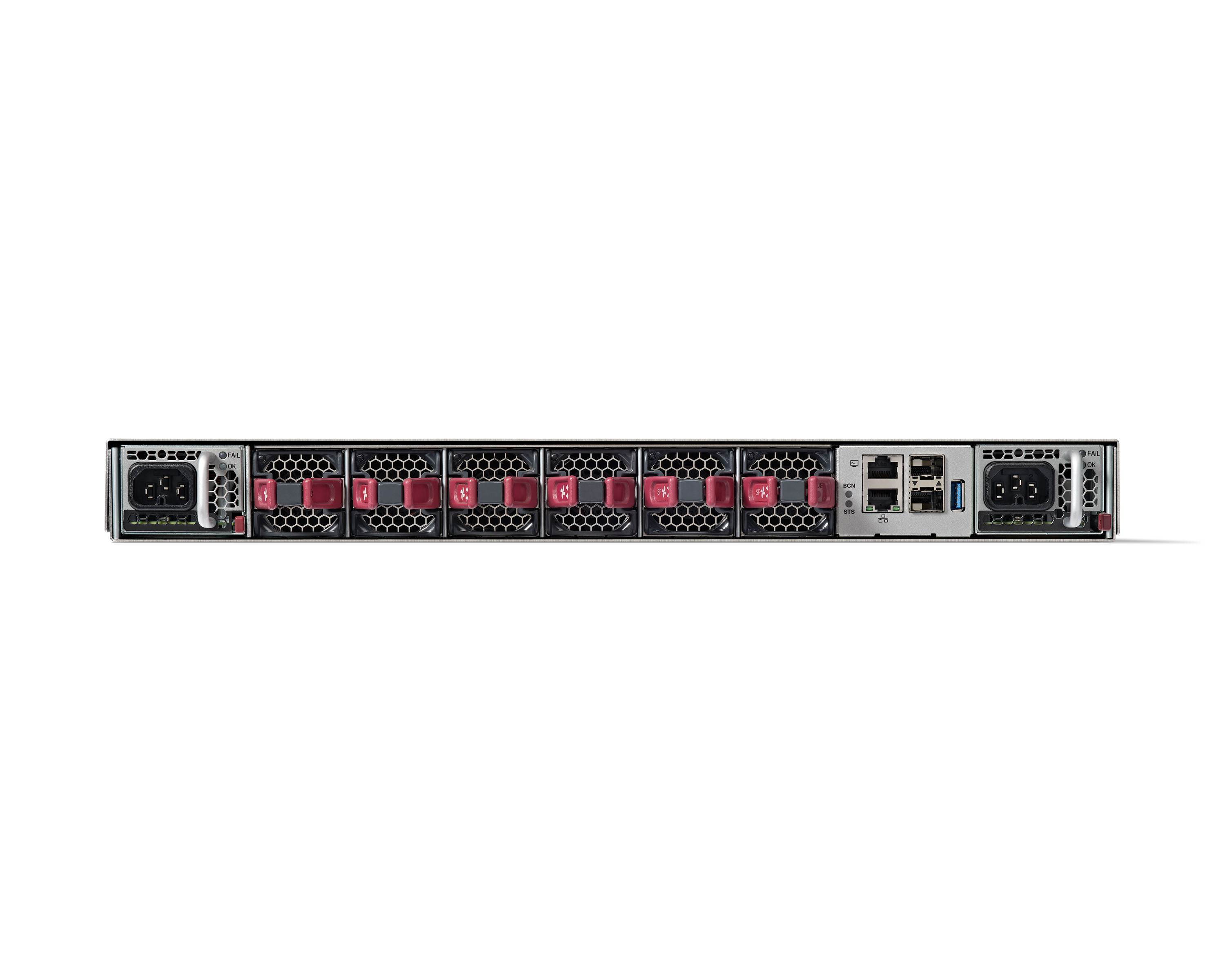
Cisco Nexus Dashboard simplifies data-center networks with automation and analytics. The data-center network helps organizations to meet business demands, and provision reliable data-center networking services as fast as possible, when and where organizations need it. As network infrastructure management is becoming more complex, diverse, and distributed, with multiple configuration points, monitoring tools, and vast amounts of data being generated every second. Cisco Nexus Dashboard is…
N/A
ManageEngine NetFlow Analyzer
Score 8.6 out of 10
N/A
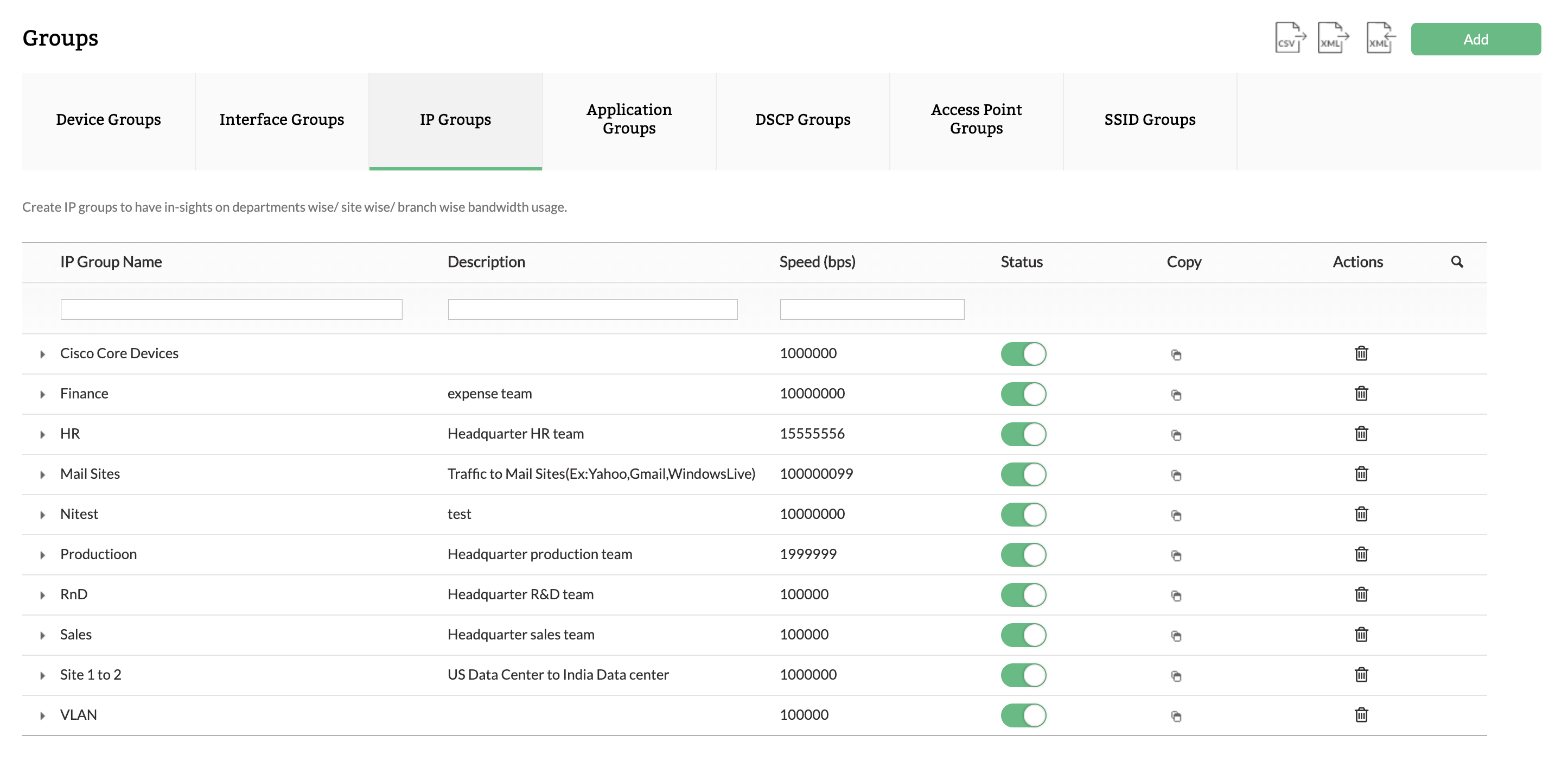
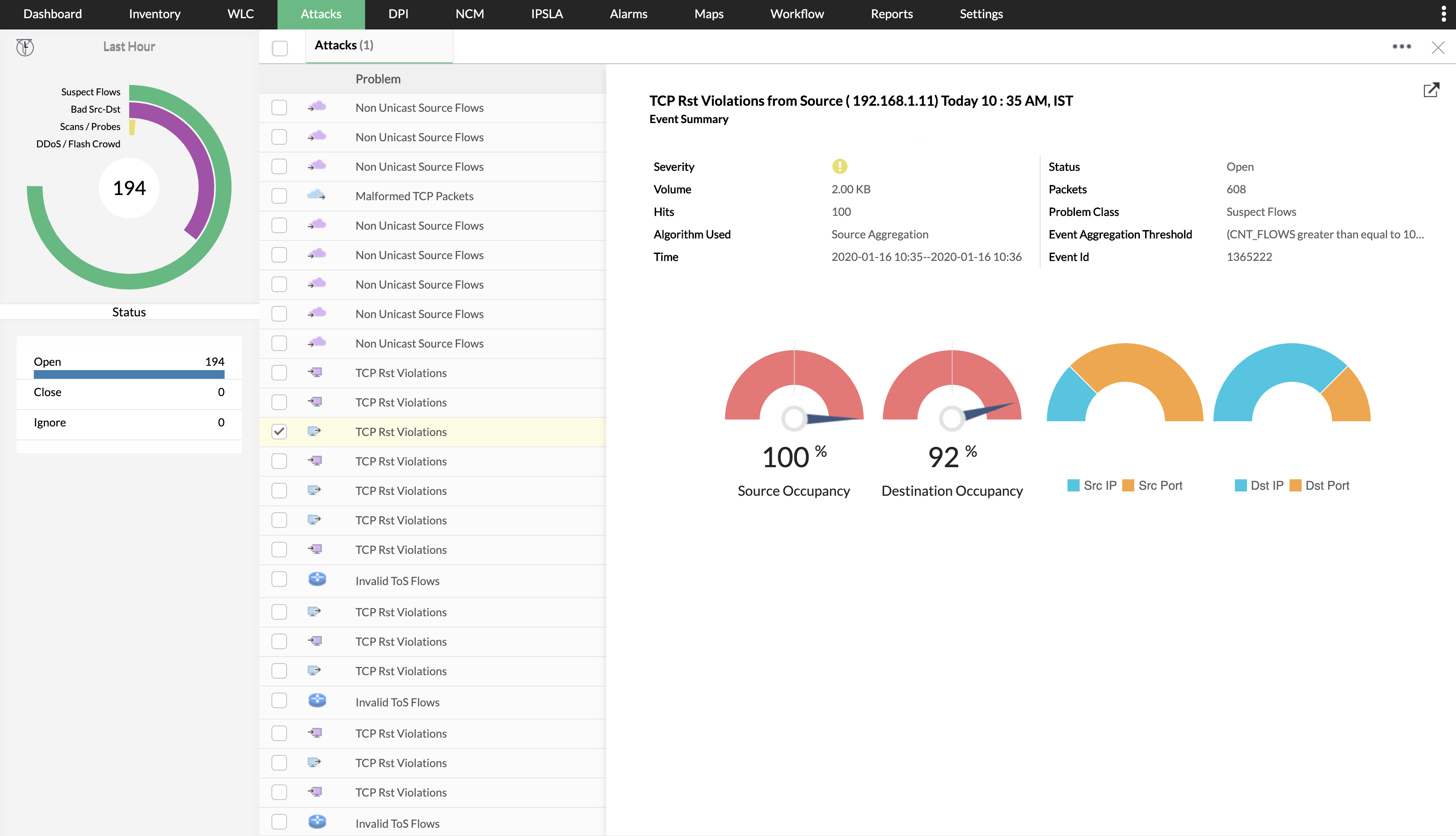
NetFlow Analyzer is a complete bandwidth monitoring tool that utilizes flow technology to monitor and analyze network bandwidth usage. It helps users identify and avoid bandwidth delays and bottlenecks with customized reports, and set threshold-based email and SMS alerts to help understand the severity of an issue. This analytics tool detects, diagnoses, and troubleshoots network anomalies and zero-day intrusions, and plans future bandwidth needs based on application growth to…
Nexus Dashboard is a vital tool for Cisco data center Nexus deployments, in my opinion. By utilizing multiple applications in the suite, a business can utilize orchestration, monitor services and traffic, test deployment scenarios, verify upgrade processes and readiness, etc. The capabilities of the system can allow for SAN MDS controls, traditional Nexus NXOS integration, and/or essential ACI tools
If you need to monitor traffic, this is a good choice of application for the price. It does that very well. If you need to take a deep deep dive into the traffic, you will have to use something else but that is just standard with network troubleshooting... it takes multiple applications to get a complete picture... or a lot of money on 1 application. Beyond that, this application does what it is designed to do and does it very well. So to answer this question directly, this application is well suited for time when you need a high-level view of traffic and not suited well for times when you need to see more detailed information of what exactly is being sent.
It provides monitoring for our overall ACI Fabric which includes the Controller, Spine, and Leaf Switches.
It gives you a single pane of visibility of all of your ACI fabric using Nexus Dashboard, no need to login to each of the multiple ACI fabric controllers.
Provides an assurance analysis to to your ACI fabric before implementing any change in configuration, they have the Pre-change analysis prior to the firmware upgrade.
Gives you the overall health of your Fabric and provides anomaly severity.
Flow Telemetry - Need to overcome the restrictions of 20000 flow/sec. No DataCenter is small enough to pump only 20K flows per second. And we want to use this product for proactive monitoring so we cannot decide on a small segment to monitor flow for beforehand.
Creating tags and label for clubbing certain entities so that we can create customized dashboards to monitor and provide access to Operations team
Scheduled Reports and Reporting capability is lacking
For the end user, it is relatively easy to use. However, some training and practice is a must because the NSO is not as straightforward as the traditional router CLI. For the administrator, Cisco Network Service Orchestrator (NSO) is just like another program running on the Linux system--there is no big difference.
Great and effective automation functionalities and the tools on network security management are the best and easy data reports building. Cisco Nexus Dashboard Fabric Controller feature for the network monitoring and easy management of various services and even offers the best analytics and also powerful integration tools for easy data migration.
The support is always on point, fast, reliable, and their employees go above and beyond to help when we need it. I have yet to call them on any product we use and not get the issue resolved in a fast and timely manner. Also, they are also very pleasant while on the phone and/or in teh email chain. Overall I just couldn't ask for better.
The Cisco Nexus Series switches perform admirably in our blended distributed system. We have been dealing with any of these sorts of switches for over 5 years and have been exceptionally happy with their functionality. Several of our other computer networks in our data rooms have proved effective with Cisco equipment. Because of the simplicity of maintenance and the high quality of technical support provided by Cisco representatives, there is a high level of trust in these switches.
Each of these solutions does what they aim to do. Based off of cost and need, ManageEngine fit better with our organization. We already use multiple ManageEngine products so bundling was a no brainer.
The platform is very well done, and to date, I have had no complaints about the implementation of the platform and no security issues or vulnerabilities. Cisco in all its product releases new versions to resolve security issues or bugs that appear on the platform, this is a big plus.
Because it guarantees us expandable network services and without any interruption, providing a better service to each of our clients has been possible.
It has allowed us to keep the services innovated, doing this process in a reduced time, since it does not require a long programming, so implementing new services is done at a rapid pace.
Its automation has allowed us to reduce the burden of manual configurations, so having errors has also decreased.
Because it is based on an automation and orchestration model, providing faster and larger-scale services is possible.