Chose Cisco Nexus Dashboard
Cisco UCS Manager

| Product | Rating | Most Used By | Product Summary | Starting Price |
|---|---|---|---|---|
 Cisco Nexus Dashboard | N/A | Cisco Nexus Dashboard simplifies data-center networks with automation and analytics. The data-center network helps organizations to meet business demands, and provision reliable data-center networking services as fast as possible, when and where organizations need it. As network infrastructure management is becoming more complex, diverse, and distributed, with multiple configuration points, monitoring tools, and vast amounts of data being generated every second. Cisco Nexus Dashboard is… | N/A | |
 OpenText Network Node Manager i (NNMi) | N/A | OpenText Network Node Manager i is a network management platform acquired by Micro Focus from Hewlett-Packard Enterprise, and now supported by OpenText. | N/A |
| Cisco Nexus Dashboard | OpenText Network Node Manager i (NNMi) | |||||||||||||||
|---|---|---|---|---|---|---|---|---|---|---|---|---|---|---|---|---|
| Editions & Modules | No answers on this topic | No answers on this topic | ||||||||||||||
| Offerings |
| |||||||||||||||
| Entry-level Setup Fee | Optional | No setup fee | ||||||||||||||
| Additional Details | — | — | ||||||||||||||
| More Pricing Information | ||||||||||||||||
| Cisco Nexus Dashboard | OpenText Network Node Manager i (NNMi) | |
|---|---|---|
| Considered Both Products |  Cisco Nexus Dashboard Chose Cisco Nexus Dashboard I understand the tool to facilitate data center operations  Quentin Encina system administrator Chose Cisco Nexus Dashboard Cisco Catalyst Center  Edna Frimpong Founder Chose Cisco Nexus Dashboard I have used Cisco Catalyst 1000 series switches which allow many devices to be run on HTTP. One limitation is that this software can only be used in small companies and environments as compared to Cisco Nexus Dashboard [Insights], which can be used in broader areas and companies.  Christoph Neulinger Senior Network Specialist Chose Cisco Nexus Dashboard We use NetBrain in our legacy network, but as [Cisco] Nexus Dashboard is specially designed for Cisco networks, the level of information gathered from [Cisco] Nexus Dashboard is much deeper than NetBrain. The strength of NetBrain, from my point of view, is in legacy and …  Emma Jones Smith Senior Software Engineering Chose Cisco Nexus Dashboard SAP Data Intelligence is an excellent solution to carry out better management of the data at the enterprise level. It allows the organization and its integration, as well as a data orchestration that makes it possible that the collected data is actionable. However, Cisco … | OpenText Network Node Manager i (NNMi)  Rekha Yadav Development Team Lead Chose OpenText Network Node Manager i (NNMi) Even though there are many products in the market such as from Solarwinds, CA Spectrum (no DX Spectrum), PRTG that offers similar or even with more flexibility the fault and performance monitoring still Micro Focus is a very nice tool when it comes to Scalability and Stability …  Nikhil Kumar Sharma Associate Consultant Chose OpenText Network Node Manager i (NNMi) Micro Focus comes with in built database for store its raw polled data from network devices and hence it is preferred tool compared to others since other tools requires additional efforts and cost involved as compared to Micro Focus. Also the stability of the product is vey … |
| Cisco Nexus Dashboard | OpenText Network Node Manager i (NNMi) | |
|---|---|---|
| Small Businesses | No answers on this topic |  NinjaOne Score 9.0 out of 10 |
| Medium-sized Companies |  Dell PowerConnect Switches (discontinued) Score 8.0 out of 10 |  Intermapper Score 8.4 out of 10 |
| Enterprises |  Cisco Nexus Series Switches Score 9.2 out of 10 |  Cisco Meraki Dashboard Score 9.3 out of 10 |
| All Alternatives | View all alternatives | View all alternatives |
| Cisco Nexus Dashboard | OpenText Network Node Manager i (NNMi) | |
|---|---|---|
| Likelihood to Recommend | 7.7 (0 ratings) | 8.0 (0 ratings) |
| Usability | 9.0 (0 ratings) | - (0 ratings) |
| Performance | 8.8 (0 ratings) | - (0 ratings) |
| Support Rating | - (0 ratings) | 1.0 (0 ratings) |
| Product Scalability | 8.8 (0 ratings) | - (0 ratings) |
| Cisco Nexus Dashboard | OpenText Network Node Manager i (NNMi) | |
|---|---|---|
| Likelihood to Recommend |
|
Rekha Yadav Development Team Lead |
| Pros |
|
|
| Cons |
|
 David Batson Solutions Architect of IT Operations |
| Usability |
|
|
| Performance |
 Rahim Khan DevOps Engineer | No answers on this topic |
| Support Rating | No answers on this topic |
|
| Alternatives Considered |
|
|
| Scalability |
| No answers on this topic |
| Return on Investment |
Emma Jones Smith Senior Software Engineering |
Nikhil Kumar Sharma Associate Consultant |
| ScreenShots | Cisco Nexus Dashboard Screenshots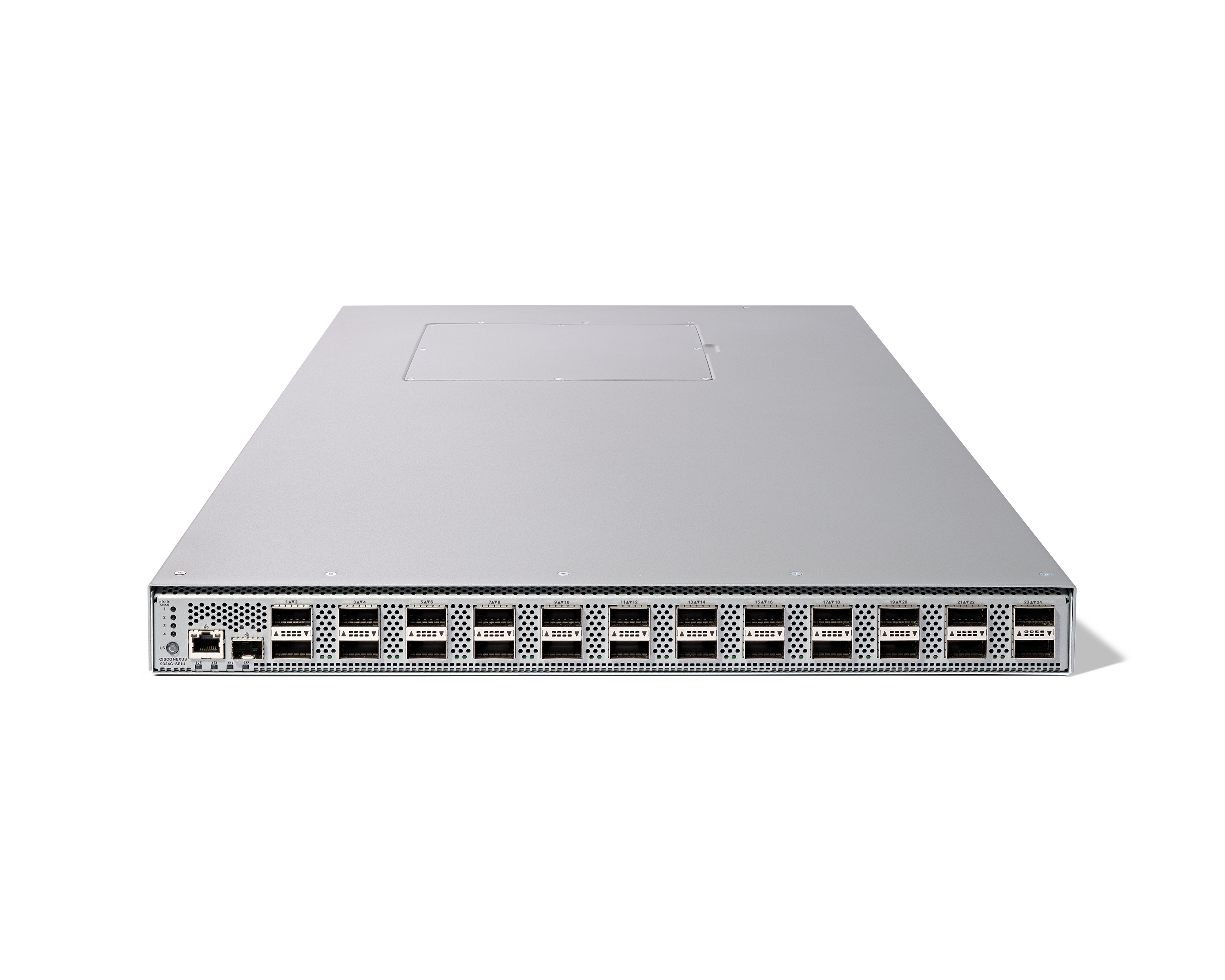 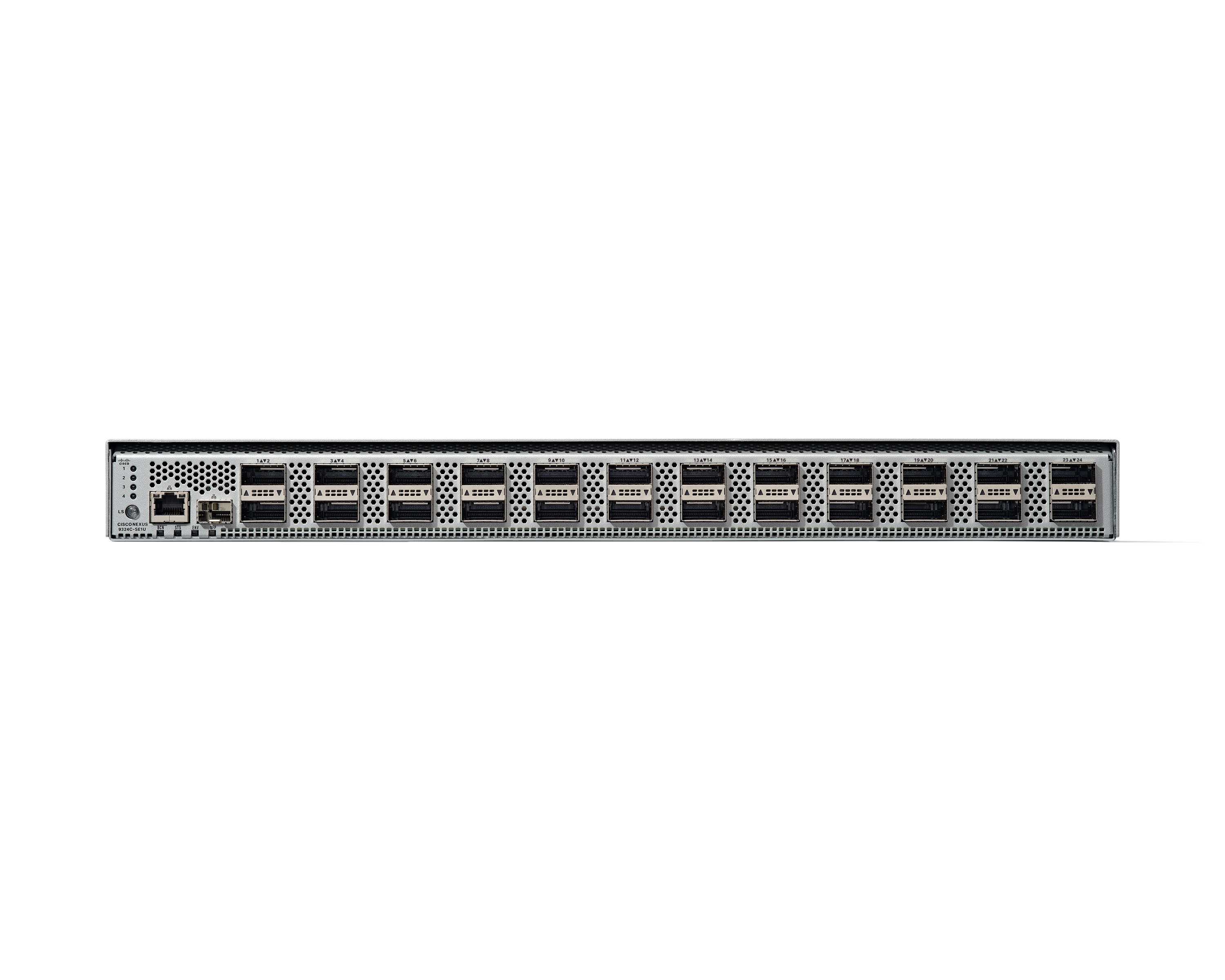 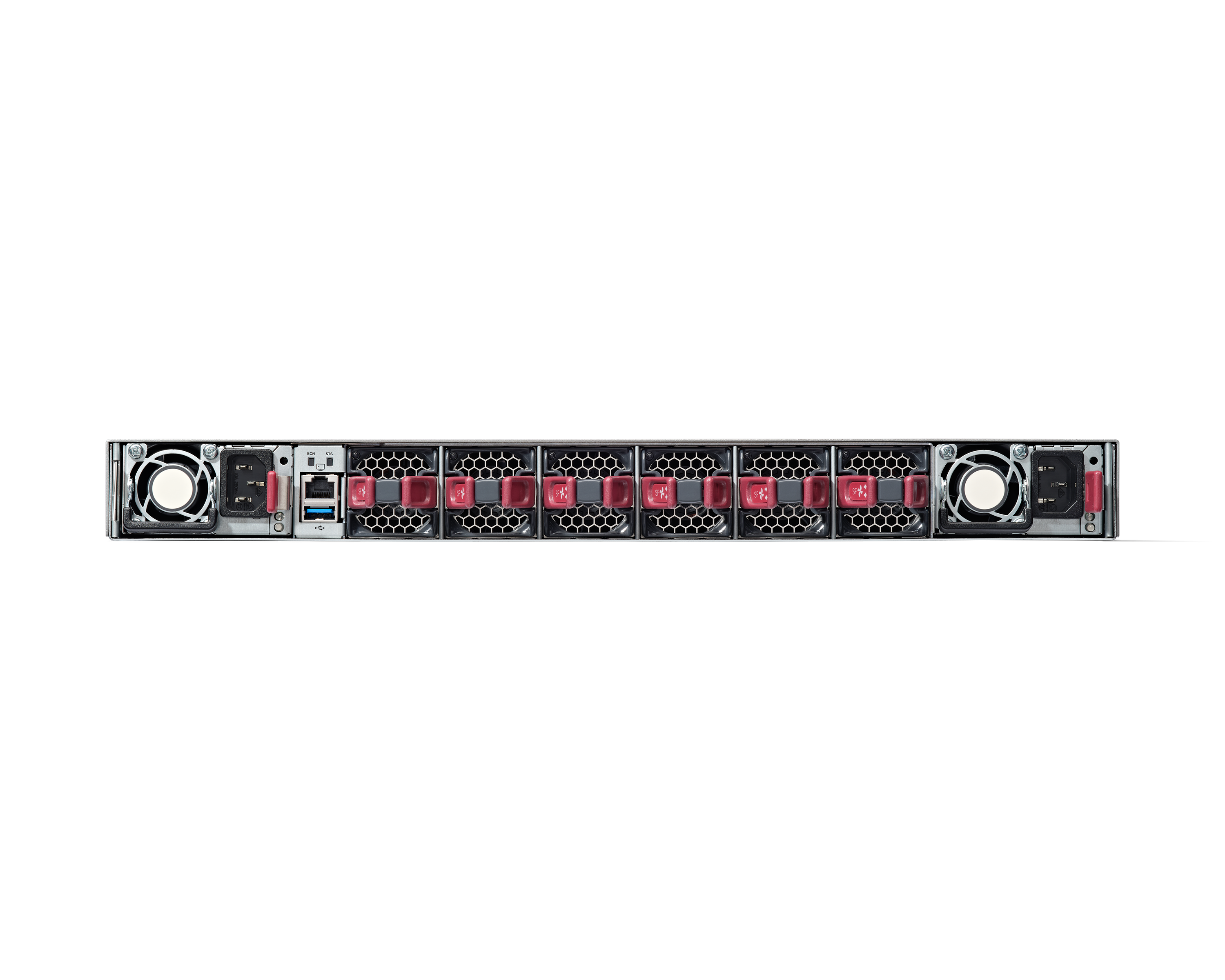 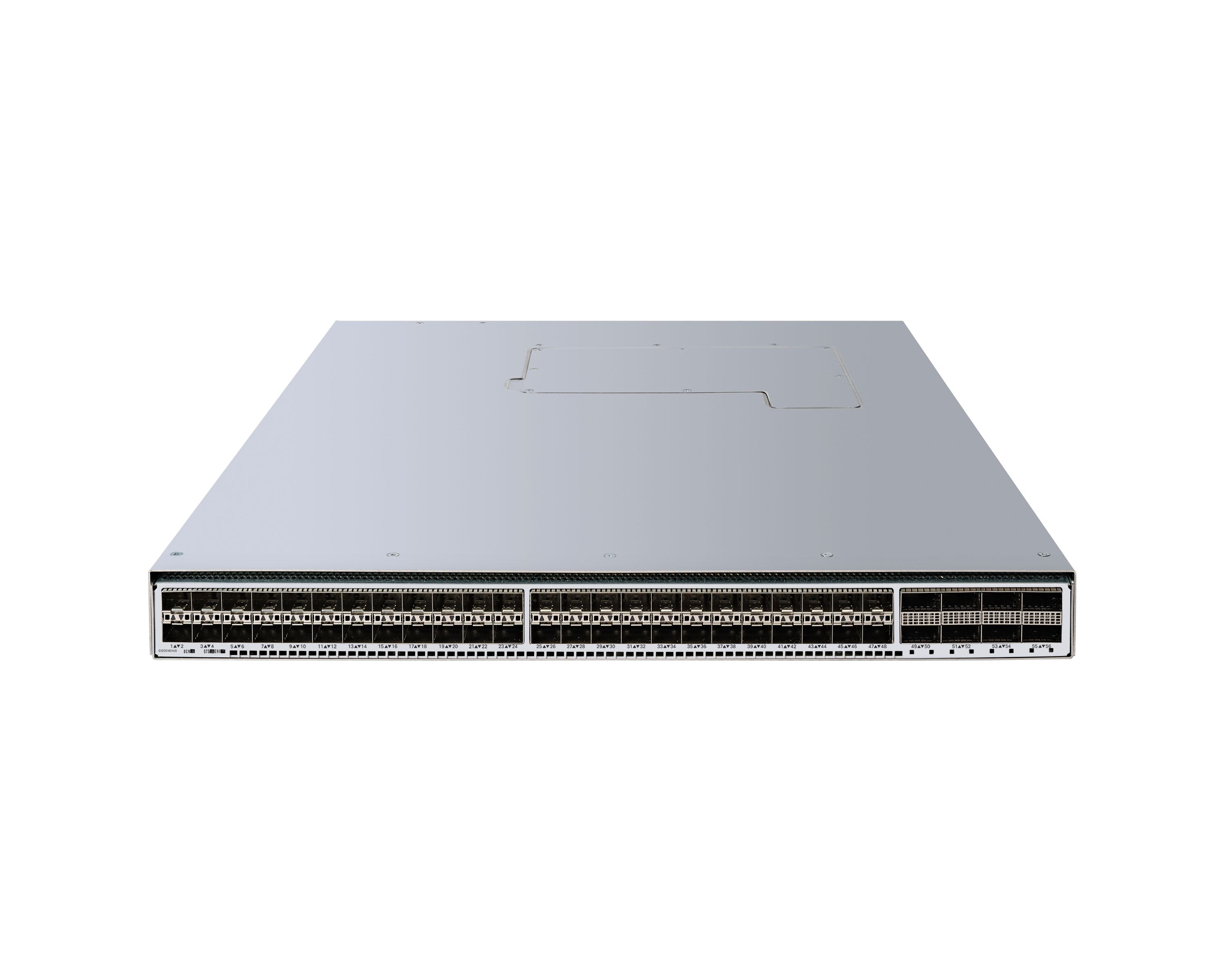 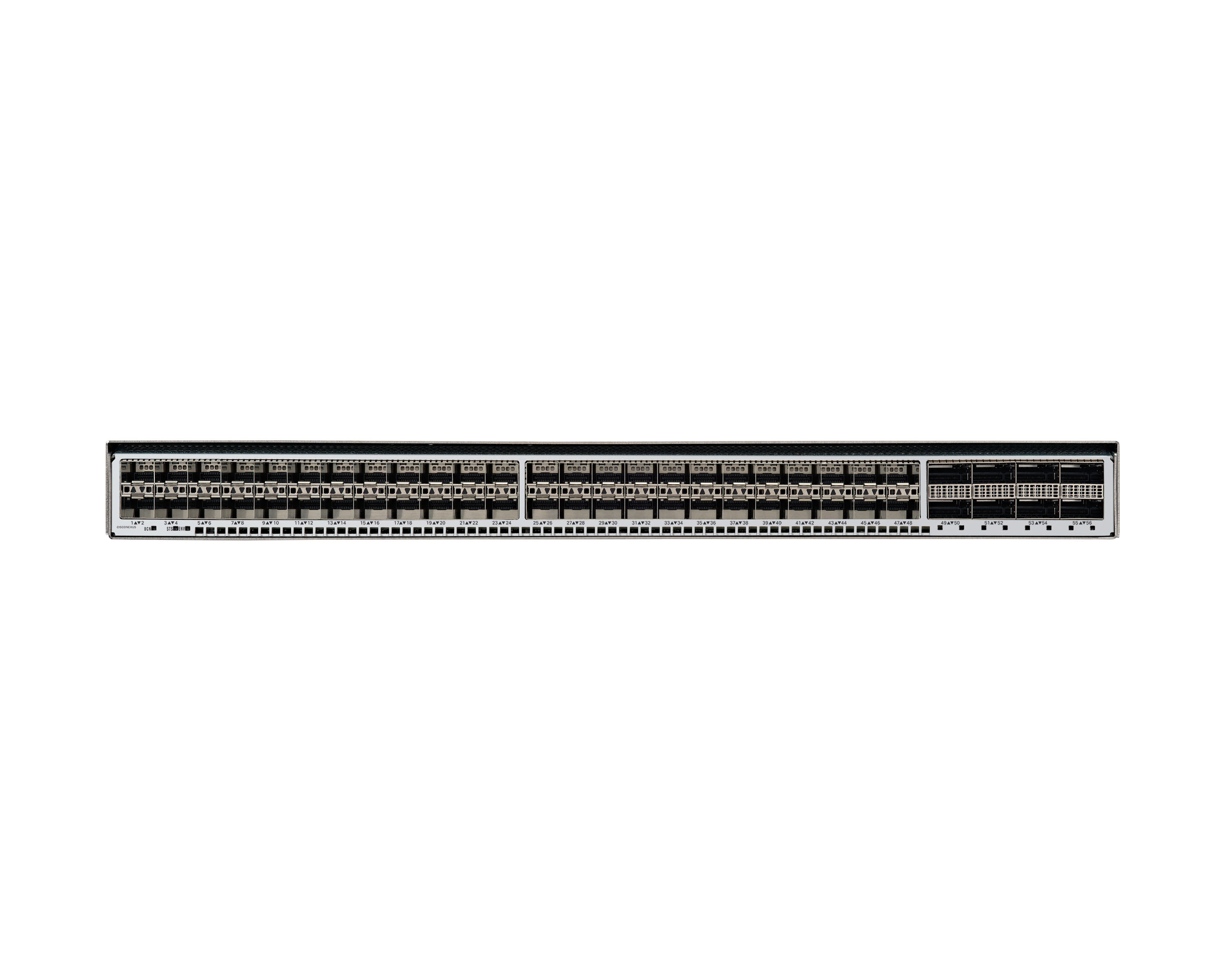 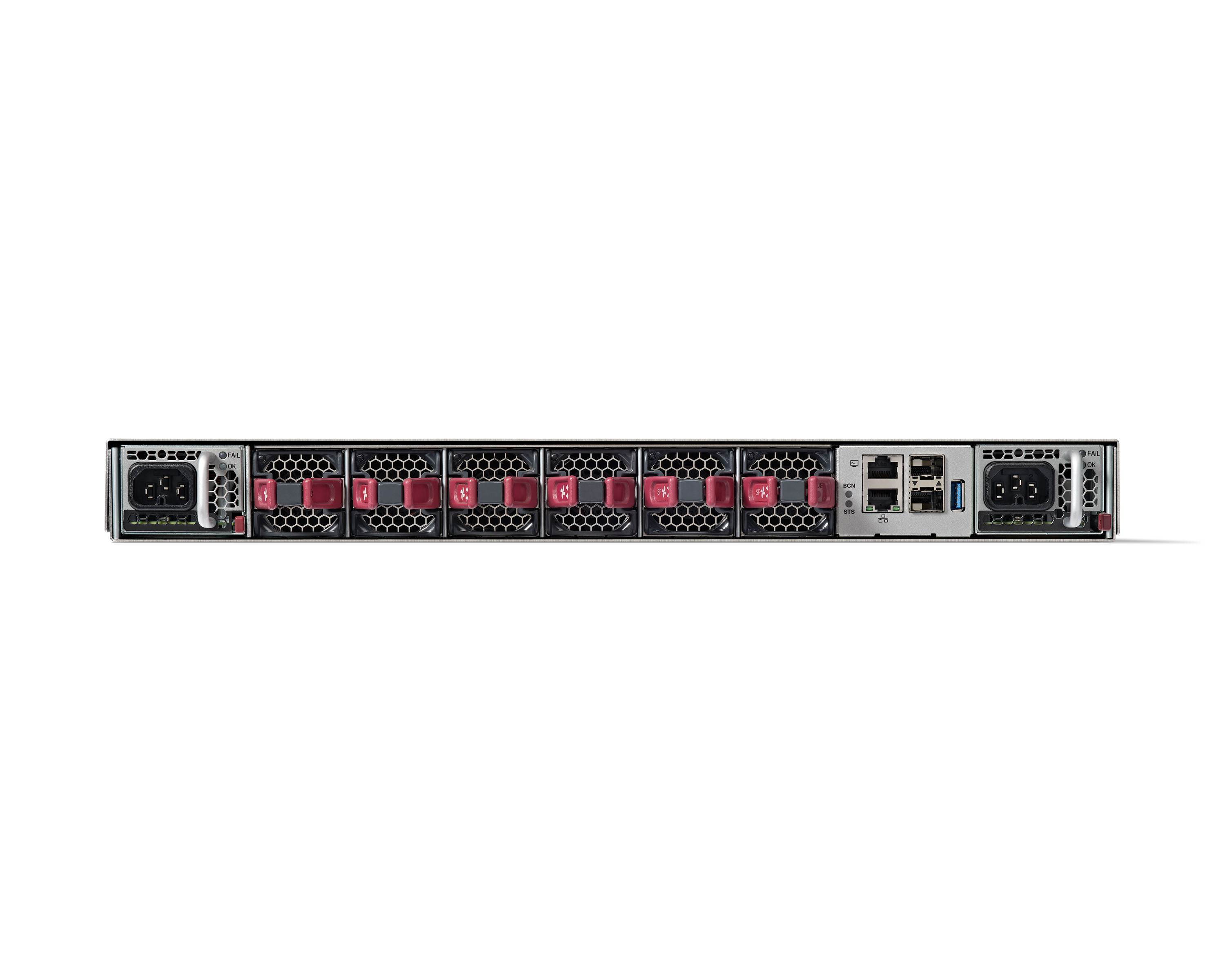 |
