Cisco Secure Endpoint is a comprehensive, cloud-managed endpoint security solution designed to protect devices from advanced malware and cyber threats throughout the entire attack lifecycle—before, during, and after an attack. It offers powerful prevention capabilities to identify and stop threats before they compromise your systems, using multifaceted techniques including risk-based vulnerability management and posture assessments. The solution provides deep visibility and advanced detection…
N/A
Microsoft Defender for Endpoint
Score 8.7 out of 10
N/A
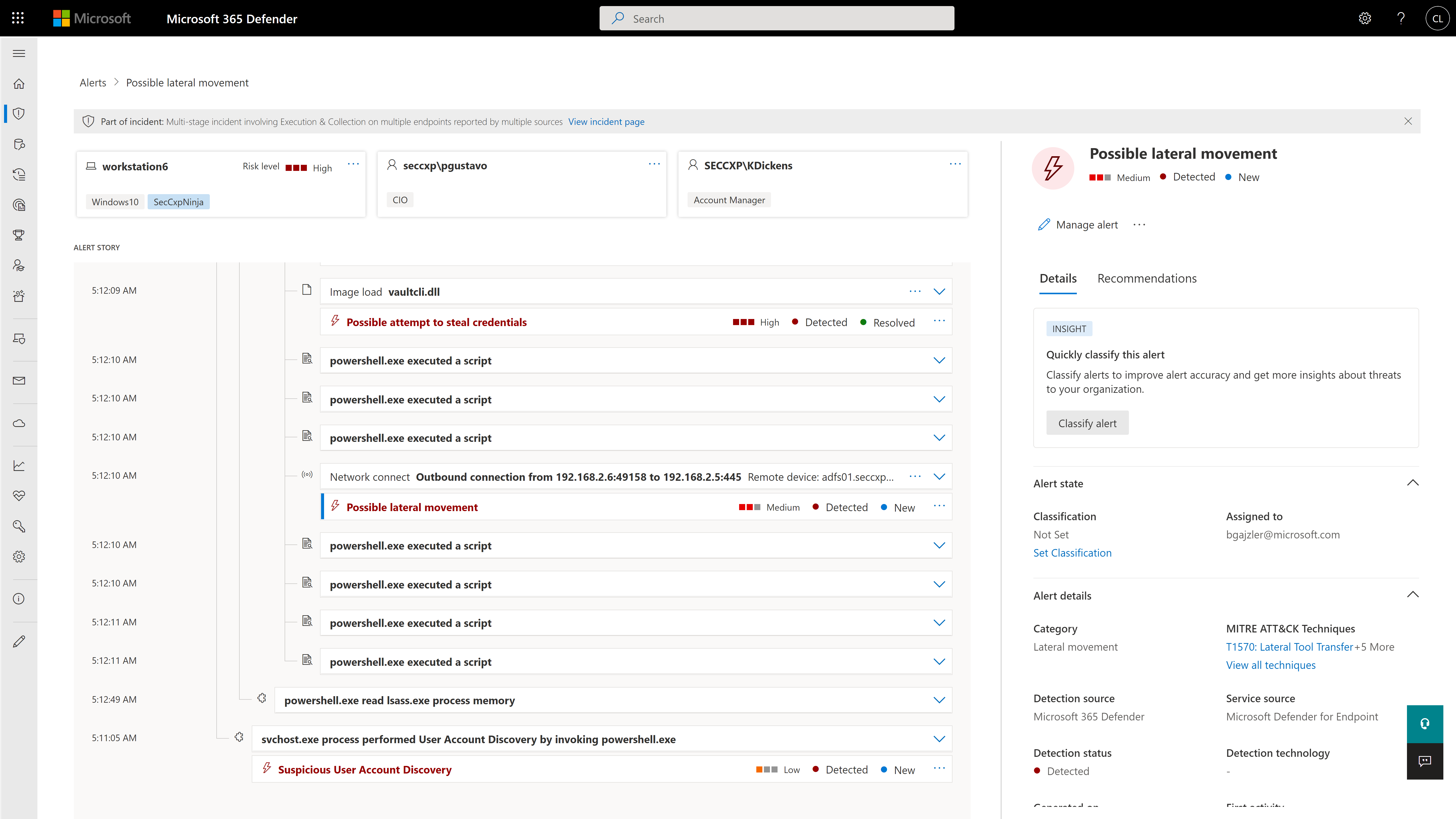
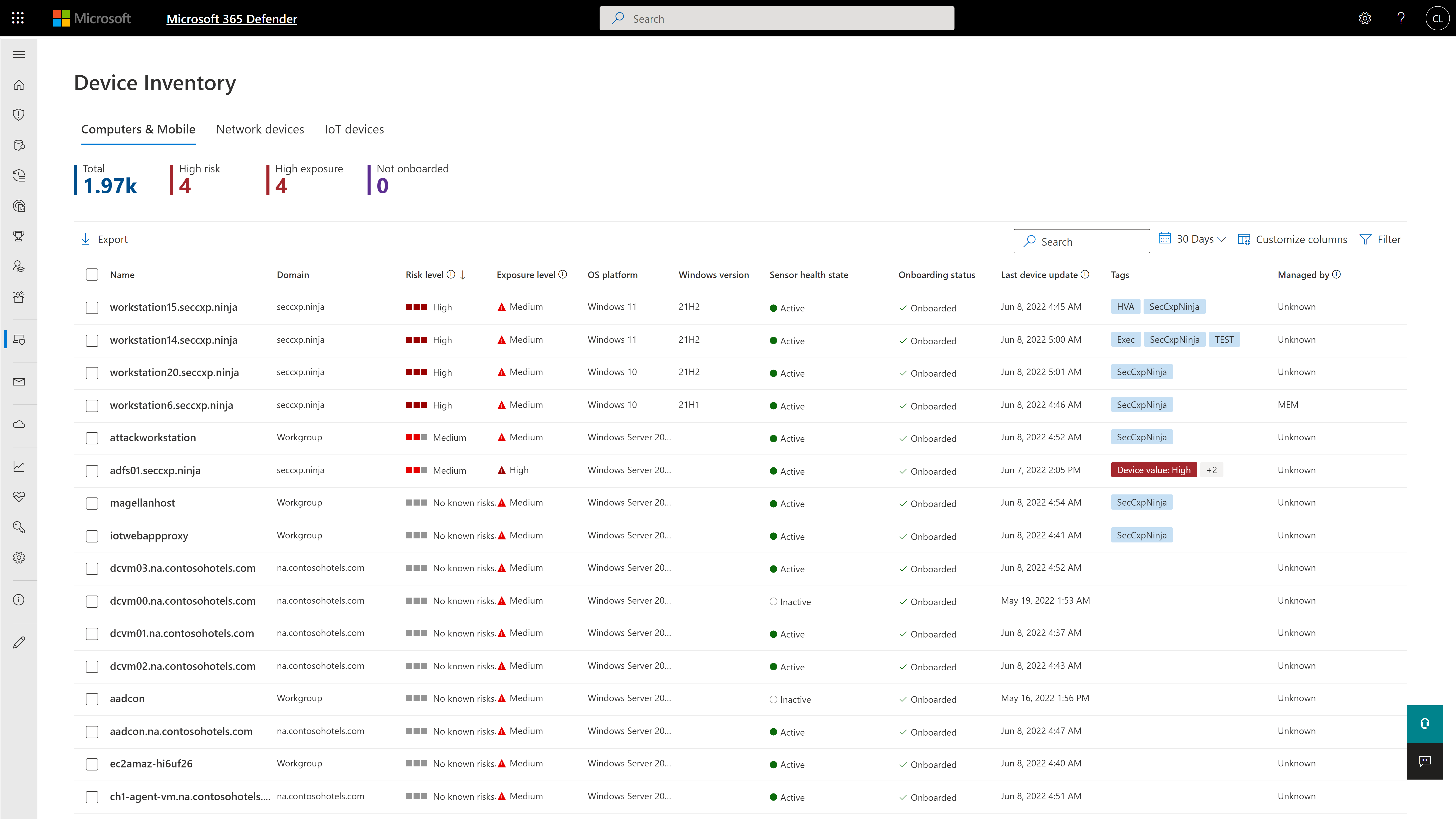
Microsoft Defender for Endpoint (formerly Microsoft Defender ATP) is a holistic, cloud delivered endpoint security solution that includes risk-based vulnerability management and assessment, attack surface reduction, behavioral based and cloud-powered next generation protection, endpoint detection and response (EDR), automatic investigation and remediation, managed hunting services, rich APIs, and unified security management.
$2.50
per user/per month
Pricing
Cisco Secure Endpoint
Microsoft Defender for Endpoint
Editions & Modules
No answers on this topic
Academic
$2.50
per user/per month
Standalone
$5.20
per user/per month
Offerings
Pricing Offerings
Cisco Secure Endpoint
Microsoft Defender for Endpoint
Free Trial
No
Yes
Free/Freemium Version
No
No
Premium Consulting/Integration Services
No
No
Entry-level Setup Fee
No setup fee
No setup fee
Additional Details
—
—
More Pricing Information
Community Pulse
Cisco Secure Endpoint
Microsoft Defender for Endpoint
Considered Both Products
Cisco Secure Endpoint
Verified User
Anonymous
Chose Cisco Secure Endpoint
Cisco Secure Endpoint provides better overall support and detection compared to other products used. Strong visibility and a strong range of tools when researching an issue to find either information or resolution. Dashboards are also a lot cleaner than most products and easier …
Cisco Secure Endpoint is an advanced EDR solution that is highly effective and scalable. Our experience previously with MalwareBytes and Microsoft Defender was not horrible, but these products were not as effective and did not integrate well with our other security products to …
CrowdStrike Falcon, and Sentinel One are other big ones that we use a bit. Cisco Secure Endpoint we've evaluated as well. Cisco Secure Endpoint capability-wise doesn't match up to Defender, SentinelOne, and CrowdStrike both do, but the cost profiles are a bit higher. So most of …
Microsoft Defender for Endpoint has the best integration for us in our (mostly) Windows environment. Also we are using M365 E3 so this already included Microsoft Defender for Endpoint P1. The extra cost for Defender for Endpoint P2 is definitely worth it. You need to see these …
Microsoft Defender for Endpoint offers strong integration with Microsoft 365 and Azure services, which provide a unified security experience. While McAfee Trellix is known for solid antivirus, Microsoft Defender excels in integration in the ecosystem.
Cisco Secure Endpoint is well suited for keeping track of the many different and points that we have in our organization. All of these devices can easily be monitored with Cisco Secure Endpoint. It can monitor our servers and our desktops and laptops in our environment. It isn’t as appropriate for our student devices. However, those aren’t as critical since they are just Chromebooks.
Because of its integration with Windows, it is very easy to deploy and manage. Any IT department should be able to leverage the software and interface. The admin portal provides weighted recommendations that comprise the Secure Store, offering admins, security teams, and business owners valuable insights into their security footprint without requiring a strong security background. The software would be ideal for small and mid-sized businesses that cannot dedicate resources to security. Larger enterprises would also benefit, but may require the enhanced license.
One, it's crazy lightweight, so compared to some of the competitors that we also have used with our security services, it's really lightweight and so I don't have a lot of overhead on the system that it's running on.
So the fact that Defender for Endpoint still works with signatures is actually, I don't know, a little difficult for us because, I mean, since Microsoft trusts those signatures, you can easily inject code. And we've done it many times. To show that you can inject code through vulnerabilities like CV 2013, 99, and 33 but still keep the signature. So because of the trust of those signatures, the malware just kind of slides into the environment without Defender knowing. That's the first part. The second part is that the behavioral analysis is not precisely its Prime. It's not Defender's best capability for endpoints. So, Defender does not identify all behaviors considered by other EDRs in the market.
Microsoft Defender is closely catching -up in market with existing competitors they have added DLP endpoint & DLP Network and Cloud DLP solution last year with OCR capabilities. I would say Microsoft Defender is not legacy Vendor in end point security, the need to learn from other vendors in market and focus on new XDR technologies, which is going to be new battle for all vendors
AMP is very difficult to use compared to other products we've seen. It's hard to understand why there are so many different logins for the various products that supposedly integrate with AMP. We had weekly phone calls for months to implement the product yet none of the IT department really enjoys using this product or feels comfortable with the accuracy of detections. The number of false positives is high.
Because in terms of the usability is easy to understand, it's easy to manage, obviously you need to have specific skills to do that, but I would say that even the console and the product is walking through the flow that you are looking for on this console.
Microsoft Defender for Endpoint chugs along just fine no matter what we throw at it and what systems it's running on. It doesn't take up a lot of resources either, so that's welcomed.
In terms of technical support for Cisco Secure Endpoint, the support has been pretty good. All the cases I submitted were solved in a reasonable time frame, and it was a good experience. However, I find that not as many vendors have the expertise I would expect.
Overall support is really good for this product. Since it's a Microsoft product, you will get good support from a number of different resources, including knowledgebase articles on the web, support from Microsoft technicians, and documentation (which tends to very thorough). Also, there is a vast user support community for this product, so user support forums would also be another valuable channel to get help if needed. I don't envision too many people will have issues/problems with the product, as it tends to run good overall.
Deployment was handled by our team here and everything went pretty smoothly. We did have a few hiccups in our test group, but that only took a bit to get ironed out.
Other products we use were, I think, well, nothing like Cisco Endpoint. There was Microsoft Defender. I think Sophos and CrowdStrike. I think the visibility and the security. We haven't had any issues with the system. Once it's been implemented, it works fine. The enhancements that come into play, we're benefiting from them. We're benefiting from the Telos threat intel, which is really good as well
Microsoft Defender for Endpoint offers strong integration with Microsoft 365 and Azure services, which provide a unified security experience. While McAfee Trellix is known for solid antivirus, Microsoft Defender excels in integration in the ecosystem.