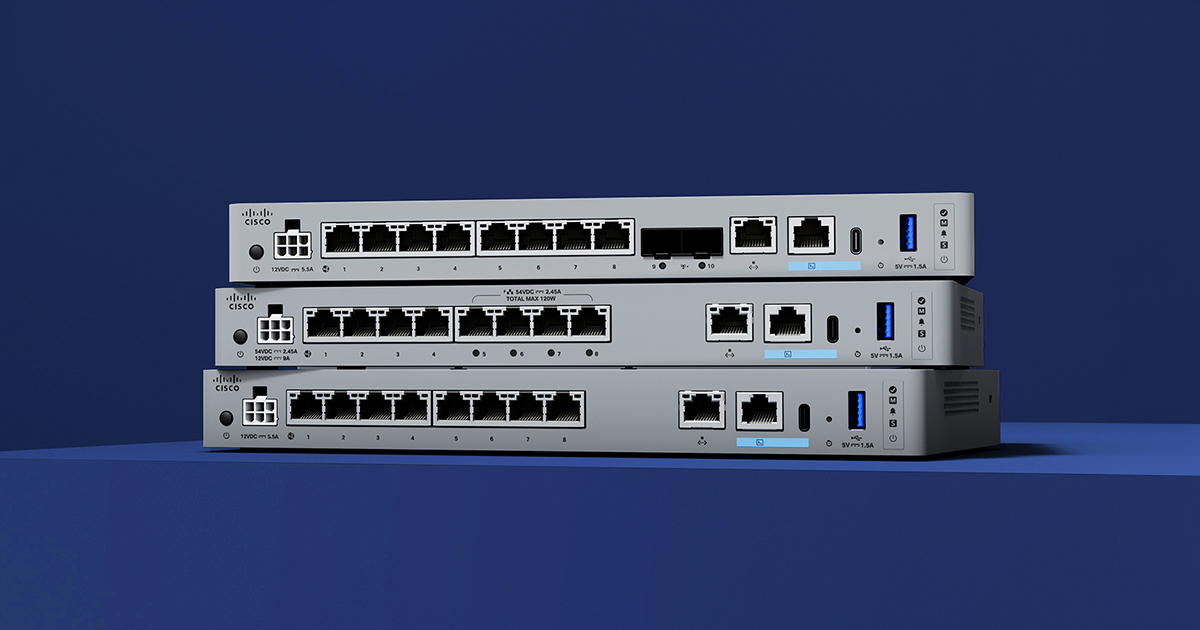
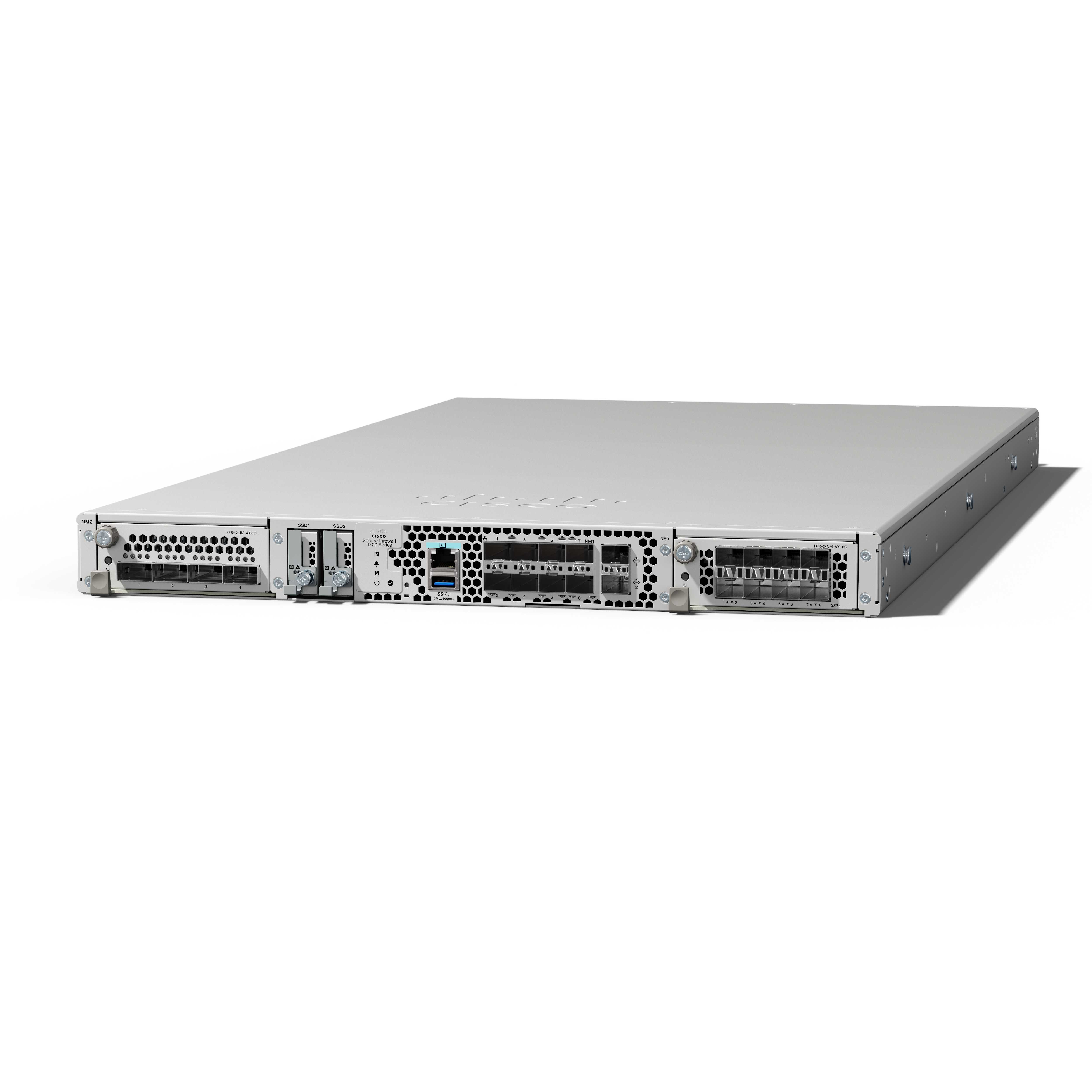
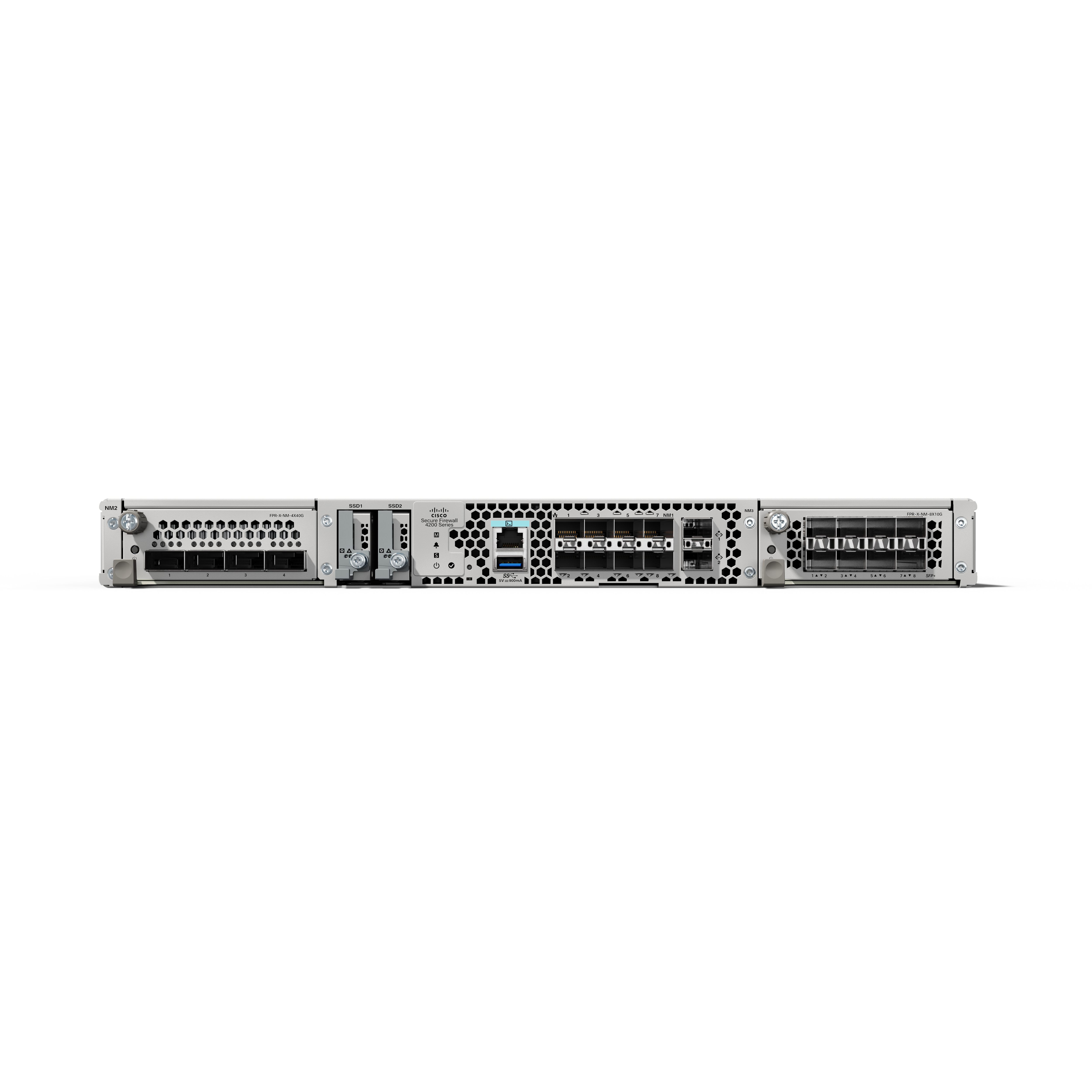
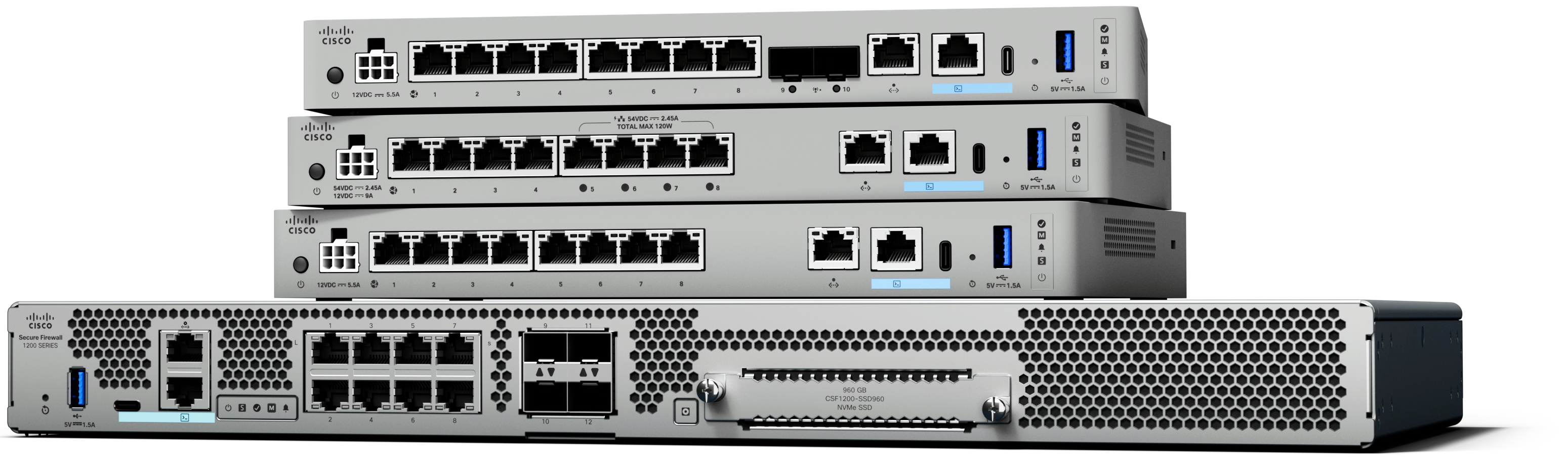
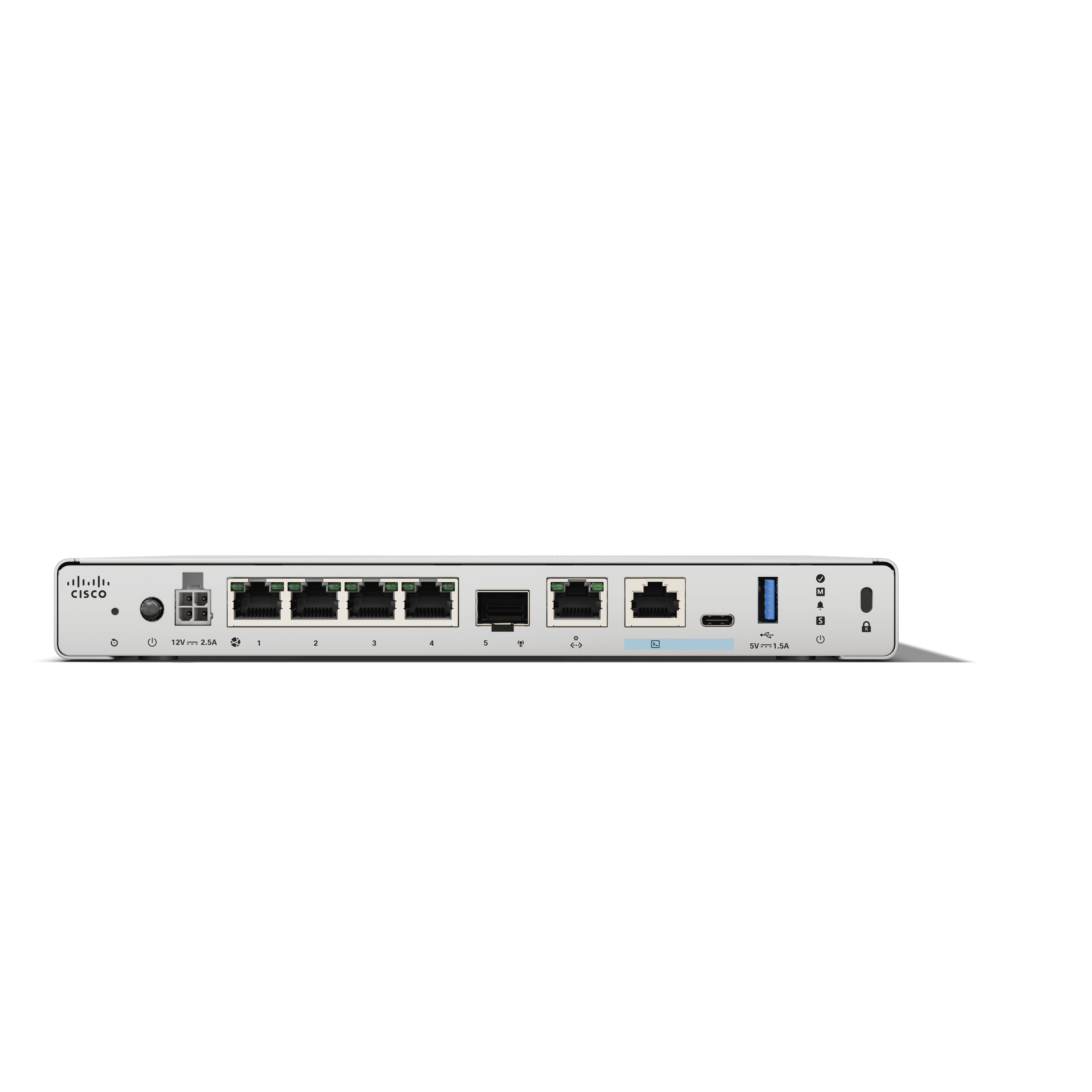
Cisco Secure Firewall delivers comprehensive threat protection for modern, distributed networks. Built to support hybrid workforces and multicloud environments, it enables Zero Trust access, application visibility, and secure remote connectivity. With integration across the Cisco Secure portfolio, including SecureX and Talos threat intelligence, the firewall powers organizations to detect and stop more sophisticated threats. Centralized management simplifies policy enforcement, orchestration,…
N/A
pfSense
Score 9.9 out of 10
N/A
pfSense is a firewall and load management product available through the open source pfSense Community Edition, as well as a the licensed edition, pfSense Plus (formerly known as pfSense Enterprise). The solution provides combined firewall, VPN, and router functionality, and can be deployed through the cloud (AWS or Azure), or on-premises with a Netgate appliance. It as scalable capacities, with functionality for SMBs. As a firewall, pfSense offers Stateful packet inspection, concurrent…
$179
per appliance
Pricing
Cisco Secure Firewall
pfSense
Editions & Modules
No answers on this topic
SG-1100
$179
per appliance
SG-2100
$229
per appliance
SG-3100
$399
per appliance
SG-5100
$699
per appliance
XG-7100-DT
$899
per appliance
XG-7100-1U
$999
per appliance
XG-1537
$1,949
per appliance
XG-1541
$2,649
per appliance
Offerings
Pricing Offerings
Cisco Secure Firewall
pfSense
Free Trial
Yes
No
Free/Freemium Version
No
No
Premium Consulting/Integration Services
No
No
Entry-level Setup Fee
No setup fee
No setup fee
Additional Details
—
—
More Pricing Information
Community Pulse
Cisco Secure Firewall
pfSense
Considered Both Products
Cisco Secure Firewall
Verified User
Anonymous
Chose Cisco Secure Firewall
It's more reliable and the level of Cisco support can not be compared.
pfsence is a very complicated firewall and there is lots of documentation available on Cisco website for help. The configuration is very difficult and less documentation available. Cisco Secure Firewall provides us all the security features in low cost and this is very easy to …
The software offers advanced firewall solutions from Web threats management to behavioural analytics and comprehensive application security. Cisco Secure firewall software is incredibly easy to deploy and implement. Customer support services providers are concise and very responsive. Integration and customization of the software are exceptional. The product boasts impressive capabilities, enabling it to stop threats and manage all security flaws in real time.
pfSense is incredibly budget friendly and capable for organizations of all sizes. My specific scenario, working for a non-profit organization, requires budget consciences decisions without compromising security and function. pfSense has helped tremendously in accomplishing this. It specifically tackles advanced routing, static routing, remote access, intrusion prevention, in a single platform, mostly available for free.
It's good at segregating networks and ensuring that you only give the access that you need to give. Especially with medical devices, you want to only give the access that they need and keep them in their own separate areas so that they can't just communicate with the rest of the network. It's also good at the border for keeping attackers out of the network.
Easy to use. Good user interface design! Easy to understand and easy to set up.
Lower hardware requirement. 3 years ago, we used an old PC to run it. Now, we have changed to a router device with Celeron CPU and 8GB RAM. It runs smoothly with a 1000G commercial broadband.
I have one argument, failover scenario. It's not quite easy. Failover scenario of firewalls. It's sometimes not quite easy to know the issue. But if we open a tech case, a technical case to Cisco, Cisco will help us, it's a little bit con, but we are happy with this product.
There is no API for making changes. This can be a hindrance in environments where auto-deploying something needs firewall rules or HAProxy configs updated. Since all settings are stored in an XML file and then configs are generated from that, even manually updating config files cannot be done.
Beware that some network cards can have issues. pfSense is based on FreeBSD, so it's best to look on their compatibility list before deploying.
It works really well. We can do most anything we want or need to with it, and you don’t have to have a doctorate or multiple certs to necessarily figure it out. The thing that would probably have to happen to make us switch would be if we just got priced out - Cisco’s more powerful and higher bandwidth models cost a pretty penny.
The platform is powerful and feature-rich, especially when paired with tools like Firepower Management Center (FMC) and SecureX. The policy structure is logical, and the visibility into traffic flows, threat activity, and rule hits is quite strong once you're familiar with the interface
pfSense can be a very elementary firewall but can also be as comples as you want, according your needs. I'd always reccomend a HA solution when used in a company and, for bigger companies, commercial license is recommended. It's also very adptable to everyone's needs.
As for the availability, in general we did not experience any issues with it, neither in situations where there's only one physical device implemented nor when there's and High Availability pair. Failover works like a charm, no complaints here, it works as it should and so far it has been highly reliable.
Our experience with Cisco TAC support for Cisco Secure Firewall has been very good. The support engineers are knowledgeable about the product and have many tools available to them to work "under the hood" of the firewalls or management center. When we've had equipment failures, the RMA process has been simple and straightforward.
was a good training but questions was answered not so good. Training was "Fundamentals of Cisco Firewall Threat Defense and Intrusion Prevention (SFWIPF)".
Our initial implementation was aided by Cisco's professional services and was excellent. The engineer was very knowledgeable and helped us work through issues while building out our new internet security edge Part of this involved tools to migrate the firewall configuration from old to new.
Cisco Secure Firewall works better with the Cisco ecosystem when we can utilize it and feels beefy enough when we utilize it in the data center. The Fortinet we have found are great, small cost boxes for remote offices with a better UI then Cisco Secure Firewalls. The feature set included with the firewalls feels similar from a security point of view.
PFSense is not a fully featured and supported enterprise-grade solution; however, it does offer a lot of similar functionality at a fraction of the cost for more minor requirements.
Cisco Secure Firewall gives details on the possible intrusions attempts that are occurring on the network, which gives stakeholders confidence that the network is being protected.
Cisco's reputation as a longstanding network leader provides the trust that is needed in keeping networks secure.
The wide variety of tools and features that Cisco Secure Firewall provides allows business owners to plan for changes that can occur in the network as Cisco is able to adapt to the different needs.
pfSense has only had positive impacts on our company. We are not a huge company so not having to buy licenses to get all these features have been excellent.
I was not around when our current sysadmin decided to use pfSense, but I am assuming from day one it was probably a 100% return on investment since it does everything we need it to and it was open source software.