Codeship from CloudBees is a build automation platform from the Austrian company of the same name.
N/A
HashiCorp Packer
Score 10.0 out of 10
N/A
HashiCorp Packer automates the creation of machine images, coming out of the box with support to build images for Amazon EC2, CloudStack, DigitalOcean, Docker, Google Compute Engine, Microsoft Azure, QEMU, VirtualBox, and VMware.
Codeship is easier to use than Jenkins because it does not require you to set up your own server, and it provides a large amount of out-of-the-box integrations for version control systems and cloud environments. AWS CodePipeline is native to AWS and cannot deploy applications …
Codeship has been easier for our devops team to work with as far as making delivery plans and build scripts. Anecdotally, it has been more stable over time, cutting down on time investigating why some random part of the delivery process has broken. I am not sure why this is, …
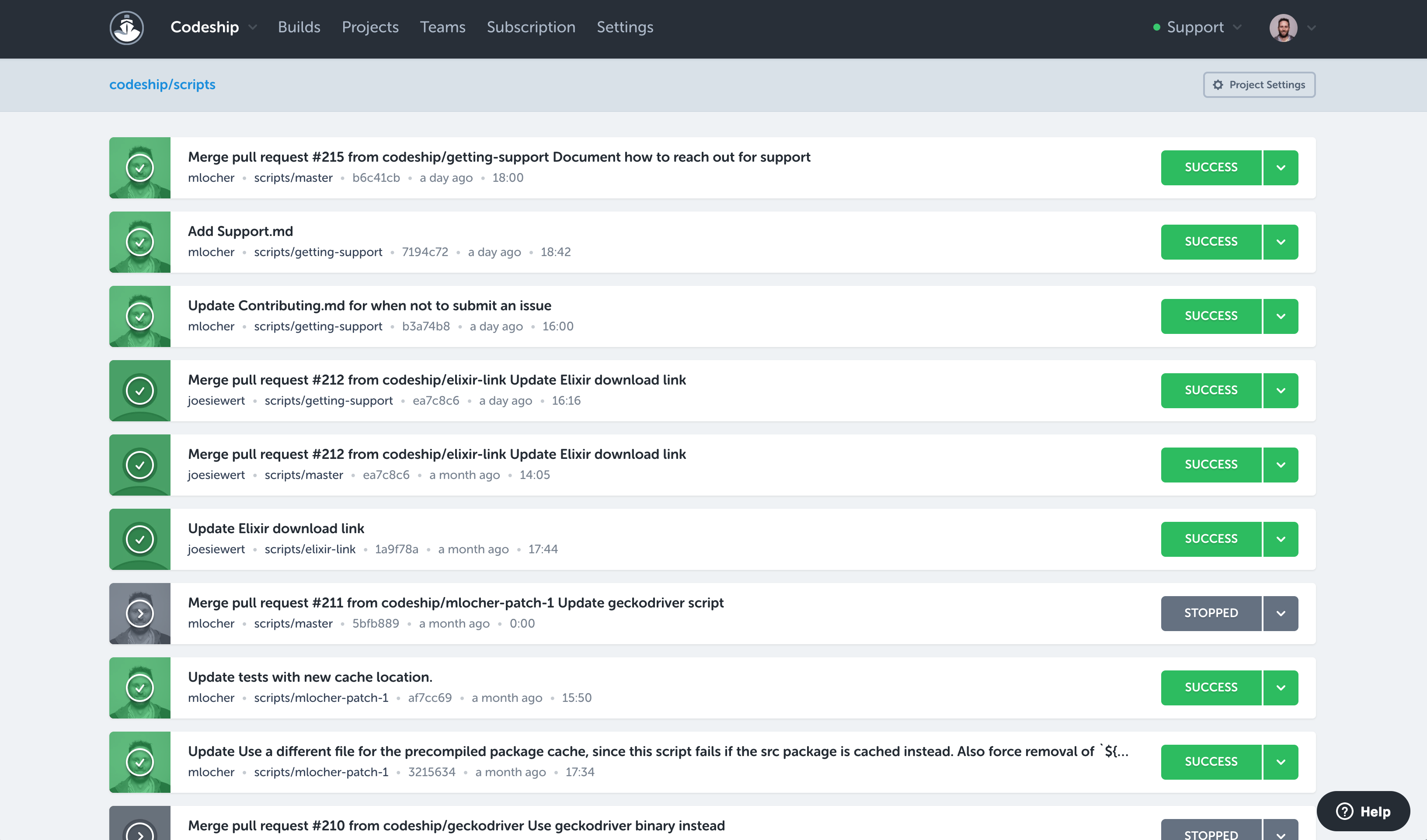
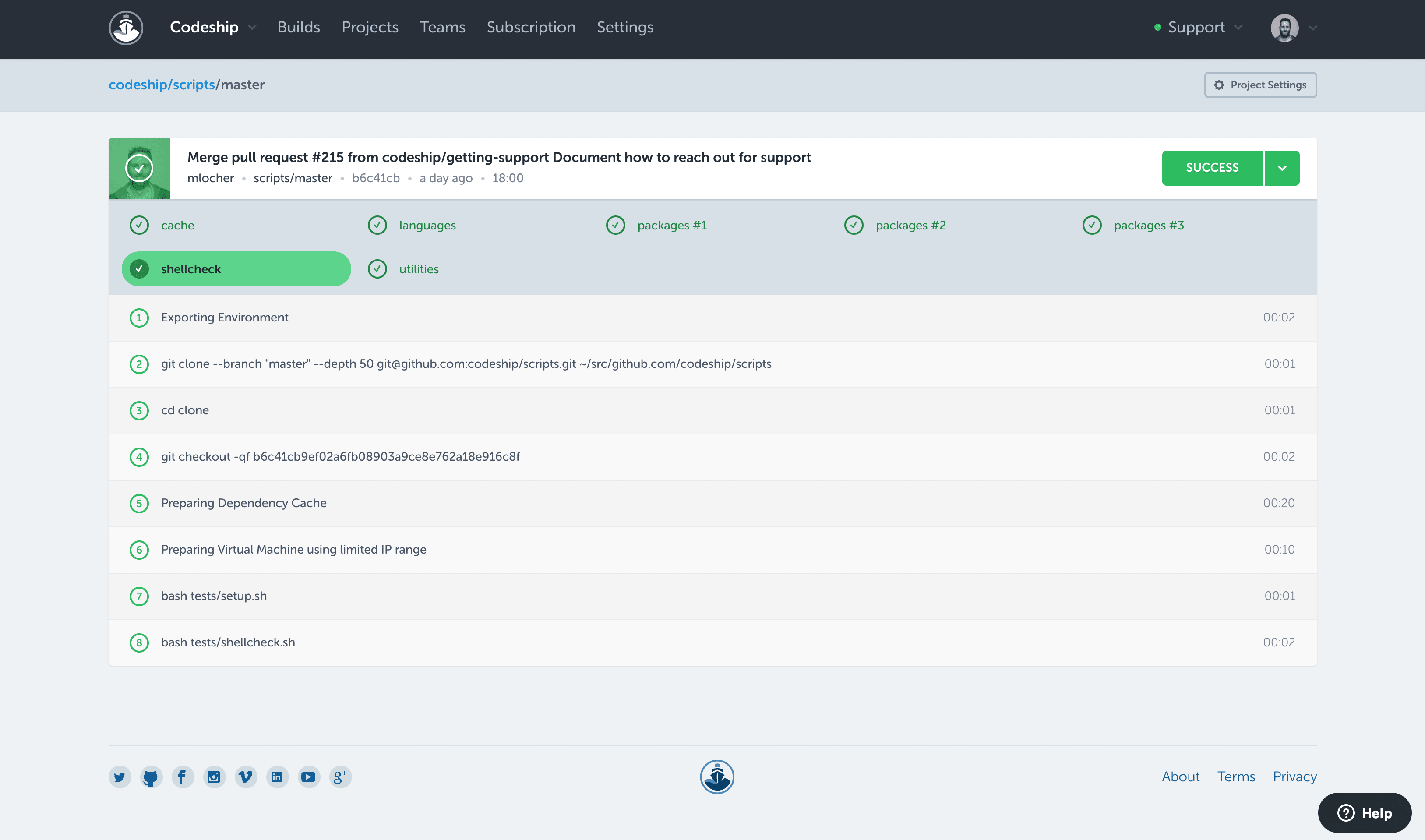
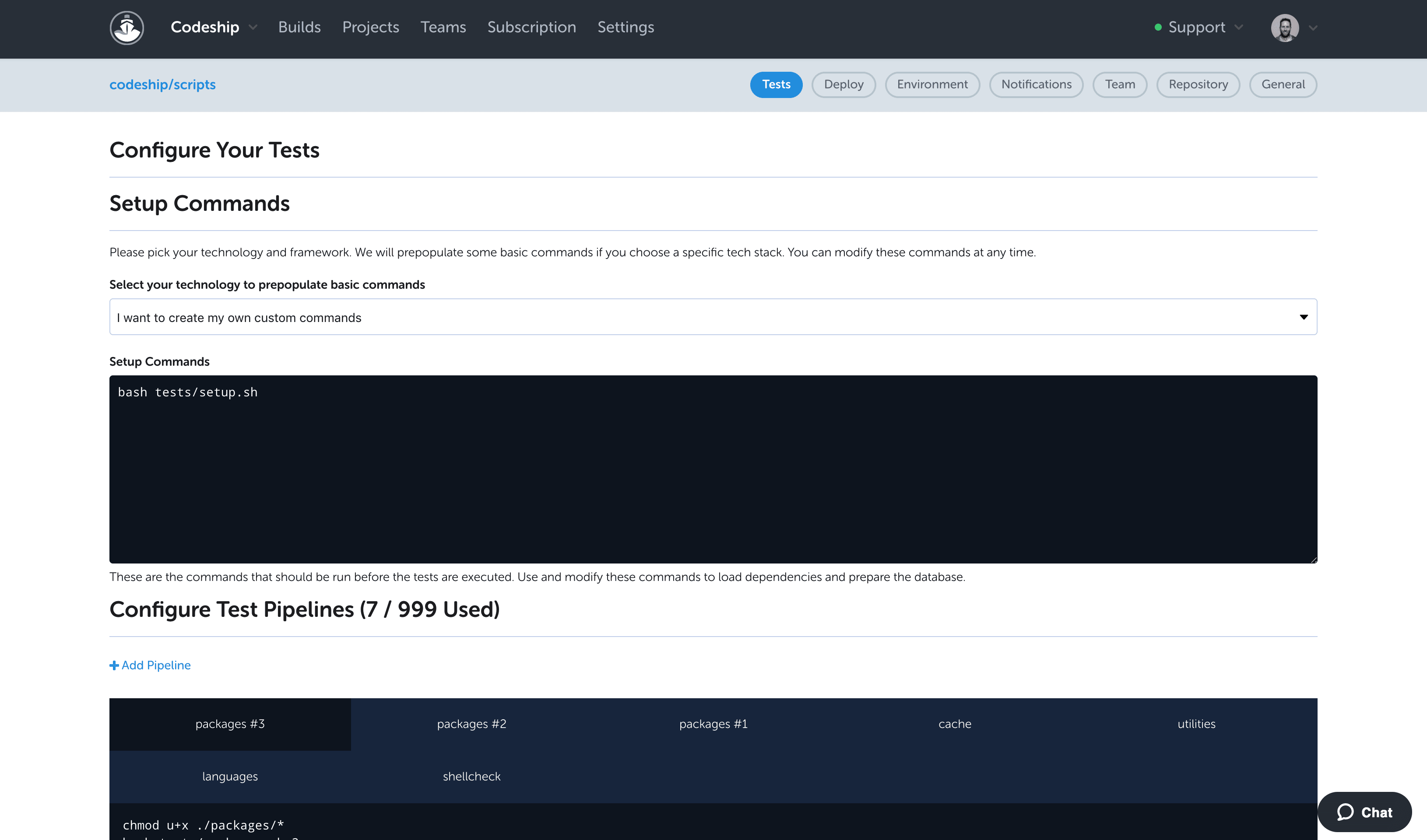
We have been using Codeship for a few years, and what we like is that it's very clear what is built and when. We usually only have one-liners for any configuration option (build, test, deploy) and this way all changes to the build are managed in the version control system and …
Our company uses Jenkins for all internal deployment processes for one very important reason - it's hosted internally. But Codeship is great for personal use - it has intuitive UI, easy setup and tons of integrations.
Back in those days, we didn't know about Gitlab, and Bitbucket didn't provide a CI pipeline. Jenkins is just too much for the simple tasks we wanted to achieve, besides, we didn't have a dedicated server for the sole purpose of having our code pipelined though continuous …
There are lot of tools in market which does the job for Image creation but all of them are not complete Machine/Image as a code. All other alternatives can create Image partially.
Codeship is very well suited to teams that have specialized devops members along with other specialized developers. It lets the other developers focus on what they do best, without having to learn another technology stack. This has cut down on a lot of headaches at our company with developers needing to deploy code to various different hosting services across different content management systems. The experience to push code is essentially the same for a developer no matter what the underlying technology is
We use packer to generate new machine images for multiple platforms on every change to our Configuration Management tools like Chef/Puppet/Ansible It's act single tool for Image building for Multi-provider like AWS/Azure/GCP Helps to achieve Dev/Prod Parity Packer itself doesn't have a state like Terraform. You can't do packer output AMI ID. If you have a scenario where you want to maintain the state for images it would be tough to manage via Packer.
Codeship is easier to use than Jenkins because it does not require you to set up your own server, and it provides a large amount of out-of-the-box integrations for version control systems and cloud environments. AWS CodePipeline is native to AWS and cannot deploy applications reliably to other cloud environments such as GCP or Azure.
There are lot of tools in market which does the job for Image creation but all of them are not complete Machine/Image as a code. All other alternatives can create Image partially. Main reason for selecting Packer are Packer is lightweight, portable, and command-line driven Packer helps keep development, staging, and production as similar as possible. Packer automates the creation of any type of machine image Multi-provider portability is the feature to die for
We have a few small projects with different developers and Codeship shows everyone clearly, if something work, or if it doesn't.
In one small project with a team of three developers, we have configured two builds and it takes 2-5 minutes for everyone on the team to push changes to an infrastructure handling a little over 3M users.