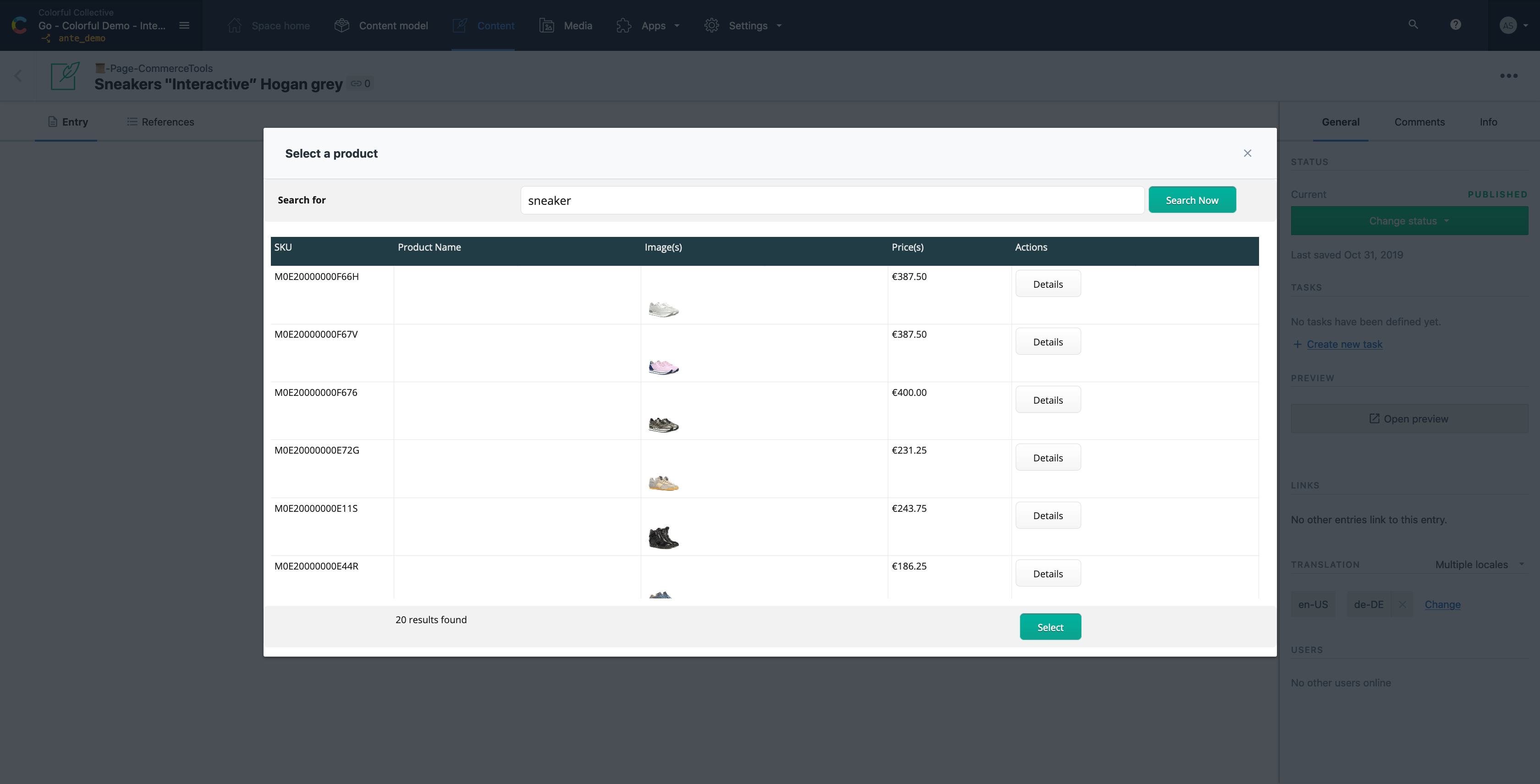
Contentful is a cloud based CMS solution that provides the ability to manage content across multiple platforms.The editing interface allows for managing content interactively and provides developers the ability to deliver the content with the programming language and template framework of their choice.
$300
per month
Umbraco CMS
Score 6.7 out of 10
N/A
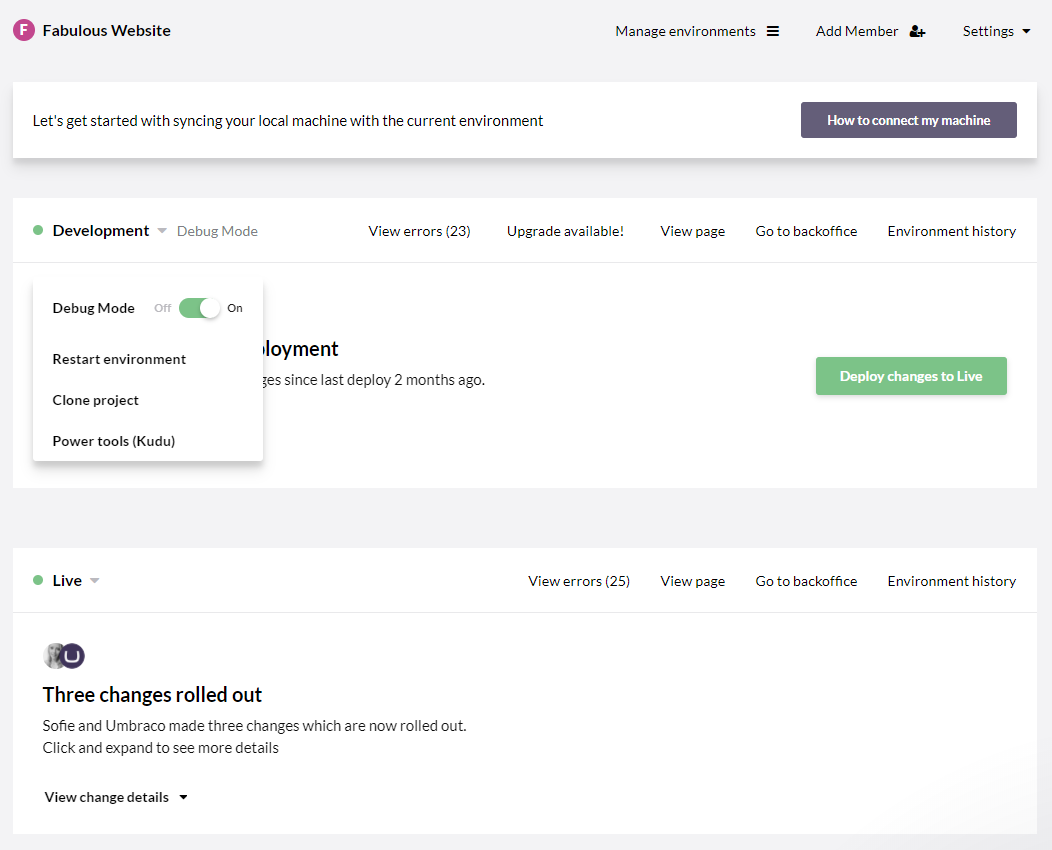
Umbraco is an open-source .NET Core CMS with over 700,000 active installs worldwide and with more than 200,000 active community members. It was first released on February 16th, 2005, and is still to this day an open-source project backed by a commercial company. To ensure Umbraco is always running the latest technology, the company has aligned with Microsoft's .NET release schedule to always have the Umbraco CMS…
$0
Pricing
Contentful
Umbraco CMS
Editions & Modules
Lite
$300
per month
Community
Free
Enterprise
Custom
Umbraco Free
$0
Umbraco Starter
$53
per month
Umbraco Standard
$320
per month
Umbraco Professional
$860
per month
Umbraco Cloud Enterprise
Custom Pricing
per month
Offerings
Pricing Offerings
Contentful
Umbraco CMS
Free Trial
Yes
No
Free/Freemium Version
Yes
Yes
Premium Consulting/Integration Services
No
No
Entry-level Setup Fee
Optional
No setup fee
Additional Details
—
The Umbraco CMS and all of its core features are the same across all plans.
More Pricing Information
Community Pulse
Contentful
Umbraco CMS
Considered Both Products
Contentful
Verified User
Anonymous
Chose Contentful
Easy to use and much more organized as a single platform versus multi. The layout is clean and easy to read and we don’t have to worry about certain users safe guarding data or content then losing it when they leave the company. It’s a one stop shop for imagery.
In the past we've used WordPress to manage documentation content. Wordpress was more flexible than Contentful but also prone to inconsistencies and we ended having a lot of hacks to accomplish various Wordpress tricks. With Contentful there's less ambiguity so content producers …
Contentful offers a great deal of features for a relatively low price. This is what ended up persuading us to purchase it. We also gathered that this was one of the more well-rated products out there, which was encouraging. It definitely stacks up well against its competitors.
For custom solutions, Contentful blows every other CMS I've used out of the water. Unlike WordPress, there's no clutter to wade through, and you can simply build the infrastructure you need. It's more secure by far, and works seamlessly with modern frontend technologies, like …
Contentful was the most user-friendly platform that everyone in our company could understand. It doesn't have the integrations that Wordpress does, but it was easier for everyone in our organization to use. We've also seen good ranking and traffic from the pages created in …
Contentful is easy and fast and cheap. I went from zero experience to loading data out of my contentful space in about an hour or more. The cost is very reasonable and compared to options like CloudCMS are a fraction of the cost. The benefit is that with a lower cost entry …
We preferred Umbraco because it is built with .NET, and most of our team members have proficiency in .NET. Umbraco is open-source so it was free, we could deploy it anywhere - on-premise or cloud. Umbraco had all features which we needed - SEO support, multi-lingual support, …
The performance of Umbraco is as good as Episerver. The back office in Umbraco is cleaner and more intuitive than Episerver. Sitecore is a good CMS for large projects, but the learning curve for developers and editors is steep.
Umbraco's templating is far superior than WordPress, Drupal and Joomla, but it's update process is WAY behind those platforms. The release schedule of Umbraco is way to often and most releases are to fix something missed in the previous release and not an improvement or new …
We chose Umbraco because of their technology, and it was better than our previous CMS, Orchard, which was too complicated even for programmers. Orchard was very good but to develop something it required a really strong knowledge of this framework. In Umbraco it seems to be …
We previously used Wordpress, however this was not easy to use, it was a complicated system and was limited in what we could achieve, there was a big outlay in buying bolts on and ensuring the system was safe. We found we where spammed loads, we tried to make it work however …
Both are comparable. We selected Umbraco CMS because it used .NET instead of PHP. I would recommend choosing the CMS that your staff and technical people will be the most comfortable with.
Umbraco provides the best bang-for-the-buck CMS option on a .NET platform for those that cannot afford Sitecore. It is much friendlier to use than Ektron, is free to use, has commercial grade plugins that are not overly expensive, and provides the functionality that most …
Umbraco vs WordPress Umbraco has more flexibility and customization options, but less features, reliability/stability, and community support. WordPress offers less customization for data and content, but it is immensely more stable, has better features /plugins, and includes an …
There is not really an alternative when it comes to CMS based on ASP.Net (MVC4 with Razor). There are a few frameworks, like Booststrap; however framework is not content management system. I will compare it to Drupal, because the second one is well known. Against Drupal, …
Features
Contentful
Umbraco CMS
Security
Comparison of Security features of Product A and Product B
Contentful
7.3
Ratings
10% below category average
Umbraco CMS
9.0
Ratings
11% above category average
Role-based user permissions
7.30 Ratings
9.00 Ratings
Platform & Infrastructure
Comparison of Platform & Infrastructure features of Product A and Product B
Contentful
8.0
Ratings
5% above category average
Umbraco CMS
8.5
Ratings
11% above category average
API
8.30 Ratings
8.00 Ratings
Internationalization / multi-language
7.70 Ratings
9.00 Ratings
Web Content Creation
Comparison of Web Content Creation features of Product A and Product B
Contentful
7.7
Ratings
0% below category average
Umbraco CMS
8.0
Ratings
4% above category average
WYSIWYG editor
7.30 Ratings
10.00 Ratings
Code quality / cleanliness
8.50 Ratings
10.00 Ratings
Admin section
8.00 Ratings
7.00 Ratings
Page templates
7.60 Ratings
8.00 Ratings
Library of website themes
7.50 Ratings
6.00 Ratings
Mobile optimization / responsive design
7.70 Ratings
6.00 Ratings
Publishing workflow
8.00 Ratings
10.00 Ratings
Form generator
7.00 Ratings
7.00 Ratings
Web Content Management
Comparison of Web Content Management features of Product A and Product B
Coming from WordPress, Contentful feels like content management as it should be. There's no clutter to get rid of, you can simply start building from scratch, and the end product is perfectly tailored to your or your clients needs.
Umbraco is well suited for websites that are looking to do a wide range of activities that require complex technoligies. An example of this is a company with several different products or services. Umbraco would be overkill for simple sites that are mostly static. It is also difficult to find developers who have Umbraco experience, as it's market share is not all that high
Contentful provides organized, flexible data models with support for a variety of data types and content editors (e.g. WYSIWYGs, form fields, raw text areas).
Contentful has great built-in versioning features with history and draft states so it's easy to make updates and revert when needed.
Contentful has an intuitive user interface and good support for multiple spaces (which can be helpful for companies that need separate projects for dev/staging/production).
Migration of data between servers. There are tools that you can pay for that help facilitate this, but like any CMS system, there are still some tricks to getting it to work correctly.
Running as a Web Project instead of a Web Site. Umbraco does not run compiled code, but instead compiles it on the fly. I find this to cause some performance issues that would otherwise be resolved with a compiled code base.
Umbraco CMS effectively addresses enterprise content management needs. It's quite mature .NET based CMS, standing out as a leader among its competitors. Websites built with Umbraco are blazing fast. Extensive customization capabilities, and user-friendly content publishing interface makes it an ideal choice for businesses looking for a mature CMS solution.
Working in the admin panel (adding / reviewing / editing content) is very slow. The public facing site speed is dependent on what the pages are doing and how well the code was written (whether it is optimized for speed).
Spend the time to wireframe the content structure prior to diving in. This helps speed the process of implementation and it serves as documentation for end users.
We previously used WordPress, however this was not easy to use, it was a complicated system and was limited in what we could achieve, there was a big outlay in buying bolts on and ensuring the system was safe. We found we where spammed loads, we tried to make it work however after a year we decided to leave WordPress behind. The company did evaluated Adobe but the dev team decided that Umbraco was the best tool to meet our own needs.