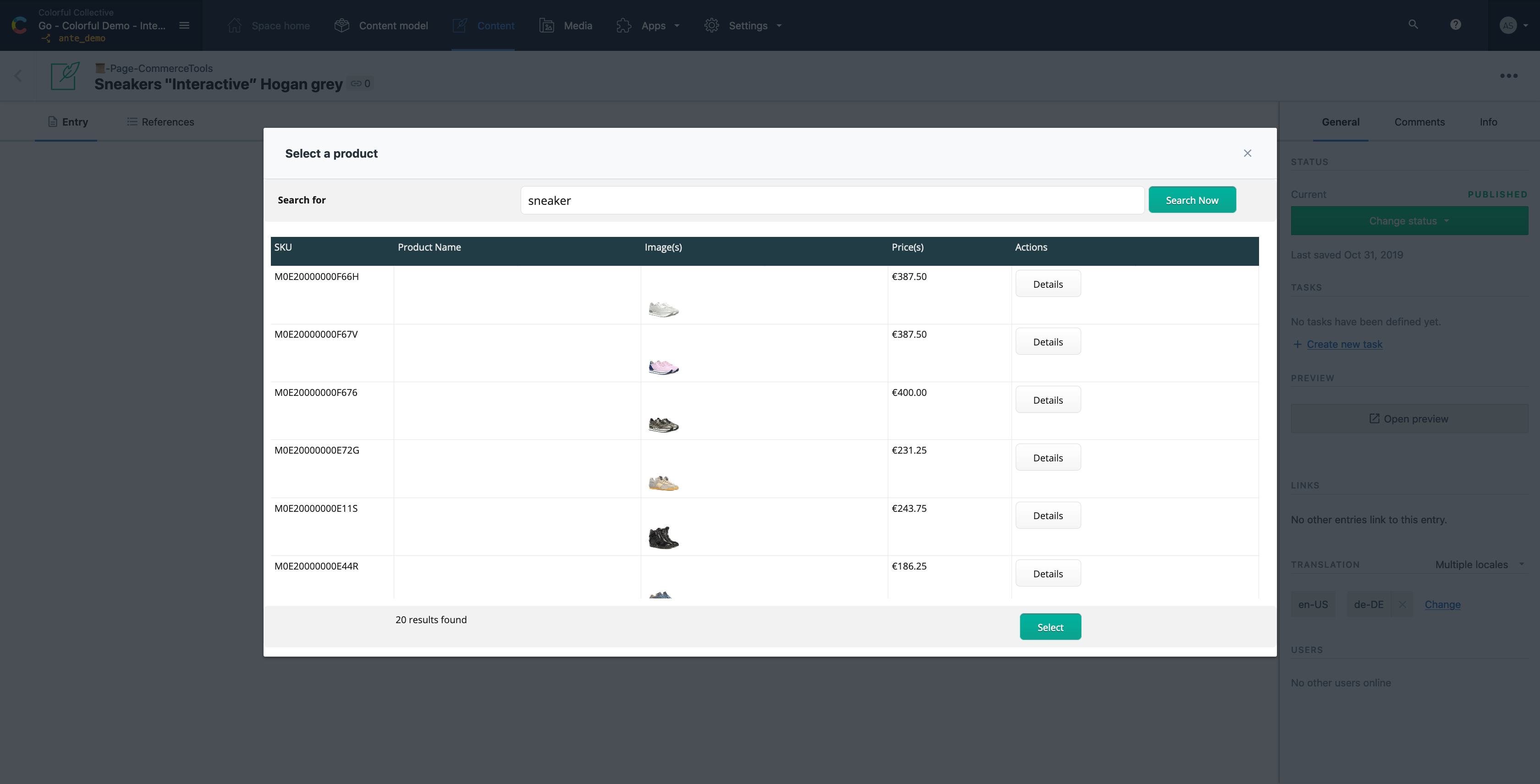
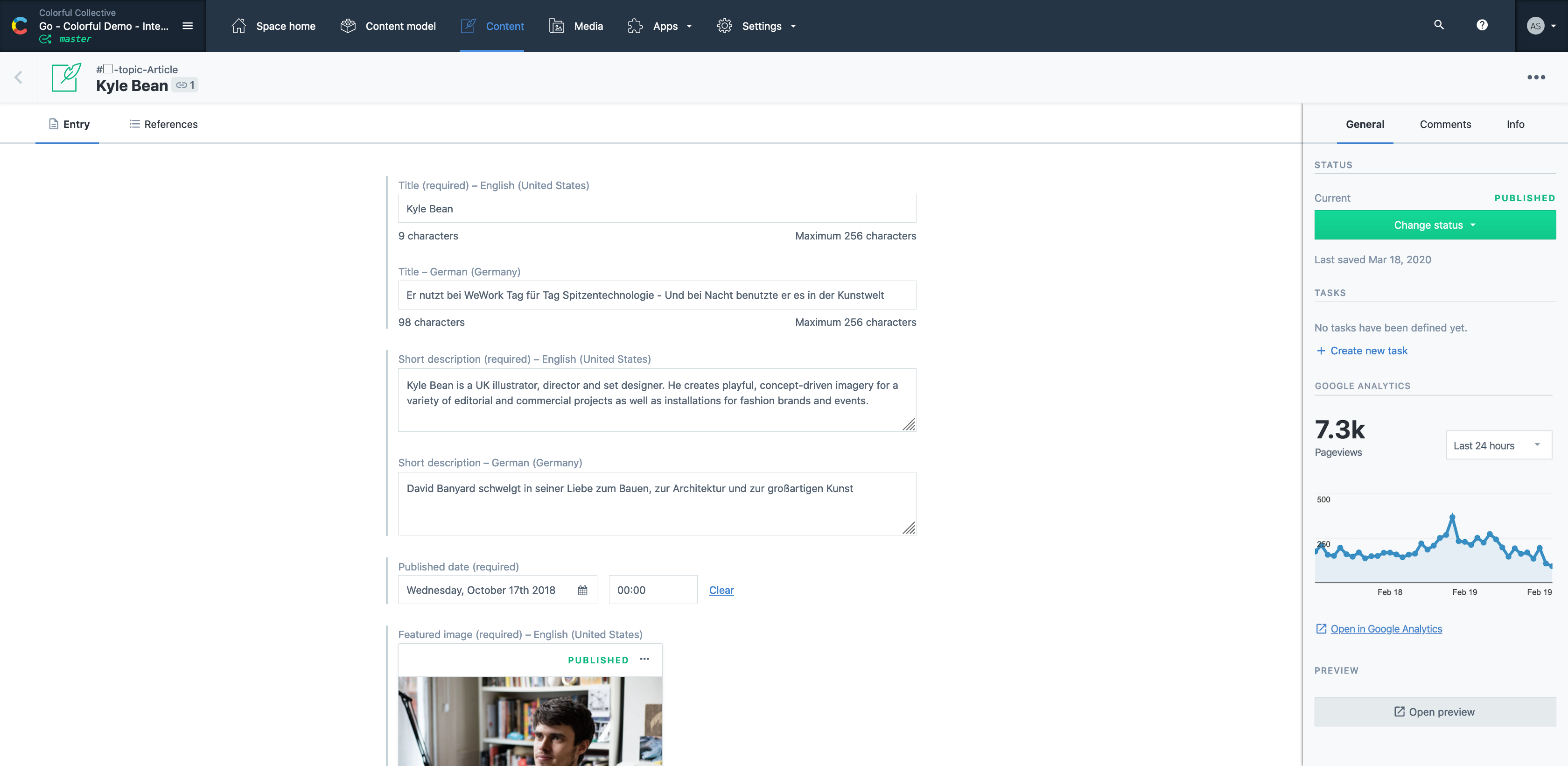
Contentful is a cloud based CMS solution that provides the ability to manage content across multiple platforms.The editing interface allows for managing content interactively and provides developers the ability to deliver the content with the programming language and template framework of their choice.
$300
per month
Webflow
Score 8.9 out of 10
N/A
Webflow is a Website Experience Platform for modern marketing teams, used to visually build, manage, and optimize websites that offer both the consumer experience teams expect and enterprise-grade performance and scale.
$18
per month
Pricing
Contentful
Webflow
Editions & Modules
Lite
$300
per month
Community
Free
Enterprise
Custom
Basic
$18
per month
CMS
$29
per month
Ecommerce - Standard
$42
per month
Business
$49
per month
Ecommerce - Plus
$84
per month
Ecommerce - Advanced
$235
per month
Offerings
Pricing Offerings
Contentful
Webflow
Free Trial
Yes
Yes
Free/Freemium Version
Yes
Yes
Premium Consulting/Integration Services
No
No
Entry-level Setup Fee
Optional
No setup fee
Additional Details
—
Up to a 22% discount available for annual pricing.
More Pricing Information
Community Pulse
Contentful
Webflow
Considered Both Products
Contentful
Verified User
Anonymous
Chose Contentful
Easy to use and much more organized as a single platform versus multi. The layout is clean and easy to read and we don’t have to worry about certain users safe guarding data or content then losing it when they leave the company. It’s a one stop shop for imagery.
In the past we've used WordPress to manage documentation content. Wordpress was more flexible than Contentful but also prone to inconsistencies and we ended having a lot of hacks to accomplish various Wordpress tricks. With Contentful there's less ambiguity so content producers …
Contentful offers a great deal of features for a relatively low price. This is what ended up persuading us to purchase it. We also gathered that this was one of the more well-rated products out there, which was encouraging. It definitely stacks up well against its competitors.
For custom solutions, Contentful blows every other CMS I've used out of the water. Unlike WordPress, there's no clutter to wade through, and you can simply build the infrastructure you need. It's more secure by far, and works seamlessly with modern frontend technologies, like …
Contentful was the most user-friendly platform that everyone in our company could understand. It doesn't have the integrations that Wordpress does, but it was easier for everyone in our organization to use. We've also seen good ranking and traffic from the pages created in …
Contentful is easy and fast and cheap. I went from zero experience to loading data out of my contentful space in about an hour or more. The cost is very reasonable and compared to options like CloudCMS are a fraction of the cost. The benefit is that with a lower cost entry …
Framer is Webflow's closest competitor and has some advantages in the animation department, but Webflow has a bit more brand recognition among clients. WordPress is old-fashioned in its approach, and despite offering site-builder themes and plugins, still doesn't have native …
Webflow is a great replacement for simple websites like WIX & Squarespace. Webflow, in its current incarnation, will never be able to overtake the ubiquity of WordPress pages, it lacks the automation & tooling of Supernova, the design capabilities of Figma, and the design -> …
Framer is for designers with no underlying knowledge of how a website works. It's more like designing a website in Figma. Webflow offers a better balance of design features and true website configurations.
In my opinion, Webflow has the worst CMS I have used. All the other tools make it much easier to write, format, publish and organize content. There's a lot more flexibility and they have better UX. I would not choose Webflow if given the choice, I would only use it if the …
It does not compare at all to WIX, in my opinion, it is an insult to them even comparing them side by side. No doubt WIX is 100 times better than Webflow. Wix has features that Webflow lacks and has extra help when needed. In my opinion, WIX customer service is astonishing …
We loved the feature set and extensibility. It's a little pricey but when we have the time to devote to a project it shows why Webflow is such a good fit. Of course there are lots of other things you can use it for, but it's been working for us for one-off marketing projects.
The code quality and speed can't even be compared to Elementor; Webflow is simply a much better tool. Instapage has a cool feature for dynamic landing pages, which changes according to Google Ads Keyword, which I miss; however, amazing webflow community members recreated that …
I would not say it has substitutes for all features of the other platforms, but overall it is better to use and implement. I would like to see Wix's user management, Shopify and WooCommerce's shop features, and WordPress' ability to host big enterprise blog management. The …
A lot more design control and easier to create a custom site, and then also to scale that site going forward. There's a lot about WordPress I miss, though, when it comes to managing a blog—user permissions, SEO control, edit HTML version of posts.
Compared to other closed platforms like Squarespace or Shopify, Webflow is much more developer friendly and customizable. The CMS is easier to use and much more flexible to design and develop in. Price points between the 3 are similar. Most of the 3rd party integrations for …
Webflow falls somewhere in between Wordpress as a most basic theme-based platform and HubSpot CMS Hub, which has nearly unlimited capabilities. The ease and pricing are a win for HubSpot but we still use and host sites using Wordpress as that is often a client's desire for …
So, Webflow gave me the freedom that other platforms didn't in terms of not needing to code (in comparison to WordPress), and the site looks like a professional page rather than a generic average one, and then in terms of having more than just writing key findings (in …
Webflow is more comprehensive, so it is also a little bit harder to use. I selected Webflow because its component-based approach allows me to change content once, and it updates across multiple pages, which has saved me a significant amount of time. Sometimes, it can be …
Coming from WordPress, Contentful feels like content management as it should be. There's no clutter to get rid of, you can simply start building from scratch, and the end product is perfectly tailored to your or your clients needs.
The good outweighs the bad. I love how my webpage works, and it fulfills everything that I was trying to accomplish. The ability to tag and distribute content across the site saves a lot of time and energy. I just wish that custom elements were easier to reuse across pages and that it weren't so hard to figure out. This tool is better suited for someone who knows what they are doing, rather than a beginner.
Contentful provides organized, flexible data models with support for a variety of data types and content editors (e.g. WYSIWYGs, form fields, raw text areas).
Contentful has great built-in versioning features with history and draft states so it's easy to make updates and revert when needed.
Contentful has an intuitive user interface and good support for multiple spaces (which can be helpful for companies that need separate projects for dev/staging/production).
The Content Management System needs improvement. In my experience, it's very difficult to organise all our content at big volumes. We want to create a resources section where we can categorize our content but there isn't an easy or intuitive way to do it
In my opinion, it's incredibly difficult to create tables in an article
You have to do custom coding for anchor links within an article and it's time consuming and, in my opinion, super annoying
Website designs are not responsive we need to keep designing a separate mobile version
In my opinion, Formatting content in articles is annoying compared to other CMSs like Wordpress, Shopify, Wix, Blogger, etc. Worst experience I've had.
Changes to the nav bar on the homepage do not reflect universally, we needed to do the same changes all over again for our blog and mobile
Content editors need to keep logging in every time they add content
With a little education, I find Webflow incredibly easy to use. As previously mentioned, the Webflow University video library is amazing so anything you need help with is already available. That said, I do feel like it is a relatively steep learning curve and would be even steeper for someone who is completely new to Web Development, which is why I gave it the score I did.
In my experience, their customer service is an absolute joke, I tried reaching out to them they took forever. I had to keep following up with them as if they never received it in the first place. It’s a new platform, so guidance is needed. Tried the university they offer, in my opinion, it is completely useless, I would just completely move on from this website.
In my opinion, it is horrible, the rendering takes forever. I have the newest MacBook and the platform will still lag and slow down on me. I’m not a developer, I am a designer which makes it worst because I am using the features they are providing not extra coding features. In my opinion, it is a horrible platform really, stay away.
I haven't had to engage them from a support perspective; however, there is a considerable user community for tips/ideas/troubleshooting and the like. I believe the Pro plan supports additional resources but we didn't find that the cost justified the outcome. Overall the need for support has been relatively minor.
So, Webflow gave me the freedom that other platforms didn't in terms of not needing to code (in comparison to WordPress), and the site looks like a professional page rather than a generic average one, and then in terms of having more than just writing key findings (in comparison to medium) like a site that feels unique and sophisticated. Finally, all in all, Webflow is harder at start but the results are eye pleasing and its totally worth the time.
I feel it doesn’t perform the way it’s supposed to and it doesn’t have any beneficial factors to it. In my opinion, there is no reason to use a platform like this when Wix and Shopify, and WordPress exist. I believe Webflow is a platform that shouldn’t exist and it’s only popular because of the hype it received. I tried it and hate it completely.