Chose CyberArk Workforce Identity
They are IAM tools that provide single sign-on access, allowing us to easily and securely access and integrate the software to the tool of our choice.

| Product | Rating | Most Used By | Product Summary | Starting Price |
|---|---|---|---|---|
 CyberArk Workforce Identity | N/A | CyberArk Identity is a SaaS-delivered suite of solutions designed to simplify identity and access management in enterprises. CyberArk Identity unifies Workforce Access and Identity Management solutions in a single offering. Workforce Access capabilities include single sign-on, multi-factor authentication, session security, and credential management. Identity Management capabilities include lifecycle management, identity orchestration, and identity governance. With CyberArk Identity,… | N/A | |
 Google Authenticator | N/A | Google Authenticator is a mobile authentication app. | N/A |
| CyberArk Workforce Identity | Google Authenticator | |||||||||||||||
|---|---|---|---|---|---|---|---|---|---|---|---|---|---|---|---|---|
| Editions & Modules | No answers on this topic | No answers on this topic | ||||||||||||||
| Offerings |
| |||||||||||||||
| Entry-level Setup Fee | No setup fee | Optional | ||||||||||||||
| Additional Details | — | — | ||||||||||||||
| More Pricing Information | ||||||||||||||||
| CyberArk Workforce Identity | Google Authenticator | |
|---|---|---|
| Considered Both Products |  CyberArk Workforce Identity  Brian Hicks IT System Administrator Chose CyberArk Workforce Identity Centrify provided both SSO support as well as Mac support; we needed both. Other products had one or the other, but not both. This made choosing Centrify a no-brainer as we didn't have to have a wide variety of integrations to do and vendors to manage.  Alex Kim Customer Success Manager Chose CyberArk Workforce Identity I think they are quite similar and don't have enough knowledge about one over another.  Patrick Breznak IT Supervisor Chose CyberArk Workforce Identity We selected Centrify for their breadth of services and their number of template applications which makes integrating an app a breeze.  Randall F Jackson Intrastructure Engineer Chose CyberArk Workforce Identity Seemed to be the best in breed and the one with deeper Mac integration on the short roadmap. As an Apple Distinguished School, this is obviously very critical to us. Very easy to set up and it has a deep pre-canned application pool for already deployed apps. Very easy for …  Melaney Reimer Director of IT and Operations Chose CyberArk Workforce Identity Centrify was a quick roll out for us. The cost was comparable to other tools we looked at and Centrify had additional security options.  Aaron Mitchell Technical Specialist III Chose CyberArk Workforce Identity We started off using ADFS from Microsoft, which took most of a day to get fully functional and nearly a week to get fully optimized. The documentation was inconsistent with ADFS and there was no real support without opening a Microsoft Premier Support ticket. At the time, if …  Jeremiah Miller Associate Director IT Infrastructure Chose CyberArk Workforce Identity We felt that Centrify had the most flexibility for the cost. They also have fairly robust mobile device management capabilities which some of the other products did not have.  Debbie Brannan CIO (Chief Information Officer) Chose CyberArk Workforce Identity Centrify provided mobile device management and identify access management from one pane of glass, and was less expensive.  Keith Ryan Sr IT Support Specialist Chose CyberArk Workforce Identity We selected Centrify over some of the other services out their because it gives us more options such as SSO and MDM all in one and for the most part it is easy to use not only for the administrator but also for the end user.  Daniel Tripo IT Operations Director Chose CyberArk Workforce Identity Okta has no Mac management  Sue Atherton, CISM Information Security Chose CyberArk Workforce Identity More robust than the competitors.  Daniel Czuchra Systems Administrator Chose CyberArk Workforce Identity OneLogin and Okta provide similar experiences, but OneLogin is less mature than Centrify. Their Mac and Windows management suites are still in a beta phase are cannot be deployed en masse to our user base. Okta is more expensive and does not have the security compliance. … | Google Authenticator  Gregory Palenschat Product Consultant Chose Google Authenticator For myself and my business, we have not explored any other Authenticator out there. We have had no real issues with Google Authenticator and have no plans to switch.  Pretty Varughese IT Executive Chose Google Authenticator We were using Duo before in our environment for two-factor environment. But when it comes to availability we were always facing issues such as time-sync & app integration. After using Google Authenticator it resolved our synchronization issues as well as the third-party tool …  Vinit Sharma Network Administrator Chose Google Authenticator Google Authenticator is cost-effective & a bucket of features as compared to other available solutions in the market. Google Authenticator provides a multi-layer of security with ease of integration features.  rahul Verma Network Consultant Chose Google Authenticator I've used only this software for the last 2 years and have never faced any issues so no need to go to another application.  Basant Gupta Executive System Admin Chose Google Authenticator I used Cisco Secure Access Duo in my organization but I was not happy with [the] services. It creates lots of problems so I switched to google authenticator and it is really good. I am very happy with this software. No need to search [for] another option.  Arcoma L. Lambert Business Development Manager Chose Google Authenticator Google Authenticator is awesome. We used LastPass in the past. In general, I don't like password saving or authenticating services because it feels like a vault that I am putting all my trust in. With Google, they have made it so easy and secure, I feel confident. I have …  Matt Hoffman Chief Executive Officer Chose Google Authenticator Google Authenticator is only really competing against SMS two-factor. Instead of getting a text from random phone numbers all the time, you go to one app/ website to get access to any account. In addition, we can allow our members to share the same Google account (with a master …  Mochammad Zachri Software Developer Chose Google Authenticator We are using our WhatsApp Business Account to send OTP to our users, but we can't control our users for having a WhatsApp Account. And WhatsApp API is not free too and so complicated to implement. Google Authenticator is a good alternative and cost-free to our users for getting …  Christine May Bustamante Security Operations Center Analyst Chose Google Authenticator I don't recall having used other authenticators.  Stacey Medina IT System Administrator Chose Google Authenticator Google Authenticator is a great alternative to FortiAuthenticator for our vendors to have us use to login securely to their secure portals and FTP sites. Google Authenticator does not require a setup by the Admin in order to use it. Google Authenticator does not require … |
| CyberArk Workforce Identity | Google Authenticator | ||||||||||||||||||||||||
|---|---|---|---|---|---|---|---|---|---|---|---|---|---|---|---|---|---|---|---|---|---|---|---|---|---|
| Identity Management |
|
| CyberArk Workforce Identity | Google Authenticator | |
|---|---|---|
| Small Businesses |  1Password Score 9.5 out of 10 |  WatchGuard AuthPoint Score 9.1 out of 10 |
| Medium-sized Companies |  OneLogin by One Identity Score 9.6 out of 10 | WatchGuard AuthPoint Score 9.1 out of 10 |
| Enterprises | OneLogin by One Identity Score 9.6 out of 10 |  Cisco Duo Score 9.5 out of 10 |
| All Alternatives | View all alternatives | View all alternatives |
| CyberArk Workforce Identity | Google Authenticator | |
|---|---|---|
| Likelihood to Recommend | 9.0 (0 ratings) | 9.0 (0 ratings) |
| Likelihood to Renew | 10.0 (0 ratings) | 8.0 (0 ratings) |
| Usability | - (0 ratings) | 8.0 (0 ratings) |
| Availability | - (0 ratings) | 10.0 (0 ratings) |
| Performance | - (0 ratings) | 10.0 (0 ratings) |
| Support Rating | 9.0 (0 ratings) | 8.6 (0 ratings) |
| Implementation Rating | - (0 ratings) | 10.0 (0 ratings) |
| Configurability | - (0 ratings) | 4.0 (0 ratings) |
| Ease of integration | - (0 ratings) | 8.0 (0 ratings) |
| Product Scalability | - (0 ratings) | 5.0 (0 ratings) |
| Vendor post-sale | - (0 ratings) | 8.0 (0 ratings) |
| Vendor pre-sale | - (0 ratings) | 8.0 (0 ratings) |
| CyberArk Workforce Identity | Google Authenticator | |
|---|---|---|
| Likelihood to Recommend |
|
|
| Pros |
|
 Ravinder Gupta Database Technology Architect |
| Cons |
Alex Kim Customer Success Manager |
Gregory Palenschat Product Consultant |
| Likelihood to Renew |
|
|
| Usability | No answers on this topic |
 Jesus Mata Estimator |
| Reliability and Availability | No answers on this topic |
|
| Performance | No answers on this topic |
|
| Support Rating |
|
|
| Implementation Rating | No answers on this topic |
|
| Alternatives Considered |
Aaron Mitchell Technical Specialist III |
|
| Scalability | No answers on this topic |
|
| Return on Investment |
|
|
| ScreenShots | CyberArk Workforce Identity Screenshots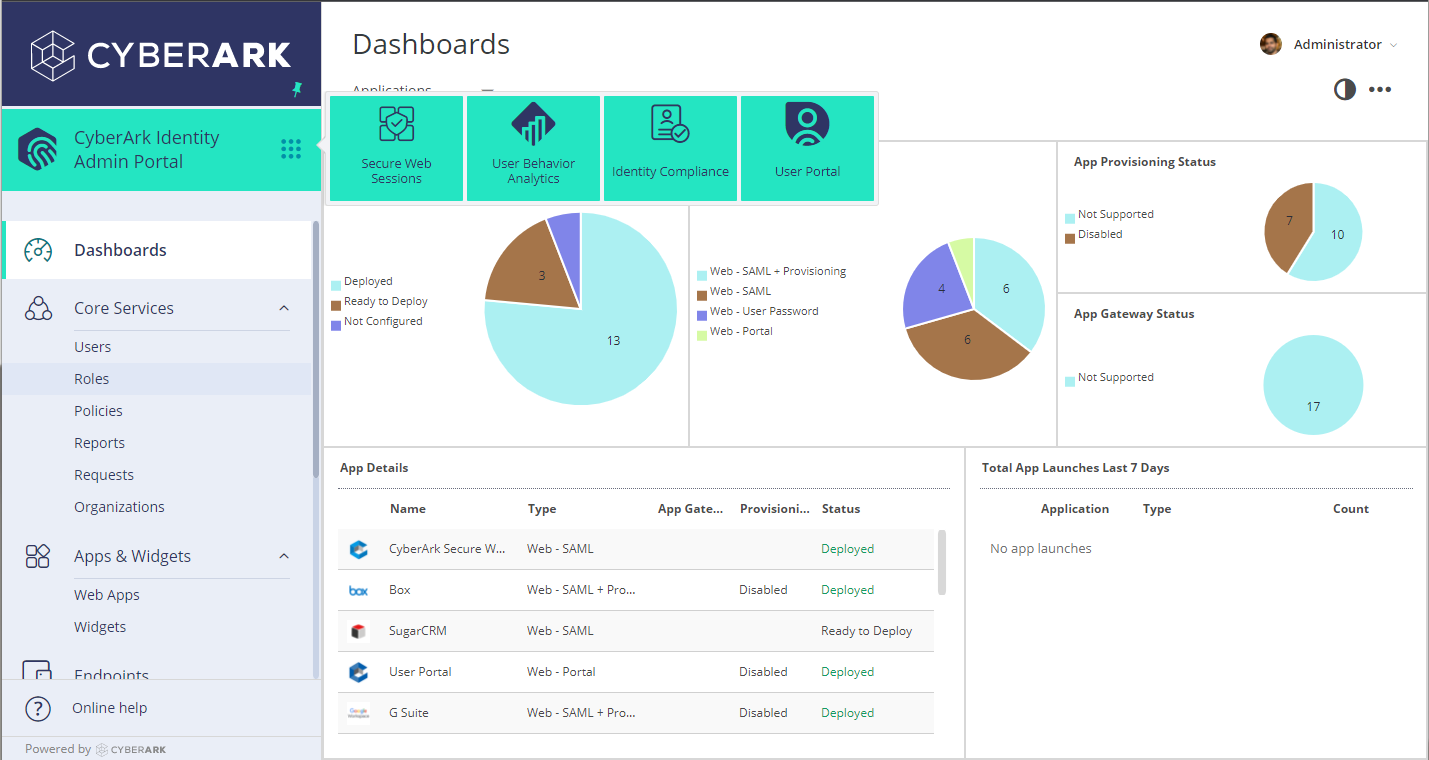  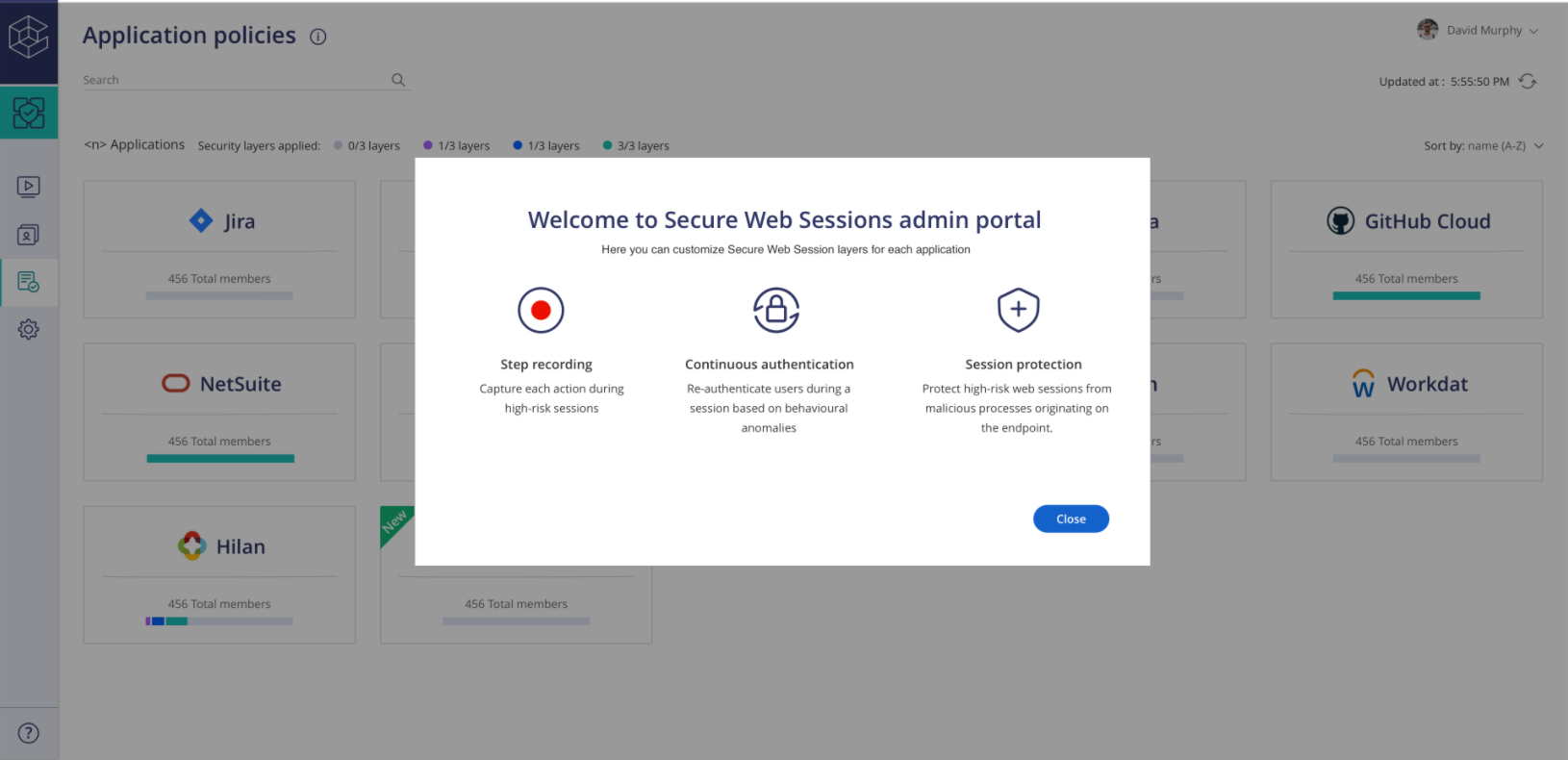 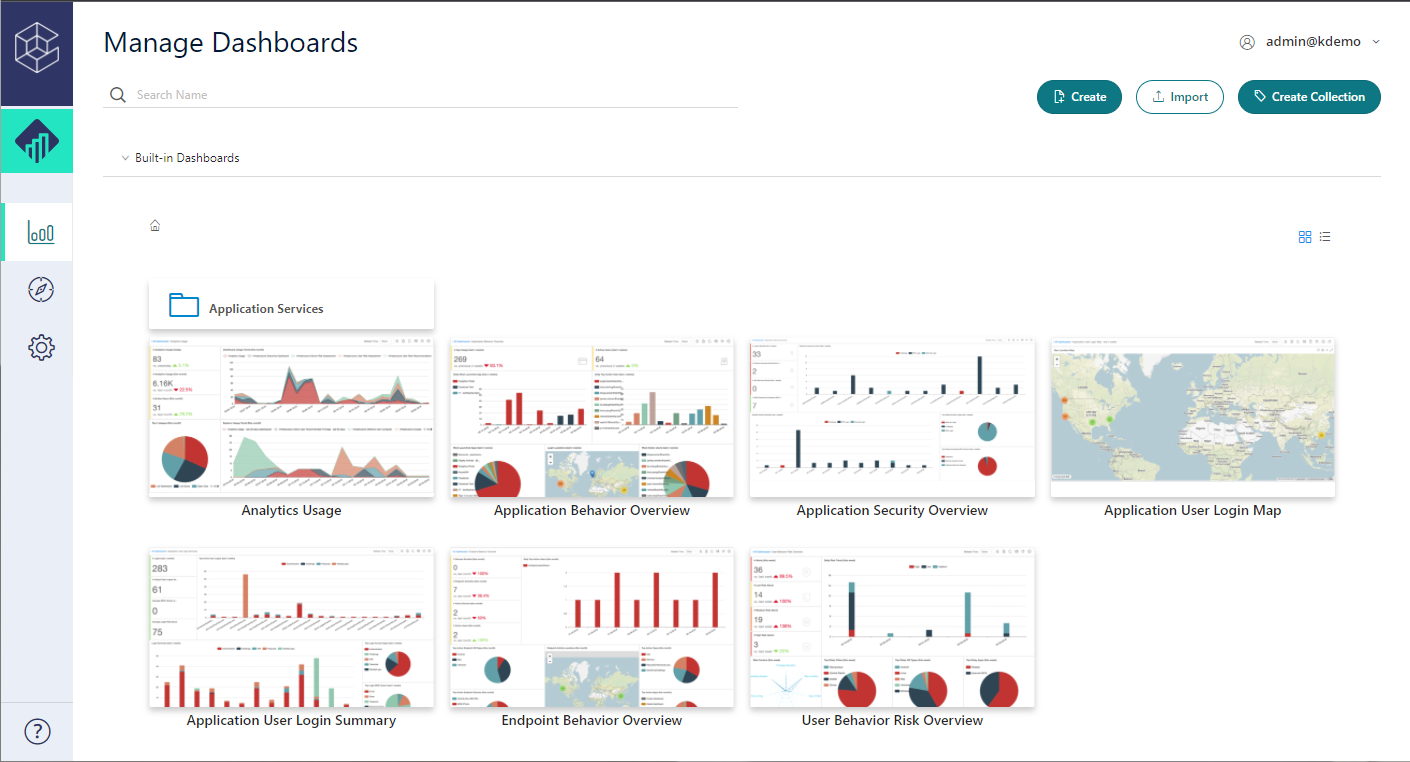  |