
Dataddo vs. Fivetran
Dataddo vs. Fivetran
| Product | Rating | Most Used By | Product Summary | Starting Price |
|---|---|---|---|---|
 Dataddo | Mid-Size Companies (51-1,000 employees) | Dataddo is a fully-managed, no-code data integration platform that connects cloud-based applications and dashboarding tools, data warehouses, and data lakes. It offers 3 main products: - Data to Dashboards, which lets users send data from online sources straight to dashboarding apps like Tableau, Power BI, and Google Data Studio for insights in record time. A free version is available for this product. - Data Anywhere, which enables users to send data from any A to any… | $0 | |
 Fivetran | N/A | Fivetran replicates applications, databases, events and files into a high-performance data warehouse, after a five minute setup. The vendor says their standardized cloud pipelines are fully managed and zero-maintenance. The vendor says Fivetran began with a realization: For modern companies using cloud-based software and storage, traditional ETL tools badly underperformed, and the complicated configurations they required often led to project failures. To streamline and accelerate… | $0.01 per credit |
| Dataddo | Fivetran | |||||||||||||||
|---|---|---|---|---|---|---|---|---|---|---|---|---|---|---|---|---|
| Editions & Modules |
|
| ||||||||||||||
| Offerings |
| |||||||||||||||
| Entry-level Setup Fee | No setup fee | Optional | ||||||||||||||
| Additional Details | Data to Dashboards and Data Anywhere are both priced based on bundles of flows that can be billed monthly, or yearly for a discount. Data to Dashboards starts at $99 (billed yearly) for up to 10 data flows from any source to any dashboarding tool or Google Sheets. Data Anywhere starts at $99 (billed yearly) for up to 3 data flows from any A to any B—from apps to warehouses or dashboards (ETL, end to end), between warehouses (ETL), and from warehouses back into apps (reverse ETL). Headless Data Integration allows enterprises to build their own data products on top of the unified Dataddo API and get all integrations in one, with custom pricing. | — | ||||||||||||||
| More Pricing Information | ||||||||||||||||
| Dataddo | Fivetran |
|---|
| Dataddo | Fivetran | ||||||||||||||||||
|---|---|---|---|---|---|---|---|---|---|---|---|---|---|---|---|---|---|---|---|
| Data Source Connection |
| ||||||||||||||||||
| Data Transformations |
| ||||||||||||||||||
| Data Modeling |
| ||||||||||||||||||
| Data Governance |
|
| Dataddo | Fivetran | |
|---|---|---|
| Small Businesses |  Skyvia Score 9.9 out of 10 | Skyvia Score 9.9 out of 10 |
| Medium-sized Companies |  IBM InfoSphere Information Server Score 8.0 out of 10 | IBM InfoSphere Information Server Score 8.0 out of 10 |
| Enterprises | IBM InfoSphere Information Server Score 8.0 out of 10 | IBM InfoSphere Information Server Score 8.0 out of 10 |
| All Alternatives | View all alternatives | View all alternatives |
| Dataddo | Fivetran | |
|---|---|---|
| Likelihood to Recommend | - (0 ratings) | 8.1 (0 ratings) |
| Usability | - (0 ratings) | 9.0 (0 ratings) |
| Performance | - (0 ratings) | 8.0 (0 ratings) |
| Dataddo | Fivetran | |
|---|---|---|
| Likelihood to Recommend |  No answers on this topic |
|
| Pros | No answers on this topic |
|
| Cons | No answers on this topic |
|
| Usability | No answers on this topic |
|
| Performance | No answers on this topic |
 Scott Laronge Head of Data Science |
| Alternatives Considered | No answers on this topic |
 Sudarshan Kothari Senior Data Scientist |
| Return on Investment | No answers on this topic |
|
| ScreenShots | Dataddo Screenshots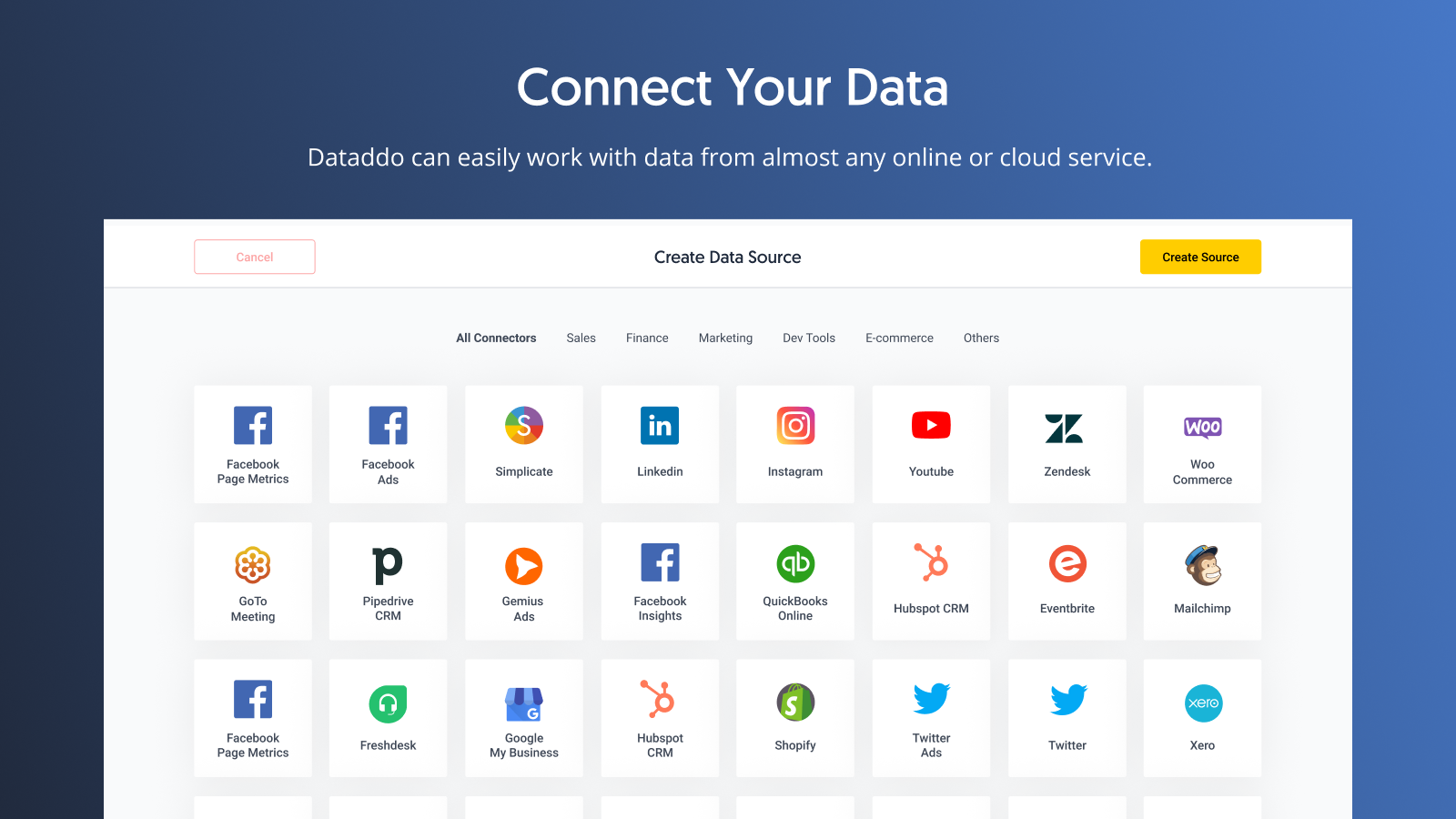  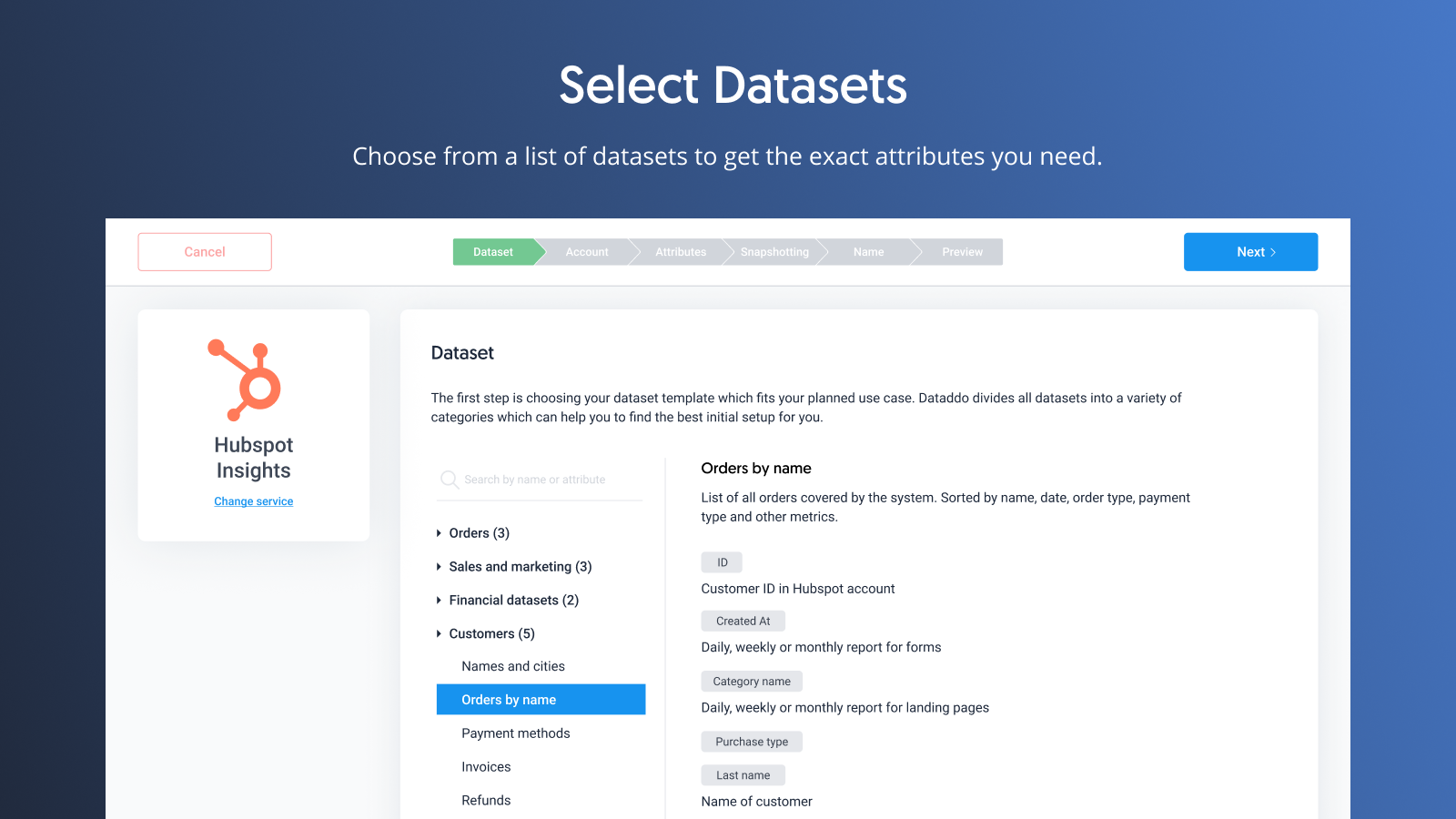 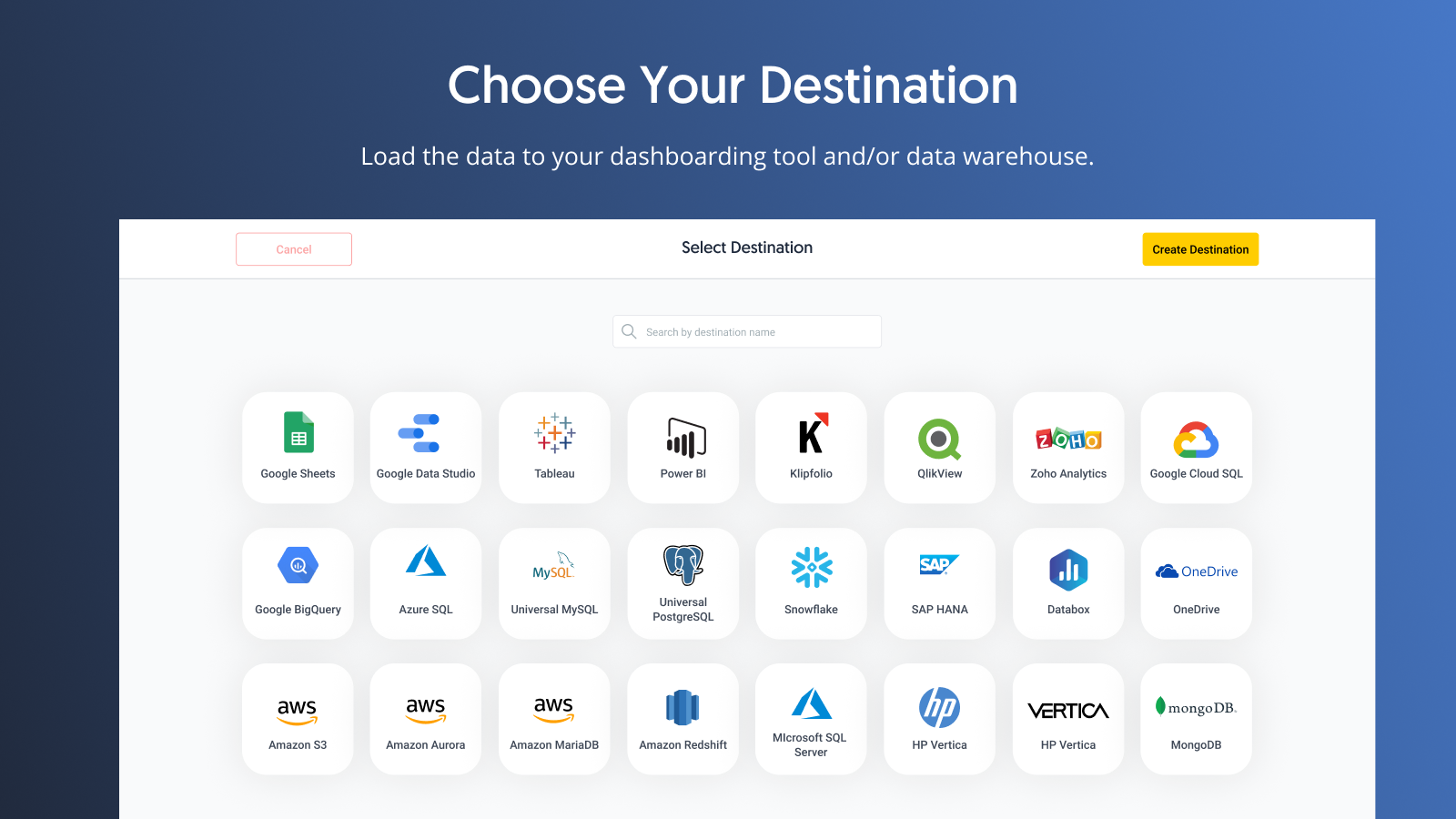 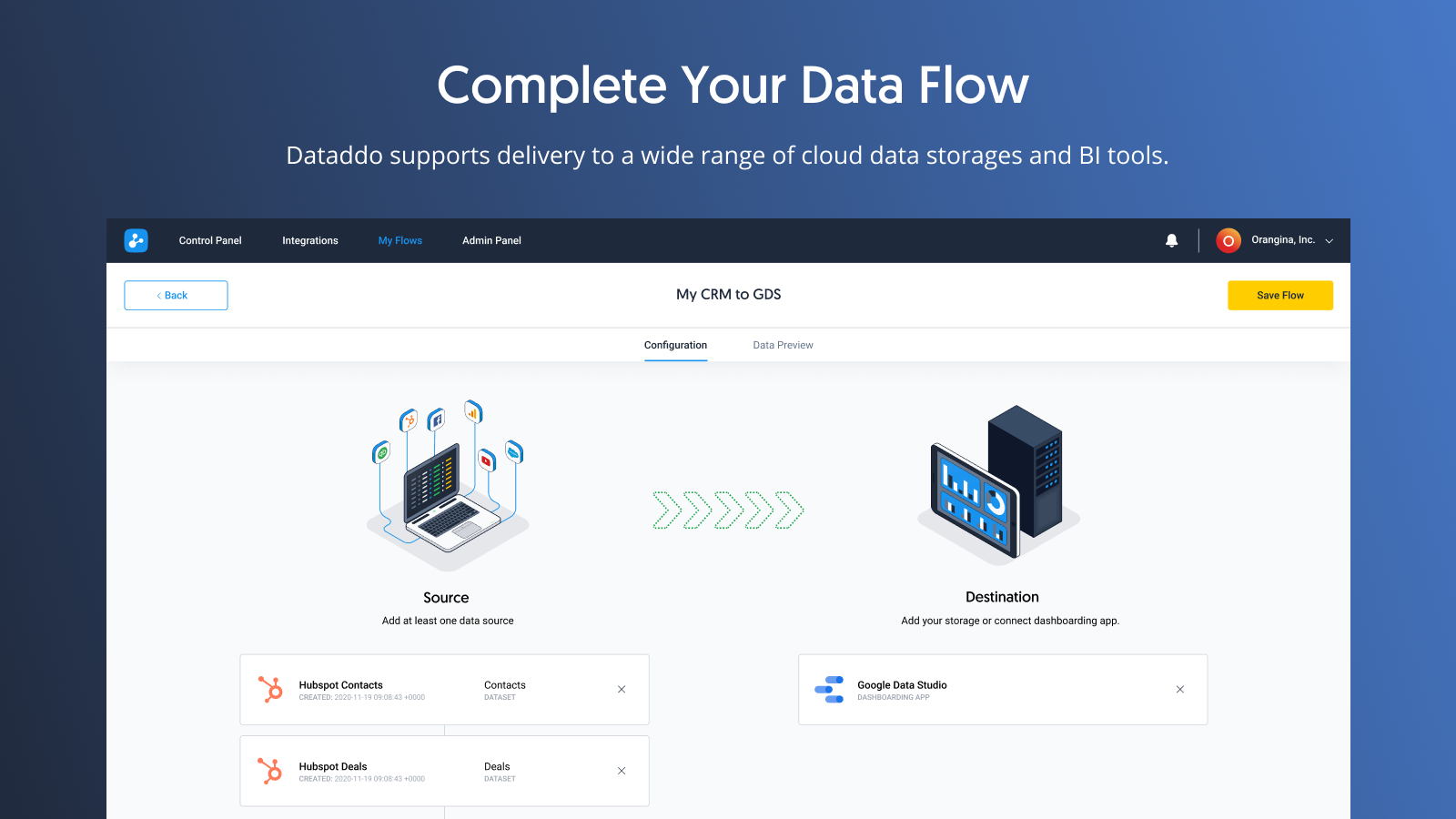 |