Chose DataRobot
N/A

| Product | Rating | Most Used By | Product Summary | Starting Price |
|---|---|---|---|---|
 DataRobot | N/A | The DataRobot AI Platform is presented as a solution that accelerates and democratizes data science by automating the end-to-end journey from data to value and allows users to deploy AI applications at scale. DataRobot provides a centrally governed platform that gives users AI to drive business outcomes, that is available on the user's cloud platform-of-choice, on-premise, or as a fully-managed service. The solutions include tools providing data preparation enabling users to explore and… | N/A | |
 Jupyter Notebook | N/A | Jupyter Notebook is an open-source web application that allows users to create and share documents containing live code, equations, visualizations and narrative text. Uses include: data cleaning and transformation, numerical simulation, statistical modeling, data visualization, and machine learning. It supports over 40 programming languages, and notebooks can be shared with others using email, Dropbox, GitHub and the Jupyter Notebook Viewer. It is used with JupyterLab, a web-based IDE for… | N/A |
| DataRobot | Jupyter Notebook | |||||||||||||||
|---|---|---|---|---|---|---|---|---|---|---|---|---|---|---|---|---|
| Editions & Modules | No answers on this topic | No answers on this topic | ||||||||||||||
| Offerings |
| |||||||||||||||
| Entry-level Setup Fee | No setup fee | No setup fee | ||||||||||||||
| Additional Details | — | — | ||||||||||||||
| More Pricing Information | ||||||||||||||||
| DataRobot | Jupyter Notebook | |
|---|---|---|
| Considered Both Products |  DataRobot  Ross Skelton Data and Insights Lead Chose DataRobot I've done machine learning through python before, however having to code and test each model individually was very time consuming and required a lot of expertise. The data Robot approach, is an excellent way of getting to a well placed starting point. You can then pick up the …  Suradech Kongkiatpaiboon Lead Process Engineer Chose DataRobot NA  Michael Green Data Scientist Chose DataRobot Leagues ahead of many other AutoML platforms like AzureML.  Amar Kumar Senior Data Science Manager Chose DataRobot DataBricks  K Aswini Kumar Global BI Manager Chose DataRobot The ease of use has been one significant factor and productionizing is the second one that stands out. Comparision across various models  Ignacio Vilaplana Lead Data Scientist Chose DataRobot DataRobot is the product that seemed to have the most professional platform all in all. It was also the best one for the second part of the model development, which is monitoring what the model is doing in production and governing what that model was doing, giving us the … |  Jupyter Notebook  Shivam Rai Senior Implementation Services Assistant Chose Jupyter Notebook Jupyter Notebook is very attractive platform for new developers to code and to learn programming and perform tasks as compared to other IDE. It has very well and easy visualization, interactive programming and sharing the live code and slideshow is very easy as compare to …  Lindsay Veazey Senior Data Scientist Chose Jupyter Notebook Jupyter Notebook is unique in that it offers a flexible, lightweight, easy-to-replicate way of organizing your code in a visually intuitive fashion that can be exported in a number of formats. I've found that the broad functionalities available within the notebooks suit a lot …  Ejaz Hussain Senior Analyst Chose Jupyter Notebook Well, so far Jupyter Notebook has been the better tool for me. It gives us more freedom & has more ability to train ML models & do the data visualization more efficiently. It's easier to operate & has a very simple-to-understand UI & with the support for taking data from …  Hemant Jajoo Machine Learning Intern Chose Jupyter Notebook It should have cleaner support for multi-environment setup and should also increase the amount of features. Moreover, more support should be present for other programming languages. It should also have the option to set a specific location that opens up whenever I run command …  Arpit Ranka Graduate Student Chose Jupyter Notebook haven't actually explored as I decided to use it on a friend 's recommendation.  Irene Rodríguez Alegre Data Scientist - HF Radar Chose Jupyter Notebook It was great to import and export data and plots using Jupyter |
| DataRobot | Jupyter Notebook | |||||||||||||||
|---|---|---|---|---|---|---|---|---|---|---|---|---|---|---|---|---|
| Platform Connectivity |
| |||||||||||||||
| Data Exploration |
| |||||||||||||||
| Data Preparation |
| |||||||||||||||
| Platform Data Modeling |
| |||||||||||||||
| Model Deployment |
|
| DataRobot | Jupyter Notebook | |
|---|---|---|
| Small Businesses |  InterSystems IRIS Score 7.7 out of 10 |  IBM Watson Studio Score 10.0 out of 10 |
| Medium-sized Companies | InterSystems IRIS Score 7.7 out of 10 |  Posit Score 10.0 out of 10 |
| Enterprises | InterSystems IRIS Score 7.7 out of 10 | Posit Score 10.0 out of 10 |
| All Alternatives | View all alternatives | View all alternatives |
| DataRobot | Jupyter Notebook | |
|---|---|---|
| Likelihood to Recommend | 8.6 (0 ratings) | 10.0 (0 ratings) |
| Likelihood to Renew | 6.3 (0 ratings) | - (0 ratings) |
| Usability | - (0 ratings) | 10.0 (0 ratings) |
| Support Rating | 8.2 (0 ratings) | 9.0 (0 ratings) |
| DataRobot | Jupyter Notebook | |
|---|---|---|
| Likelihood to Recommend |
|
|
| Pros |
|
|
| Cons |
|
|
| Likelihood to Renew |
| No answers on this topic |
| Usability | No answers on this topic |
|
| Support Rating |
 Iván Pech Escalante Director |
|
| Alternatives Considered |
Ross Skelton Data and Insights Lead |
Lindsay Veazey Senior Data Scientist |
| Return on Investment |
|
Lindsay Veazey Senior Data Scientist |
| ScreenShots | DataRobot Screenshots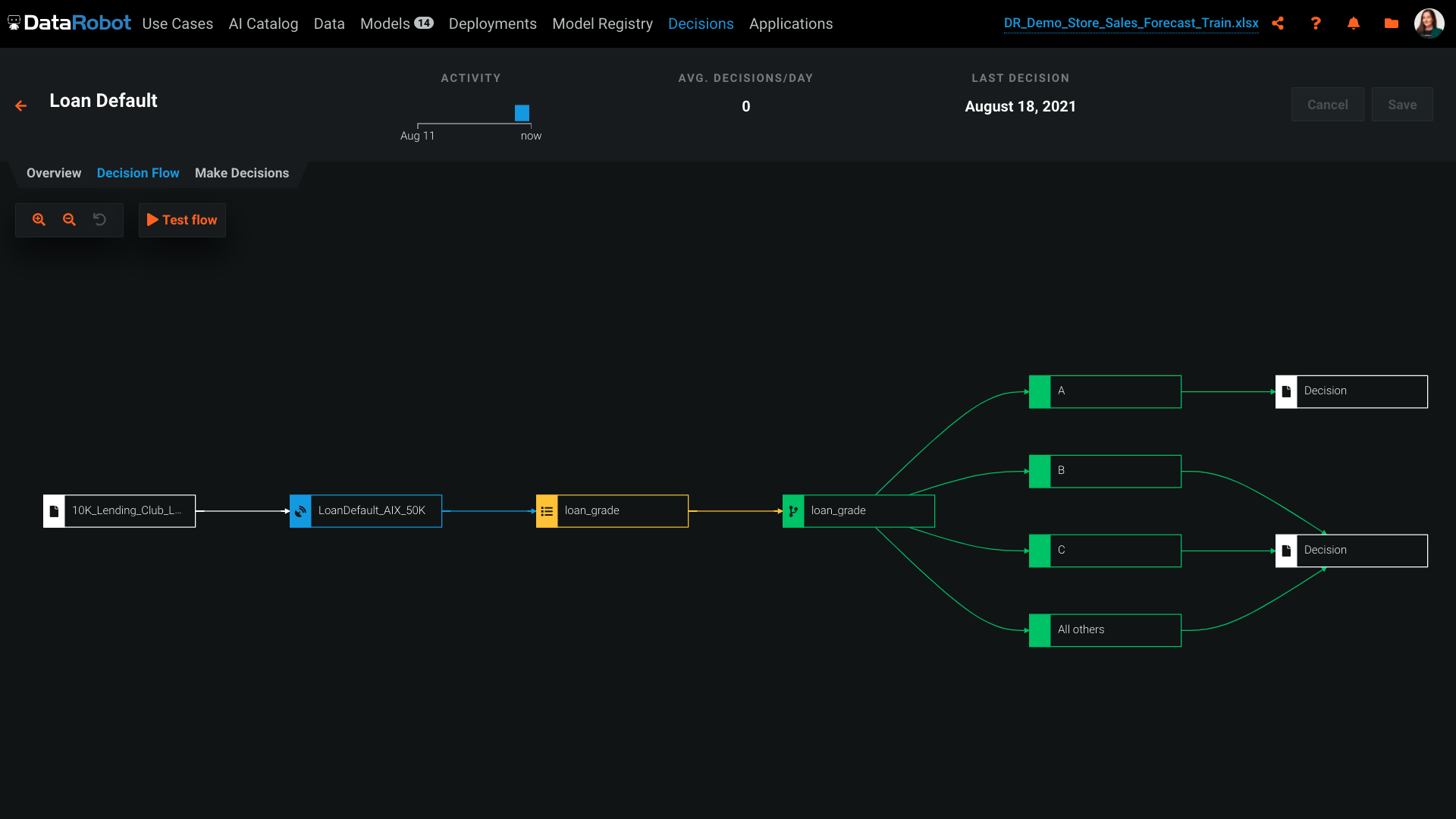   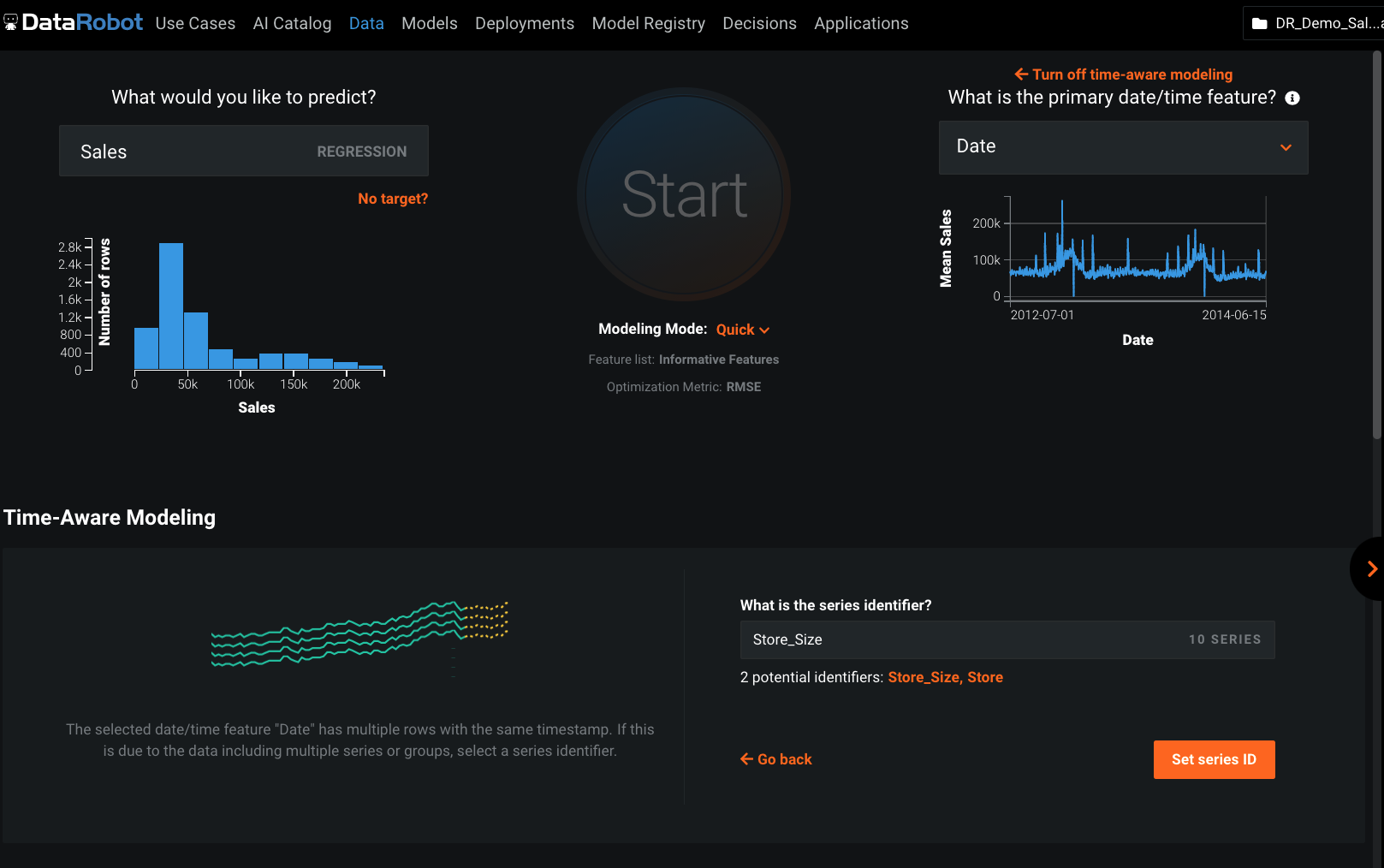  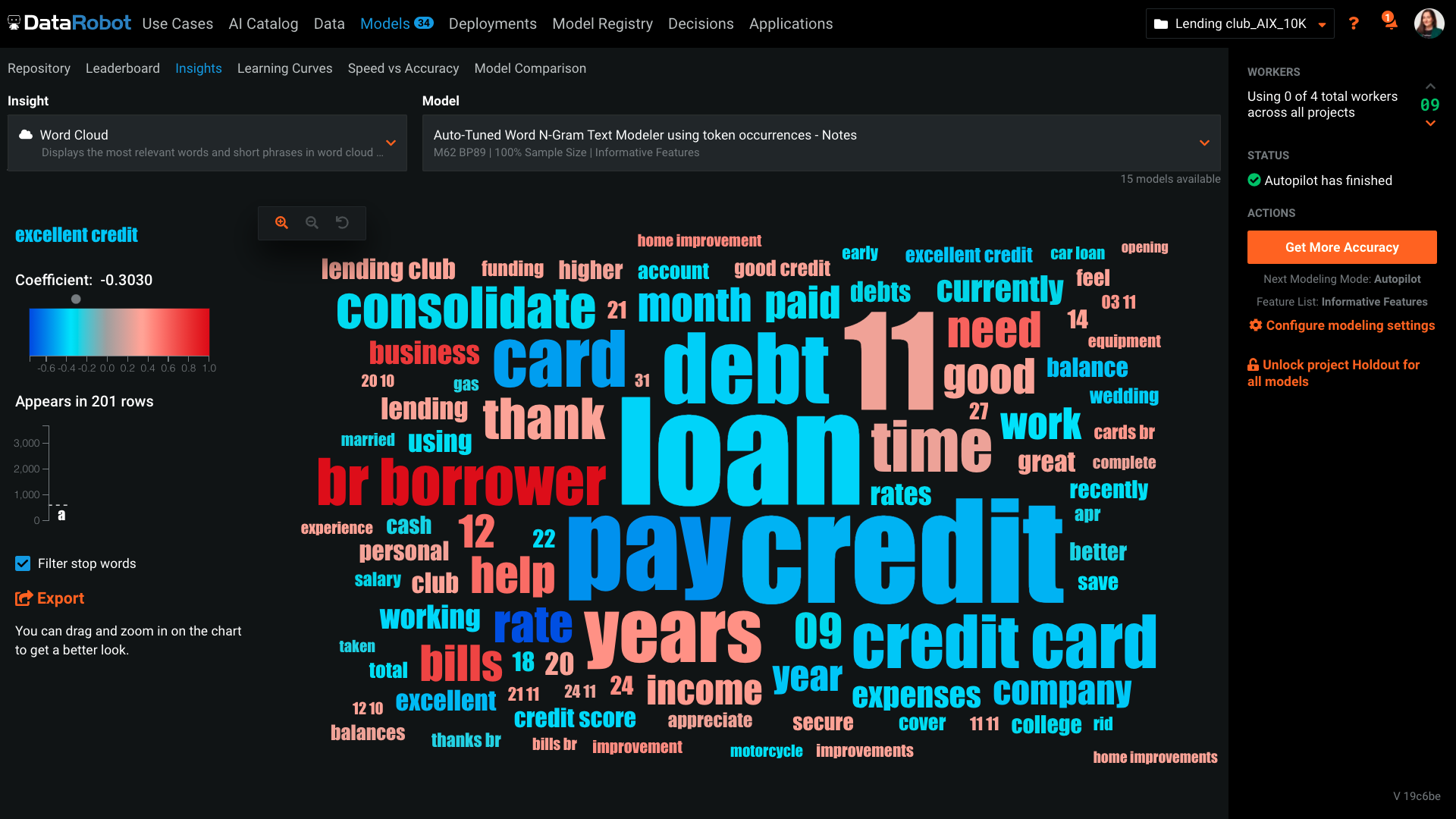 |