Chose Duda
WordPress, Wix, Square Online and Odoo

| Product | Rating | Most Used By | Product Summary | Starting Price |
|---|---|---|---|---|
 Duda | N/A | Duda, the eponymous platform from the company in Palo Alto, is a web design platform for companies that offer web design services to small businesses. The company serves customers from freelance web professionals to digital agencies, all the way up to the large hosting companies, SaaS platforms and online publishers. | $25 per month | |
 Umbraco CMS | N/A | Umbraco is an open-source .NET Core CMS with over 700,000 active installs worldwide and with more than 200,000 active community members. It was first released on February 16th, 2005, and is still to this day an open-source project backed by a commercial company. To ensure Umbraco is always running the latest technology, the company has aligned with Microsoft's .NET release schedule to always have the Umbraco CMS… | $0 |
| Duda | Umbraco CMS | |||||||||||||||
|---|---|---|---|---|---|---|---|---|---|---|---|---|---|---|---|---|
| Editions & Modules |
|
| ||||||||||||||
| Offerings |
| |||||||||||||||
| Entry-level Setup Fee | No setup fee | No setup fee | ||||||||||||||
| Additional Details | 25% discount available for annual pricing. | The Umbraco CMS and all of its core features are the same across all plans. | ||||||||||||||
| More Pricing Information | ||||||||||||||||
| Duda | Umbraco CMS | |
|---|---|---|
| Considered Both Products | Duda  Sarah Hokuf Owner Chose Duda Duda lets me customize the entire page. With Squarespace, many of the templates were limiting on editing the header and footer. Also in the past, I couldn't change the page title and page header to be different in Squarespace. This was not good for SEO. Wix is good but also a …  Alicia Gonzalez CEO (Chief Executive Officer) Chose Duda WordPress, Shopify and Shopify Plus  Ruan M. Marinho Owner Chose Duda Duda is miles ahead, the competitors are all trying to steal their marketshare. |  Umbraco CMS  Lori Jerome Digital Content Manager Chose Umbraco CMS Someone else selected before I came on board but I was open-minded and willing to give it a try.  Janus Kamp Hansen Developer Chose Umbraco CMS Episerver CMS and Sitecore Web Content Management  Jakub Wilk President & Co-Founder Chose Umbraco CMS We chose Umbraco because of their technology, and it was better than our previous CMS, Orchard, which was too complicated even for programmers. Orchard was very good but to develop something it required a really strong knowledge of this framework. In Umbraco it seems to be …  Debbie Marshall Operations Manager Chose Umbraco CMS We previously used Wordpress, however this was not easy to use, it was a complicated system and was limited in what we could achieve, there was a big outlay in buying bolts on and ensuring the system was safe. We found we where spammed loads, we tried to make it work however …  Jason Kelly Data Manager Chose Umbraco CMS Both are comparable. We selected Umbraco CMS because it used .NET instead of PHP. I would recommend choosing the CMS that your staff and technical people will be the most comfortable with.  Alex Lada Tech Director Chose Umbraco CMS Umbraco provides the best bang-for-the-buck CMS option on a .NET platform for those that cannot afford Sitecore. It is much friendlier to use than Ektron, is free to use, has commercial grade plugins that are not overly expensive, and provides the functionality that most …  Matthew Hardesty Founder Chose Umbraco CMS Umbraco vs WordPress Umbraco has more flexibility and customization options, but less features, reliability/stability, and community support. WordPress offers less customization for data and content, but it is immensely more stable, has better features /plugins, and includes an …  Filip Witkowski Web Developer Chose Umbraco CMS There is not really an alternative when it comes to CMS based on ASP.Net (MVC4 with Razor). There are a few frameworks, like Booststrap; however framework is not content management system. I will compare it to Drupal, because the second one is well known. Against Drupal, … |
| Duda | Umbraco CMS | |||||||||||||||||||||||||||
|---|---|---|---|---|---|---|---|---|---|---|---|---|---|---|---|---|---|---|---|---|---|---|---|---|---|---|---|---|
| Security |
| |||||||||||||||||||||||||||
| Platform & Infrastructure |
| |||||||||||||||||||||||||||
| Web Content Creation |
| |||||||||||||||||||||||||||
| Web Content Management |
|
| Duda | Umbraco CMS | |
|---|---|---|
| Small Businesses |  ManageWP Score 10.0 out of 10 | ManageWP Score 10.0 out of 10 |
| Medium-sized Companies |  RWS Tridion Sites Score 9.0 out of 10 | RWS Tridion Sites Score 9.0 out of 10 |
| Enterprises | RWS Tridion Sites Score 9.0 out of 10 | RWS Tridion Sites Score 9.0 out of 10 |
| All Alternatives | View all alternatives | View all alternatives |
| Duda | Umbraco CMS | |
|---|---|---|
| Likelihood to Recommend | 9.3 (0 ratings) | 6.0 (0 ratings) |
| Usability | - (0 ratings) | 8.0 (0 ratings) |
| Availability | - (0 ratings) | 7.0 (0 ratings) |
| Performance | - (0 ratings) | 3.0 (0 ratings) |
| Support Rating | - (0 ratings) | 2.0 (0 ratings) |
| Online Training | - (0 ratings) | 3.0 (0 ratings) |
| Implementation Rating | - (0 ratings) | 7.0 (0 ratings) |
| Product Scalability | - (0 ratings) | 4.0 (0 ratings) |
| Duda | Umbraco CMS | |
|---|---|---|
| Likelihood to Recommend |
|
Jason Kelly Data Manager |
| Pros |
Alicia Gonzalez CEO (Chief Executive Officer) |
Filip Witkowski Web Developer |
| Cons |
 Nat G. Rosasco Principal |
Alex Lada Tech Director |
| Usability |
|
|
| Reliability and Availability | No answers on this topic |
Matthew Hardesty Founder |
| Performance | No answers on this topic |
Matthew Hardesty Founder |
| Support Rating | No answers on this topic |
Matthew Hardesty Founder |
| Online Training | No answers on this topic |
Matthew Hardesty Founder |
| Implementation Rating | No answers on this topic |
Matthew Hardesty Founder |
| Alternatives Considered |
Sarah Hokuf Owner |
Debbie Marshall Operations Manager |
| Scalability | No answers on this topic |
Matthew Hardesty Founder |
| Return on Investment |
|
Filip Witkowski Web Developer |
| ScreenShots | Umbraco CMS Screenshots    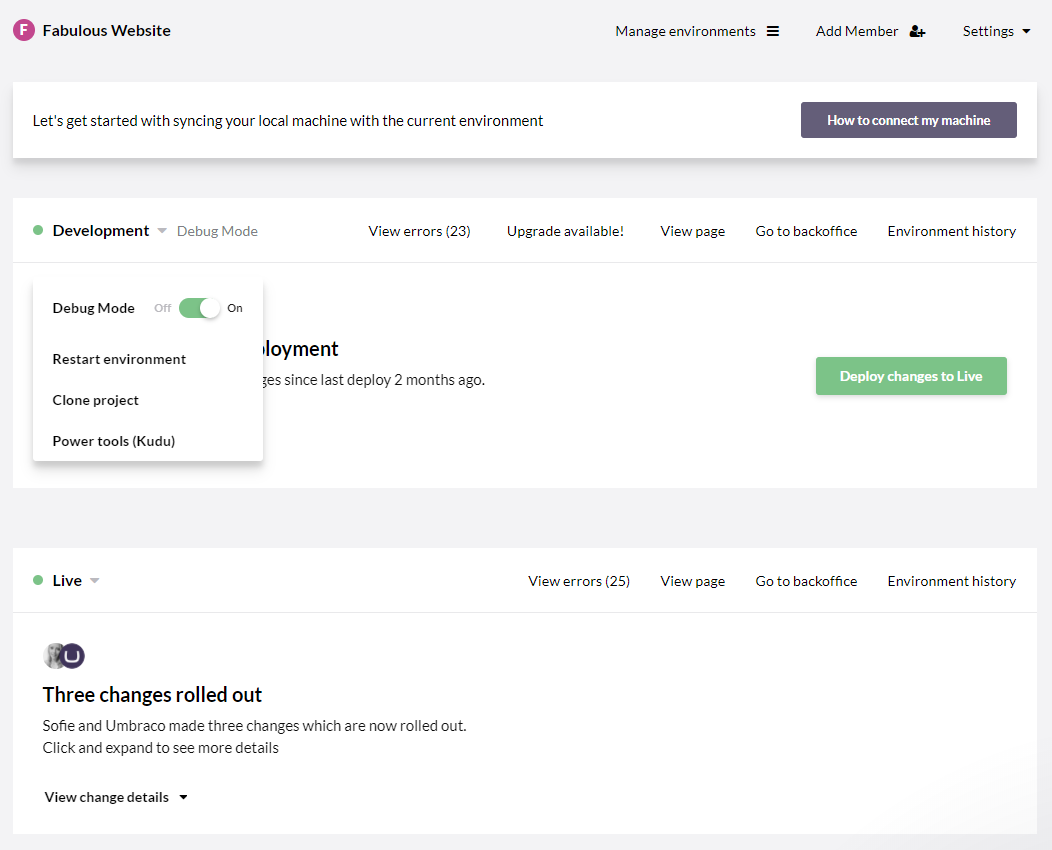 |