Google Cloud Natural Language API vs. Rasa

Overview
ProductRatingMost Used ByProduct SummaryStarting Price
Google Cloud Natural Language API
Score 0.0 out of 10
N/A
The Google Cloud Natural Language API is a cloud-based service that provides natural language processing capabilities. It can be used to analyze text, identify entities, extract information, and answer questions.N/A
Rasa
Score 6.0 out of 10
Enterprise companies (1,001+ employees)
Rasa is a conversational AI platform from the company of the same name headquartered in San Francisco, enabling enterprises to build customer experiences. Rasa’s platform was built to create enterprise-grade virtual assistants, allowing personalized conversations with customers - at scale. Rasa’s conversational AI platform allows companies to build better customer experiences by lowering costs through automation, improving customer satisfaction, and providing a scalable way to gather customer…
$0
Pricing
Google Cloud Natural Language APIRasa
Editions & Modules
No answers on this topic
Developer Edition
$0
Growth
starting at $35k
Enterprise
Contact Sales
Offerings
Pricing Offerings
Google Cloud Natural Language APIRasa
Free Trial
NoYes
Free/Freemium Version
NoYes
Premium Consulting/Integration Services
NoNo
Entry-level Setup FeeNo setup feeNo setup fee
Additional Details
More Pricing Information
Community Pulse
Google Cloud Natural Language APIRasa
Considered Both Products
Google Cloud Natural Language API

No answer on this topic

Rasa
Chose Rasa
The NLU algorithms are more efficient in Rasa. Creating conversations is much easier. In IBM, the more use cases we created, the more complicated it was to up date the entire model. It was quite common to mess up what had already been done.Rasa has greater scope for use with …
Chose Rasa
Glean - proprietary semantic search algorithms, no backend actions integration
IBM Watsonx - complicated dialogue builder, poor separation of no-code and pro-code interfaces
ELMOS (agent based) - all logic in code, no dialogue logic in no-code interface possible
Best Alternatives
Google Cloud Natural Language APIRasa
Small Businesses
IBM Watson Studio
IBM Watson Studio
Score 10.0 out of 10
LocaliQ
LocaliQ
Score 9.0 out of 10
Medium-sized Companies
PG Forsta HX Platform
Score 8.0 out of 10
Piper the AI SDR by Qualified
Score 9.2 out of 10
Enterprises
PG Forsta HX Platform
Score 8.0 out of 10
Conversica
Conversica
Score 9.9 out of 10
All AlternativesView all alternativesView all alternatives
User Testimonials
Google Cloud Natural Language APIRasa
Likelihood to Recommend
No answers on this topic
I have been using the platform for over 3 years and I have noticed a very good evolution, in an attempt to reinvent themselves. The support team is amazing, always available to work out with us in achieving the best results. About the technology, the algorithms available in the platform suits most of the cases. Being language agnostic is a very positive point for us, because some big tech platforms have little support for PT-PT language.
Read full review
Pros
No answers on this topic
  • Rasa team has Top notch AI knowledge
  • Greate customer support, by listening towards the clients needs.
  • And building future proof solutions around client Business Requirements within dazzling timeframes
Read full review
Cons
No answers on this topic
  • Rasa CALM flows and Rasa domain could be made fully independent of the Rasa training process and dynamically retrievable from e.g. a graph DB. This would make the chatbot more flexible.
  • Prompt templates, or at least paths could be referenced in Rasa config. Different policies in the Rasa config could then be configured without code change to use different prompt templates
  • LLM configuration should rather be part of the endpoints, than model configuration.
  • Rasa Studio could support all the functionality of Rasa Pro.
Read full review
Usability
No answers on this topic
With the help of dedicated team - documentation and video resources it is relatively easier to build. We prioritized pro-code usage to begin with launch.
Read full review
Support Rating
No answers on this topic
Rasa support has been very responsive, trying to fix any reported issues ASAP. They've also listened to many requests for improvement. The Rasa features and changelog are well documented
Read full review
Alternatives Considered
No answers on this topic
Glean - proprietary semantic search algorithms, no backend actions integration IBM Watsonx - complicated dialogue builder, poor separation of no-code and pro-code interfaces ELMOS (agent based) - all logic in code, no dialogue logic in no-code interface possible Rasa - transparent and simple sharing of objects between no-code and pro-code interfaces. Transparent LLM usage and restrictions. Simple backend integration via Rasa SDK
Read full review
Return on Investment
No answers on this topic
  • Reduced Human Connected Calls Per active User
  • Improved Calls disposed by Voice Agent
  • Reduced call wait times
Read full review
ScreenShots

Rasa Screenshots

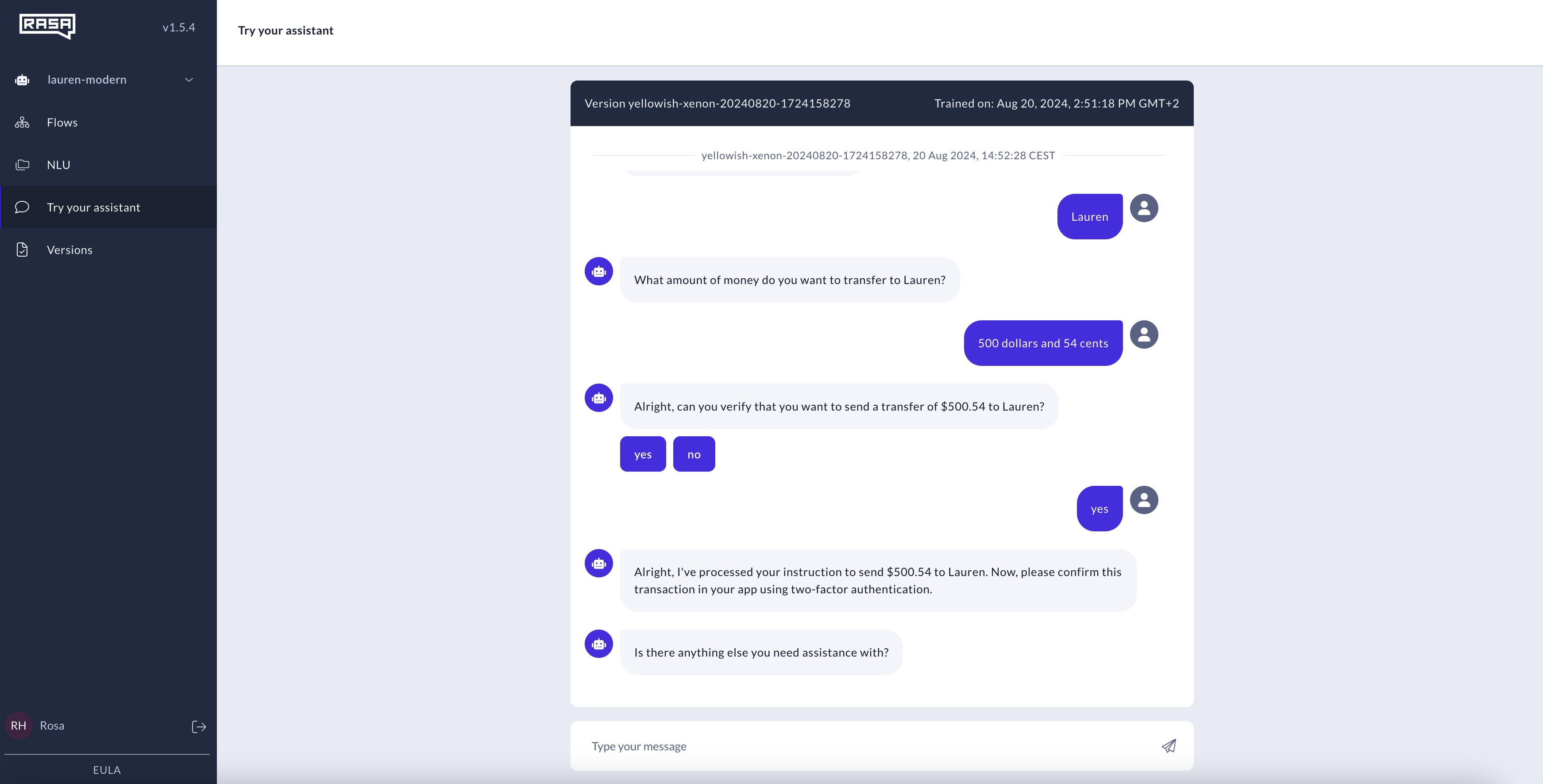
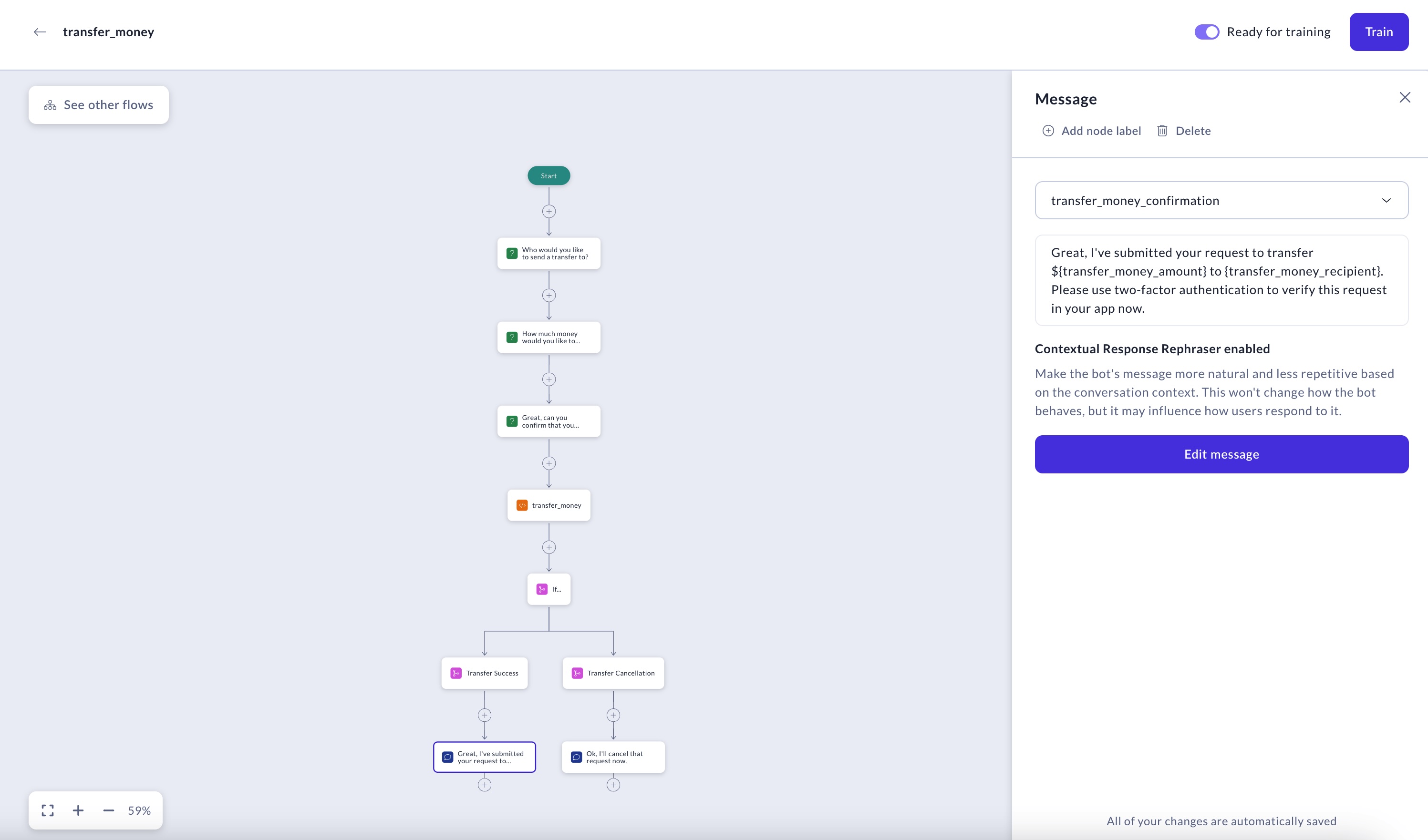
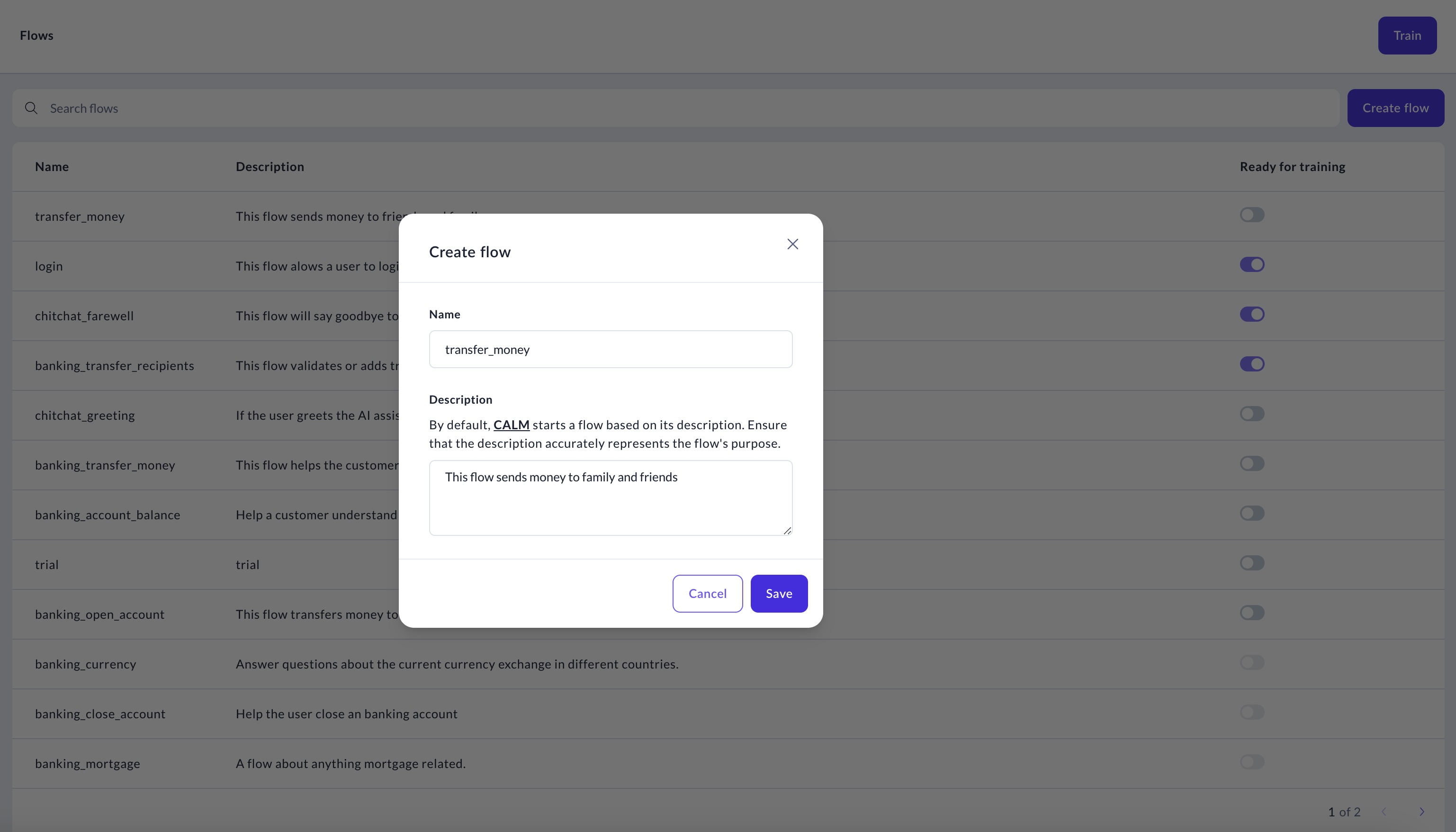
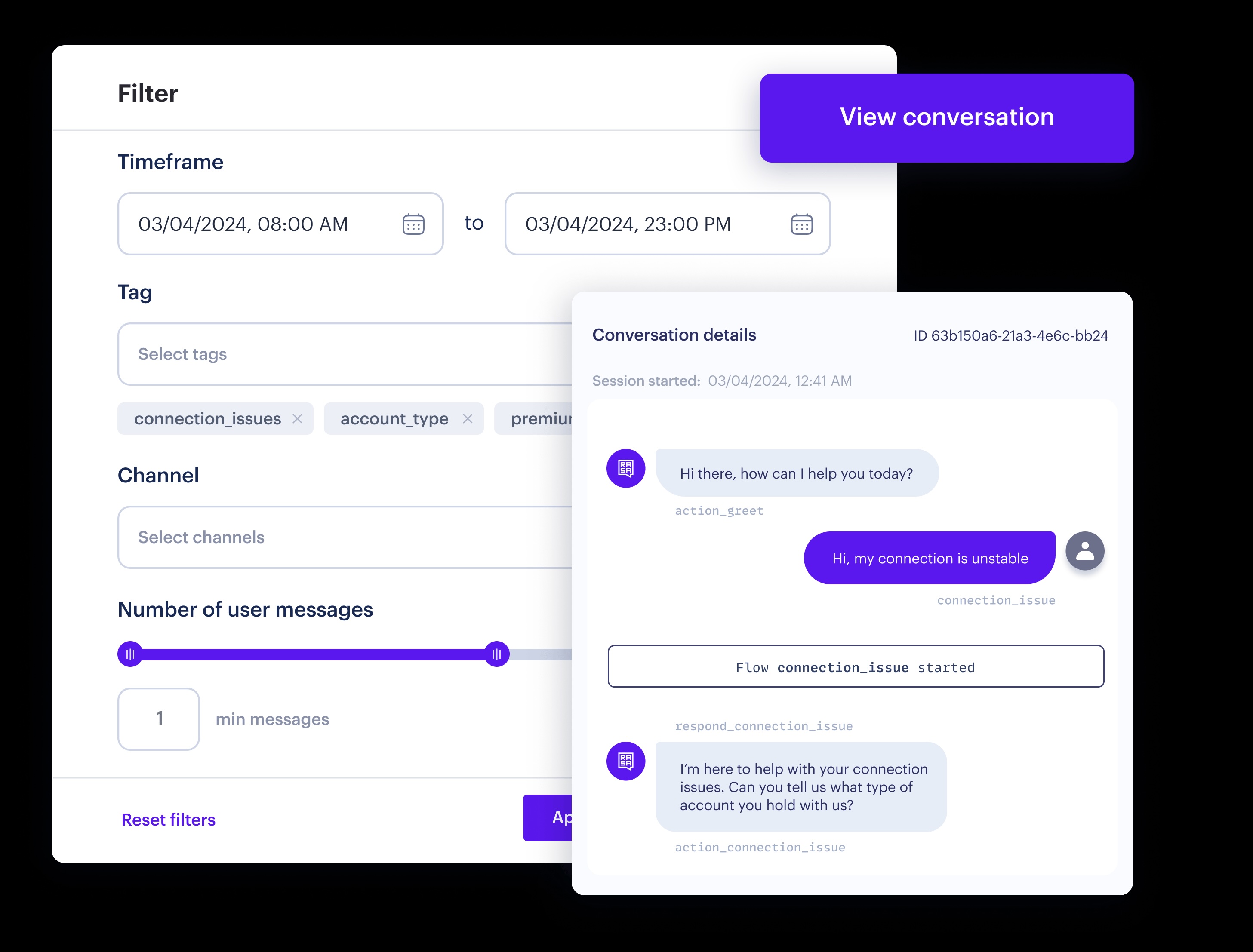
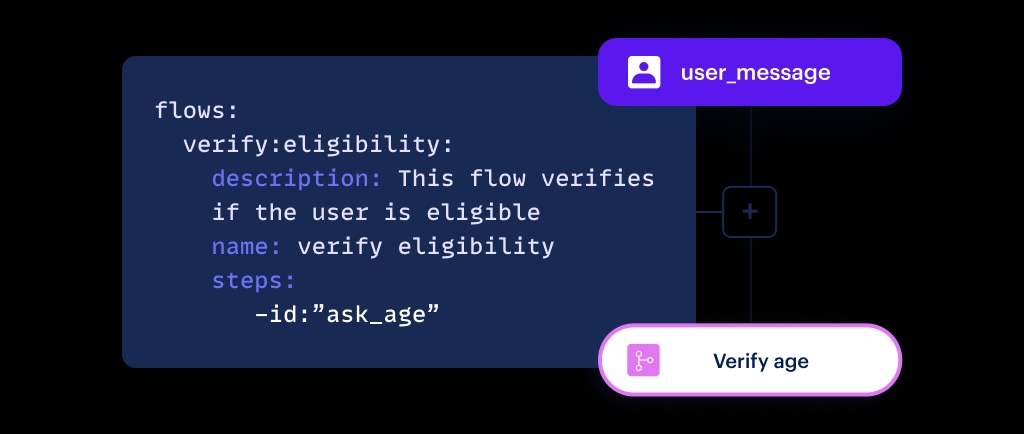
Screenshot of the Studio interface, where a new Flow can be tried out. The user can trace the flow of conversation through the AI Assistant to test and debug new developments.Screenshot of the extensible generative conversational AI framework in a no-code user interface, which enables business users to drag and drop dialogue components for easier AI assistant development.Screenshot of central content management to curate the AI Assistant training data. Users can repurpose and reuse assistant data: search, add, edit, and update assistant data directly in Studio.Screenshot of where analysts, testers, and builders can review user conversations to optimize the AI assistant performance and improve the user experience. Filter and tag key conversations for review, and share within a team for increased collaboration and efficiency.Screenshot of the fully transparent conversational AI enables deep customization and explainability enabling a high-performance architecture.