IBM® DataStage® is a data integration tool that helps users to design, develop and run jobs that move and transform data. At its core, the DataStage tool supports extract, transform and load (ETL) and extract, load and transform (ELT) patterns. A basic version of the software is available for on-premises deployment, and the cloud-based DataStage for IBM Cloud Pak® for Data offers automated integration capabilities in a hybrid or multicloud environment.
N/A
SolarWinds Task Factory
Score 8.2 out of 10
N/A
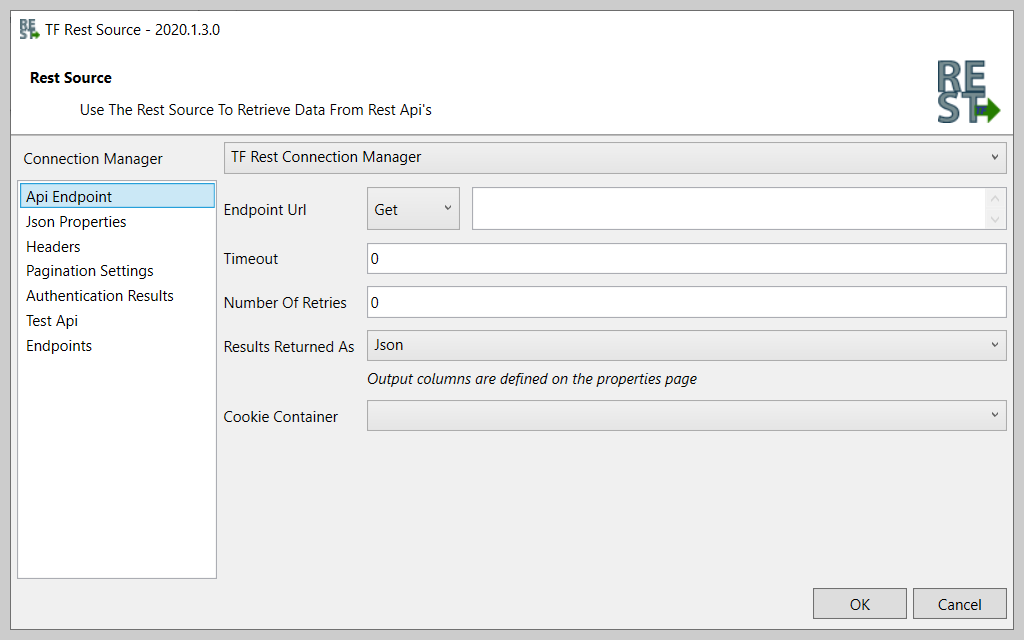
According to the vendor, SolarWinds Task Factory saves time managing tedious ELT/ETL tasks with high-performing SQL Server Integration Services (SSIS) components that can be used within the Visual Studio environment to connect to nearly any data source. Task Factory’s components and tasks have been optimized to ensure fast performance of data-centric applications, and the user can run Task Factory…
N/A
Pricing
IBM DataStage
SolarWinds Task Factory
Editions & Modules
No answers on this topic
Task Factory
1,245 (annual subscription license)
per server
Task Factory Azure Data Factory
1,495 (annual subscription license)
per ADF node
Offerings
Pricing Offerings
IBM DataStage
SolarWinds Task Factory
Free Trial
Yes
Yes
Free/Freemium Version
No
Yes
Premium Consulting/Integration Services
No
No
Entry-level Setup Fee
No setup fee
No setup fee
Additional Details
—
—
More Pricing Information
Community Pulse
IBM DataStage
SolarWinds Task Factory
Features
IBM DataStage
SolarWinds Task Factory
Data Source Connection
Comparison of Data Source Connection features of Product A and Product B
IBM DataStage
9.5
Ratings
12% above category average
SolarWinds Task Factory
9.4
Ratings
11% above category average
Connect to traditional data sources
10.00 Ratings
9.40 Ratings
Connecto to Big Data and NoSQL
9.00 Ratings
00 Ratings
Data Transformations
Comparison of Data Transformations features of Product A and Product B
IBM DataStage
8.0
Ratings
2% below category average
SolarWinds Task Factory
9.2
Ratings
12% above category average
Simple transformations
8.00 Ratings
8.70 Ratings
Complex transformations
8.00 Ratings
9.60 Ratings
Data Modeling
Comparison of Data Modeling features of Product A and Product B
IBM DataStage
6.3
Ratings
23% below category average
SolarWinds Task Factory
-
Ratings
Data model creation
5.00 Ratings
00 Ratings
Metadata management
5.00 Ratings
00 Ratings
Business rules and workflow
6.00 Ratings
00 Ratings
Collaboration
6.00 Ratings
00 Ratings
Testing and debugging
6.00 Ratings
00 Ratings
Data Governance
Comparison of Data Governance features of Product A and Product B
Excellent Cloud data mapping tool and easy creating multiple project data analytics in real-time and the report distribution are excellent via this IBM product. Easy tool to provide data visualization and the integration is effective and helpful to migrating huge amounts of data across other platforms and different websites insights gathering.
Since I started working with this great tool all data analysis programs have been running effectively. Implementation of projects and tasks have been effective and reliable. Data collected from each department gives us working plan on better management of various programs. The Dimension Merge SCD Transform helps us to load large volumes of data within a short period of time.
It was built by Pragmatic Works who sold it to SentryOne and now Solar Winds, concerned about future support. SolarWinds is discontinuing support for related products such as BiXpress.
Had issues with connecting to certain versions of SQL Server - would fail when deploying one package - had to deploy the entire solutions.
Occasional random failures observed with the Filter tranform.
Task Factory has become a key product for our use of doing ETL work in SSIS. Their custom SSIS components allow us to work simply on the data engineering side of things. We can ignore the lower level work needed to connect to disparate data sources. This allows us to work faster and provide more value to the business
Because it is a flexible tool that can manage many flows and create a strong solution with a interesting use of variables. Easy to scale up as you can copy jobs arleady build and modify them. SQL queries allow to be fast in development and have the pushdown feature, but you loose a little of user friendly look. Metadata management is not strong as a visual feature, but can be determine by job codes.
It could load thousands of records in seconds. But in the Parallel version, you need to understand how to particionate the data. If you use the algorithms erroneously, or the functionalities that it gives for the parsing of data, the performance can fall drastically, even with few records. It is necessary to have people with experience to be able to determine which algorithm to use and understand why.
IBM offers different levels of support but in my experience being and IBM shop helps to get direct support from more knowledgeable technicians from IBM. Not sure on the cost of having this kind of support, but I know there's also general support and community blogs and websites on the Internet make it easy to troubleshoot issues whenever there's need for that.
Overall, the best vendor we currently have on the data side of the house. No issues, issues are resolved very quickly and upgrades go without any issues.
No, it wasn’t my decision to use such an ETL product. I’m just the administrator at this point. I’ve heard there are other products there that are even on cloud support. That is much easier to use, more agile, and user-friendly. That doesn’t have that barrier from user to administrator to the developer standpoint.
I've not found too many tools to bolt onto SSIS that encompass what you get with Task Factory. I have used some Enterprise ETL tools like Dell's Boomi, but did not find it to be very intuitive. Task Factory does not leave you guessing how to use its components. Additionally, their support is very responsive and helpful.
Not directly related to ROI or cost figures. Only comment here is that IBM tools tend to be more costly than average ETL tools, but it depends on if the company is an IBM shop.
One positive aspect is the company has had not a need to switch ETL tool for years.
Upgrading to newer versions of the tool brings flexibility in the tool and up-to-date features in relation to other applications.
We were able to support our developers with Task Factory features and reduce the development time by 40%.
Recently Task Factory has changed their pricing module and it seems to be pretty costly for our process. Our business team has started to evaluate whether this is worth it going forward.