Chose Kibo eCommerce
Shopify, Adobe Commerce (Magento Commerce), Squarespace and BigCommerce

| Product | Rating | Most Used By | Product Summary | Starting Price |
|---|---|---|---|---|
 Kibo eCommerce | N/A | Kibo Software offers Kibo eCommerce (formerly Mozu), designed to support retailers with online offer creation and deployment, content publishing and landing pages, and many tools and widgets out of the box with a retail-oriented ecommerce solution. Mozu was acquired by Kibo Software from Volusion in October 2016. | N/A | |
 SAP Commerce Cloud | N/A | SAP Commerce Cloud (formerly Hybris) is designed to help businesses sell more goods, services, and digital content through every touchpoint, channel, and device through their multichannel ecommerce and order management solution, available as a SaaS or on-premise. | N/A |
| Kibo eCommerce | SAP Commerce Cloud | |||||||||||||||
|---|---|---|---|---|---|---|---|---|---|---|---|---|---|---|---|---|
| Editions & Modules | No answers on this topic | No answers on this topic | ||||||||||||||
| Offerings |
| |||||||||||||||
| Entry-level Setup Fee | No setup fee | No setup fee | ||||||||||||||
| Additional Details | — | — | ||||||||||||||
| More Pricing Information | ||||||||||||||||
| Kibo eCommerce | SAP Commerce Cloud | |
|---|---|---|
| Considered Both Products |  Kibo eCommerce  Tim Lavinder Director of Digital Strategy Chose Kibo eCommerce We had a very strong list of products we were considering. And all had their own strengths. But the two things that lead us to choose Kibo over all of these other platforms was the pricing capabilities in Kibo, their ability to manage distributed inventory, and the powerful …  Brandon Finch Vice President of Global eBusiness Chose Kibo eCommerce We had a custom, in-house ecommerce website before moving to Kibo. It was brittle, slow, and wasn't going to scale nearly well enough or fast enough to keep up with our requirements.  Mickey Luongo Vice President Chose Kibo eCommerce Mozu has more robust product management tools than volusion but is worse when it comes to order management. It is still missing simple features that any platform should have on day one. They have ignored requests for improvements. |  SAP Commerce Cloud  Gonzalo Sanchez Head of Product Innovation Chose SAP Commerce Cloud I have worked with Salesforce Commerce Cloud and Adobe Commerce. As for the alternatives, SAP Commerce Cloud is much more adaptable with other SAP systems, as it becomes a part of a single data environment. The reason for selecting SAP Commerce Cloud was considered because of …  Durgesh Kumar Yadav SR. Manager IT Projects Chose SAP Commerce Cloud Axiom Sales Force Development  Dan McRitchie President Chose SAP Commerce Cloud SAP Cloud is much better than Godaddy. it was a smooth transition and every aspect of the program is easier. My scalability increased greatly from Godaddy to SAp Commerce Cloud and sales are now tracked easier and inventory is at the touch of a button, making sales much easier …  Oscar Alcalá Software Architect Chose SAP Commerce Cloud Against Odoo: SAP Commerce Cloud is primarily an e-commerce platform as we call it, a vertical solution. Odoo on the other hand is a Monolithic ERP with an E-commerce app not specifically designed for high performance on the web. Against Shopify: Shopify is more of an …  Micah Platt Commercial Account Executive Chose SAP Commerce Cloud Having worked with other SAP tools we knew the sales team and how they structure the product offerings. We also felt it was much more robust compared to the other newer or leaner offerings in the space. We couldn't have a downturn or an outage in the business. That wasn't an …  Charles Ahn Director Chose SAP Commerce Cloud SAP Commerce Cloud is best suited for companies that already have a SAP heavy back office.  Rajiv Thakur Sr. Manager IT Chose SAP Commerce Cloud SAP Concur, SAP ERP, SAP Enterprise Portal, SAP NetWeaver Application Server and SAP Supply Chain Management  Sandra Hazard Product Marketing Manager Chose SAP Commerce Cloud The SAP Commerce cloud solution is easy to connect with other SAP software that we already use in the organization, and I can state that it assists me in achieving the best implementations produced in various contexts without any trouble or failure, and we can track everything … |
| Kibo eCommerce | SAP Commerce Cloud | ||||||||||||||||||||||||||||||
|---|---|---|---|---|---|---|---|---|---|---|---|---|---|---|---|---|---|---|---|---|---|---|---|---|---|---|---|---|---|---|---|
| Online Storefront |
| ||||||||||||||||||||||||||||||
| Online Shopping Cart |
| ||||||||||||||||||||||||||||||
| Online Payment System |
| ||||||||||||||||||||||||||||||
| eCommerce Marketing |
| ||||||||||||||||||||||||||||||
| eCommerce Business Management |
|
| Kibo eCommerce | SAP Commerce Cloud | |
|---|---|---|
| Small Businesses |  Ecwid by Lightspeed Score 10.0 out of 10 | Ecwid by Lightspeed Score 10.0 out of 10 |
| Medium-sized Companies |  Shopify Plus Score 9.0 out of 10 | Shopify Plus Score 9.0 out of 10 |
| Enterprises |  IBM Digital Commerce Score 9.0 out of 10 | IBM Digital Commerce Score 9.0 out of 10 |
| All Alternatives | View all alternatives | View all alternatives |
| Kibo eCommerce | SAP Commerce Cloud | |
|---|---|---|
| Likelihood to Recommend | 7.9 (0 ratings) | 8.2 (0 ratings) |
| Likelihood to Renew | - (0 ratings) | 10.0 (0 ratings) |
| Usability | - (0 ratings) | 8.1 (0 ratings) |
| Support Rating | 1.0 (0 ratings) | 10.0 (0 ratings) |
| Implementation Rating | 1.0 (0 ratings) | 9.1 (0 ratings) |
| Ease of integration | - (0 ratings) | 9.6 (0 ratings) |
| Product Scalability | - (0 ratings) | 9.6 (0 ratings) |
| Kibo eCommerce | SAP Commerce Cloud | |
|---|---|---|
| Likelihood to Recommend |
Mickey Luongo Vice President |
|
| Pros |
|
|
| Cons |
Tim Lavinder Director of Digital Strategy |
 Paul Visvardis CEO (Chief Executive Officer) |
| Likelihood to Renew | No answers on this topic |
 Erin Riggers Presentation Layer Architect & Development Manager |
| Usability | No answers on this topic |
|
| Support Rating |
Mickey Luongo Vice President |
 zahit bogus Business Intelligence & Database Consultant |
| Implementation Rating |
Mickey Luongo Vice President |
 Chetan Chopade SAP Cx Manager |
| Alternatives Considered |
Brandon Finch Vice President of Global eBusiness |
|
| Scalability | No answers on this topic |
Dan McRitchie President |
| Return on Investment |
|
Sandra Hazard Product Marketing Manager |
| ScreenShots | Kibo eCommerce Screenshots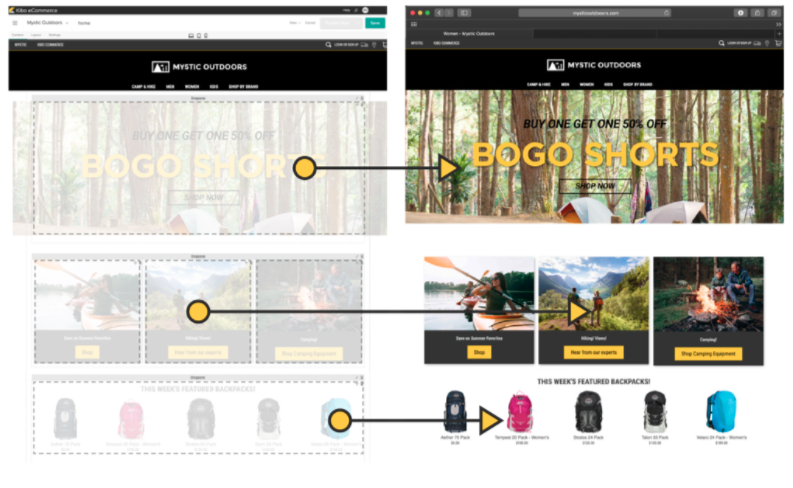  | SAP Commerce Cloud Screenshots 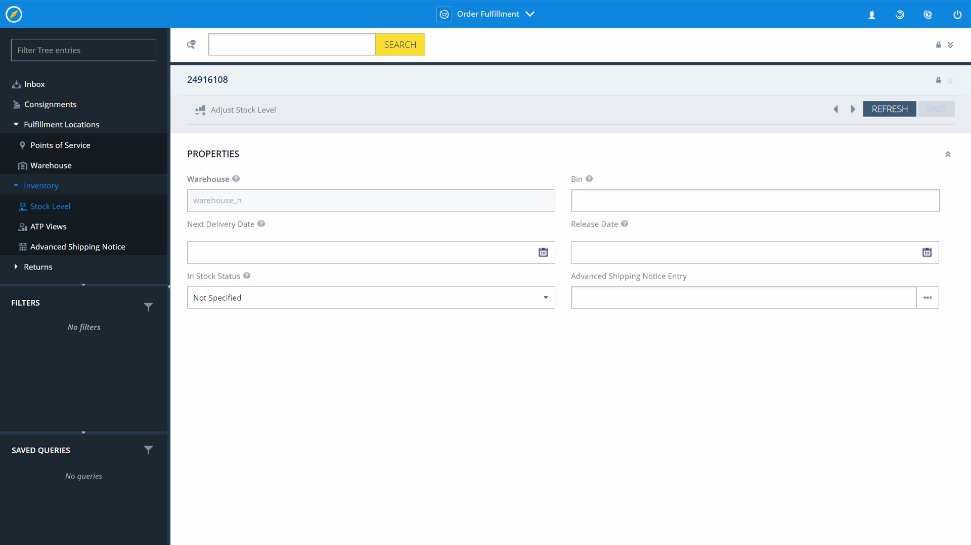     |