Chose Kintone
Kintone wasn’t cookie cutter like the other options I consider. It was customizable and had great customer service to help me make it what I need.

| Product | Rating | Most Used By | Product Summary | Starting Price |
|---|---|---|---|---|
 Kintone | N/A | Kintone is a customizable digital workplace platform that lets the user manage data, tasks, and communication in one central place. Over 30,000 customers use Kintone’s no-code platform with more than 1.5 million database and workflow applications custom built for their businesses. The no-code drag-and-drop interface can be used to create custom database applications. Whether it’s sales leads, customer quotes, or inventory management, it can be organized in Kintone and viewed from the… | $24 per month per user | |
 Oracle CRM On Demand | N/A | The basis of this offering is the Market2Lead product that Oracle acquired in 2010. It has now been fully integrated with Oracle's On Demand CRM product and is a full-featured marketing automation product with features from lead management and nurturing, to measuring marketing ROI. | N/A |
| Kintone | Oracle CRM On Demand | |||||||||||||||
|---|---|---|---|---|---|---|---|---|---|---|---|---|---|---|---|---|
| Editions & Modules |
| No answers on this topic | ||||||||||||||
| Offerings |
| |||||||||||||||
| Entry-level Setup Fee | Optional | No setup fee | ||||||||||||||
| Additional Details | All subscriptions have a minimum requirement of 5 users. | — | ||||||||||||||
| More Pricing Information | ||||||||||||||||
| Kintone | Oracle CRM On Demand | |
|---|---|---|
| Considered Both Products |  Kintone  Farshad Karimi Implementation Manager Chose Kintone More customizable in my opinion and free, though Kintone has drag and drop which is excellent and my favorite part.  Caneel Johnson Database Developer Chose Kintone Previously we used, sequalm access, and something called CSST. None of them were as dynamic or easy to build and update as Kintone.  Shin Kishioka PRESIDENT Chose Kintone Salesforce CMS  Carmen Miller Project Manager Chose Kintone Monday.com — I used this in my previous job and loved it for tracking stages and tasks (and I color-code everything), but at the time it was more clunky on raw data. It may have improved in this since then? Kintone is strong on data and I still color-code everything! …  Becca Rusinko Life Coach Chose Kintone We selected Kintone because it was the best combination of price and function. We needed something that could grow and scale with the organization, and that included looking at future prices. We didn't want to invest in something if we would be priced out five new users later. …  Beth Barker-Hidalgo She/Her/Tawanda Executive Director Chose Kintone Kintone is much more customizable and user-friendly than Access. We also have experience with Service Point - Kintone is again, much more customizable. We would love a two-way interface between Kintone and Service ice Point. That would be a tremendous bonus for capturing & … | Oracle CRM On Demand  Randi Yeaman Inside Sales Coordinator / CRM / Laboratory Chose Oracle CRM On Demand It is right in line with Insightly. Salesforce has more integrations and it is easy to call in for help solutions. This is more self taught and working to build your own system that is best for your company's needs. Very good CRM for the price. Easy to follow instructions and …  Hammad Bin Idrees Acting Project Manager Chose Oracle CRM On Demand Oracle Siebel CRM and Microsoft Dynamics 365 (formerly Microsoft Dynamics CRM)  Cameron Walker Sales Executive Chose Oracle CRM On Demand Oracle CRM is much more robust with more functionality. The UI is visually appealing and it is more user friendly. Siebel is more budget friendly and more of a bare bones CRM.  Jane Kabochi Human Resource Officer Chose Oracle CRM On Demand Oracle CRM is popular and integrates well with other Oracle family software hence improving its usage and productivity in your company. The software is also easy to deploy, install and use in your company and further fits in all organizations whether small or big. It's also one …  Richard Gichangi Marketing Manager Chose Oracle CRM On Demand Oracle CRM comes in various subscription plans that are lowly priced and one chooses their preferred plan based on the cost incurred and the size of your company. On top of that, Oracle CRM offers a free trial to new customers where they can acquire the software and use to …  Jenny lester Mobile developer Chose Oracle CRM On Demand Oracle on demand is customizable and I can configure to meet the complex of customers unique needs. Compared to other software similar to Oracle On Demand it is seamless and very stable with regular maintenance.  Denis Alessio 🇭🇷 Individual Contributor [Volounteer] Chose Oracle CRM On Demand Oracle CRM is a more stable solution for your CRM needs.  Joseph R. Sweeney Senior Analyst Chose Oracle CRM On Demand Salesforce does not have the same level of user friendliness or organization that Oracle CRM does. Oracle CRM has much more flexibility and allows for more freedom in reporting and displaying sales data.  Simon Vargas Director Of Business Development Chose Oracle CRM On Demand It is easily integrated. Because of this we are able to adapt to this program quickly since it is connected to our other CRM. Ultimately, it is about having a proper way to track our customers to service all of their needs. This creates an organized approach and can be custom …  Seema Yadav Technology Lead Chose Oracle CRM On Demand Salesforce.com |
| Kintone | Oracle CRM On Demand | ||||||||||||||||||||||||||||||
|---|---|---|---|---|---|---|---|---|---|---|---|---|---|---|---|---|---|---|---|---|---|---|---|---|---|---|---|---|---|---|---|
| Low-Code Development |
| ||||||||||||||||||||||||||||||
| Sales Force Automation |
| ||||||||||||||||||||||||||||||
| Customer Service & Support |
| ||||||||||||||||||||||||||||||
| Marketing Automation |
| ||||||||||||||||||||||||||||||
| CRM Project Management |
| ||||||||||||||||||||||||||||||
| CRM Reporting & Analytics |
| ||||||||||||||||||||||||||||||
| Customization |
| ||||||||||||||||||||||||||||||
| Security |
| ||||||||||||||||||||||||||||||
| Social CRM |
| ||||||||||||||||||||||||||||||
| Integrations with 3rd-party Software |
| ||||||||||||||||||||||||||||||
| Platform |
|
| Kintone | Oracle CRM On Demand | |
|---|---|---|
| Small Businesses |  Stackby Score 9.0 out of 10 |  Salesmate Score 10.0 out of 10 |
| Medium-sized Companies |  Quixy Score 9.9 out of 10 |  Creatio Score 9.7 out of 10 |
| Enterprises | Creatio Score 9.7 out of 10 | Creatio Score 9.7 out of 10 |
| All Alternatives | View all alternatives | View all alternatives |
| Kintone | Oracle CRM On Demand | |
|---|---|---|
| Likelihood to Recommend | 9.0 (0 ratings) | 9.0 (0 ratings) |
| Likelihood to Renew | 8.3 (0 ratings) | - (0 ratings) |
| Usability | 7.8 (0 ratings) | 9.0 (0 ratings) |
| Availability | 10.0 (0 ratings) | - (0 ratings) |
| Performance | 9.0 (0 ratings) | - (0 ratings) |
| Support Rating | 9.4 (0 ratings) | - (0 ratings) |
| Implementation Rating | 6.8 (0 ratings) | 10.0 (0 ratings) |
| Configurability | 9.6 (0 ratings) | - (0 ratings) |
| Ease of integration | 5.0 (0 ratings) | - (0 ratings) |
| Product Scalability | 7.0 (0 ratings) | - (0 ratings) |
| Vendor post-sale | 8.0 (0 ratings) | - (0 ratings) |
| Vendor pre-sale | 2.0 (0 ratings) | - (0 ratings) |
| Kintone | Oracle CRM On Demand | |
|---|---|---|
| Likelihood to Recommend |
|
 Rose Kipkemoi News Reporter |
| Pros |
Becca Rusinko Life Coach |
 Michelle Prand Director of Information Systems & Information Management |
| Cons |
|
 Cristian Bodnarasec Senior Software Development Manager |
| Likelihood to Renew |
Shin Kishioka PRESIDENT |
|
| Usability |
Shin Kishioka PRESIDENT |
Rose Kipkemoi News Reporter |
| Reliability and Availability |
Farshad Karimi Implementation Manager | No answers on this topic |
| Performance |
Farshad Karimi Implementation Manager | No answers on this topic |
| Support Rating |
|
|
| Implementation Rating |
Shin Kishioka PRESIDENT |
Michelle Prand Director of Information Systems & Information Management |
| Alternatives Considered |
|
|
| Scalability |
Farshad Karimi Implementation Manager | No answers on this topic |
| Return on Investment |
|
Joseph R. Sweeney Senior Analyst |
| ScreenShots | Kintone Screenshots 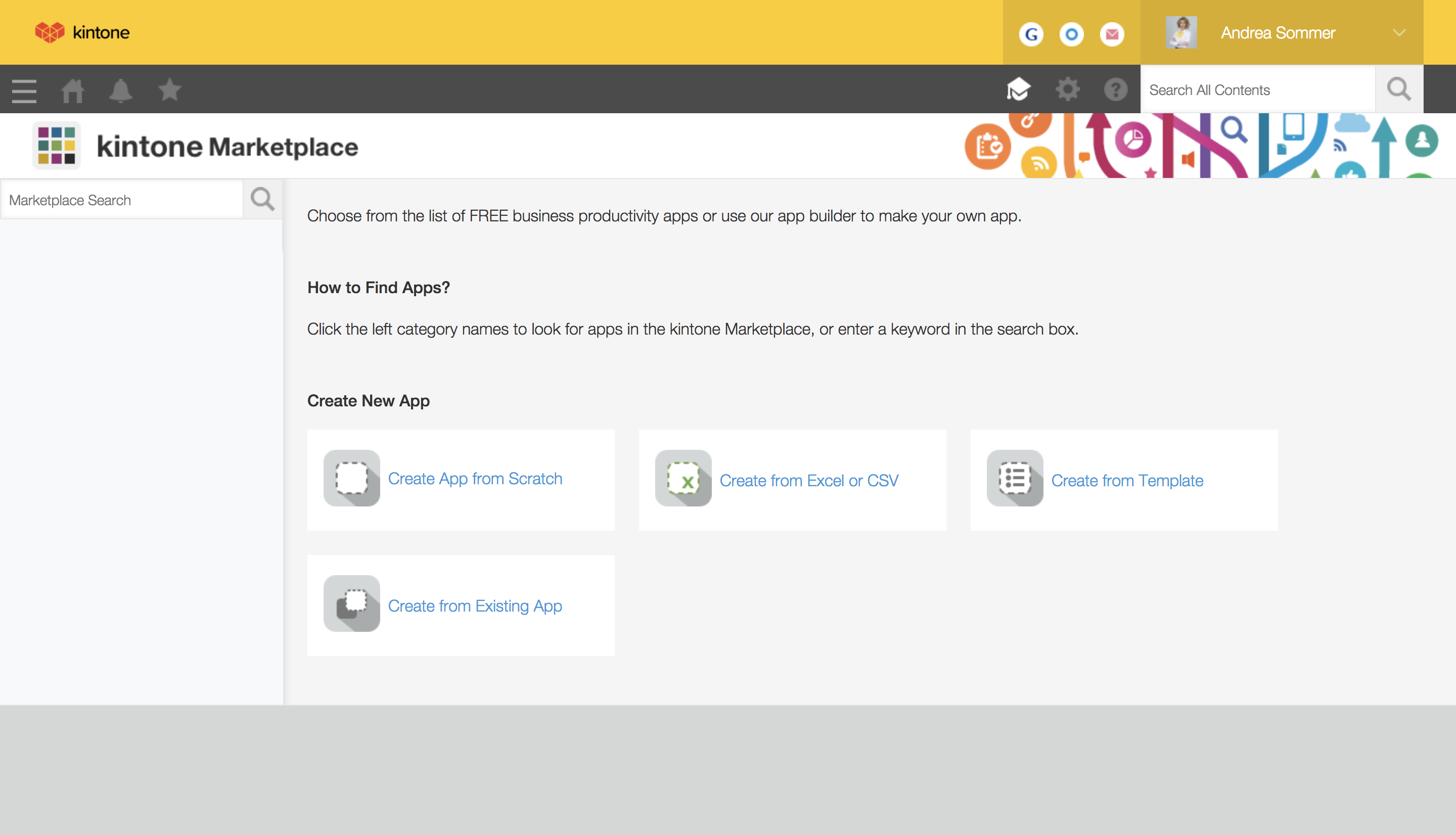 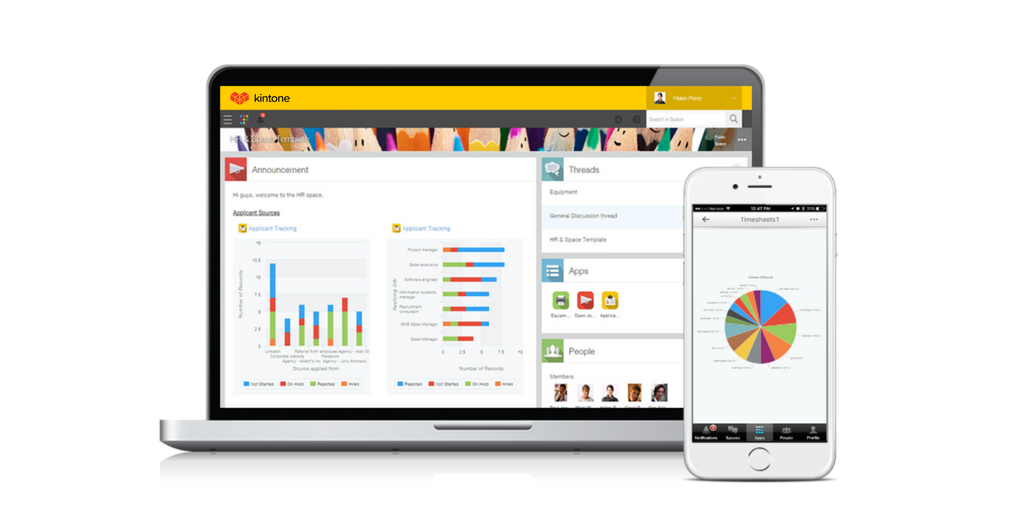   |