Chose Microsoft Defender for Endpoint
It's very convenient and very well integrated with our environment.

| Product | Rating | Most Used By | Product Summary | Starting Price |
|---|---|---|---|---|
 Microsoft Defender for Endpoint | N/A | Microsoft Defender for Endpoint (formerly Microsoft Defender ATP) is a holistic, cloud delivered endpoint security solution that includes risk-based vulnerability management and assessment, attack surface reduction, behavioral based and cloud-powered next generation protection, endpoint detection and response (EDR), automatic investigation and remediation, managed hunting services, rich APIs, and unified security management. | $2.50 per user/per month | |
 Webroot Antivirus + Internet Security Complete (SecureAnywhere) | N/A | Webroot Security Complete (formerly under the brand name SecureAnywhere) is a suite of antivirus, multi-endpoint security and Internet security solutions available for home offices, and possibly small businesses with limited security needs. | $30 per seat/per year |
| Microsoft Defender for Endpoint | Webroot Antivirus + Internet Security Complete (SecureAnywhere) | |||||||||||||||
|---|---|---|---|---|---|---|---|---|---|---|---|---|---|---|---|---|
| Editions & Modules |
|
| ||||||||||||||
| Offerings |
| |||||||||||||||
| Entry-level Setup Fee | No setup fee | No setup fee | ||||||||||||||
| Additional Details | — | — | ||||||||||||||
| More Pricing Information | ||||||||||||||||
| Microsoft Defender for Endpoint | Webroot Antivirus + Internet Security Complete (SecureAnywhere) | |
|---|---|---|
| Considered Both Products |  Microsoft Defender for Endpoint  Joy Dutta Lead Engineer Chose Microsoft Defender for Endpoint Microsoft Defender for Endpoint is more advantageous in our windows heavy infrastructure and it was unparalled in the ease of integration with windows endpoints. Security breaches, system crashes and outages with other competitors like Crowdstrike made it easier for us to go … | Webroot Antivirus + Internet Security Complete (SecureAnywhere)  Jane C. Harrison, J.D. Copy Editor Chose Webroot Antivirus + Internet Security Complete (SecureAnywhere) Kofax Power PDF (formerly Nuance)  Scott Stefan Owner Chose Webroot Antivirus + Internet Security Complete (SecureAnywhere) I believe Webroot is a much better product than Symantec Endpoint Protection and Trend Micro Endpoint Security. I believe it does a much better job of preventing security threats, has a better price point and ROI while being easier to administer. Overall, I believe Webroot is …  Gawain Stern Service Technician Chose Webroot Antivirus + Internet Security Complete (SecureAnywhere) Webroot SecureAnywhere is superior to Symantec, Kaspersky, McAfee, AVG, and others, in our experience. It's more reliable, has less negative performance impact, and is easier to administer.  Jeremy Stewart Director Of Information Technology Chose Webroot Antivirus + Internet Security Complete (SecureAnywhere) Webroot was the easiest to deploy, remove, and manage compared to all other products tested.  Eric Noon Vice President of Operations Chose Webroot Antivirus + Internet Security Complete (SecureAnywhere) I like Webroot much better it's fast, resource light and reliable.  David Yates President Chose Webroot Antivirus + Internet Security Complete (SecureAnywhere) Excels in its job and surpasses [for us and our clients] all other competitors.  Mike Maner Network Systems Engineer Chose Webroot Antivirus + Internet Security Complete (SecureAnywhere) Webroot has an incredibly fast install & scan. I'm impressed with the cloud management console and cloud based updates. Managing users is fairly simple as is keeping up with license usage. Also, your mobile workers will get updates quickly, unlike some other anti-virus suites I …  Carson Hagan, ITILv3 CIO 💻🖥️🖱️⌨️ Chose Webroot Antivirus + Internet Security Complete (SecureAnywhere) I honestly have not put in enough research and time for alternative products to compare against Webroot. I don't think my opinion would be worth stating since I don't have a good comparison of apples to apples against other products.What continues to keep me interested in …  Bradley Jones Co-Owner Chose Webroot Antivirus + Internet Security Complete (SecureAnywhere) I am not a McAfee lover and have not been for a long while. I have on occasion had to support computers with it. In fact a business we provide support for now uses it. There are more incidents of malware infection and more complaints of computer performance for those using …  Chris Skurkey Service Technician Chose Webroot Antivirus + Internet Security Complete (SecureAnywhere) Symantec.cloud, Sophos, McAfee (which was terrible, and we had to replace McAfee with Symantec.cloud at another company). However, the difference between Symantec.cloud and Webroot is primarily with notifications and installations of definition updates. There was a lot more …  Christopher Audie Systems Administrator & Developer Chose Webroot Antivirus + Internet Security Complete (SecureAnywhere) I have evaluated numerous other security products including Norton, McAfee, Kapersky, and Panda. Nothing comes close to Webroot in terms of system performance impact. It is almost like nothing is even installed - it is that low-resource intensive. Same thing with scanning …  Vitaliy Shtym System Administrator Chose Webroot Antivirus + Internet Security Complete (SecureAnywhere) As an Antivirus solution it is the best I have used. No issues with admin console communication, ease of deployment and super quick scans. |
| Microsoft Defender for Endpoint | Webroot Antivirus + Internet Security Complete (SecureAnywhere) | ||||||||||||||||||||||||
|---|---|---|---|---|---|---|---|---|---|---|---|---|---|---|---|---|---|---|---|---|---|---|---|---|---|
| Endpoint Security |
|
| Microsoft Defender for Endpoint | Webroot Antivirus + Internet Security Complete (SecureAnywhere) | |
|---|---|---|
| Small Businesses |  ThreatLocker Score 9.5 out of 10 |  AVG AntiVirus Business Edition Score 7.9 out of 10 |
| Medium-sized Companies |  BlackBerry Protect (CylancePROTECT) Score 9.1 out of 10 | BlackBerry Protect (CylancePROTECT) Score 9.1 out of 10 |
| Enterprises |  BeyondTrust Endpoint Privilege Management Score 9.8 out of 10 | BlackBerry Protect (CylancePROTECT) Score 9.1 out of 10 |
| All Alternatives | View all alternatives | View all alternatives |
| Microsoft Defender for Endpoint | Webroot Antivirus + Internet Security Complete (SecureAnywhere) | |
|---|---|---|
| Likelihood to Recommend | 8.4 (0 ratings) | 8.0 (0 ratings) |
| Likelihood to Renew | 8.4 (0 ratings) | 10.0 (0 ratings) |
| Availability | - (0 ratings) | 10.0 (0 ratings) |
| Performance | - (0 ratings) | 10.0 (0 ratings) |
| Support Rating | 9.0 (0 ratings) | 8.0 (0 ratings) |
| Product Scalability | - (0 ratings) | 10.0 (0 ratings) |
| Microsoft Defender for Endpoint | Webroot Antivirus + Internet Security Complete (SecureAnywhere) | |
|---|---|---|
| Likelihood to Recommend |
|
 Chris Hecox Video Producer |
| Pros |
|
|
| Cons |
|
Chris Skurkey Service Technician |
| Likelihood to Renew |
 Bhuwan Chandra Business Development Manager |
|
| Usability |
| No answers on this topic |
| Reliability and Availability |
| No answers on this topic |
| Performance |
| No answers on this topic |
| Support Rating |
|
|
| Implementation Rating |
| No answers on this topic |
| Alternatives Considered |
|
Carson Hagan, ITILv3 CIO 💻🖥️🖱️⌨️ |
| Scalability |
|
Christopher Audie Systems Administrator & Developer |
| Return on Investment |
|
|
| ScreenShots | Microsoft Defender for Endpoint Screenshots 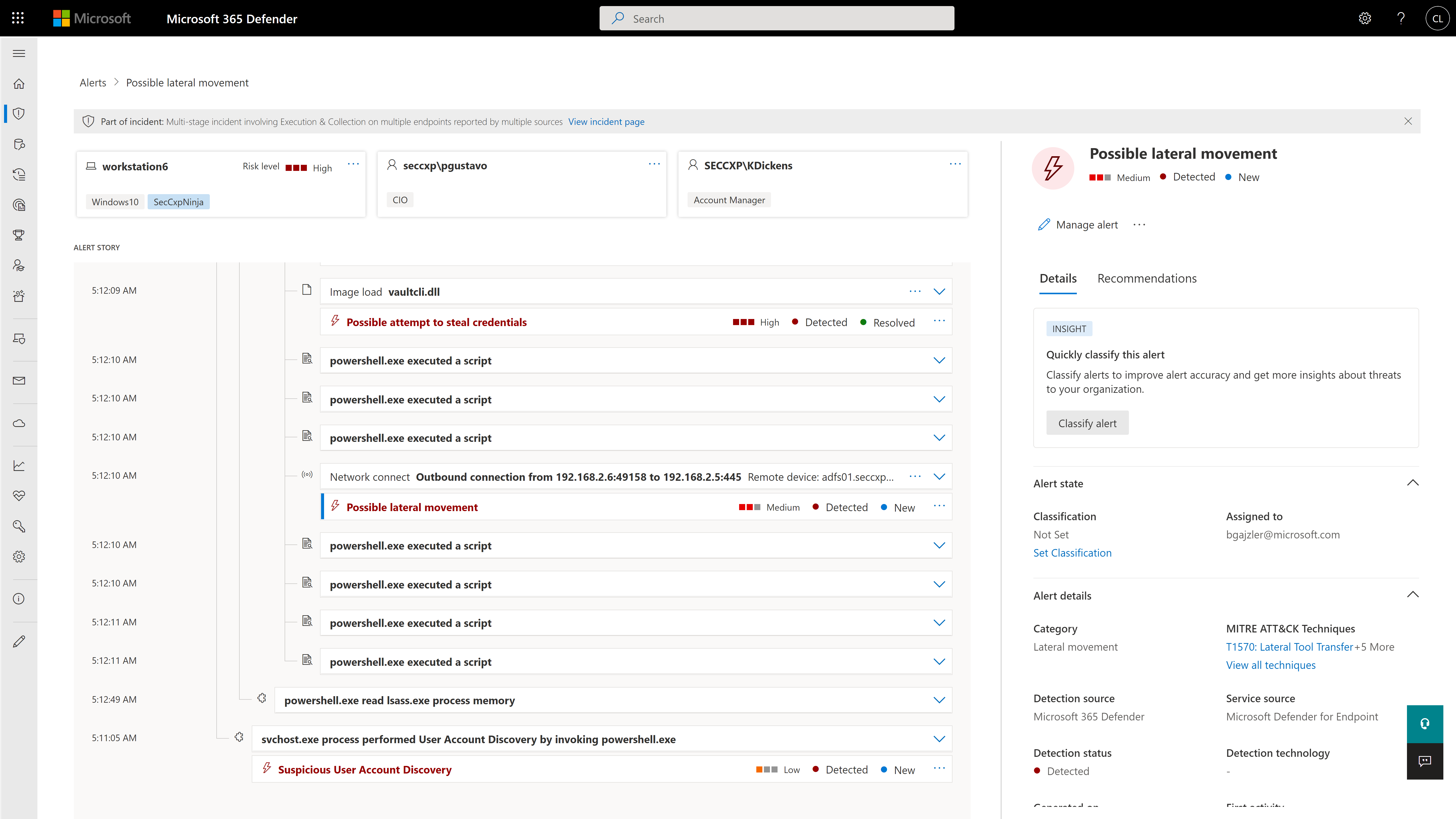  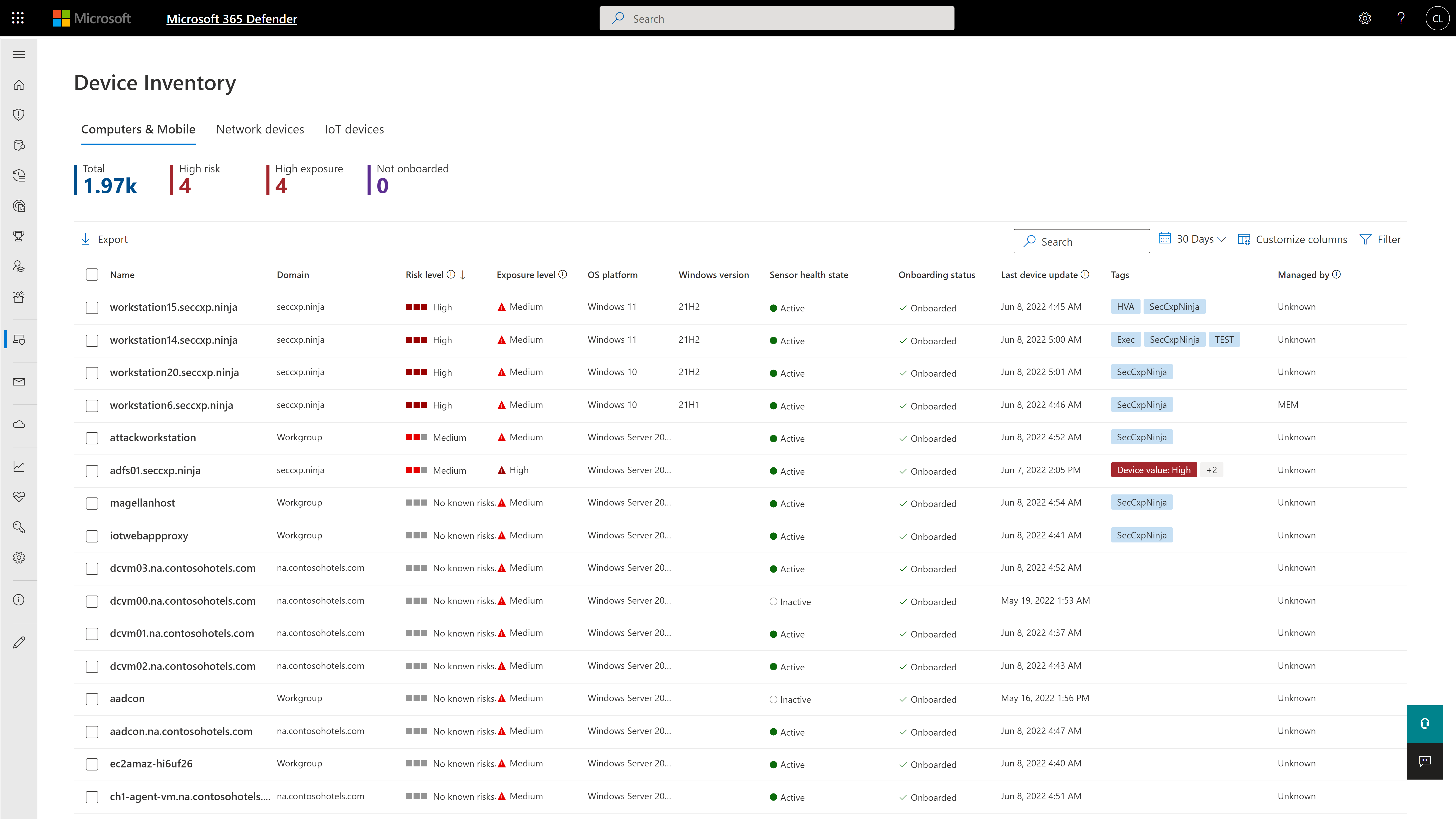  |