Chose Microsoft Dynamics 365 Business Central
Used to work on Dynamics AX, an ERP solution which is now discontinued

| Product | Rating | Most Used By | Product Summary | Starting Price |
|---|---|---|---|---|
 Microsoft Dynamics 365 Business Central | N/A | Microsoft Dynamics 365 Business Central (formerly Dynamics NAV) is one of the ERP products in the Dynamics family. The technology is based on the Navision product acquired by Microsoft in 2002. This product is the best-selling Microsoft ERP platform, and is often used by companies in the manufacturing and distribution verticals. | $8 per month (billed annually) per user | |
 AccountEdge | Small Businesses (1-50 employees) | AccountEdge is a small business accounting software for Mac and Windows users. AccountEdge allows business owners to organize, process, and report on their financial information. Its features include accounting, integrated payroll, sales and purchases, contact management, inventory, and time billing. It was acquired by Priority Software in January 2018 to expand that company's small business portfolio. | $20 per month |
| Microsoft Dynamics 365 Business Central | AccountEdge | |||||||||||||||
|---|---|---|---|---|---|---|---|---|---|---|---|---|---|---|---|---|
| Editions & Modules |
|
| ||||||||||||||
| Offerings |
| |||||||||||||||
| Entry-level Setup Fee | No setup fee | No setup fee | ||||||||||||||
| Additional Details | — | — | ||||||||||||||
| More Pricing Information | ||||||||||||||||
| Microsoft Dynamics 365 Business Central | AccountEdge | |
|---|---|---|
| Considered Both Products | Microsoft Dynamics 365 Business Central  Chris Studebaker Technical Architect Chose Microsoft Dynamics 365 Business Central Microsoft Dynamics 365 Business Central is more robust and extensible than NetSuite. NetSuite wins out on visual presentation and user based reporting flexibility. Microsoft Dynamics 365 Business Central wins out on integration and financial integration as well as power of …  Phil Blake Director of IT Chose Microsoft Dynamics 365 Business Central BC is MUCH easer to setup and to use. The support offering for BC is much better.  Akos Krommer, CISA, ACDA Solution Specialist (Data Analytics) Chose Microsoft Dynamics 365 Business Central MS Dynamics NAV is a powerful tool in terms of functionality as it provides financial management, supply chain, project management, service, and CRM capabilities. It has a very reasonable price compared to the other tools that are well overpriced. It also provides several …  Thayer Ramahi Director, IMIT Chose Microsoft Dynamics 365 Business Central Simplybooks  Johnn Karanja Accountant Chose Microsoft Dynamics 365 Business Central I selected Microsoft Dynamics NAV since it is easy to install and setup. Also, the slick design and straightforward interface is what keeps my corporation growing. Lastly, Microsoft Dynamics NAV has all the features for the capability of inventory planning, invoicing among …  Lukas Sundahl, MBA Accounting Manager Chose Microsoft Dynamics 365 Business Central Dynamics NAV stacks up well against Infor ERP with its ease of use and the functionality much like other Microsoft products. Dynamics has a lot more options for customization of the software when compared to other products. Dynamics NAV also is reasonably priced when looking at …  Roberta Jones IT Administrative Specialist Chose Microsoft Dynamics 365 Business Central The only other system that we've deployed within our organization in the past is Great Lakes Accounting Software. Some of our users preferred this software over the Microsoft Dynamics NAV because they said it was easier to use. I personally prefer Microsoft Dynamics because …  Gene Fagelson Business Owner Chose Microsoft Dynamics 365 Business Central I have personally supported all of the Dynamic family of ERP systems and made the decision to concentrate on NAV as the solution of choice. From a support and development standpoint there are few if any packages that can compare. It is not uncommon for most of the companies …  Josep Coves Barreiro Freelance computer engineer Chose Microsoft Dynamics 365 Business Central Navision is more flexible tan SAP and also easier to configure and use. It also allows you the possibilty to integrate easily your ERP database tables witho other products. Comparing it aginst Oracle eBusiness Suite, Navision is clearly cheaper and easier to maintain since it …  Joe Florio Director of Financial Systems Chose Microsoft Dynamics 365 Business Central I have used Microsoft AX, and also JDEdwards and PeopleSoft.  Mary Bricco Sr. Dynamics NAV Technical Consultant Chose Microsoft Dynamics 365 Business Central Beats them all!  Brian Sanders Sr. Microsoft Dynamics Navision Developer Chose Microsoft Dynamics 365 Business Central N/A  Peter Stockemer IT Project Manager/Systems Analyst Chose Microsoft Dynamics 365 Business Central We chose NAV over JD Edwards 10 years ago because it was able to better handle the customizations that were needed in order for us to do our business. The ability to customize has been helpful, but it needs to be controlled. |  AccountEdge  John Readwin Digital Life Coach Chose AccountEdge More complete feature set, i.e. time tracking  Dan Workman Owner Chose AccountEdge I have considered Quickbooks, but a cursory use did not lead me to believe that it was a good replacement for us. I might take a look again in the future if we can't link bank accounts to AccountEdge soon.  Edward Komyshyn Owner / CEO Chose AccountEdge Originally Account Edge topped out other comparable accounting suites with the feature set sought after for account management, order-invoice creation & user based role deployment on the server side out to workstation use. This has not changed to current revision & we are …  Jay Crabtree President Chose AccountEdge I think AccountEdge is superior to Peachtree, which is not a high bar. Its compatibility with MAC OS is good, but I think Xero will be taking much of the Mac based customers as it appears to be a better product.  joAnn Ortiz Owner Chose AccountEdge My hands down preference is to keep my accounting off of the cloud but that is not always the case with my clients. So, to make this comparison somewhat fair I will consider only the items containing parity in cloud vs desktop. AccountEdge vs Xero. AccountEdge has superior …  Thomas Healy Shareholder Chose AccountEdge A number of my clients use QuickBooks, mostly on PCs, so I'm quite familiar with what it does. I'm just glad I'm using AccountEdge for my own accounting, because it's more straightforward and doesn't create 'hidden' transactions. Some years ago, a client on QuickBooks …  Brent Blackburn Owner Chose AccountEdge For Mac enthusiasts, AccountEdge is the complete installed software solution for small to medium-sized businesses, as it has so many capabilities that QuickBooks for Mac lacks. However, it holds your hand less than QuickBooks for Mac does, so you ought to know what your are …  Sharon L. Nash Personal Angel with a Financial Background Chose AccountEdge Some of my clients use QuickBooks, some use AccountEdge. Hands down I prefer the user friendliness of AccountEdge over QuickBooks. There is no comparison in the return on profit when having the proper tools to be able to do a task efficiently and quickly. The more time wasted …  Jeremy Doyle Director, Special Accounts Chose AccountEdge AccountEdge had already been implemented when I started working at Lake Industries.I have some experience in several other accounting & CRM software. AccountEdge has really come together in the last couple of years. The software is strong, easy-to-use, and great for daily …  Valerie Gabriel Customer Service/Sales Representative/Social Media Manager Chose AccountEdge AccountEdge is more adaptable as a large and diverse inventory control system.  Linda Gonzales Bookkeeper, Payroll Administrator Chose AccountEdge I have a client who is in the firearms manufacturing industry that makes components. They had been using QuickBooks credit card processing feature and their service was recently canceled by QuickBooks for political reasons. QuickBooks is a privately held company so they can do …  Amy Griffie, MBA Owner and Electrical Contractor Chose AccountEdge I have used QuickBooks in the past and, although I really liked it when I started with them, when I switched to a Mac computer they were not at all compatible. AccountEdge filled the gap with a small learning curve where QuickBooks just couldn't satisfy. The only other products … |
| Microsoft Dynamics 365 Business Central | AccountEdge | |||||||||||||||||||||||||||||||||||||||||||||||||||
|---|---|---|---|---|---|---|---|---|---|---|---|---|---|---|---|---|---|---|---|---|---|---|---|---|---|---|---|---|---|---|---|---|---|---|---|---|---|---|---|---|---|---|---|---|---|---|---|---|---|---|---|---|
| Payroll Management |
| |||||||||||||||||||||||||||||||||||||||||||||||||||
| Customization |
| |||||||||||||||||||||||||||||||||||||||||||||||||||
| Security |
| |||||||||||||||||||||||||||||||||||||||||||||||||||
| Reporting & Analytics |
| |||||||||||||||||||||||||||||||||||||||||||||||||||
| General Ledger and Configurable Accounting |
| |||||||||||||||||||||||||||||||||||||||||||||||||||
| Inventory Management |
| |||||||||||||||||||||||||||||||||||||||||||||||||||
| Order Management |
| |||||||||||||||||||||||||||||||||||||||||||||||||||
| Subledger and Financial Process |
| |||||||||||||||||||||||||||||||||||||||||||||||||||
| Project Financial Management |
| |||||||||||||||||||||||||||||||||||||||||||||||||||
| Project Execution Management |
| |||||||||||||||||||||||||||||||||||||||||||||||||||
| Grants Management |
| |||||||||||||||||||||||||||||||||||||||||||||||||||
| Procurement |
| |||||||||||||||||||||||||||||||||||||||||||||||||||
| Risk Management |
| |||||||||||||||||||||||||||||||||||||||||||||||||||
| Logistics |
| |||||||||||||||||||||||||||||||||||||||||||||||||||
| Manufacturing |
| |||||||||||||||||||||||||||||||||||||||||||||||||||
| Supply Chain |
| |||||||||||||||||||||||||||||||||||||||||||||||||||
| Product Lifecycle Management |
|
| Microsoft Dynamics 365 Business Central | AccountEdge | |
|---|---|---|
| Small Businesses |  Zoho One Score 8.9 out of 10 |  QuickBooks Self-Employed (discontinued) Score 8.9 out of 10 |
| Medium-sized Companies |  Infor VISUAL Score 8.0 out of 10 |  Zoho Books Score 9.0 out of 10 |
| Enterprises |  24SevenOffice Score 9.0 out of 10 |  Oracle Fusion Cloud Enterprise Performance Management Score 10.0 out of 10 |
| All Alternatives | View all alternatives | View all alternatives |
| Microsoft Dynamics 365 Business Central | AccountEdge | |
|---|---|---|
| Likelihood to Recommend | 6.3 (0 ratings) | 6.0 (0 ratings) |
| Likelihood to Renew | 10.0 (0 ratings) | 8.8 (0 ratings) |
| Usability | 9.0 (0 ratings) | 9.0 (0 ratings) |
| Availability | 8.0 (0 ratings) | 9.1 (0 ratings) |
| Support Rating | 10.0 (0 ratings) | 9.0 (0 ratings) |
| Implementation Rating | - (0 ratings) | 7.0 (0 ratings) |
| Microsoft Dynamics 365 Business Central | AccountEdge | |
|---|---|---|
| Likelihood to Recommend |
|
Dan Workman Owner |
| Pros |
Gene Fagelson Business Owner |
Brent Blackburn Owner |
| Cons |
Brian Sanders Sr. Microsoft Dynamics Navision Developer |
|
| Likelihood to Renew |
Roberta Jones IT Administrative Specialist |
Sharon L. Nash Personal Angel with a Financial Background |
| Usability |
|
|
| Reliability and Availability | No answers on this topic |
joAnn Ortiz Owner |
| Support Rating |
 Patient Gomba Creditors Clerk |
|
| Implementation Rating | No answers on this topic |
Jeremy Doyle Director, Special Accounts |
| Alternatives Considered |
|
joAnn Ortiz Owner |
| Return on Investment |
|
Thomas Healy Shareholder |
| ScreenShots | AccountEdge Screenshots 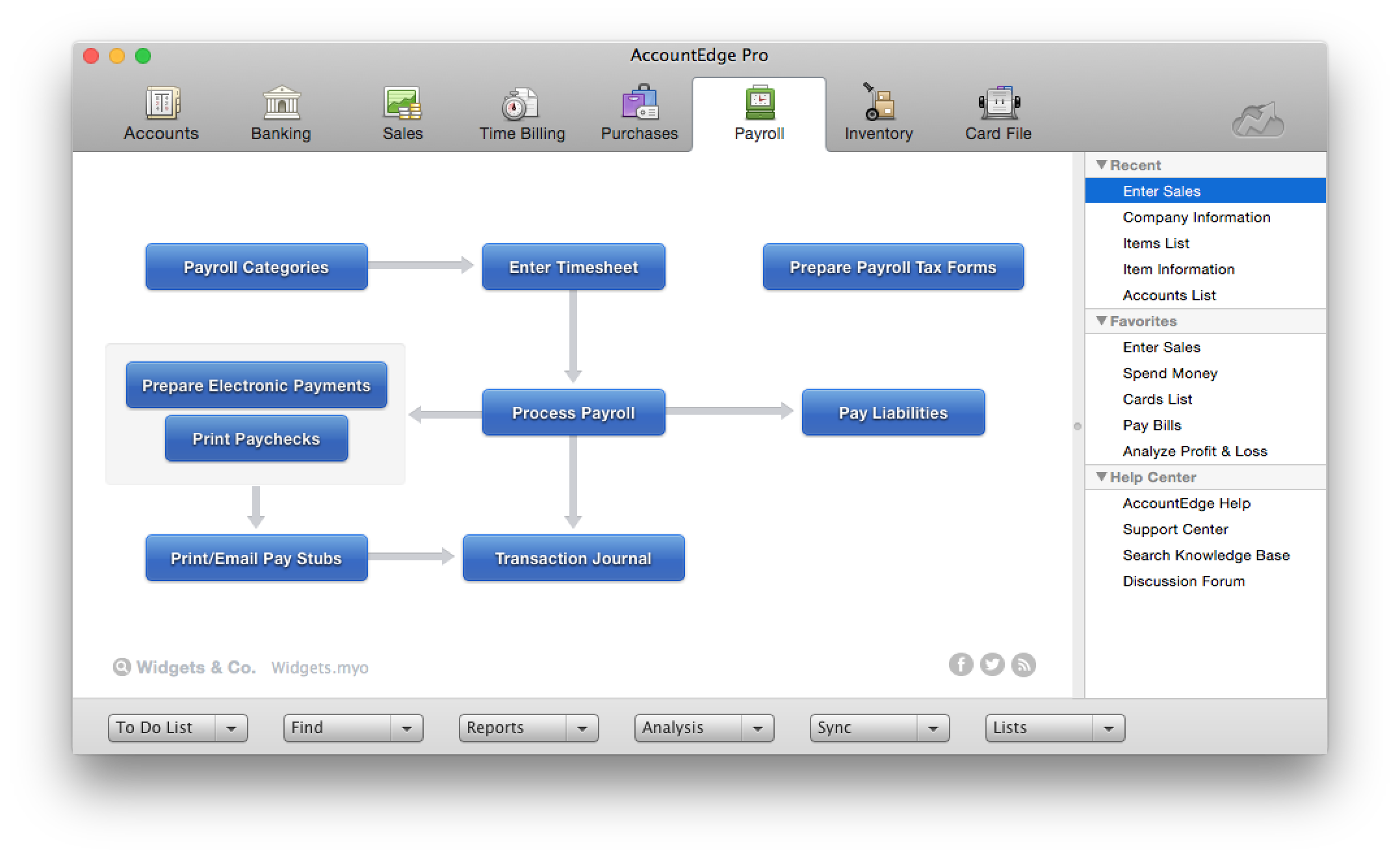   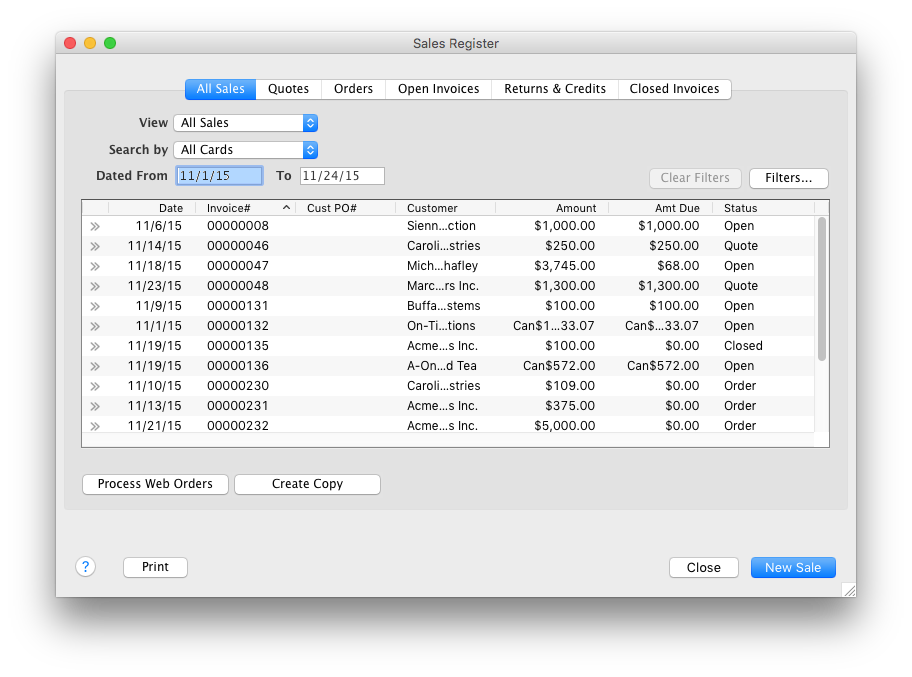 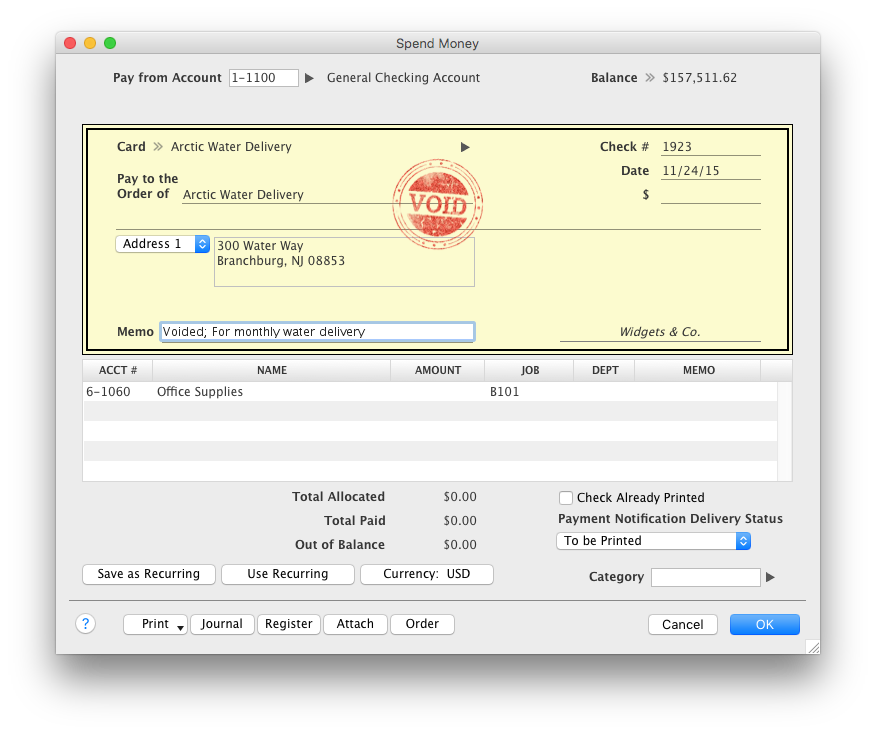 |