monday dev is a collaboration tool for development teams from Monday.com
N/A
StoriesOnBoard
Score 1.1 out of 10
N/A
StoriesOnBoard is a holistic product management tool powered by user feedback. Through collecting user and customer feedback into a single repository and sorting it based on custom rules and collaborating with stakeholders to form actionable feature ideas from them, users can make sure their ideas will be driven by real user needs. Ideas can be validated on a public roadmap and then placed on a user story map to plan releases. StoriesOnBoard supports the product management…
$19
per edior
Pricing
monday dev
StoriesOnBoard
Editions & Modules
No answers on this topic
Basic - billed annually
$19
per edior
Standard - billed annually
$26
per edior
Pro - billed annually
$45
per edior
Enterprise - billed annually
$499
40+ users
Offerings
Pricing Offerings
monday dev
StoriesOnBoard
Free Trial
No
Yes
Free/Freemium Version
No
No
Premium Consulting/Integration Services
No
No
Entry-level Setup Fee
No setup fee
No setup fee
Additional Details
—
—
More Pricing Information
Community Pulse
monday dev
StoriesOnBoard
Considered Both Products
monday dev
Verified User
Anonymous
Chose monday dev
Monday is better than Jobber, as it gives you a place to see where all the jobs are and what the current status is. Everyone in the company can go to and see that view. It's not dependent on the status of the employee. Excel is much more technical and requires much more work to …
It is at least as good as these tools, in many ways, it is better because it is easier to use and setup. It doesn't require a full-time admin like these tools do. It does lack some of the detailed reporting and such that these offer, but the product is still young and growing. …
We selected it because of our previous positive experience with monday dev. In addition, it gave us more options to tie in other parts of our business so it’s under one umbrella and then further automate things. The over tracking and monitoring ability is far better than others …
I think that overall the way that monday dev stands out among its competitors is the great design layout and also its ease of use. Most platforms have so many steps when editing a project or customizing its view, and when you work with monday dev, you are able to customize it …
Miro: The handling in Miro was not comfortable enough. Easy Agile User Story Maps for Jira: The integration with Jira was a great idea, but the handling on the map was not good. Also, there were only 2 layers, which made it very difficult to define the cards.
The only other competitor we looked at was cardboardit.com. Both had solid functionality, but StoriesOnBoard was more user-friendly and quick to learn and use in our opinion.
If you do web programming, code integration with your remote team, and/or software development that requires real-time monitoring of development progress, monday dev is an excellent tool for this. Like its base platform, Monday.com, monday dev is developed and attempts to integrate into a very "new era" organizational system of digital whiteboards, only now focused more on productivity and helping developers to be comfortable in remote work.
While monday dev is an excellent ally to organize and work in harmony with your team, there are still certain important aspects that need to be improved. They are minor, but if corrected, they will help improve the user experience when using it.
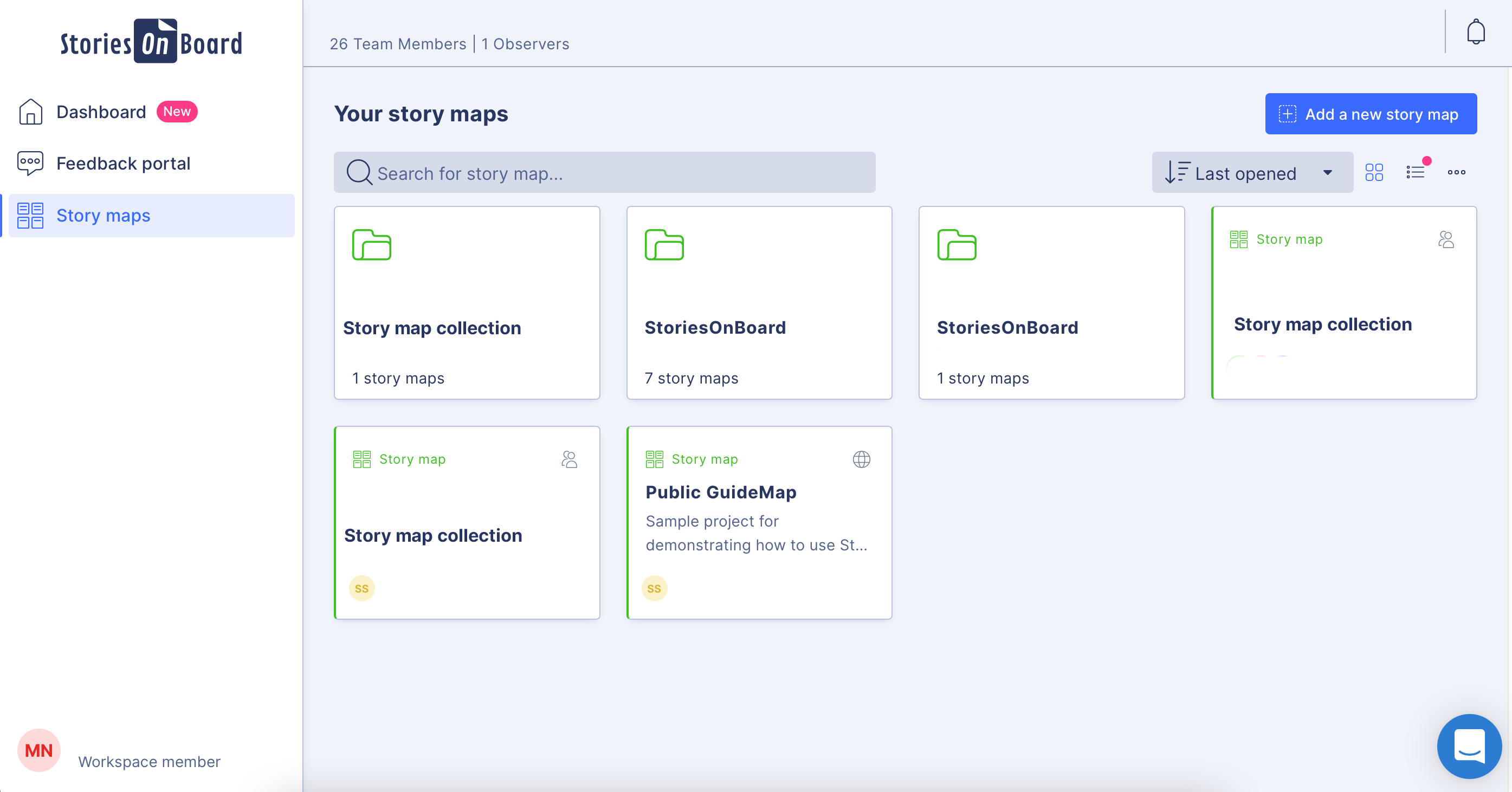
StoriesOnBoard works really well; all features are well thought through. It could look a bit fresher, although the new updated dashboard is already much better than it was.
Monday is better than Jobber, as it gives you a place to see where all the jobs are and what the current status is. Everyone in the company can go to and see that view. It's not dependent on the status of the employee. Excel is much more technical and requires much more work to set up.
Miro: The handling in Miro was not comfortable enough. Easy Agile User Story Maps for Jira: The integration with Jira was a great idea, but the handling on the map was not good. Also, there were only 2 layers, which made it very difficult to define the cards.
StoriesOnBoard (and story mapping in general) creates a low-cost visual method of aligning on high-level business and technical requirements early in a project and provides an ongoing reference as the project progresses. Having this alignment is critical for the later stages of the project.