
Naseem Ahmad
Sr Technical Architect
Chose MS SharePoint / SQL
1. Cost affective as it comes with MS 365 Tenant 2. Natively interactive with tools such MS 365 Dynamics ERP, Power Platform etc

| Product | Rating | Most Used By | Product Summary | Starting Price |
|---|---|---|---|---|
 MS SharePoint / SQL | N/A | MS SharePoint / SQL refers to Microsoft Sharepoint, a web-based collaborative platform, being used in tandem with Microsoft SQL Server to provide business intelligence analytics and reporting. They can provide BI content such as data connections, reports, scorecards, dashboards, and more. | N/A | |
 Snowflake | N/A | The Snowflake Cloud Data Platform is the eponymous data warehouse with, from the company in San Mateo, a cloud and SQL based DW that aims to allow users to unify, integrate, analyze, and share previously siloed data in secure, governed, and compliant ways. With it, users can securely access the Data Cloud to share live data with customers and business partners, and connect with other organizations doing business as data consumers, data providers, and data service providers. | N/A |
| MS SharePoint / SQL | Snowflake | |||||||||||||||
|---|---|---|---|---|---|---|---|---|---|---|---|---|---|---|---|---|
| Editions & Modules | No answers on this topic | No answers on this topic | ||||||||||||||
| Offerings |
| |||||||||||||||
| Entry-level Setup Fee | No setup fee | No setup fee | ||||||||||||||
| Additional Details | — | — | ||||||||||||||
| More Pricing Information | ||||||||||||||||
| MS SharePoint / SQL | Snowflake | |
|---|---|---|
| Considered Both Products |  MS SharePoint / SQL Naseem Ahmad Sr Technical Architect Chose MS SharePoint / SQL 1. Cost affective as it comes with MS 365 Tenant 2. Natively interactive with tools such MS 365 Dynamics ERP, Power Platform etc  Saif Khan Product Compliance Associate Chose MS SharePoint / SQL SharePoint is more reliable in terms of data storage, security, and accessibility by only required users compared to ClickUp. Also, SharePoint is easier to learn and use for any user, as tutorials are easily available online. Also, SharePoint is a product of Microsoft, which …  Gene Baker Vice President, Chief Architect, Development Manager and Software Engineer Chose MS SharePoint / SQL At the time of the two large projects, SharePoint was the enterprise solution so we were required to use that. We have since lobbied the enterprise teams to review and consider Atlassian confluence and were successful. Confluence is cheaper than Sharepoint which is why we …  Matt Varney Intranet Administrator Chose MS SharePoint / SQL At its core, MS SharePoint (with SQL) is for managing document-based content. It falls just short of being a best in class records manager (it does offer some features for this though), and it isn't the easiest to solution to make great looking modern and engaging web sites. …  Dinesh Selvachandra Business Process Analyst Chose MS SharePoint / SQL Google drive is not yet up to the corporate requirement.  Jeet Sohpal Technology Support Chose MS SharePoint / SQL Most of the applications used within our company have a SharePoint back end therefore I have not used anything other than SharePoint.  Mohamad CHAABAN Senior SOC Analyst Chose MS SharePoint / SQL Actually i didnt work with other than ms sharepoint so i cant say how it is stand for others | Snowflake  Jeremy Pierce, MBA Data Warehouse Engineer Chose Snowflake We had a MS SQL server with over 2 TB of ram & 51 processors that we were using, that could no longer handle our workload. Snowflake can handle 3 times that workload with ease and efficiency.  David Williams Head of Engineering Chose Snowflake We particularly liked Snowflake's security model as well as its unique storage (whereby everything is essentially a pointer to immutable micro-partitions, which is the key behind its zero-copy cloning, its secure sharing, its time travel, etc.). and also how it separates …  Yogesh Kulkarni Principal Consultant Chose Snowflake While Snowflake is more open to cloud eco system, SAP integrated well with SAP eco system products like SAP ECC or SAP S/4. So for people who have invested heavily in SAP eco system including SAP ECC or S/4, it makes sense to go with SAP DWC which is also evolving very rapidly. …  Harvey Wyche Director of Technical Product Management Chose Snowflake In my opinion, the other tools have similar and some different features; however, when I ran proof of technologies between Synapse and Snowflake. Snowflake did things better or just had functionality that the other tools did not. One that stuck out at the time was scale up …  Darren Mihalic Business Development Manager Chose Snowflake Snowflake has won the match because it is giving an excellent performance with its efficient features and reliable results. This is a totally secure program for our precious and important data.  Brian Bickell Data Practice Director Chose Snowflake In my experience running the data management practice at InterWorks, we believe that cloud data warehouse products will eventually serve the majority of data warehousing use cases and power data analytics at most companies. Of this cohort, we believe that Snowflake is the best …  Sudarshan Kothari Lead Analyst Chose Snowflake Accommodates future data types such as JSON and XML. Scalability is another advantage. Pay per use is beneficial for organizations like yours. Direct connectors with AWS help us to go with it. No limit on user creation and clone data not eating up extra disk space are a few …  Duncan Hernandez Product Owner, Business Intelligence Chose Snowflake Our issue with Redshift was that it was very expensive. On top of that, queries were still slow and if we used more of Redshift's memory, then it would have cost even more. Snowflake is not cheap, but less costly for us. Plus, the performance was much better. Also, we got to … |
| MS SharePoint / SQL | Snowflake | |||||||||||||||||||||
|---|---|---|---|---|---|---|---|---|---|---|---|---|---|---|---|---|---|---|---|---|---|---|
| BI Standard Reporting |
| |||||||||||||||||||||
| Ad-hoc Reporting |
| |||||||||||||||||||||
| Report Output and Scheduling |
| |||||||||||||||||||||
| Data Discovery and Visualization |
| |||||||||||||||||||||
| Access Control and Security |
| |||||||||||||||||||||
| Mobile Capabilities |
| |||||||||||||||||||||
| Application Program Interfaces (APIs) / Embedding |
|
| MS SharePoint / SQL | Snowflake | |
|---|---|---|
| Small Businesses |  BrightGauge Score 9.1 out of 10 |  Google BigQuery Score 8.4 out of 10 |
| Medium-sized Companies |  Reveal Score 10.0 out of 10 | Google BigQuery Score 8.4 out of 10 |
| Enterprises |  Kyvos Semantic Intelligence Layer Score 9.9 out of 10 | Google BigQuery Score 8.4 out of 10 |
| All Alternatives | View all alternatives | View all alternatives |
| MS SharePoint / SQL | Snowflake | |
|---|---|---|
| Likelihood to Recommend | 8.8 (0 ratings) | 9.2 (0 ratings) |
| Likelihood to Renew | 8.8 (0 ratings) | 10.0 (0 ratings) |
| Usability | 8.9 (0 ratings) | 9.3 (0 ratings) |
| Support Rating | 8.8 (0 ratings) | 9.9 (0 ratings) |
| Implementation Rating | 7.0 (0 ratings) | - (0 ratings) |
| MS SharePoint / SQL | Snowflake | |
|---|---|---|
| Likelihood to Recommend |
|
|
| Pros |
|
Harvey Wyche Director of Technical Product Management |
| Cons |
|
|
| Likelihood to Renew |
 Tim Ritter IT Analyst/Developer |
|
| Usability |
|
 Jake Schlingman Product Manager |
| Support Rating |
|
David Williams Head of Engineering |
| Implementation Rating |
 John Dopson Network Engineer | No answers on this topic |
| Alternatives Considered |
Gene Baker Vice President, Chief Architect, Development Manager and Software Engineer |
|
| Return on Investment |
|
 Sahil Khan Data Analyst |
| ScreenShots | Snowflake Screenshots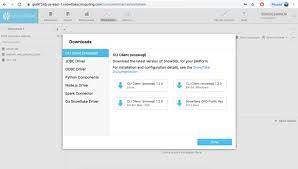 |