Chose OmniFocus
OmniFocus is simpler, with a better front end experience. For individual use, OmniFocus is probably more powerful too. It also doesn't cost as much, which is why we ended up going for it.

| Product | Rating | Most Used By | Product Summary | Starting Price |
|---|---|---|---|---|
 OmniFocus | N/A | OmniFocus is a project management platform for iOS: Mac, iPad, and iPhone. It has features such as task management, Siri capture, and workflow automation. | $4.99 per month | |
 Planview AgilePlace | N/A | AgilePlace is a project management solution built around flexibility, data-driven analytics, and workflow automation. The software was acquired by Planview in December 2017 to expand that company's capabilities. | $19 per user, per month |
| OmniFocus | Planview AgilePlace | |||||||||||||||
|---|---|---|---|---|---|---|---|---|---|---|---|---|---|---|---|---|
| Editions & Modules |
|
| ||||||||||||||
| Offerings |
| |||||||||||||||
| Entry-level Setup Fee | No setup fee | No setup fee | ||||||||||||||
| Additional Details | — | All editions include unlimited boards. | ||||||||||||||
| More Pricing Information | ||||||||||||||||
| OmniFocus | Planview AgilePlace | |
|---|---|---|
| Considered Both Products |  OmniFocus  Rob Gokee Composer Chose OmniFocus OmniFocus is built for the user with a lot going on - consequently, it does a great job at organizing lots of things in a manageable workload. It's perfect for taking a project and breaking it down into small tasks for yourself or teams. Once you get past the learning curve, …  Ryan Stasel IT Operations Manager Chose OmniFocus Part of O365 is the Tasks application, which is "free" with O365 and does a lot of essential task management. Yes, it's very basic. Yes, it's basically "To-do," but it works quite well. Omnigraffle does everything better, and more thoroughly, but at a higher initial cost. If …  Brian Bliss Freight Agent | Transportation Broker | Truckload Broker Chose OmniFocus I initially liked how OmniFocus was set up, but over time have gone back to a combination of Evernote and Todoist/Drafts for my daily organizing. This has been strictly from an ease of use and functionality perspective.  Che Odom Marketing and Business Administrator Chose OmniFocus We have used Microsoft One Note and To Do as other ways of increasing organization across our company, however, we don't feel that those tools are appropriate for that use (in the instance of One Note) or as robust (in the instance of To-Do). Both are, however, easy to …  John Rougeux VP Marketing, North America Chose OmniFocus I have used Wunderlist and Trello but OmniFocus is my go to tool. Wunderlist is a bit too simple for my tastes; it's fine for things like shopping lists but wasn't well suited to more complex projects. And it takes time to use, since there are fewer keyboard shortcuts. Trello …  Brad Pearce Member Chose OmniFocus The closest analog to OmniFocus is Todoist. OmniFocus, however, runs circles around Todoist and every other to-do list and reminder system. OmniFocus is not just best in class, it is in a class by itself. I feel somewhat incompetent saying more about how powerful OmniFocus is. …  Christian Payne Director Chose OmniFocus I selected Omnifocus, initially as it was Mac based and allowed me to keep on top of all my projects and tasks due to access on an iPhone and iPad. Previously I have used Microsoft Project, however I feel that Omnifocus is more powerful and easier to use. |  Planview AgilePlace  Pablo Martin Cuomo PPM & Agile Associate Consultant, Presales Chose Planview AgilePlace Miro, Asana and Rally Software (formerly CA Agile Central)  Nate Dillon Front-End Web Developer, Office of Mediated Education Chose Planview AgilePlace I use Trello a bit for personal use. It's much less powerful than LeanKit, but it's also a better design and simpler to use. ServiceNow has some kanban board stuff built-in, but I wasn't super impressed with it. JIRA seemed to be even more complex than LeanKit for the short …  Scot Wolcott Vice President - Information Systems Director Chose Planview AgilePlace Both VersionOne and Trello are good products. VersionOne is for the real hardcore Agile shops who want to track and report on everything related to the Agile process. Trello is a tool that works for Agile, but really is just a simple list making/tracking tool. Both tools serve …  Melissa Perri Founder & CEO Chose Planview AgilePlace I have used Trello, which is not as robust for tracking and customizing workflows as LeanKit is. It does not scale well to big teams. JIRA is the standard project management software but does not support Kanban well.  Heather Neisen Director of HR & Administration Chose Planview AgilePlace Nearly all the other tools I evaluated against are free, so that's one area where LeanKit is not as competitive. LeanKit does allow the experience to be much more customizable, though.  Deron Austin Director, Marketing & Communications Chose Planview AgilePlace While LeanKit was not designed for project and task management, we selected it because of its collaborative nature as a project and task management platform for our marketing team. It was also selected because our engineering and product management teams were using Leankit. We … |
| OmniFocus | Planview AgilePlace | ||||||||||||||||||||||||||||||||||||||||||||||||
|---|---|---|---|---|---|---|---|---|---|---|---|---|---|---|---|---|---|---|---|---|---|---|---|---|---|---|---|---|---|---|---|---|---|---|---|---|---|---|---|---|---|---|---|---|---|---|---|---|---|
| Project Management |
| ||||||||||||||||||||||||||||||||||||||||||||||||
| Professional Services Automation |
| ||||||||||||||||||||||||||||||||||||||||||||||||
| Agile Development |
|
| OmniFocus | Planview AgilePlace | |
|---|---|---|
| Small Businesses |  Stackby Score 9.0 out of 10 |  GitLab Score 8.7 out of 10 |
| Medium-sized Companies |  InEight Score 8.3 out of 10 | GitLab Score 8.7 out of 10 |
| Enterprises | InEight Score 8.3 out of 10 | GitLab Score 8.7 out of 10 |
| All Alternatives | View all alternatives | View all alternatives |
| OmniFocus | Planview AgilePlace | |
|---|---|---|
| Likelihood to Recommend | 8.0 (0 ratings) | 10.0 (0 ratings) |
| Likelihood to Renew | 10.0 (0 ratings) | 8.6 (0 ratings) |
| Usability | 9.0 (0 ratings) | 8.2 (0 ratings) |
| Availability | - (0 ratings) | 8.3 (0 ratings) |
| Performance | - (0 ratings) | 8.0 (0 ratings) |
| Support Rating | 9.1 (0 ratings) | 10.0 (0 ratings) |
| Implementation Rating | - (0 ratings) | 7.7 (0 ratings) |
| Configurability | - (0 ratings) | 7.0 (0 ratings) |
| Ease of integration | - (0 ratings) | 8.0 (0 ratings) |
| Product Scalability | - (0 ratings) | 8.0 (0 ratings) |
| Vendor post-sale | - (0 ratings) | 9.3 (0 ratings) |
| Vendor pre-sale | - (0 ratings) | 9.3 (0 ratings) |
| OmniFocus | Planview AgilePlace | |
|---|---|---|
| Likelihood to Recommend |
|
|
| Pros |
John Rougeux VP Marketing, North America |
|
| Cons |
Brad Pearce Member |
|
| Likelihood to Renew |
|
|
| Usability |
|
Nate Dillon Front-End Web Developer, Office of Mediated Education |
| Reliability and Availability | No answers on this topic |
|
| Performance | No answers on this topic |
|
| Support Rating |
Brian Bliss Freight Agent | Transportation Broker | Truckload Broker |
|
| Implementation Rating | No answers on this topic |
|
| Alternatives Considered |
Rob Gokee Composer |
|
| Scalability | No answers on this topic |
|
| Return on Investment |
|
|
| ScreenShots | Planview AgilePlace Screenshots 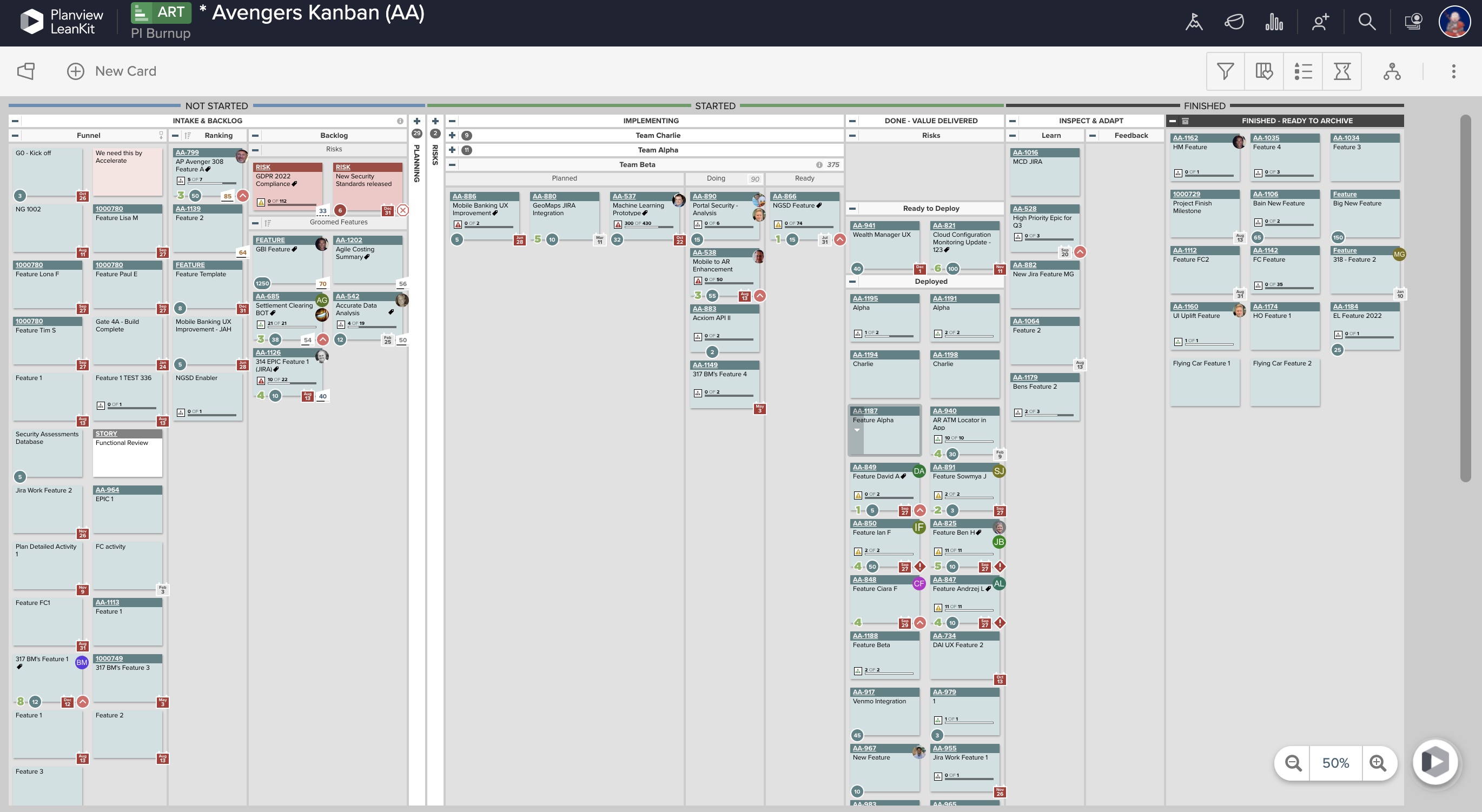   |