OpenBOM is a digital network-based platform that manages Product data and connects manufacturers and their supply networks from the company of the same name in Boston. OpenBOM enables users to share and collaborate data using online Bill of Materials from initial design through all stages of engineering, manufacturing, and supply chain.
$25
per month
SAP Integrated Product Development
Score 9.5 out of 10
N/A
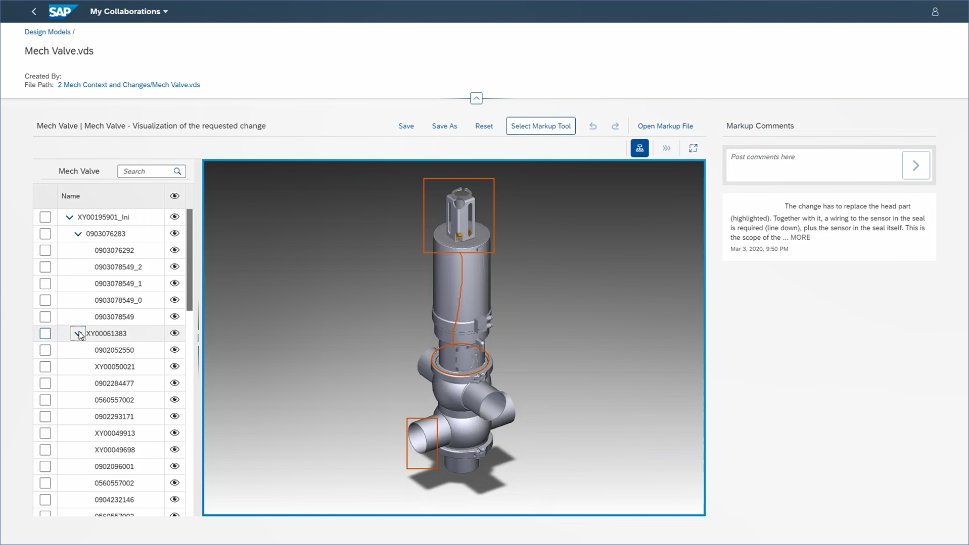
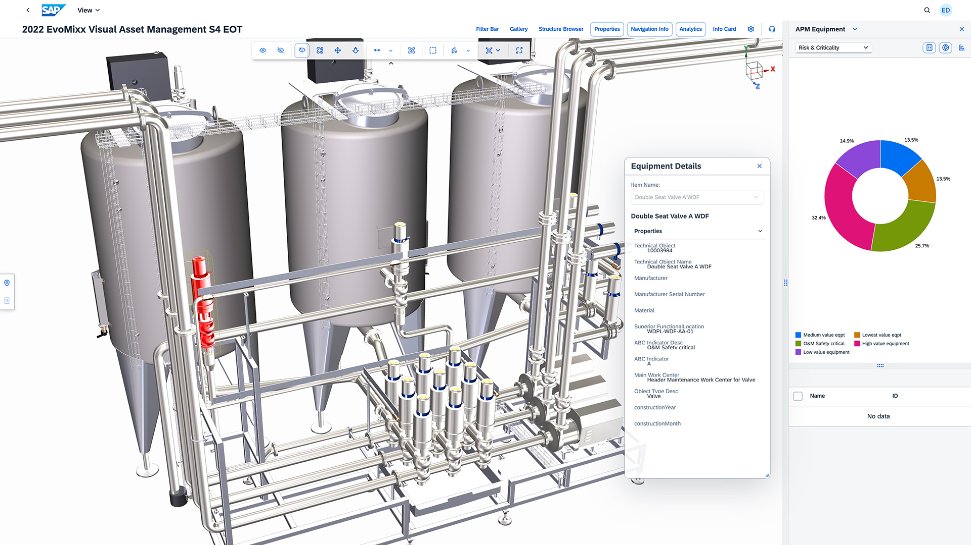
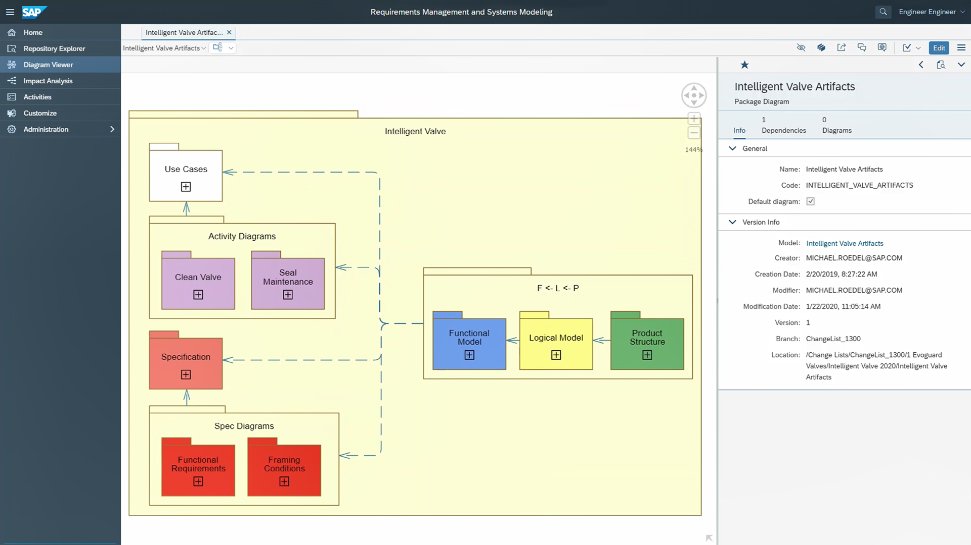
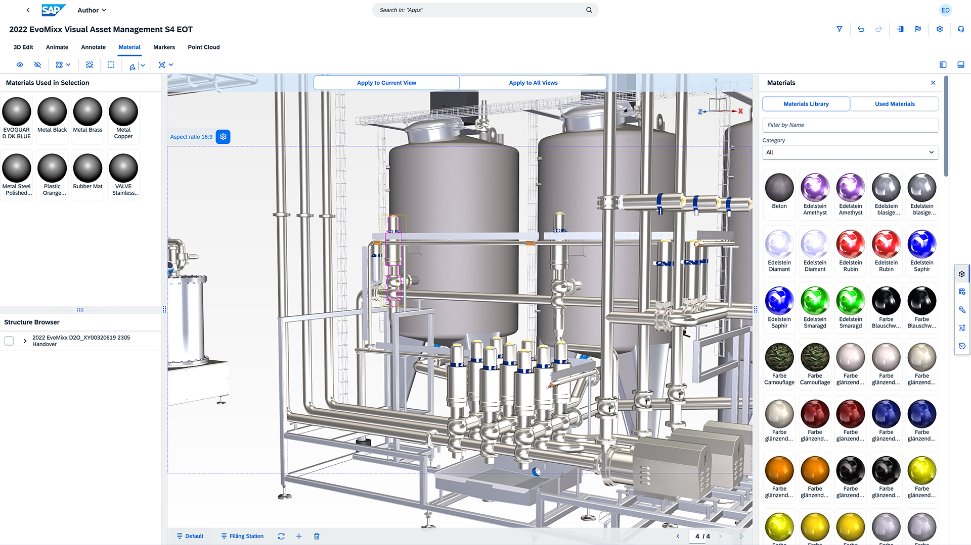
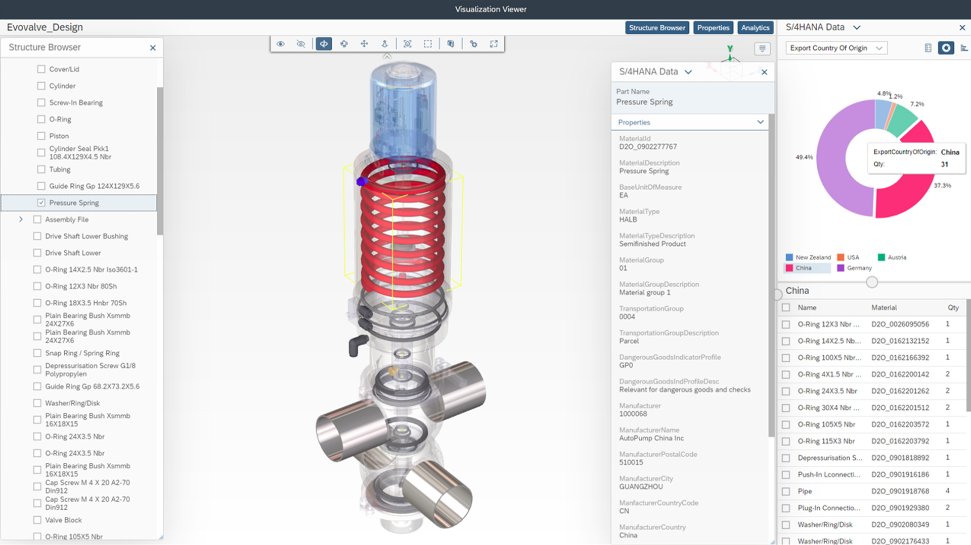
SAP Integrated Product Development is a product lifecycle management solution used to define, develop, and deliver innovative and sustainable products faster by connecting insights, processes, and people.
OpenBOM is mainly BOM-centric, whilst PLM solutions have much wider functionality, suitable for cross-department activities. We are in constant search and evaluation of a one-fits-all solution and, I must say, after a price spike, OpenBOM doesn't look as attractive as it used to.
-We selected for ease of use and ease of implementation -We wanted to keep our overhead low -We wanted to track some inventory and this was helpful for that in a lightweight manner
SAP PLM encompasses SAP BW and SAP PRD. We tend to focus more on the SAP PRD portion as it directly involves more closely to production. We selected SAP PLM because it gives us a great visibility in the life cycle of materials, products and overall costs. SAP PLM compliments …
OpenBOM is well suited for users who require the ability to have a "structured sandbox" when it comes to part, BOM, and vendor management. By having this structure, it allows for consistent capturing of key information, in a structured way, while also being dynamic where approved users can modify the information without too much overhead. We're using it for a medical device.
SAP PLM is suited for big organizations with no economic constraint since the price of SAP PLM is high. But it makes developing and maintaining applications easier through it change management and status management process. SAP PLM is suited in organizations with high skilled workers because it is complex to handle.
OpenBOM is mainly BOM-centric, whilst PLM solutions have much wider functionality, suitable for cross-department activities. We are in constant search and evaluation of a one-fits-all solution and, I must say, after a price spike, OpenBOM doesn't look as attractive as it used to.
SAP PLM encompasses SAP BW and SAP PRD. We tend to focus more on the SAP PRD portion as it directly involves more closely to production. We selected SAP PLM because it gives us a great visibility in the life cycle of materials, products and overall costs. SAP PLM compliments the other packages very well
My company has avoided (literally) hundreds of misconfigurations, saving us months of development cycle time.
We have been able to streamline vendor management/ approval (or disqualification), reducing the overall time from ~8 hours to <2 hours per vendor. And our maintenance of the vendors (e.g. requalification) has similar savings.
Accurately able to order raw materials which are necessary for the current production run, thus reducing overhead.
The negative impact would be the initial cost of the software and how long it would take to ROI that cost.
It has allowed us to control batches of product creation much more closer and have the ability to cut some erroneous costs which were found in large batches.