Chose Oracle Autonomous Database
Amazon did take the lead on this with multiple flavours of DB, but Oracle Engineering is unbeatable.

| Product | Rating | Most Used By | Product Summary | Starting Price |
|---|---|---|---|---|
 Oracle Autonomous Database | N/A | Oracle Autonomous Database provides a self-driving, self-securing, self-repairing cloud service that eliminate the overhead and human errors associated with traditional database administration. Oracle Autonomous Database takes care of configuration, tuning, backup, patching, encryption, scaling, and more. | N/A | |
 SolarWinds Database Performance Analyzer | N/A | SolarWinds Database Performance Analyzer (DPA) enables deep visibility into database performance and expert advice for performance optimization and tuning. What can you monitor with DPA? Oracle Oracle Exadata Oracle EBS Microsoft SQL Server Azure SQL Database Azure SQL Database Managed Instance MySQL DB2 SAP ASE Aurora MariaDB DPA monitors physical, virtual,… | N/A |
| Oracle Autonomous Database | SolarWinds Database Performance Analyzer | |||||||||||||||
|---|---|---|---|---|---|---|---|---|---|---|---|---|---|---|---|---|
| Editions & Modules | No answers on this topic | No answers on this topic | ||||||||||||||
| Offerings |
| |||||||||||||||
| Entry-level Setup Fee | Optional | Optional | ||||||||||||||
| Additional Details | — | — | ||||||||||||||
| More Pricing Information | ||||||||||||||||
| Oracle Autonomous Database | SolarWinds Database Performance Analyzer | |
|---|---|---|
| Considered Both Products |  Oracle Autonomous Database  Gorthy Rohith Consultant Chose Oracle Autonomous Database Tight Coupling with ERP, Easier administration. Availability of performance metrics. Chose Oracle Autonomous Database I would select Oracle Autonomous Database due to its complexity and because it is based on Exadata technology.  Paulo Oliveira, Ph.D Titular Professor Chose Oracle Autonomous Database Because I had a background with Oracle Database, and comparatively the autonomous database is very easy to scale up and to obtain performance information.  Bryan Heck Design Engineer Chose Oracle Autonomous Database Hands down it's the best. It's secure and extremely fast. It also doesn't need a lot of babysitting. It's running itself. It does its job as advertised. This is why I feel everyone should if they haven't already taken a hard look OAD. I feel it's the future of technology at its …  Angel Caroline Information Technology Consultant Chose Oracle Autonomous Database Oracle Autonomous Database has the warehouse extension, whose performance has no question, and it increases the relevancy of the company's operations and fosters performance. Further, Oracle Autonomous Database generates high-performance options, which navigates all the …  Ajay Boyana Information Specialist Chose Oracle Autonomous Database Oracle Cloud Infrastructure and Oracle Cloud ERP  Yassen Fingarov Delivery Manager Chose Oracle Autonomous Database It is ok.  Flavius Ianovan SCM Program Coordinator Chose Oracle Autonomous Database Security, easy to install, [and] disaster recovery [are why we went with Oracle Autonomous Database].  Msigwa Eliyud System developer Chose Oracle Autonomous Database I selected Oracle Autonomous Database because of the scalability, and it's a perfect and stable database that supports multiple features at once.  Shiv Shrotriya DBA/BI developer Chose Oracle Autonomous Database We had already experienced people in the team on Oracle as Oracle Database was already being used in the organization. Also, when we compared all other possibilities, it came out as a less costly solution.  Lisandro Fernigrini Independent Software Consultant Chose Oracle Autonomous Database Actually, we used both Oracle Autonomous Database for our Oracle-related environments and Azure SQL and Azure VMs hosting SQL Server for our SQL Server-related environments. We have different products, some of them are platform independent (can be deployed on Oracle, SQL …  Angel Freire Ramirez Oracle Principal Solutions Architect Chose Oracle Autonomous Database I have used DBCS, ExaCC, ATP and many other OCI products.  Rakesh Kodag Sr Technical Consultant SAP HANA Chose Oracle Autonomous Database DB2 is a very old kind of database. SQL Server is not secured like Oracle, and I personally do not recommend it.  Puneet Madan Product Developer Chose Oracle Autonomous Database Oracle Autonomous Database is easy to deploy and use. Provides various supports with security. So it is much better in terms of complexity and performance to manage our application in real time. Cost is also less as compare to other databases. Easy development and deployment is … |  SolarWinds Database Performance Analyzer  Aruna Bandara Associate Engineer Chose SolarWinds Database Performance Analyzer The main thing was their popularity for the products they are providing. Also, we had great customer support for other SolarWinds products also.  Darryl Hawes Database Administrator Chose SolarWinds Database Performance Analyzer There are some overlaps, but DPA has a lot more historical information that allows us to analyze statements over time rather than just see what is going on at that moment. |
| Oracle Autonomous Database | SolarWinds Database Performance Analyzer | ||||||||||||||||||
|---|---|---|---|---|---|---|---|---|---|---|---|---|---|---|---|---|---|---|---|
| Database Development |
| ||||||||||||||||||
| Database Administration |
|
| Oracle Autonomous Database | SolarWinds Database Performance Analyzer | |
|---|---|---|
| Small Businesses |  DBeaver Score 9.2 out of 10 | No answers on this topic |
| Medium-sized Companies | DBeaver Score 9.2 out of 10 |  Redgate Monitor Score 8.7 out of 10 |
| Enterprises | DBeaver Score 9.2 out of 10 | Redgate Monitor Score 8.7 out of 10 |
| All Alternatives | View all alternatives | View all alternatives |
| Oracle Autonomous Database | SolarWinds Database Performance Analyzer | |
|---|---|---|
| Likelihood to Recommend | 8.6 (0 ratings) | 8.9 (0 ratings) |
| Likelihood to Renew | 9.0 (0 ratings) | 8.6 (0 ratings) |
| Usability | 8.0 (0 ratings) | 9.0 (0 ratings) |
| Availability | - (0 ratings) | 9.1 (0 ratings) |
| Performance | - (0 ratings) | 9.1 (0 ratings) |
| Support Rating | - (0 ratings) | 9.3 (0 ratings) |
| Implementation Rating | - (0 ratings) | 7.3 (0 ratings) |
| Configurability | - (0 ratings) | 7.3 (0 ratings) |
| Ease of integration | - (0 ratings) | 8.2 (0 ratings) |
| Product Scalability | - (0 ratings) | 8.2 (0 ratings) |
| Vendor post-sale | - (0 ratings) | 9.1 (0 ratings) |
| Vendor pre-sale | - (0 ratings) | 9.1 (0 ratings) |
| Oracle Autonomous Database | SolarWinds Database Performance Analyzer | |
|---|---|---|
| Likelihood to Recommend |
|
|
| Pros |
|
|
| Cons |
 Johnny Wu Project Leader, Data Infrastructure Services |
 Maria Cristina Dela Pena Cloud Ops Engineering Sr. Analyst |
| Likelihood to Renew |
|
|
| Usability |
Lisandro Fernigrini Independent Software Consultant |
 Joseph Dixon Database Engineer |
| Support Rating | No answers on this topic |
|
| Implementation Rating | No answers on this topic |
|
| Alternatives Considered |
Bryan Heck Design Engineer |
|
| Return on Investment |
Angel Caroline Information Technology Consultant |
|
| ScreenShots | Oracle Autonomous Database Screenshots   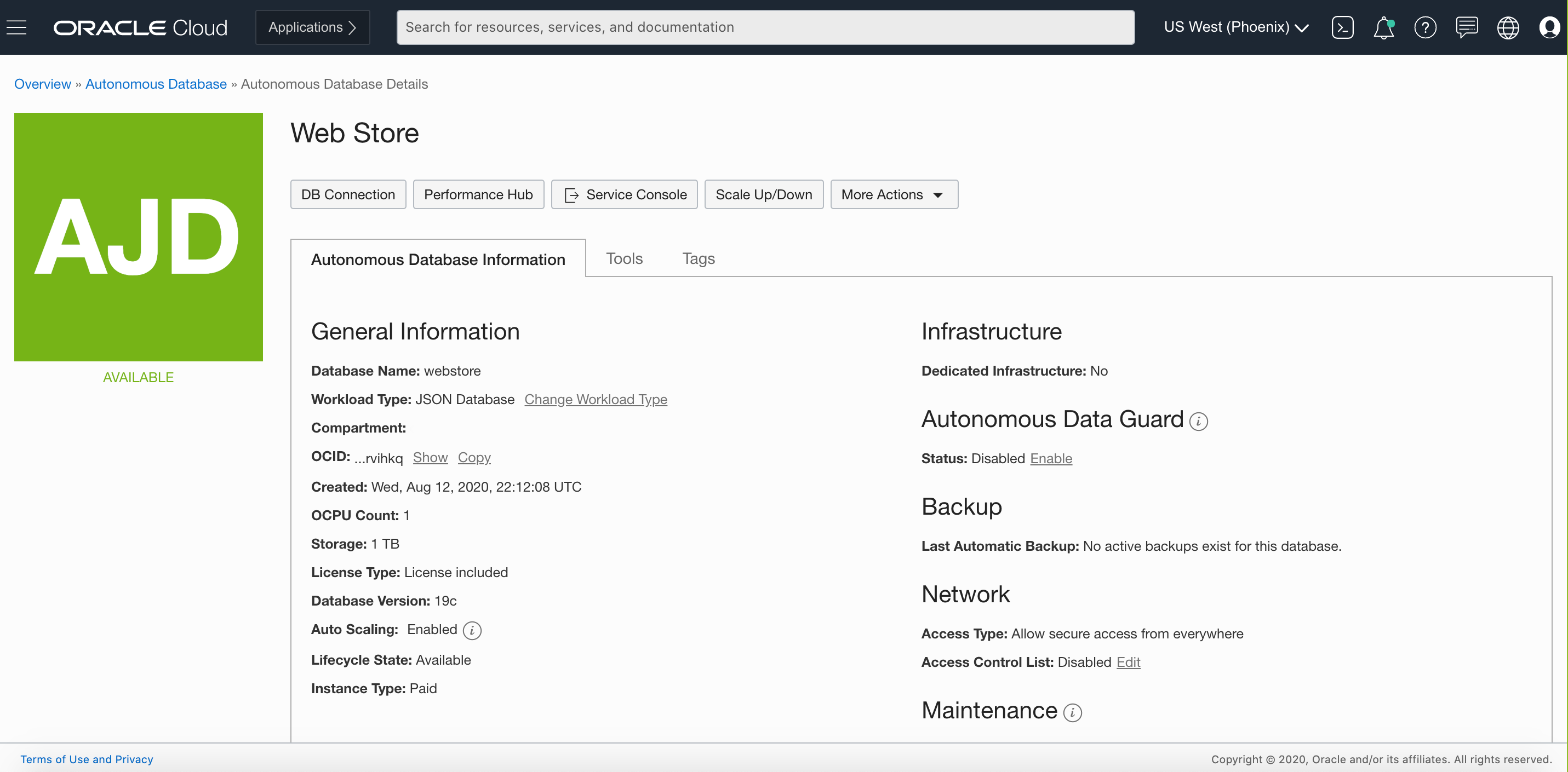  | SolarWinds Database Performance Analyzer Screenshots      |
