Chose Sentry
Rollbar, Dynatrace, Splunk Application Performance Monitoring (APM), Datadog and Grafana

| Product | Rating | Most Used By | Product Summary | Starting Price |
|---|---|---|---|---|
 Sentry | N/A | Sentry provides engineering teams with tools to detect and solve user-impacting bugs and other issues. | $26 per month | |
 SolarWinds AppOptics | N/A | SolarWinds AppOptics (formerly Librato) is an IT infrastructure monitoring service and APM, based on technology acquired by SolarWinds with Librato in 2015 to expand its cloud monitoring portfolio. | N/A |
| Sentry | SolarWinds AppOptics | |||||||||||||||
|---|---|---|---|---|---|---|---|---|---|---|---|---|---|---|---|---|
| Editions & Modules |
| No answers on this topic | ||||||||||||||
| Offerings |
| |||||||||||||||
| Entry-level Setup Fee | No setup fee | No setup fee | ||||||||||||||
| Additional Details | — | — | ||||||||||||||
| More Pricing Information | ||||||||||||||||
| Sentry | SolarWinds AppOptics | |
|---|---|---|
| Considered Both Products | Sentry  Rahul Jain Senior Software Engineering Chose Sentry We used rollbar but didn't like the configuration its not easy. And also doesn't support wide features like Sentry although its a cheaper option but doesn't have the dash-boarding like Sentry and its was not easy to integrate webhooks for different purposes. Somehow many people …  Brandon Scivolette President Chose Sentry I think Sentry is far more user-friendly and has a better UI. Sentry is also a more affordable option.  Kevin Van Heusen Software Architect Chose Sentry Sentry is better suited for tracking and aggregating exceptions over New Relic. New Relic does report on exceptions that occur, but Sentry is better at rolling up similar exceptions and filtering out the noise. Sentry also does a great job at identifying when an exception first …  Joshua Dickson Director of Engineering Chose Sentry Sentry is really a tool to be used in combination with other things, like Pingdom and PagerDuty. For those applications, Sentry is a far more full-features offering that lets you see why errors happened, not just be alerted to their occurrence. We chose it over other error …  Luke Abbott Developer Chose Sentry There are quite a few players in this space, but Rollbar and Sentry seem to be the top two. I can't remember why I chose Sentry over Rollbar, but they seem pretty close in terms of features. |  SolarWinds AppOptics  Nikhil Kumar Sharma Associate Consultant Chose SolarWinds AppOptics Everyone used to know the names of AppDynamics and Dynatrace when it comes to APM or Application Tracing Monitoring. Since these tools were the evolver of this particular technology, I still believe that these tools are the market player. But SolarWinds AppOptics is not less, …  Dave Costantino CTO (Chief Technical Officer) Chose SolarWinds AppOptics We felt the competitors were both more expensive and more difficult to configure and deploy. We selected SolarWinds AppOptics because it provided better value both in terms of cost and user experience. |
| Sentry | SolarWinds AppOptics | |||||||||||||||||||||||||||||||||||||||
|---|---|---|---|---|---|---|---|---|---|---|---|---|---|---|---|---|---|---|---|---|---|---|---|---|---|---|---|---|---|---|---|---|---|---|---|---|---|---|---|---|
| Application Performance Management |
|
| Sentry | SolarWinds AppOptics | |
|---|---|---|
| Small Businesses |  GitLab Score 8.7 out of 10 | GitLab Score 8.7 out of 10 |
| Medium-sized Companies | GitLab Score 8.7 out of 10 |  ManageEngine Site24x7 Score 9.8 out of 10 |
| Enterprises | GitLab Score 8.7 out of 10 | ManageEngine Site24x7 Score 9.8 out of 10 |
| All Alternatives | View all alternatives | View all alternatives |
| Sentry | SolarWinds AppOptics | |
|---|---|---|
| Likelihood to Recommend | 8.3 (0 ratings) | 7.8 (0 ratings) |
| Likelihood to Renew | - (0 ratings) | 9.1 (0 ratings) |
| Usability | - (0 ratings) | 9.6 (0 ratings) |
| Support Rating | - (0 ratings) | 9.0 (0 ratings) |
| Sentry | SolarWinds AppOptics | |
|---|---|---|
| Likelihood to Recommend |
|
|
| Pros |
 Yaniv Vararu Director, Quality & Processes |
|
| Cons |
Rahul Jain Senior Software Engineering |
|
| Likelihood to Renew | No answers on this topic |
|
| Usability | No answers on this topic |
|
| Support Rating | No answers on this topic |
Nikhil Kumar Sharma Associate Consultant |
| Alternatives Considered |
|
|
| Return on Investment |
Luke Abbott Developer |
|
| ScreenShots | SolarWinds AppOptics Screenshots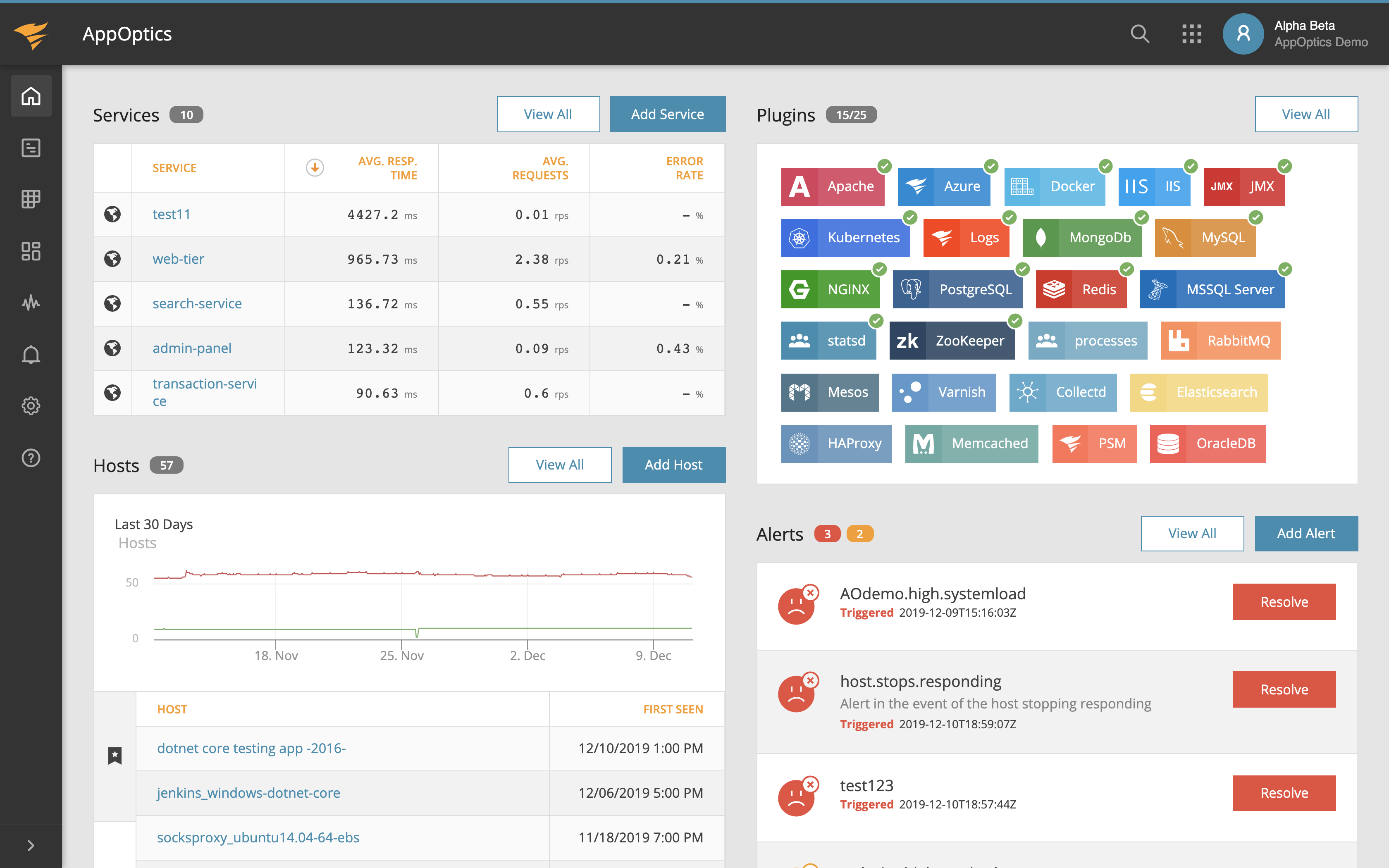   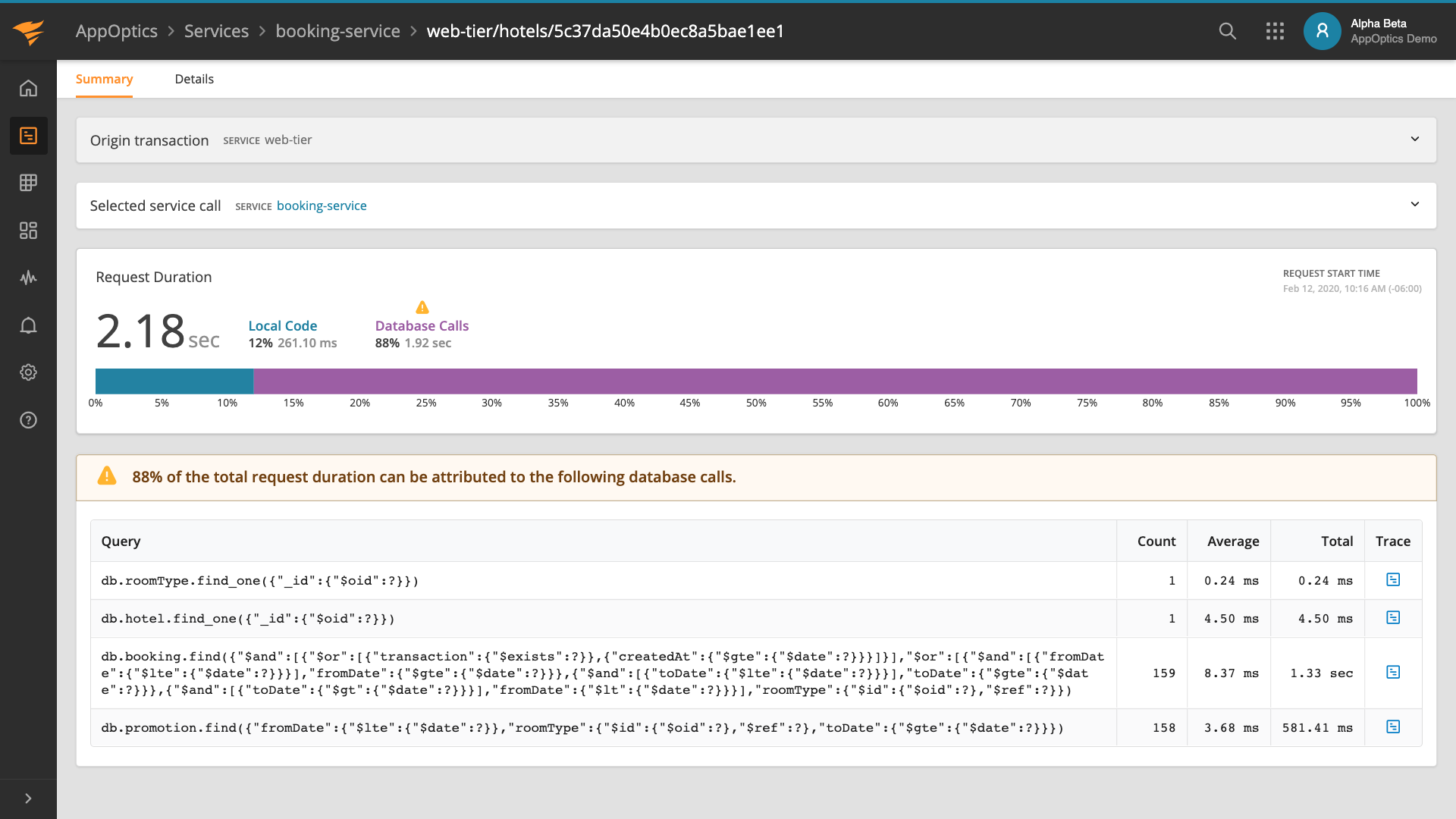   |