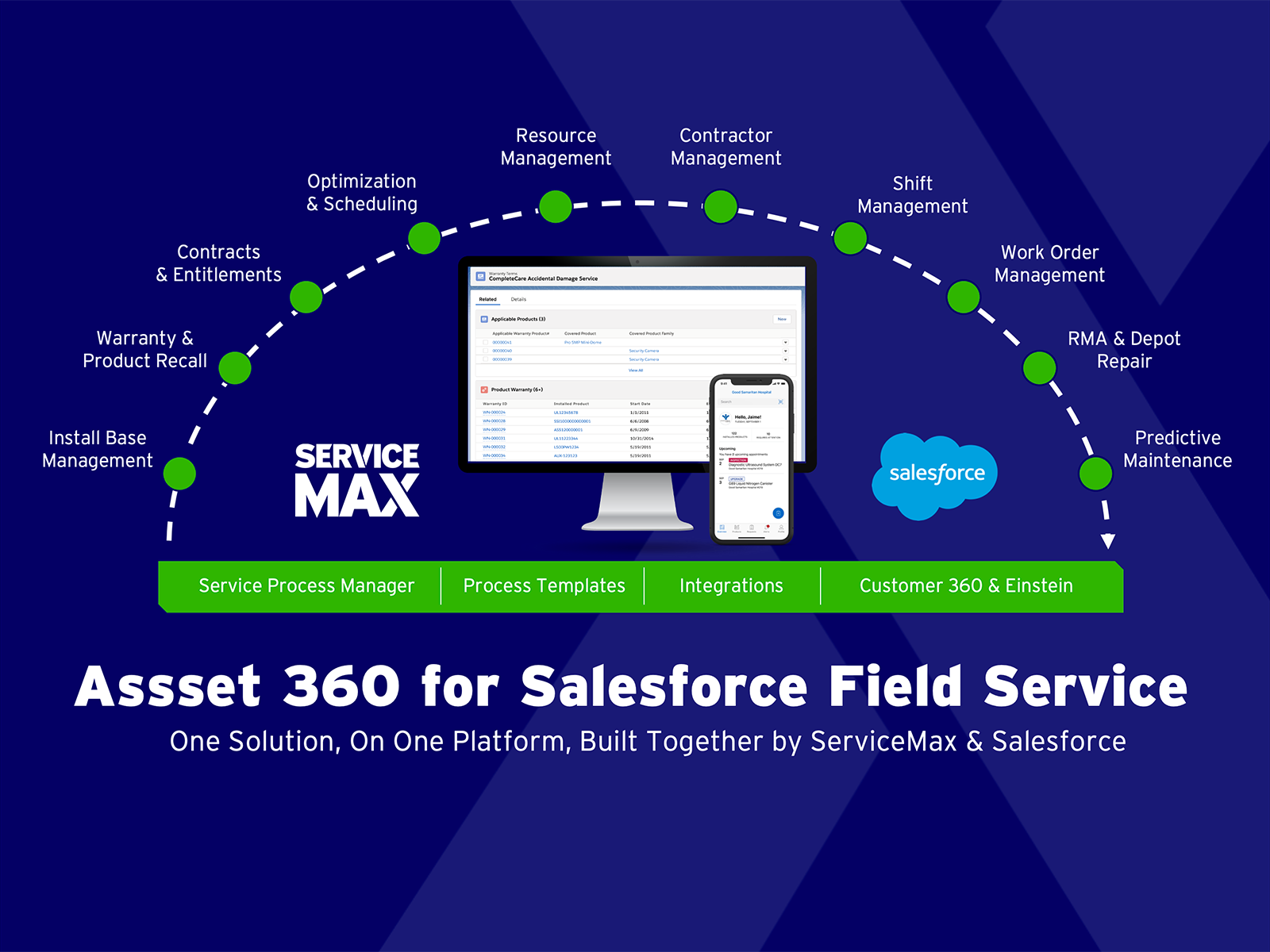
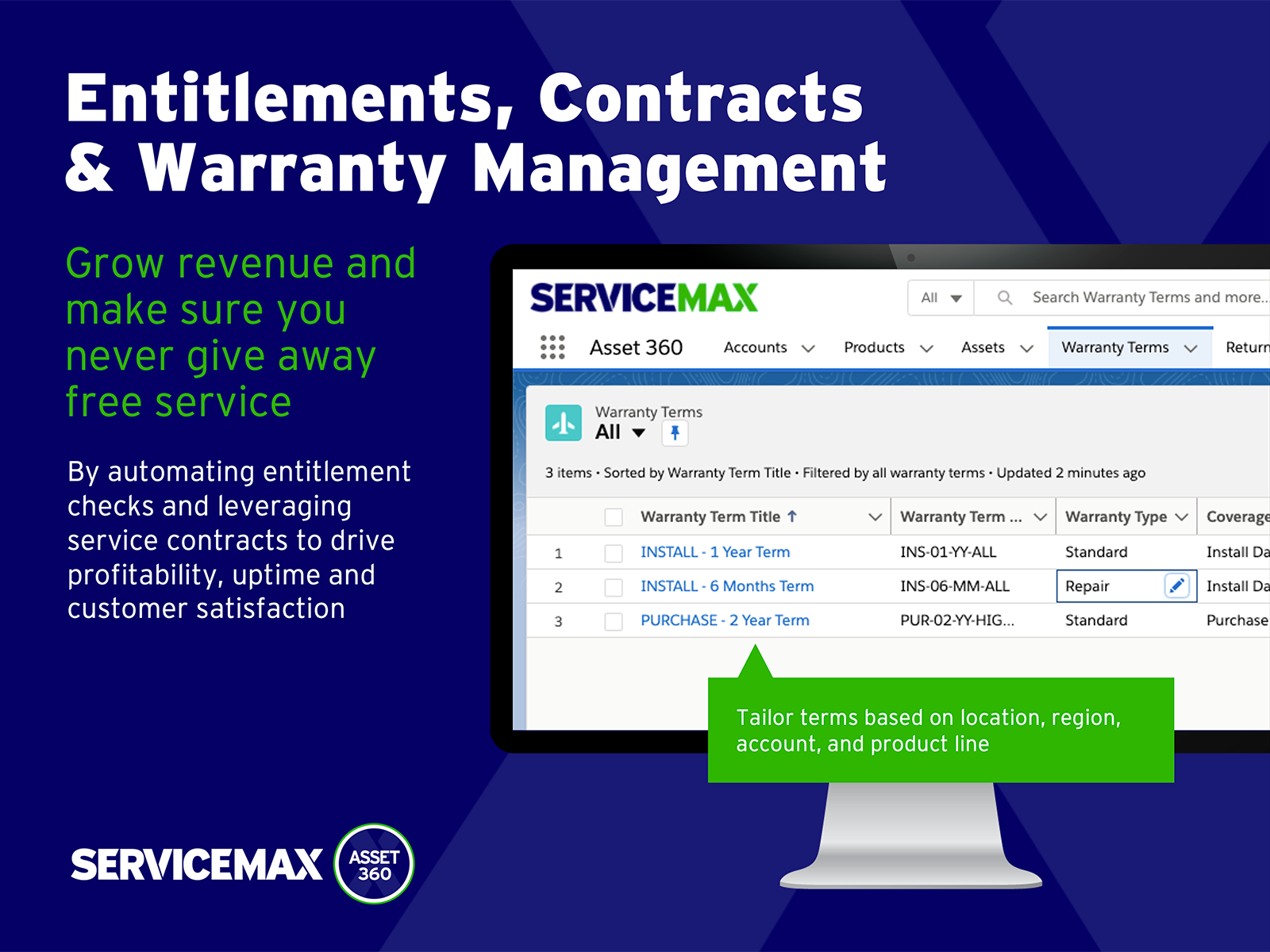
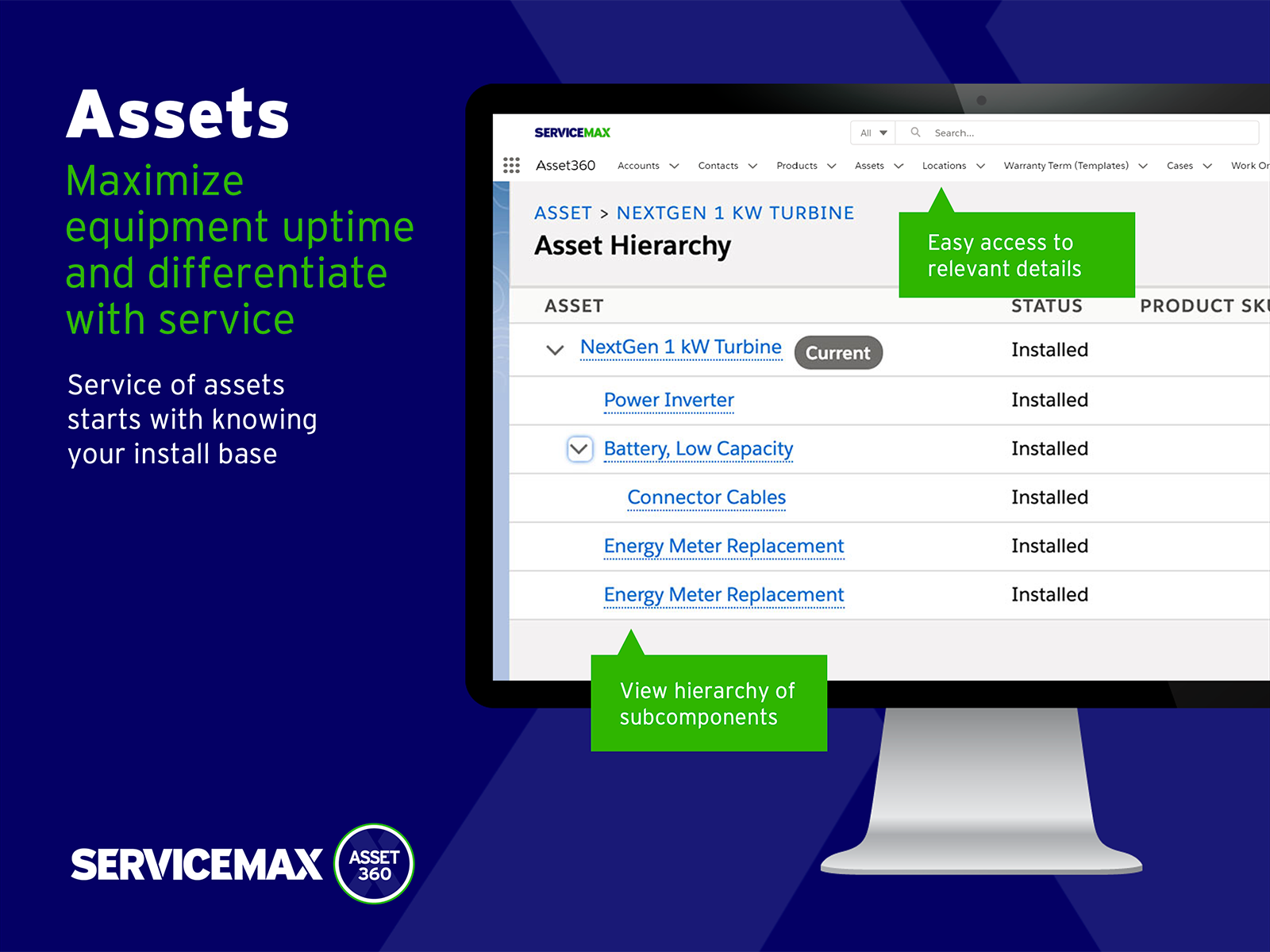
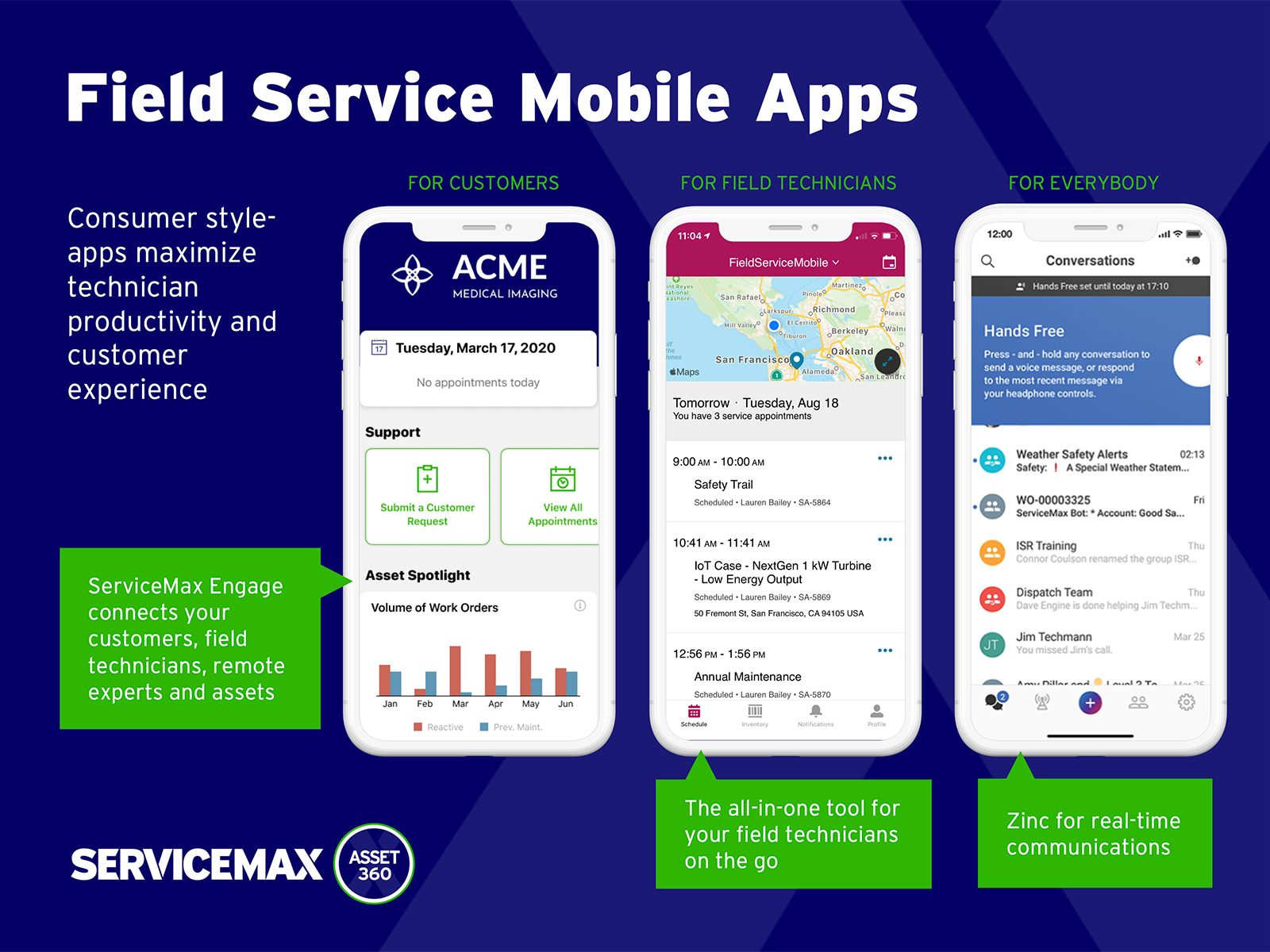
ServiceMax’s mission is to help customers with asset-centric field service management software. ServiceMax’s mobile apps and cloud-based software provide an overview of assets to field service teams. By optimizing field service operations, customers across all industries can better manage the complexities of service, support faster growth and run more profitable, outcome-centric businesses.
$100
per month
ServiceTrade
Score 9.6 out of 10
Mid-Size Companies (51-1,000 employees)
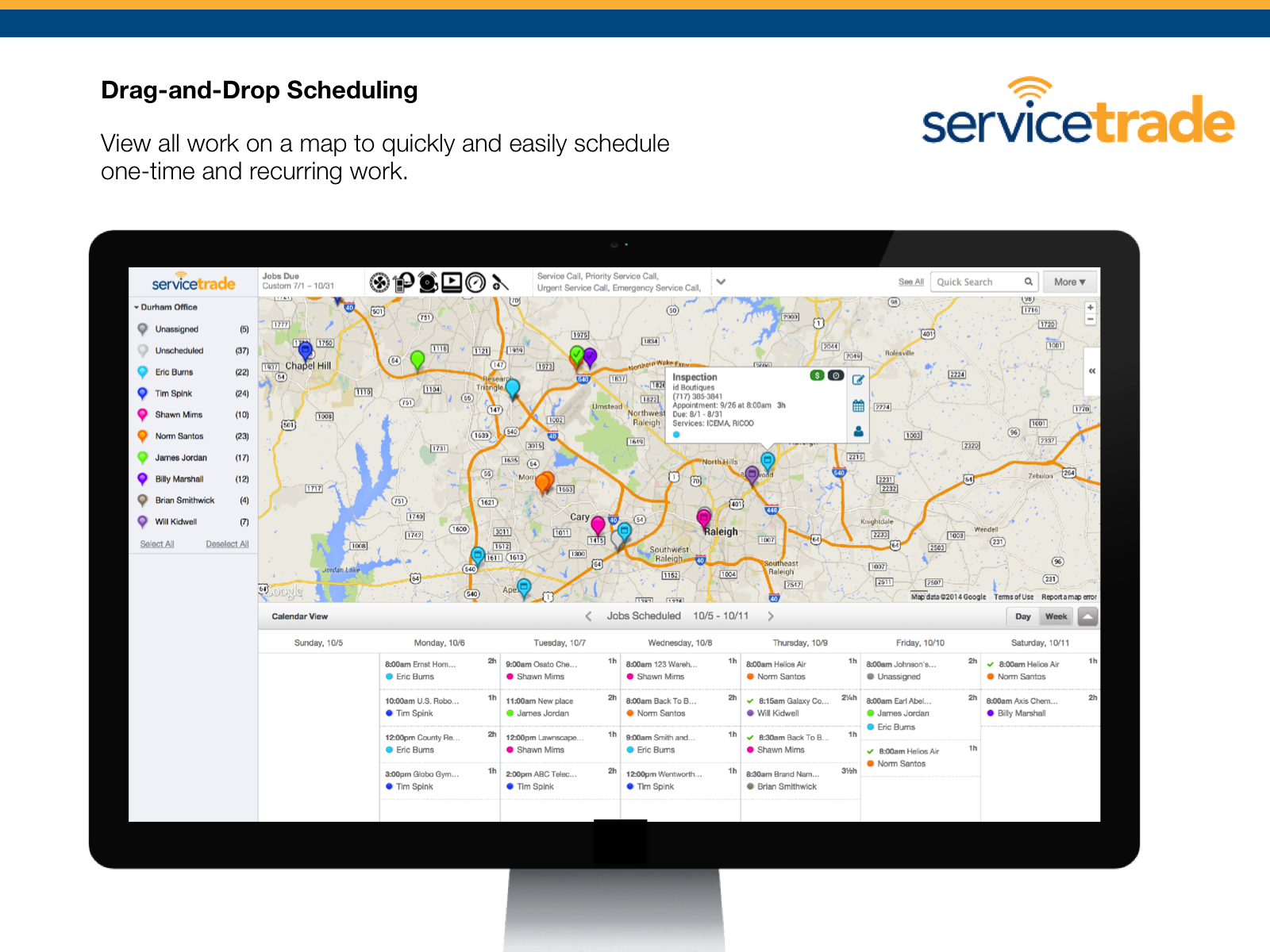
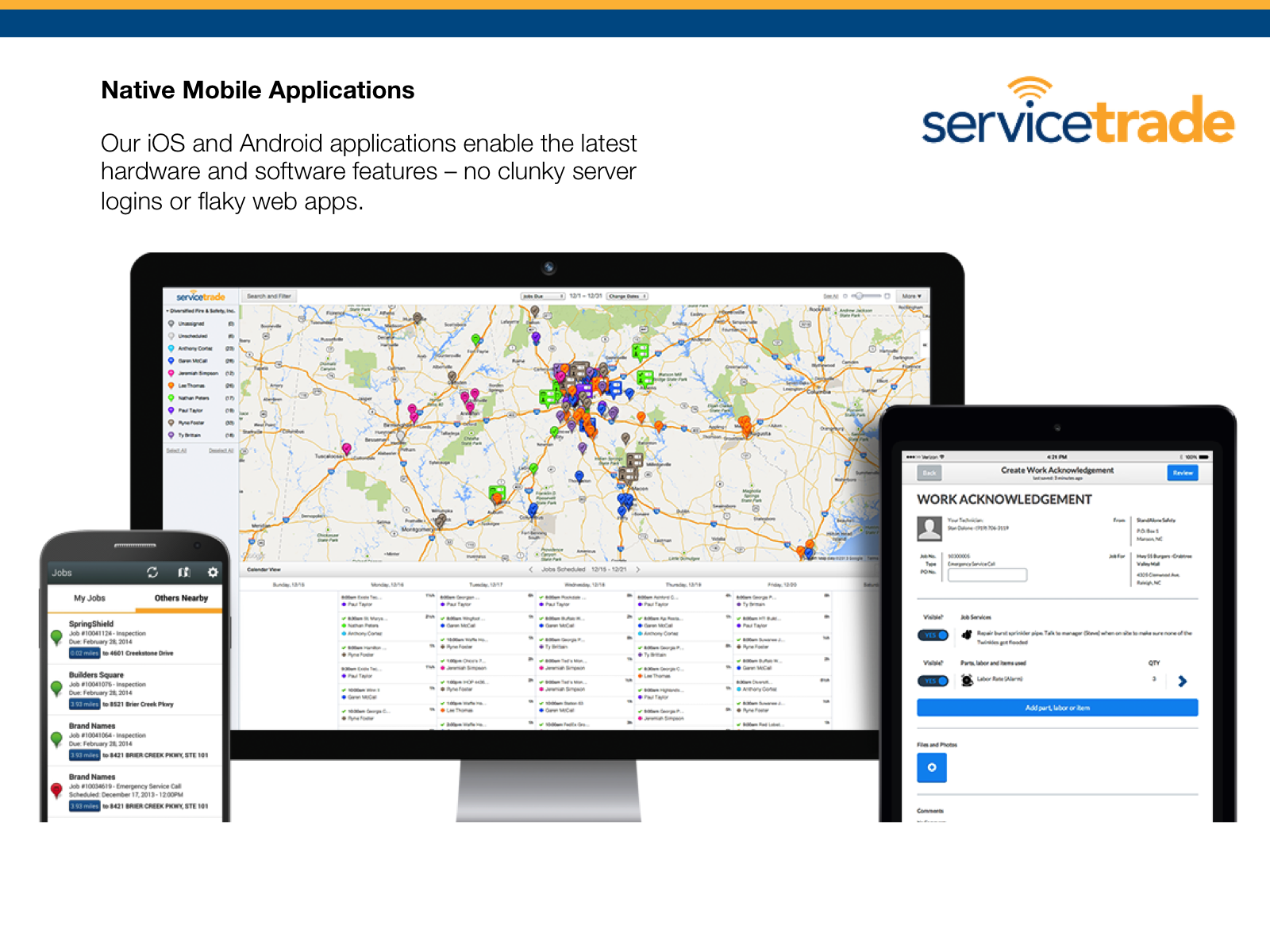
ServiceTrade is a software platform for commercial mechanical and fire contractors. ServiceTrade aims to help contractors deliver more work with limited resources by improving service and project operations, increasing technician productivity, selling more service and inspection agreements, and growing customer loyalty. According to the vendor, 10% of the commercial or industrial buildings in the United States are serviced by more than 1,200 contractors using ServiceTrade to manage 13 million…
ServiceMax has an offline capability, and also integrates with our Salesforce side of business. At the time, Salesforce did not have a field service application so we could not consider it, but if we could now, we would probably go with that instead. ServiceMax is also …
ServiceMax is a more in-depth system created for larger institutions compared to Basecamp 2. Basecamp is a product that is quick to initiate but lacks the reporting power of ServiceMax, but Basecamp 3 is reported to add reporting functionality. ServiceMax reporting can be a …
ServiceMax boasts that it runs natively on the SalesForce platform however, in reality, it functions less as a native component and more so as a confusing doppelganger that redirects your work at every turn from its intended output to something else entirely. Although it blends right into SalesForce on a surface level it is by no means seamless as it takes every frustrating or slow element of its host platform and amplifies them, seeming exponentially at times. This is of course until you'd like the ServiceMax components to differentiate themselves in some manner from elements that are actually native to SalesForce. For example, let's say you'd like to run a report of tickets pending review for invoicing but both SalesForce and ServiceMax's service platforms have the record types "Ticket" and "Invoice", what do you do? Well, you get to take part in what will soon become your new top housekeeping task, hours of trial and error until you stumble upon the magic combination of selections that might get you *most* of your data. In short, ServiceMax is...
Painfully slow - I wrote this review while waiting for it to update a single line in Price Book)
The offline sync is very buggy and has many limitations. Recovery of the sync if it fails because of technicalities is in many ways, unrecoverable and unexplainable by the user.
No integration with Salesforce knowledge articles.
Support is limited and usually not knowledgeable about their own products.
ServiceMax has an offline capability, and also integrates with our Salesforce side of business. At the time, Salesforce did not have a field service application so we could not consider it, but if we could now, we would probably go with that instead. ServiceMax is also expensive. But at the time, ServiceMax was the only offering out there that integrated with Salesforce, had mobile offline capability, and could operate at the scale we needed.