Chose SolarWinds AppOptics
Prometheus and Amazon CloudWatch

| Product | Rating | Most Used By | Product Summary | Starting Price |
|---|---|---|---|---|
 SolarWinds AppOptics | N/A | SolarWinds AppOptics (formerly Librato) is an IT infrastructure monitoring service and APM, based on technology acquired by SolarWinds with Librato in 2015 to expand its cloud monitoring portfolio. | N/A | |
 IBM Turbonomic | Enterprise companies (1,001+ employees) | IBM Turbonomic is a performance and cost optimization platform for public, private, and hybrid clouds used by cloud, infrastructure operations, and architecture to assure application performance while eliminating inefficiencies by dynamically resourcing applications through automated actions. One of the key features of IBM Turbonomic is its ability to continuously adjust application resources in real time. By monitoring resource utilization and application performance,… | N/A |
| SolarWinds AppOptics | IBM Turbonomic | |||||||||||||||
|---|---|---|---|---|---|---|---|---|---|---|---|---|---|---|---|---|
| Editions & Modules | No answers on this topic |
| ||||||||||||||
| Offerings |
| |||||||||||||||
| Entry-level Setup Fee | No setup fee | Optional | ||||||||||||||
| Additional Details | — | Volume discounting available. | ||||||||||||||
| More Pricing Information | ||||||||||||||||
| SolarWinds AppOptics | IBM Turbonomic | |
|---|---|---|
| Considered Both Products |  SolarWinds AppOptics  Nikhil Kumar Sharma Associate Consultant Chose SolarWinds AppOptics Everyone used to know the names of AppDynamics and Dynatrace when it comes to APM or Application Tracing Monitoring. Since these tools were the evolver of this particular technology, I still believe that these tools are the market player. But SolarWinds AppOptics is not less, …  Dave Costantino CTO (Chief Technical Officer) Chose SolarWinds AppOptics We felt the competitors were both more expensive and more difficult to configure and deploy. We selected SolarWinds AppOptics because it provided better value both in terms of cost and user experience. |  IBM Turbonomic  Regis Machado Model Product Manager Chose IBM Turbonomic I chose IBM Turbonomic because it is a good tool that integrates any CSP and on-premises solutions. It also helps with difficult tasks related to ARM issues.  MEI KAM WONG CIO (Chief Information Officer) Chose IBM Turbonomic Turbonomic is class apart compared to the others. It helps you achieve what is not possible with the other solutions. Turbonomic can work in an auto-mode and keep delivering savings and business performance. No other product comes even close.  Andrew Starodubtsev DevOps engineer Chose IBM Turbonomic I selected IBM Turbonomic because it is a comprehensive tool that can help me monitor and optimize the entire IT environment. The choice of IBM Turbonomic is often driven by its extensive feature set, scalability, and delivering tangible results. IBM Turbonomic stands out in …  Rehan Kanuga Data Analyst Chose IBM Turbonomic Dynatrace, Apptio Cloudability and CloudHealth by VMware  Kaveen Eashwarage Manager - Special Projects Chose IBM Turbonomic As the organization had experience of years in using IBM products, we had the confidence that they will provide us with great support. And we needed a reliable solution as a financial institute to ensure continuous operations. Even though the price was very high, we made the …  A. Kıvanç Güler Hybrid Cloud Automation Sales Leader, Finance Chose IBM Turbonomic Application awareness is the key success criteria of IBM Turbonomic when the comparison came on the table. To be aware of the application performance and nature when monitoring or analyzing the components and resources of the applications is the key differentiation of the IBM …  Rekha Yadav Development Team Lead Chose IBM Turbonomic IBM Turbonomic is still trying the pick the pace and against the other products in the market. It is equivalent to SolarWinds, LogicMonitor and some part of AppDynamics but far behind SPLUNK Enterpsie and ServiceNow Now Platform due to the fact that they offer open wide … Nikhil Kumar Sharma Team Building | Product Owner | Capability Building Chose IBM Turbonomic IBM Turbonomic has grown to a respectable level now in the market and after associating with IBM its value has been increased in terms of trust and results. From technical point of view this is a potential solution and provide almost all similar features like its competitors. …  Shawn Robertson Platform Manager Chose IBM Turbonomic Turbonomic blew the doors off the competition. When we did a comparison to our current application that was monitoring our environment, Turbonomic surpassed them with flying colors at the start during the POC. Then during the POC white we were kicking the tires around the …  Jeniffer Ethan Senior Consultant Chose IBM Turbonomic I like Turbonomic it helps us to ensure our applications get the resources they need to perform. With a complete understanding of the application and infrastructure stack, we are able to automate actions and prevent resource congestion across a hybrid cloud environment.  Riya Vadhwani Associate Data Engineer Chose IBM Turbonomic Azure AI (Cortana), ADL Data Systems and Databricks Lakehouse Platform (Unified Analytics Platform)  Chris Bannoura Sr. System Engineer Chose IBM Turbonomic Turbonomic was recommended by one of our vendors to help handle and manage costs. We have not used any other company.  Chris Saenz Lead System Engineer Chose IBM Turbonomic The only comparable alternative has been DRS and sDRS which are native to vCenter. These tools have had to suffice for managing resources and placement. Thusfar, they have been working for us well. Although there is some manual work and reliance on monitoring tools to ensure … |
| SolarWinds AppOptics | IBM Turbonomic | |||||||||||||||||||||||||||||||||||||||
|---|---|---|---|---|---|---|---|---|---|---|---|---|---|---|---|---|---|---|---|---|---|---|---|---|---|---|---|---|---|---|---|---|---|---|---|---|---|---|---|---|
| Application Performance Management |
| |||||||||||||||||||||||||||||||||||||||
| Cloud Management |
|
| SolarWinds AppOptics | IBM Turbonomic | |
|---|---|---|
| Small Businesses |  GitLab Score 8.7 out of 10 |  VMware Cloud Director Score 8.6 out of 10 |
| Medium-sized Companies |  ManageEngine Site24x7 Score 9.8 out of 10 |  Cohesity Score 9.0 out of 10 |
| Enterprises | ManageEngine Site24x7 Score 9.8 out of 10 |  vRealize Operations (discontinued) Score 10.0 out of 10 |
| All Alternatives | View all alternatives | View all alternatives |
| SolarWinds AppOptics | IBM Turbonomic | |
|---|---|---|
| Likelihood to Recommend | 7.8 (0 ratings) | 7.8 (0 ratings) |
| Likelihood to Renew | 9.1 (0 ratings) | 9.0 (0 ratings) |
| Usability | 9.6 (0 ratings) | 8.0 (0 ratings) |
| Availability | - (0 ratings) | 10.0 (0 ratings) |
| Performance | - (0 ratings) | 8.0 (0 ratings) |
| Support Rating | 9.0 (0 ratings) | 8.0 (0 ratings) |
| In-Person Training | - (0 ratings) | 8.2 (0 ratings) |
| Online Training | - (0 ratings) | 10.0 (0 ratings) |
| Implementation Rating | - (0 ratings) | 9.7 (0 ratings) |
| Configurability | - (0 ratings) | 10.0 (0 ratings) |
| Ease of integration | - (0 ratings) | 8.0 (0 ratings) |
| Product Scalability | - (0 ratings) | 10.0 (0 ratings) |
| Vendor post-sale | - (0 ratings) | 10.0 (0 ratings) |
| Vendor pre-sale | - (0 ratings) | 10.0 (0 ratings) |
| SolarWinds AppOptics | IBM Turbonomic | |
|---|---|---|
| Likelihood to Recommend |
|
|
| Pros |
|
Chris Saenz Lead System Engineer |
| Cons |
|
 Thomas Green System Engineer |
| Likelihood to Renew |
|
|
| Usability |
|
|
| Reliability and Availability | No answers on this topic |
 Feather, Joshua IT Manager |
| Performance | No answers on this topic |
|
| Support Rating |
Nikhil Kumar Sharma Associate Consultant |
|
| In-Person Training | No answers on this topic |
 Giles Ogram Technical Architect |
| Online Training | No answers on this topic |
|
| Implementation Rating | No answers on this topic |
|
| Alternatives Considered |
|
Kaveen Eashwarage Manager - Special Projects |
| Scalability | No answers on this topic |
|
| Return on Investment |
|
Shawn Robertson Platform Manager |
| ScreenShots | SolarWinds AppOptics Screenshots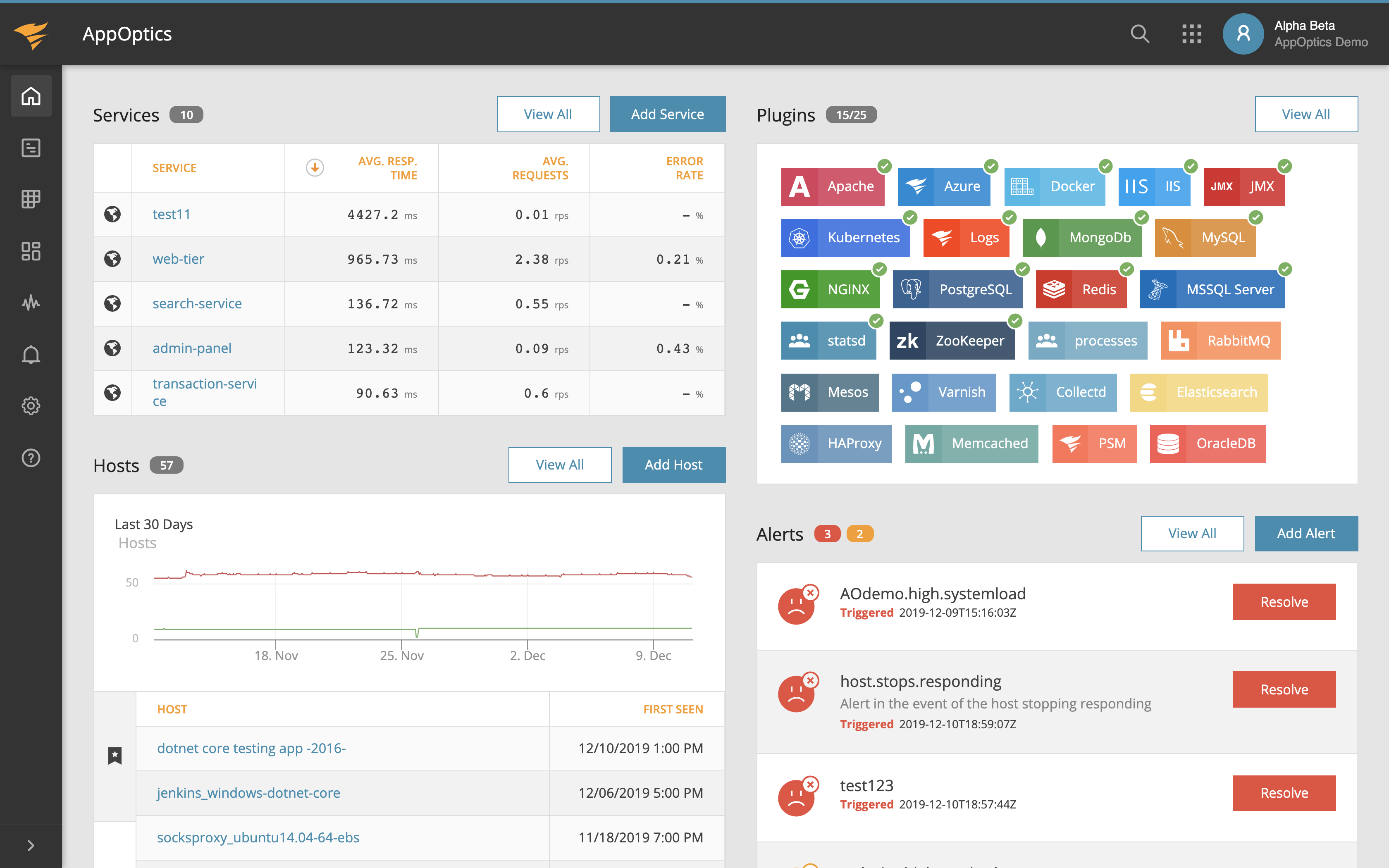   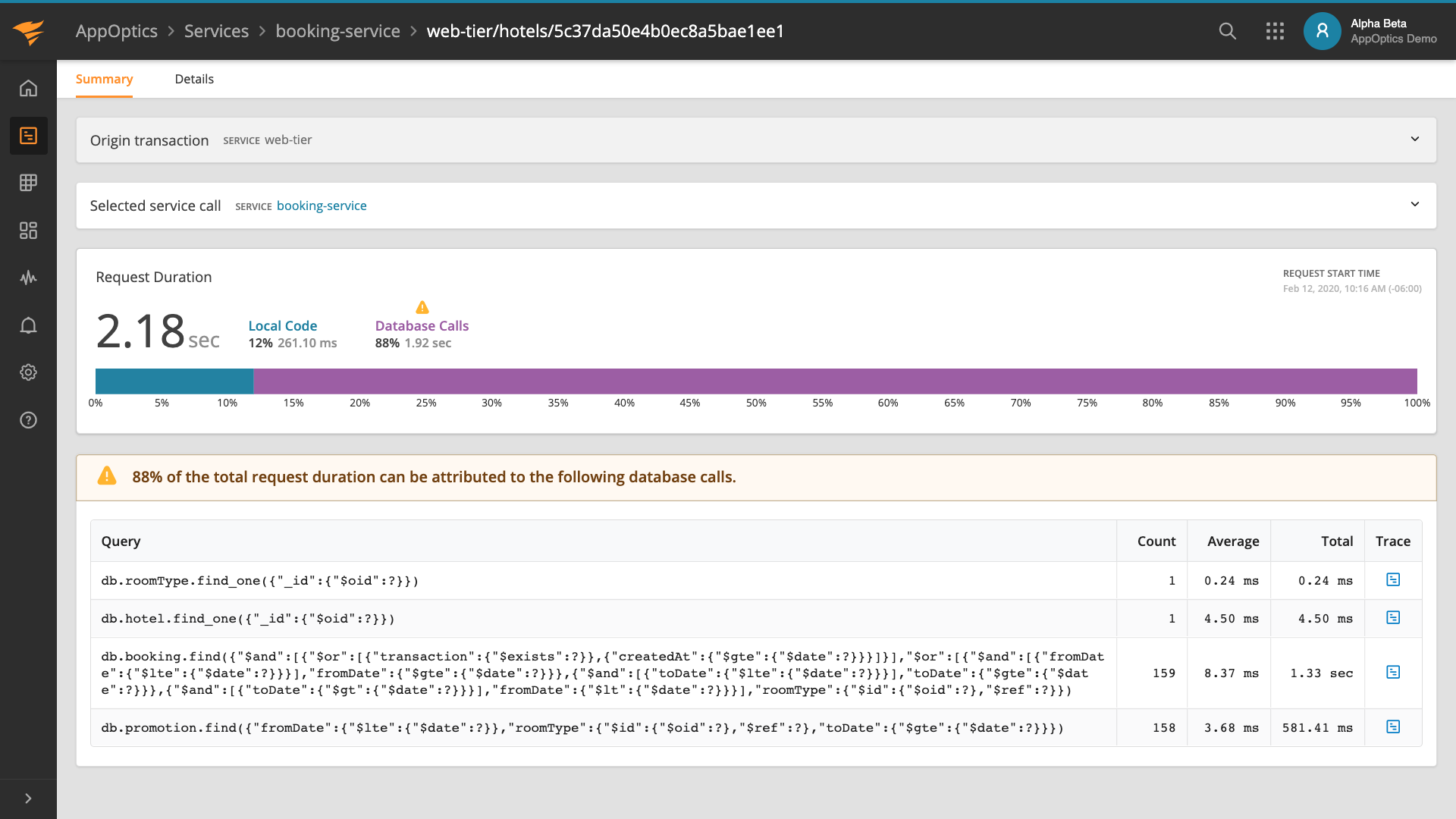   | IBM Turbonomic Screenshots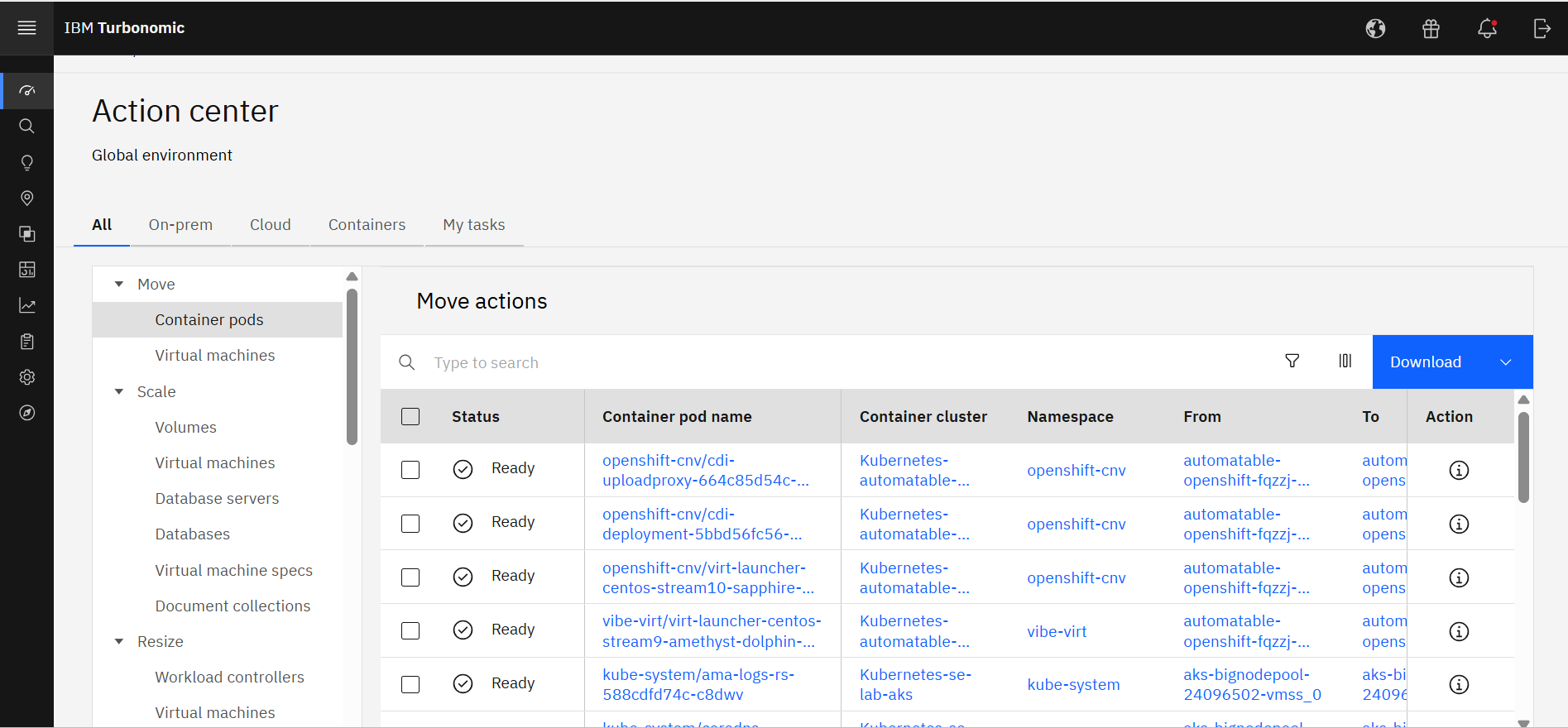 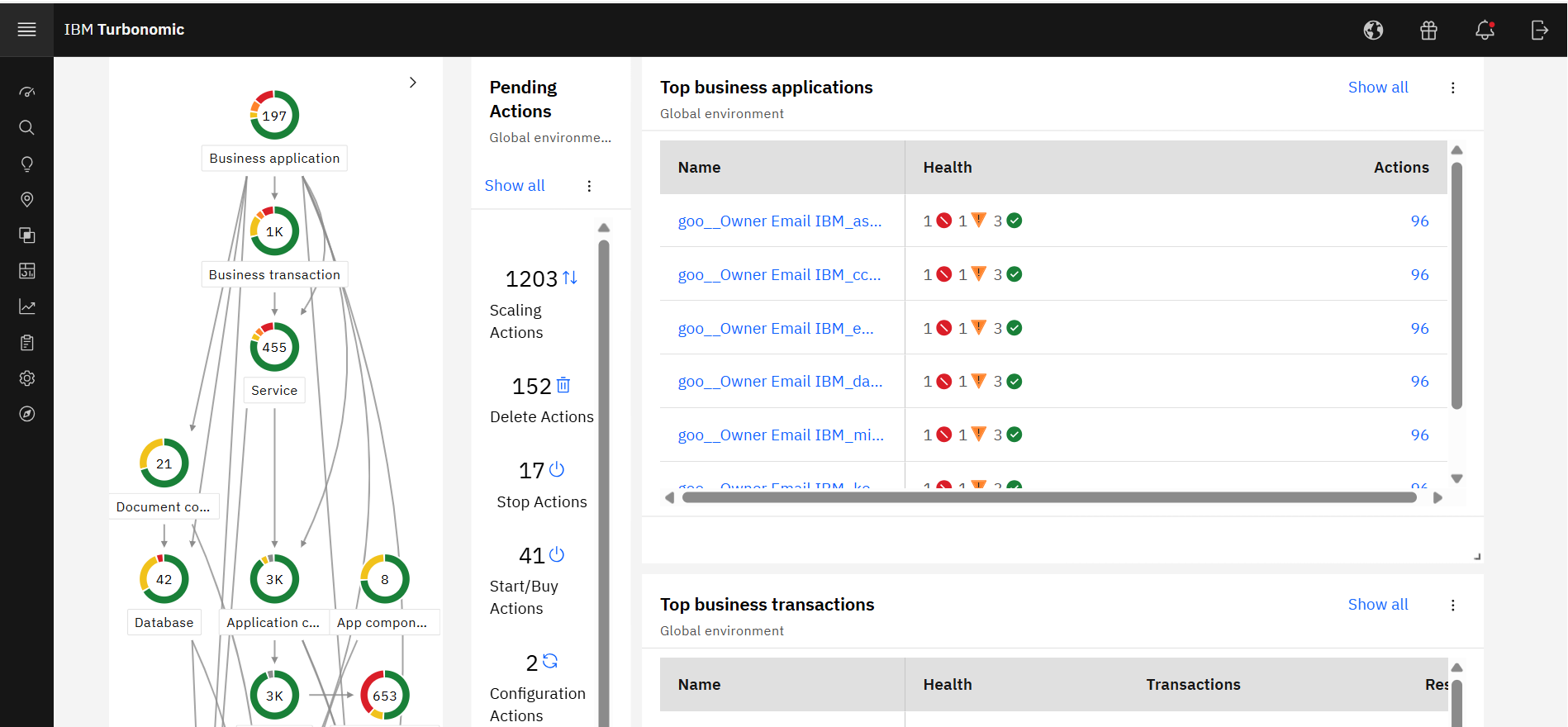 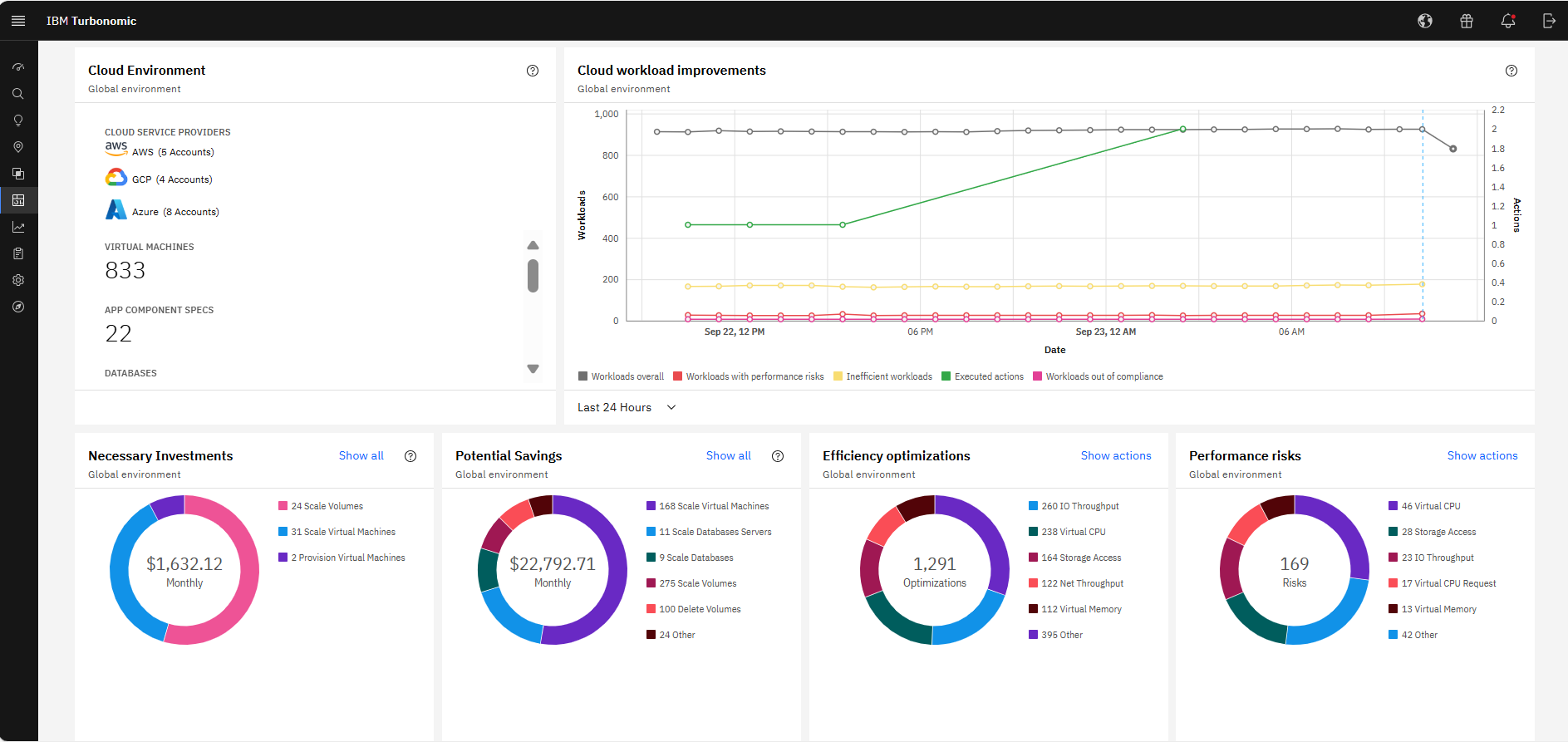 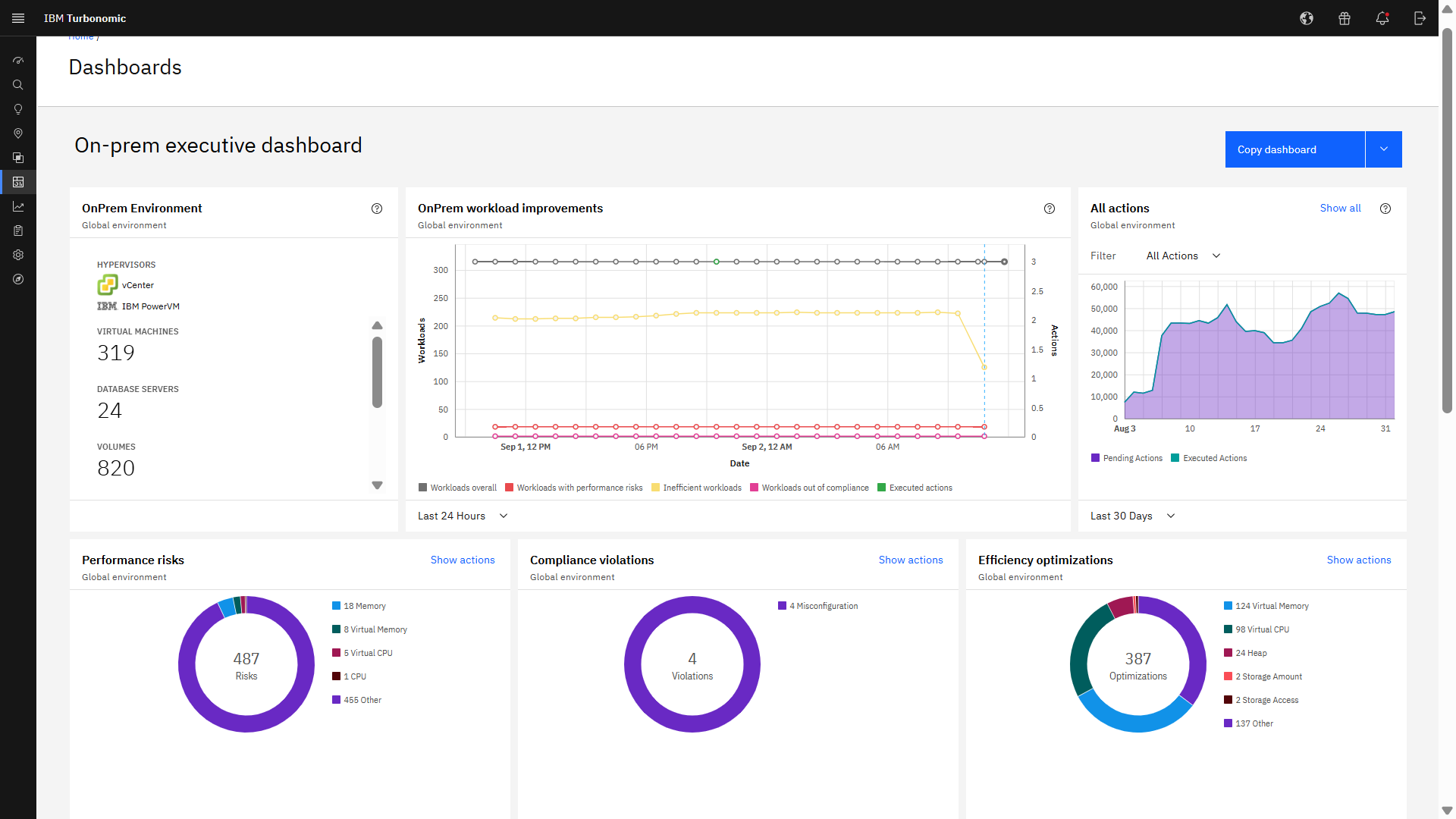 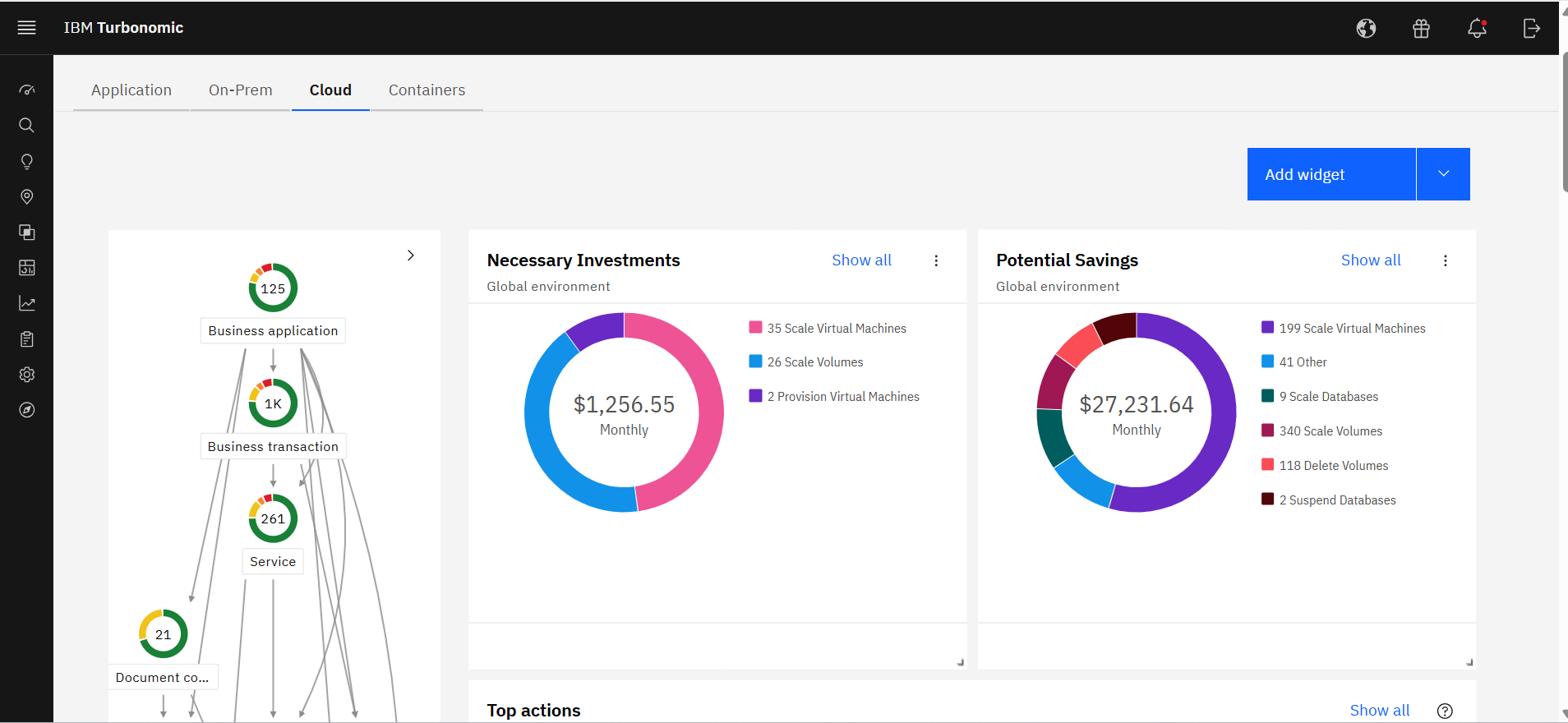 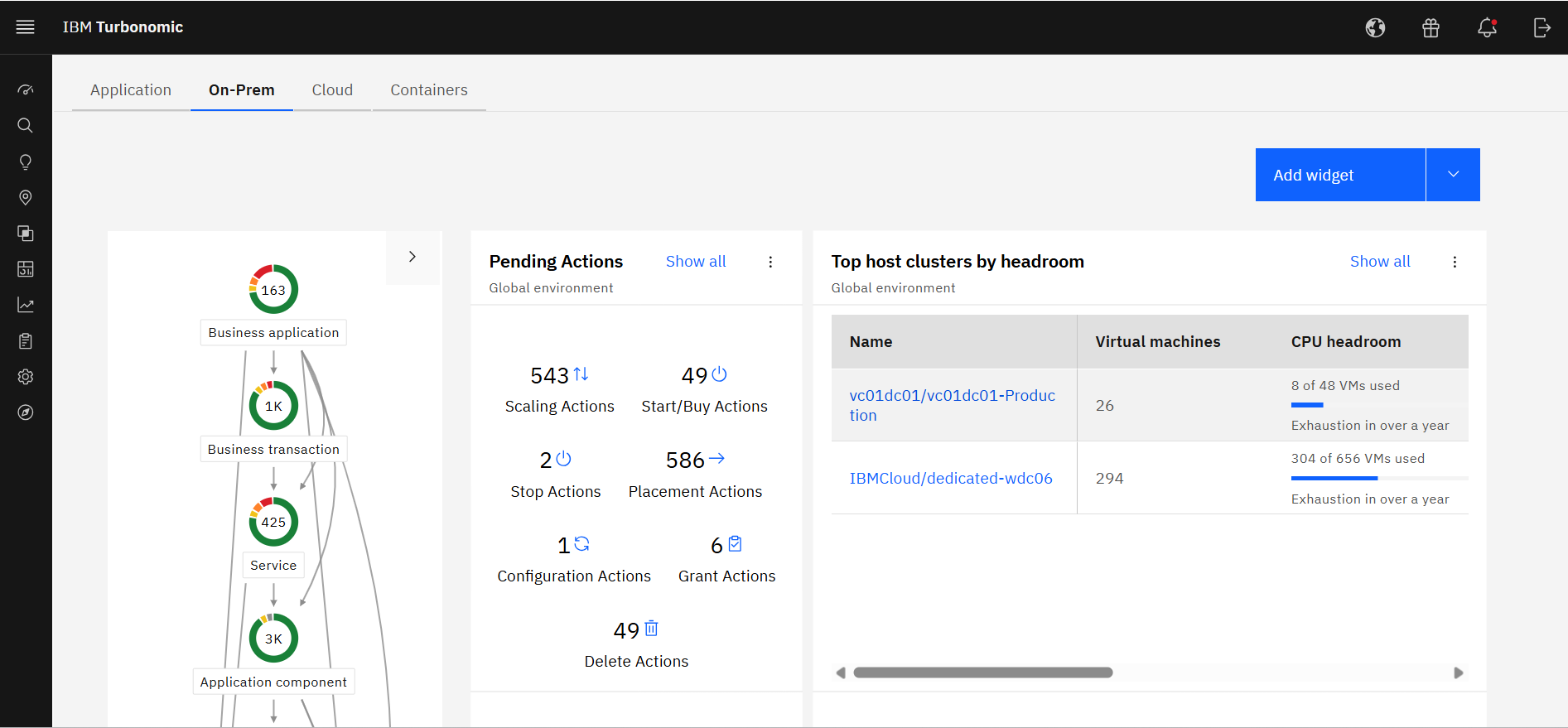 |