Chose SolarWinds AppOptics
Prometheus and Amazon CloudWatch

| Product | Rating | Most Used By | Product Summary | Starting Price |
|---|---|---|---|---|
 SolarWinds AppOptics | N/A | SolarWinds AppOptics (formerly Librato) is an IT infrastructure monitoring service and APM, based on technology acquired by SolarWinds with Librato in 2015 to expand its cloud monitoring portfolio. | N/A | |
 vRealize Operations (discontinued) | N/A | vRealize Operations, or Aria Operations, provided simplified and automated IT Operations Management across private, hybrid, and multi-cloud environments, and visibility into the entire tech stack, including all physical, virtual, and cloud infrastructure components. The product is no longer available for sale. | N/A |
| SolarWinds AppOptics | vRealize Operations (discontinued) | |||||||||||||||
|---|---|---|---|---|---|---|---|---|---|---|---|---|---|---|---|---|
| Editions & Modules | No answers on this topic | No answers on this topic | ||||||||||||||
| Offerings |
| |||||||||||||||
| Entry-level Setup Fee | No setup fee | No setup fee | ||||||||||||||
| Additional Details | — | — | ||||||||||||||
| More Pricing Information | ||||||||||||||||
| SolarWinds AppOptics | vRealize Operations (discontinued) | |
|---|---|---|
| Considered Both Products |  SolarWinds AppOptics  Nikhil Kumar Sharma Associate Consultant Chose SolarWinds AppOptics Everyone used to know the names of AppDynamics and Dynatrace when it comes to APM or Application Tracing Monitoring. Since these tools were the evolver of this particular technology, I still believe that these tools are the market player. But SolarWinds AppOptics is not less, …  Dave Costantino CTO (Chief Technical Officer) Chose SolarWinds AppOptics We felt the competitors were both more expensive and more difficult to configure and deploy. We selected SolarWinds AppOptics because it provided better value both in terms of cost and user experience. |  vRealize Operations (discontinued)  Arvind Kumar Senior Consultant - VMware & Infrastructure Chose vRealize Operations (discontinued) Much compatibility with our VMware Infrastructure.  Mike Nostrom Senior Systems Software Specialist Chose vRealize Operations (discontinued) SCOM was quite overwhelming when we first set up a POC for it. There was just too much for one person to handle. With vROPs I can manage the product and provide the support needed for my environment. We also have a Solarwinds environment that provides us with a level of detail …  Parag Bhardwaj Senior Infrastucture engineer Chose vRealize Operations (discontinued) We are a VMware shop and need monitoring from VMware. Also, I am not the decision maker here. I believe because of being a VMware shop we choose VRO and also may be my company got a great deal. I like this product although there is a lot of stuff to improve. |
| SolarWinds AppOptics | vRealize Operations (discontinued) | |||||||||||||||||||||||||||||||||||||||
|---|---|---|---|---|---|---|---|---|---|---|---|---|---|---|---|---|---|---|---|---|---|---|---|---|---|---|---|---|---|---|---|---|---|---|---|---|---|---|---|---|
| Application Performance Management |
|
| SolarWinds AppOptics | vRealize Operations (discontinued) | |
|---|---|---|
| Small Businesses |  GitLab Score 8.7 out of 10 |  Veeam ONE Score 8.2 out of 10 |
| Medium-sized Companies |  ManageEngine Site24x7 Score 9.8 out of 10 |  SolarWinds Virtualization Manager (VMAN) Score 10.0 out of 10 |
| Enterprises | ManageEngine Site24x7 Score 9.8 out of 10 | SolarWinds Virtualization Manager (VMAN) Score 10.0 out of 10 |
| All Alternatives | View all alternatives | View all alternatives |
| SolarWinds AppOptics | vRealize Operations (discontinued) | |
|---|---|---|
| Likelihood to Recommend | 7.8 (0 ratings) | 10.0 (0 ratings) |
| Likelihood to Renew | 9.1 (0 ratings) | - (0 ratings) |
| Usability | 9.6 (0 ratings) | 8.0 (0 ratings) |
| Support Rating | 9.0 (0 ratings) | 8.0 (0 ratings) |
| SolarWinds AppOptics | vRealize Operations (discontinued) | |
|---|---|---|
| Likelihood to Recommend |
|
 Mohanish Khatkhede Associate Consultant |
| Pros |
|
Arvind Kumar Senior Consultant - VMware & Infrastructure |
| Cons |
|
Mohanish Khatkhede Associate Consultant |
| Likelihood to Renew |
| No answers on this topic |
| Usability |
|
Mohanish Khatkhede Associate Consultant |
| Support Rating |
Nikhil Kumar Sharma Associate Consultant |
|
| Alternatives Considered |
|
Parag Bhardwaj Senior Infrastucture engineer |
| Return on Investment |
|
|
| ScreenShots | SolarWinds AppOptics Screenshots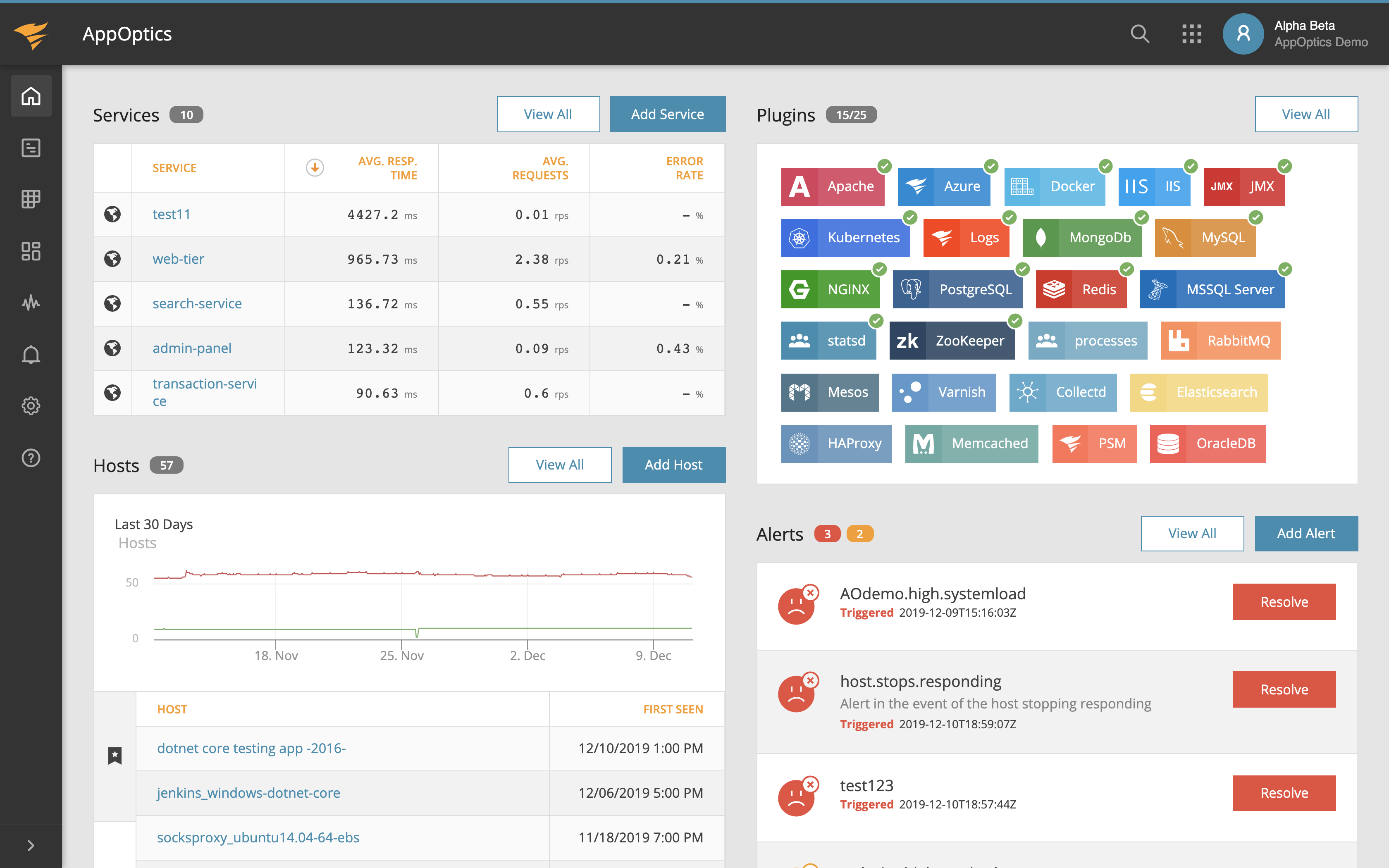   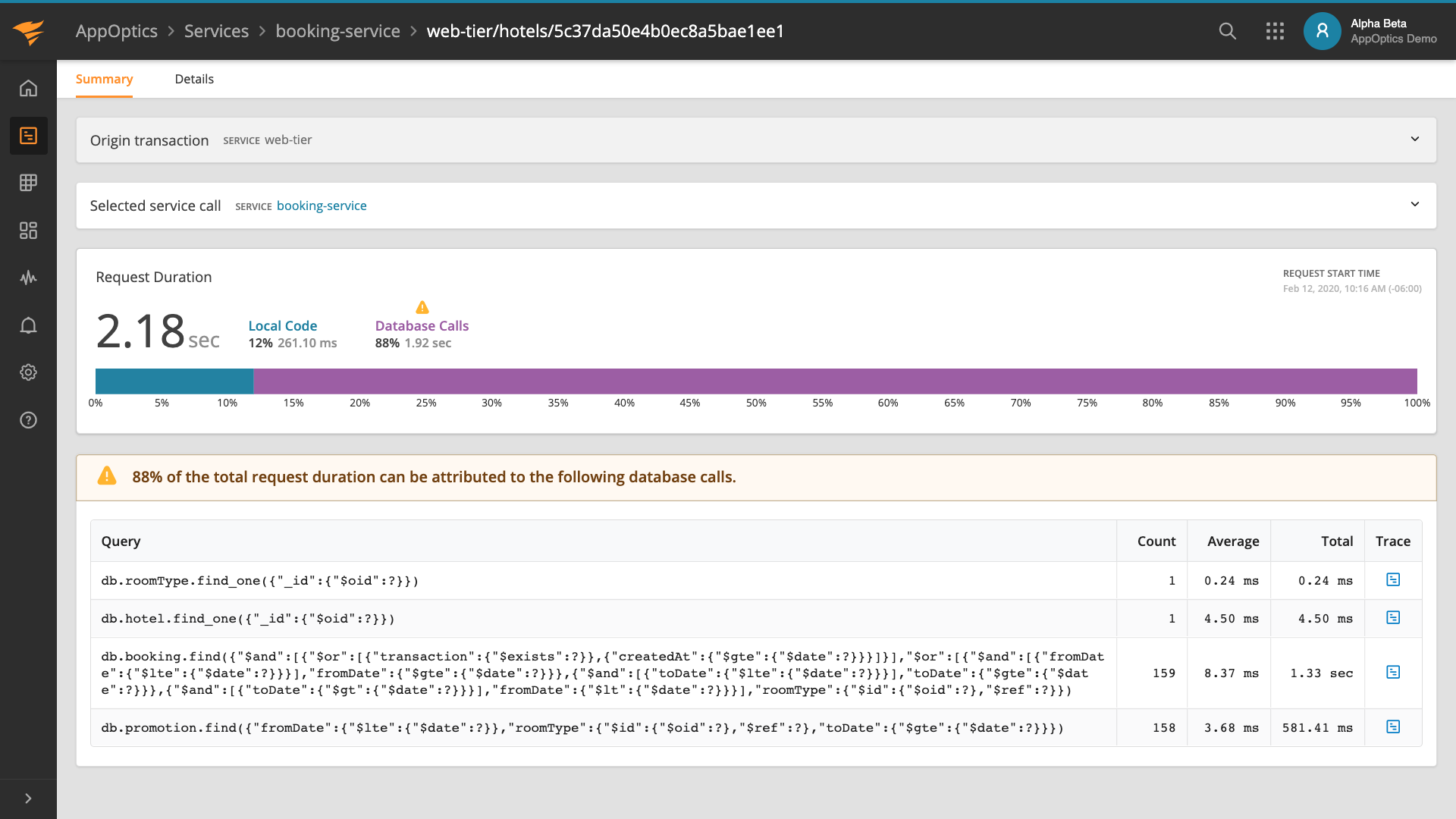   |