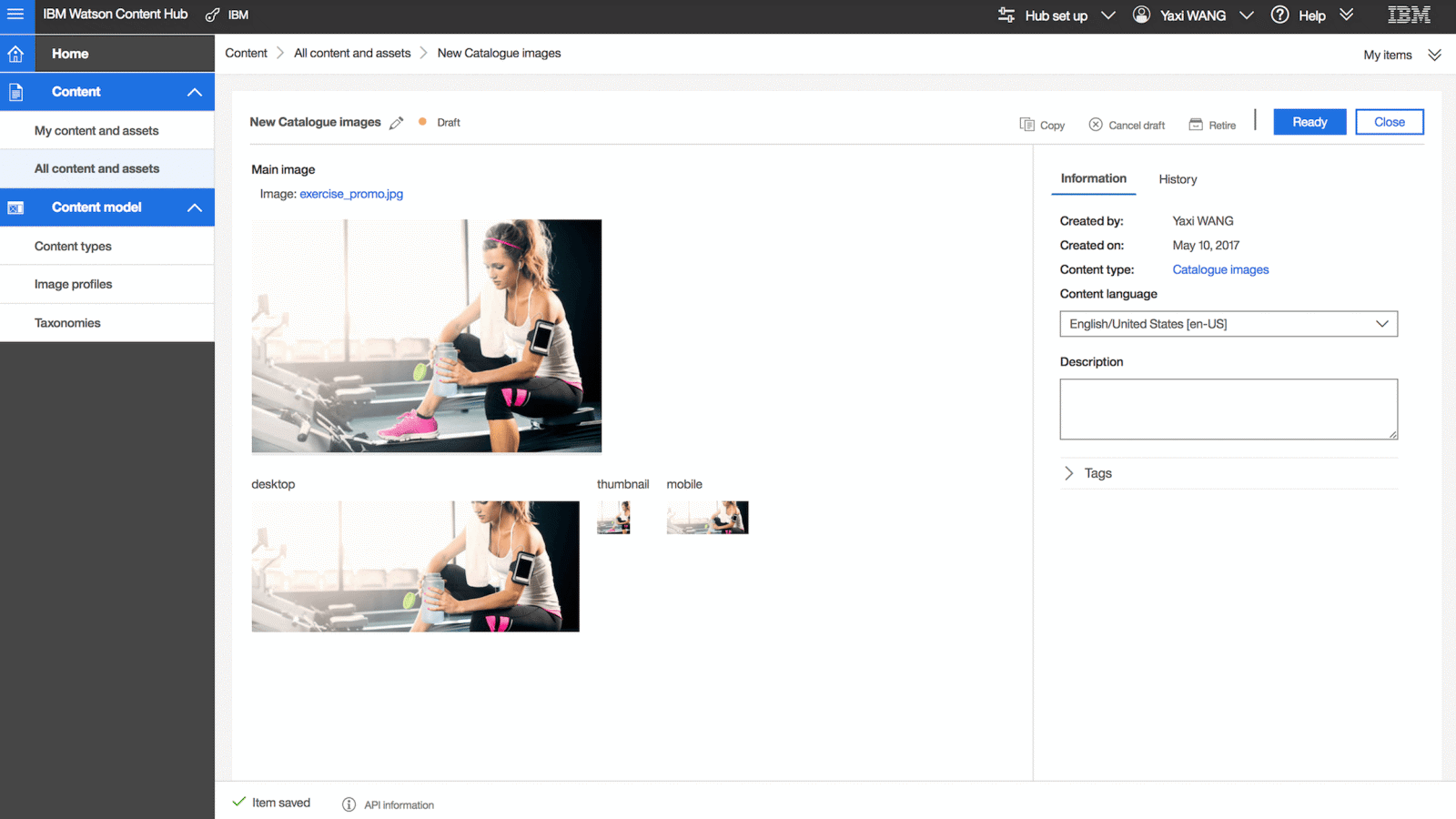
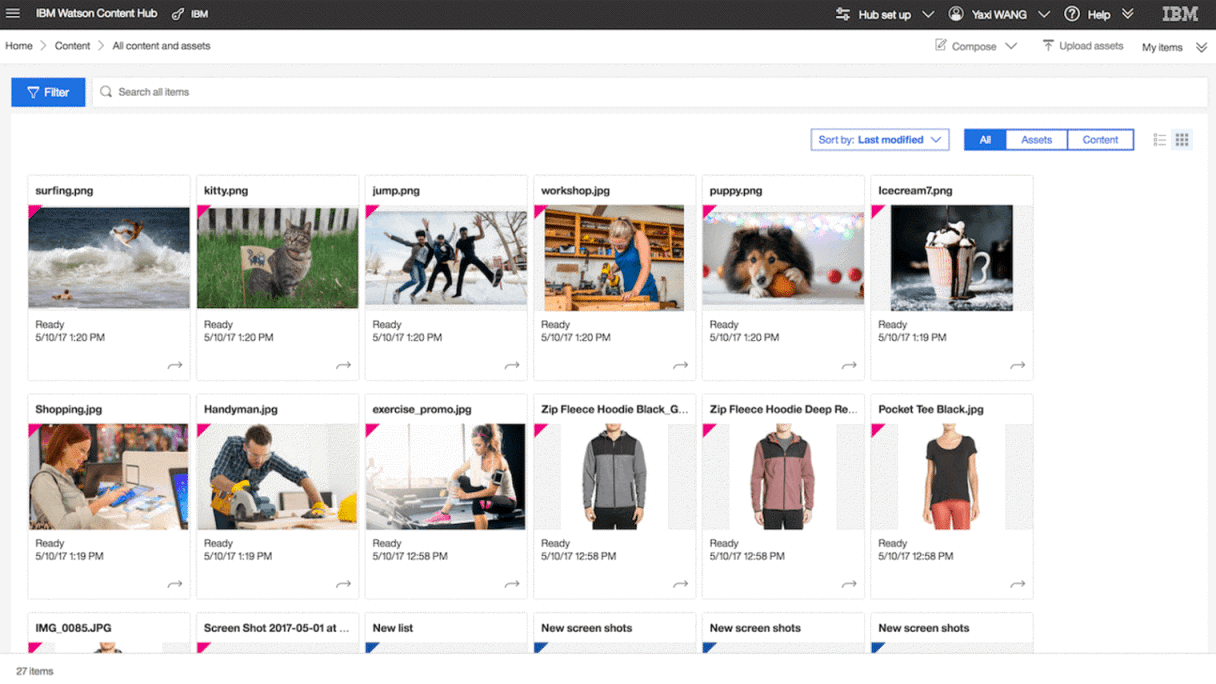
Acoustic Content (formerly Watson Content Hub) gives business owners the power to create, robust and consistent brand experiences using cloud-based, cognitive content management capabilities. Marketing and merchandising professionals can quickly select content to create relevant offers delivered across multiple channels, such as mobile, web-based or email. Acoustic is an independent spun off from IBM Watson Marketing in 2019.
N/A
Craft CMS
Score 0.0 out of 10
N/A
Craft is a CMS for creating custom digital experiences on the web. Craft can support design portfolios, multinational marketing sites, and other kinds of sites, and integrates with tools like Salesforce, Mailchimp or Hubspot to offer a full business solution.
$130
per month per project
Pricing
Acoustic Content
Craft CMS
Editions & Modules
No answers on this topic
Team
$130
per month per project
Pro
$240
per month per project
Team
$279
per year includes one year of updates ($99 for support each subsequent year)
Pro
$399
per year includes one year of updates ($99 for support each subsequent year)
Enterprise
Contact Sales
for when a project has specific licensing requirements
Offerings
Pricing Offerings
Acoustic Content
Craft CMS
Free Trial
Yes
Yes
Free/Freemium Version
No
Yes
Premium Consulting/Integration Services
No
No
Entry-level Setup Fee
No setup fee
No setup fee
Additional Details
—
Hosted Craft CMS option available with a discount for annual pricing.
More Pricing Information
Community Pulse
Acoustic Content
Craft CMS
Considered Both Products
Acoustic Content
Verified User
Anonymous
Chose Acoustic Content
Acoustic Content stands out mainly in 3 areas, Digital Asset Management system AI Based metatags More secure CDN and REST API to share content All these three features play a huge role in Acoustic Content CMS in terms of finding matching images for our content, categorize …
I have never had any experience without IBM applications but I can confirm that compared to other content tools provided by IBM, this is one of the complete packages.
I haven't had experience outside of the IBM applications but can confirm that compared to other content tools provided by IBM, this is one of the more complete packages.
Craft was originally developed in response to ExpressionEngine's shortcomings. While ExpressionEngine has caught up in some regards, it still looks and feels a bit unpolished by comparison. Additionally, ExpressionEngine's vendor has never gotten UI right - not on their …
It is advisable to create custom designs that call for specific programs and content without giving direct access to those programs. We still have to meet the proposed use case where it should not be used.
Suitable for mid-size to large websites (20 pages+). If you have a massive project with dozens or hundreds of content contributors, complex editorial process/workflow, are tied to a non-Linux platform (Microsoft Server), you may want an enterprise CMS like Episerver. If you need a small, cheap, theme-based, basic website with 5-15 pages, you'll probably go to WordPress.
Design-agnostic templating system. No themes. This means you can use whatever HTML, CSS, JS you want, and integrate it with Craft.
Versatile field types, with 3rd party plugins providing a bunch more. Everything from plain text to address, color picker, date/time, file assets, one-to-many relationships, and more.
Control panel with clean, responsive UI makes content updates easy for clients.
Acoustic Content stands out mainly in 3 areas, Digital Asset Management system AI Based metatags More secure CDN and REST API to share content All these three features play a huge role in Acoustic Content CMS in terms of finding matching images for our content, categorize and sort our content automatically and finally secure way to publish our content.
Craft was originally developed in response to ExpressionEngine's shortcomings. While ExpressionEngine has caught up in some regards, it still looks and feels a bit unpolished by comparison. Additionally, ExpressionEngine's vendor has never gotten UI right - not on their website, nor in their CMS. Craft remains easier to use, more polished and provides a wider feature set in its base install (without needing plugins). As for WordPress - while I recognize its massive popularity, I find its reliance on themes, third-party plugins, along with security shortcomings, make it a poor fit for the larger custom projects we build. On the other hand, if you want to throw up a passable website in a day, you can't beat WordPress.
We don't have hard numbers on Craft's impact on our ROI, but we recognize that its feature set, ease of use, and integrated ECommerce allows offering a superior product to clients.