Chose JMeter
Postman is really more about API testing, and was never aimed at performance/monitoring the way Apache JMeter does. If you find someone trying to use postman this way... show them the way!

| Product | Rating | Most Used By | Product Summary | Starting Price |
|---|---|---|---|---|
 JMeter | N/A | JMeter, from Apache, is a load and performance testing tool. | N/A | |
 Autostub | N/A | AutoStub™ is a tool to accelerate API development, designed to reduce build time by designing, prototyping, documenting and testing APIs . It creates a functional mock that allows developers or prospective users to work with the API before it’s fully implemented. Autostub allows developers to mock web services, helping developers of applications that depend on APIs to speed development and improve quality by facilitating functional testing. Key Features · … | N/A |
| Apache JMeter | Autostub | |||||||||||||||
|---|---|---|---|---|---|---|---|---|---|---|---|---|---|---|---|---|
| Editions & Modules | No answers on this topic | No answers on this topic | ||||||||||||||
| Offerings |
| |||||||||||||||
| Entry-level Setup Fee | No setup fee | No setup fee | ||||||||||||||
| Additional Details | — | — | ||||||||||||||
| More Pricing Information | ||||||||||||||||
| Apache JMeter | Autostub | |
|---|---|---|
| Considered Both Products |  JMeter  Binoy Shah Software Integration Tester Chose JMeter The main and best thing is that it's an open source tool with the biggest community worldwide.  Rene Enriquez Member of the Technical Staff Chose JMeter The recorder provided by JMeter is ok and if your team has no idea about programming you can use it to test your web apps without writing any code.  Alex Kreston Manager of Quality Assurance Chose JMeter LoadRunner and Silk Test were the tools I used in the past to compare with JMeter. I thought LoadRunner had a more commercial appearance and it comes with HP support from your service provider. It also comes at a steep price. JMeter and LoadRunner have a similar learning curve …  Dinesh Kukreja Software Engineer II Chose JMeter It is best open source tool available in the market . Also it is easy to train resources and is also very useful for integration testing.  David Luu Software QA Engineer Chose JMeter Besides JMeter, we've looked at WebLOAD and Gatling. Our organization used to use WebLOAD and we switched to JMeter at our division for its ease of use and configurability compared to WebLOAD. However, we will eventually switch to Gatling because Gatling provides greater …  Jimmy Armitage Senior Development Manager in Quality Chose JMeter Gatling is the future. JMeter is good, Gatling is better. | Autostub No answer on this topic |
| Apache JMeter | Autostub | ||||||||||||||||||
|---|---|---|---|---|---|---|---|---|---|---|---|---|---|---|---|---|---|---|---|
| Load Testing |
|
| Apache JMeter | Autostub | |
|---|---|---|
| Small Businesses | No answers on this topic | No answers on this topic |
| Medium-sized Companies |  ReadyAPI Score 7.0 out of 10 | JMeter Score 9.4 out of 10 |
| Enterprises | ReadyAPI Score 7.0 out of 10 | JMeter Score 9.4 out of 10 |
| All Alternatives | View all alternatives | View all alternatives |
| Apache JMeter | Autostub | |
|---|---|---|
| Likelihood to Recommend | 8.1 (0 ratings) | - (0 ratings) |
| Likelihood to Renew | 8.6 (0 ratings) | - (0 ratings) |
| Usability | 9.0 (0 ratings) | - (0 ratings) |
| Availability | 1.0 (0 ratings) | - (0 ratings) |
| Performance | 8.0 (0 ratings) | - (0 ratings) |
| Support Rating | 10.0 (0 ratings) | - (0 ratings) |
| Online Training | 1.0 (0 ratings) | - (0 ratings) |
| Apache JMeter | Autostub | |
|---|---|---|
| Likelihood to Recommend |
David Luu Software QA Engineer | No answers on this topic |
| Pros |
| No answers on this topic |
| Cons |
| No answers on this topic |
| Likelihood to Renew |
 Charlie Harris Performance Test Engineer | No answers on this topic |
| Usability |
Charlie Harris Performance Test Engineer | No answers on this topic |
| Support Rating |
| No answers on this topic |
| Alternatives Considered |
| No answers on this topic |
| Return on Investment |
 Ameeta Muralidharan Assistant Systems Engineer | No answers on this topic |
| ScreenShots | Autostub Screenshots  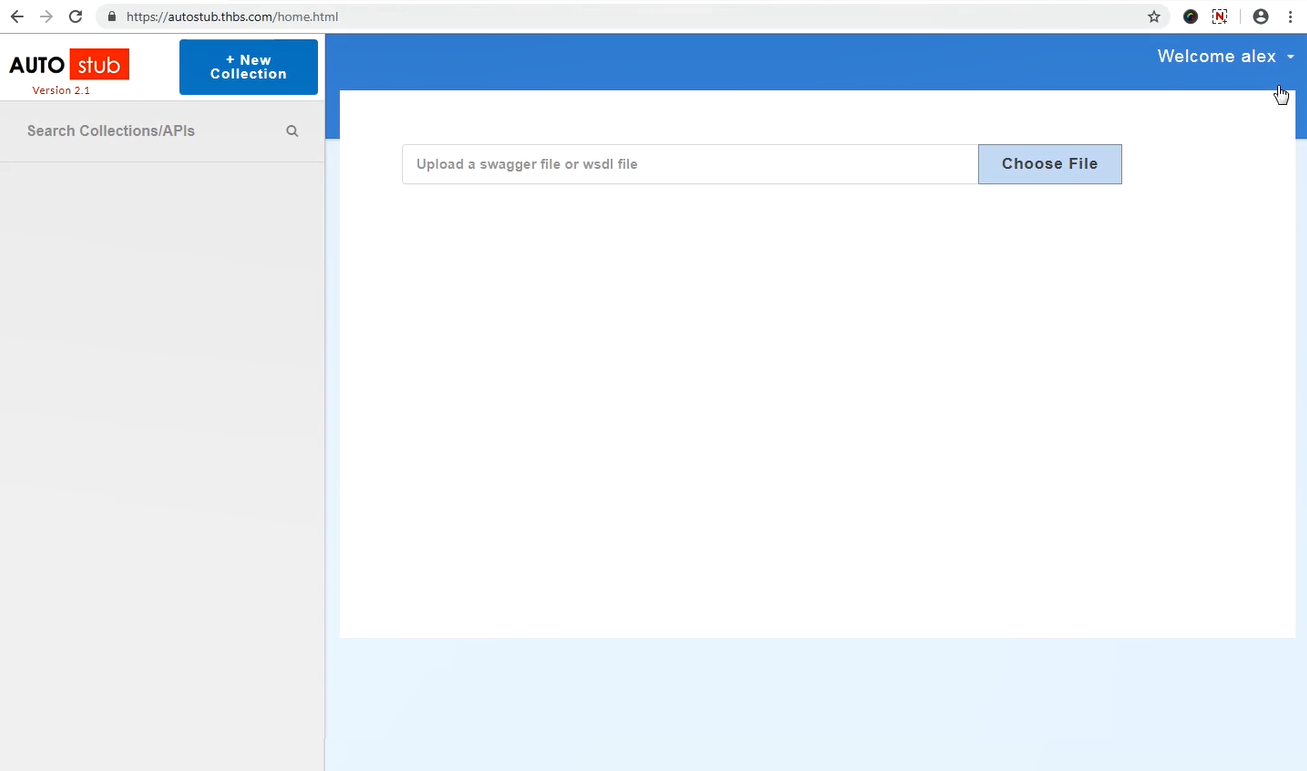 |