Chose Bonterra Apricot
This is the first system we have used for this non profit but it definitely takes the cake on systems I have used in the past. I have used JIVA specifically and I really like Bonterra Apricot simplicity rather than JIVA.

| Product | Rating | Most Used By | Product Summary | Starting Price |
|---|---|---|---|---|
 Bonterra Apricot | N/A | Bonterra Apricot is a cloud-based solution for nonprofits of all sizes. It's designed to bring data to the forefront in order to bolster a nonprofit organization’s impact. Apricot helps organizations to save time and resources because the tool makes managing data more efficient, so that users increase the time spent delivering the mission. Apricot offers configurable forms and fields so organizations can customize their experience to their clients and mission. It allows… | N/A | |
 OpenText Documentum | N/A | OpenText acquired Documentum from Dell EMC in 2017, and now supports the enterprise content management (ECM) system. The vendor says users can build content-centric applications and solutions from collaborating on business documents to delivering case-based applications to managing highly precise processes in the most regulated business environments. | N/A |
| Bonterra Apricot | OpenText Documentum | |||||||||||||||
|---|---|---|---|---|---|---|---|---|---|---|---|---|---|---|---|---|
| Editions & Modules | No answers on this topic | No answers on this topic | ||||||||||||||
| Offerings |
| |||||||||||||||
| Entry-level Setup Fee | Required | Optional | ||||||||||||||
| Additional Details | Pricing for Bonterra Case Management is driven by individual usage and needs of the nonprofit. Organizations aren't one-size fits all, so neither is Bonterra's pricing. | — | ||||||||||||||
| More Pricing Information | ||||||||||||||||
| Bonterra Apricot | OpenText Documentum | |
|---|---|---|
| Considered Both Products |  Bonterra Apricot  Sheena Carman CPSS Fresh Start Program Facilitator Chose Bonterra Apricot Bonterra case management is what we used when I arrived at this employer. I think it is great and am very happy with it. I don't think there is a comparison to the others because the work I did was slightly different at the other organizations.  Michelle Groenings Director of Programs Chose Bonterra Apricot Salesforce products are glitchy and clunky. I really like the functionality of Bonterra software - it allows us to totally personalize our forms and reports to our organization's needs without the financial cost of outside consultants or programmers. Bonterra's customer support …  Daniel Amato Executive Director Chose Bonterra Apricot This was a more user friendly appearance and look. The training and support appeared to also be better when I was researching what products to use. | OpenText Documentum  Chris McCabe Technical Analyst / Technical SME / Tech Lead / Business Analyst Chose OpenText Documentum Sharepoint and others are a bit late to the party -- they have some nice features, but are leaders in the suite spot areas that we found OpenText helping us with.  Ryan Payne Oracle Solution Architect Chose OpenText Documentum Features and underlying technology and development roadmap are much better for both Docushare and Confluence. OpenText product was preselected when I came into the implementation of the project. It should not have been.  Craig Soucie ECM Solution and Strategist Chose OpenText Documentum Subjective but here's how I see it: Heavy duty (in order of how much they can do and how much they can handle): 1)Documentum, 2)FileNet 3)OpenText Middle duty: 1)WCC-WebCenter Content, 2)Alfresco, 3)M-Files (3rd b/c it is Windows only), 4)Nuxeo (only b/c of its newish approach …  Indars Sparnins Software Engineer Team Lead Chose OpenText Documentum While Livelink has many more modules out of the box and provide some more functionality which can be applied to document lifecycle without writing any customizations, from the support perspective Documentum is much cheaper to support and it is much more stable than Opentext ECM …  Rene Wagner Principal Consultant Chose OpenText Documentum There are numerous other products available including SharePoint, Stellent, FileNet, etc. Most offer many of the same solutions and modules that Documentum provides, however some, such as SharePoint, still have significant shortcomings when it comes to true, enterprise-level … |
| Bonterra Apricot | OpenText Documentum | ||||||||||||||||||||||||||||||||||||||||||
|---|---|---|---|---|---|---|---|---|---|---|---|---|---|---|---|---|---|---|---|---|---|---|---|---|---|---|---|---|---|---|---|---|---|---|---|---|---|---|---|---|---|---|---|
| Enterprise Content Management |
|
| Bonterra Apricot | OpenText Documentum | |
|---|---|---|
| Small Businesses | No answers on this topic |  Square 9 Softworks Score 9.1 out of 10 |
| Medium-sized Companies |  TIBCO® BPM Enterprise Score 7.0 out of 10 |  MediaValet Score 9.1 out of 10 |
| Enterprises |  Infor Human Resources Score 7.1 out of 10 | MediaValet Score 9.1 out of 10 |
| All Alternatives | View all alternatives | View all alternatives |
| Bonterra Apricot | OpenText Documentum | |
|---|---|---|
| Likelihood to Recommend | 9.5 (0 ratings) | 9.0 (0 ratings) |
| Likelihood to Renew | 8.9 (0 ratings) | 8.0 (0 ratings) |
| Usability | 9.9 (0 ratings) | - (0 ratings) |
| Availability | 9.0 (0 ratings) | - (0 ratings) |
| Performance | 7.0 (0 ratings) | 9.0 (0 ratings) |
| Support Rating | 10.0 (0 ratings) | 7.0 (0 ratings) |
| In-Person Training | 10.0 (0 ratings) | - (0 ratings) |
| Online Training | 5.4 (0 ratings) | - (0 ratings) |
| Implementation Rating | 4.5 (0 ratings) | 9.0 (0 ratings) |
| Configurability | 2.4 (0 ratings) | - (0 ratings) |
| Ease of integration | 1.0 (0 ratings) | - (0 ratings) |
| Product Scalability | 10.0 (0 ratings) | - (0 ratings) |
| Vendor post-sale | 7.5 (0 ratings) | - (0 ratings) |
| Vendor pre-sale | 8.0 (0 ratings) | - (0 ratings) |
| Bonterra Apricot | OpenText Documentum | |
|---|---|---|
| Likelihood to Recommend |
|
Indars Sparnins Software Engineer Team Lead |
| Pros |
|
Chris McCabe Technical Analyst / Technical SME / Tech Lead / Business Analyst |
| Cons |
|
Craig Soucie ECM Solution and Strategist |
| Likelihood to Renew |
 Terri Willis, MPA Executive Director |
Rene Wagner Principal Consultant |
| Usability |
 Angela C. Brust-Balogun Data & Retention Coordinator | No answers on this topic |
| Reliability and Availability |
| No answers on this topic |
| Performance |
 Tiffany Nicolette Director of Resident Services | No answers on this topic |
| Support Rating |
|
Chris McCabe Technical Analyst / Technical SME / Tech Lead / Business Analyst |
| In-Person Training |
Tiffany Nicolette Director of Resident Services | No answers on this topic |
| Online Training |
Tiffany Nicolette Director of Resident Services | No answers on this topic |
| Implementation Rating |
| No answers on this topic |
| Alternatives Considered |
|
Craig Soucie ECM Solution and Strategist |
| Scalability |
| No answers on this topic |
| Return on Investment |
|
|
| ScreenShots | Bonterra Apricot Screenshots  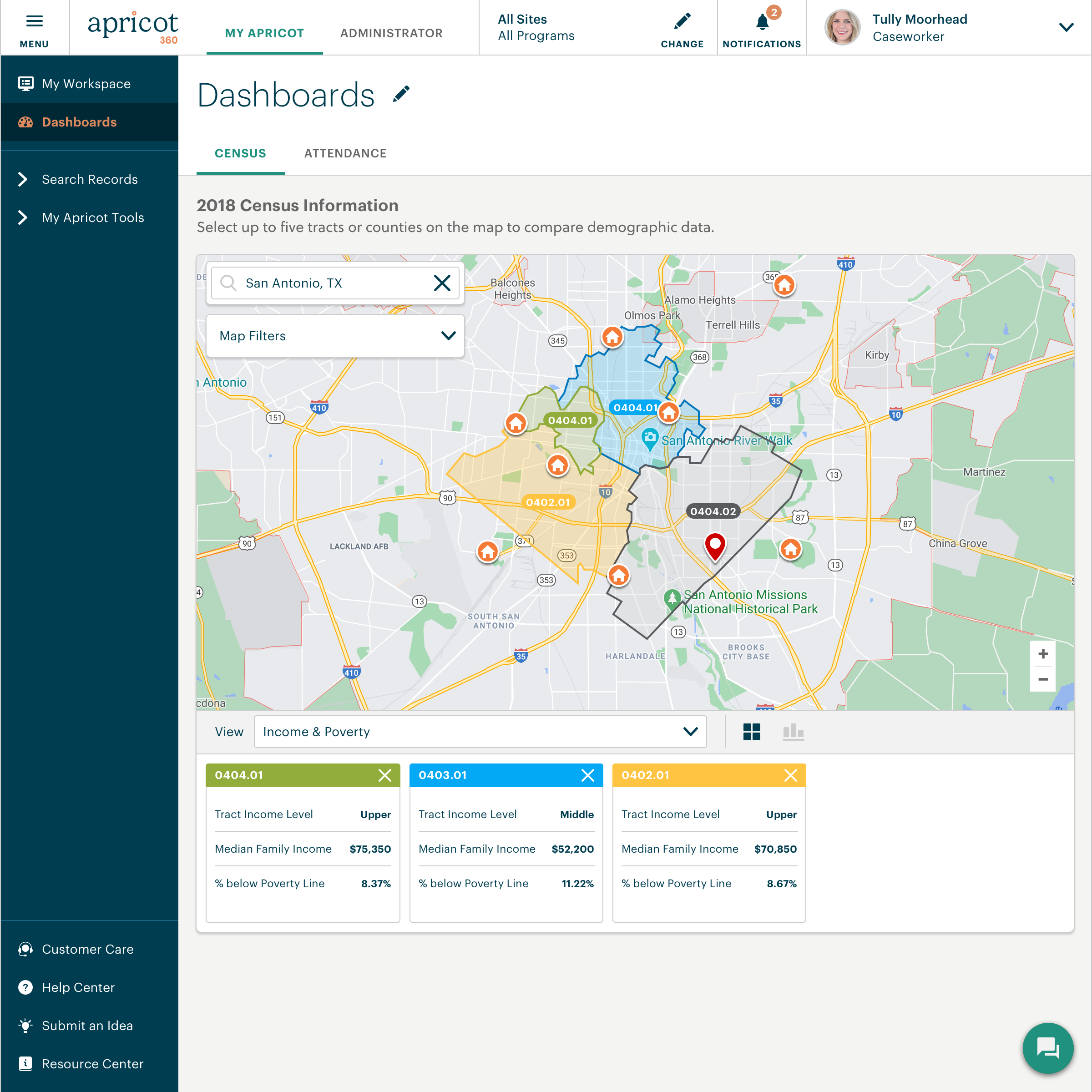   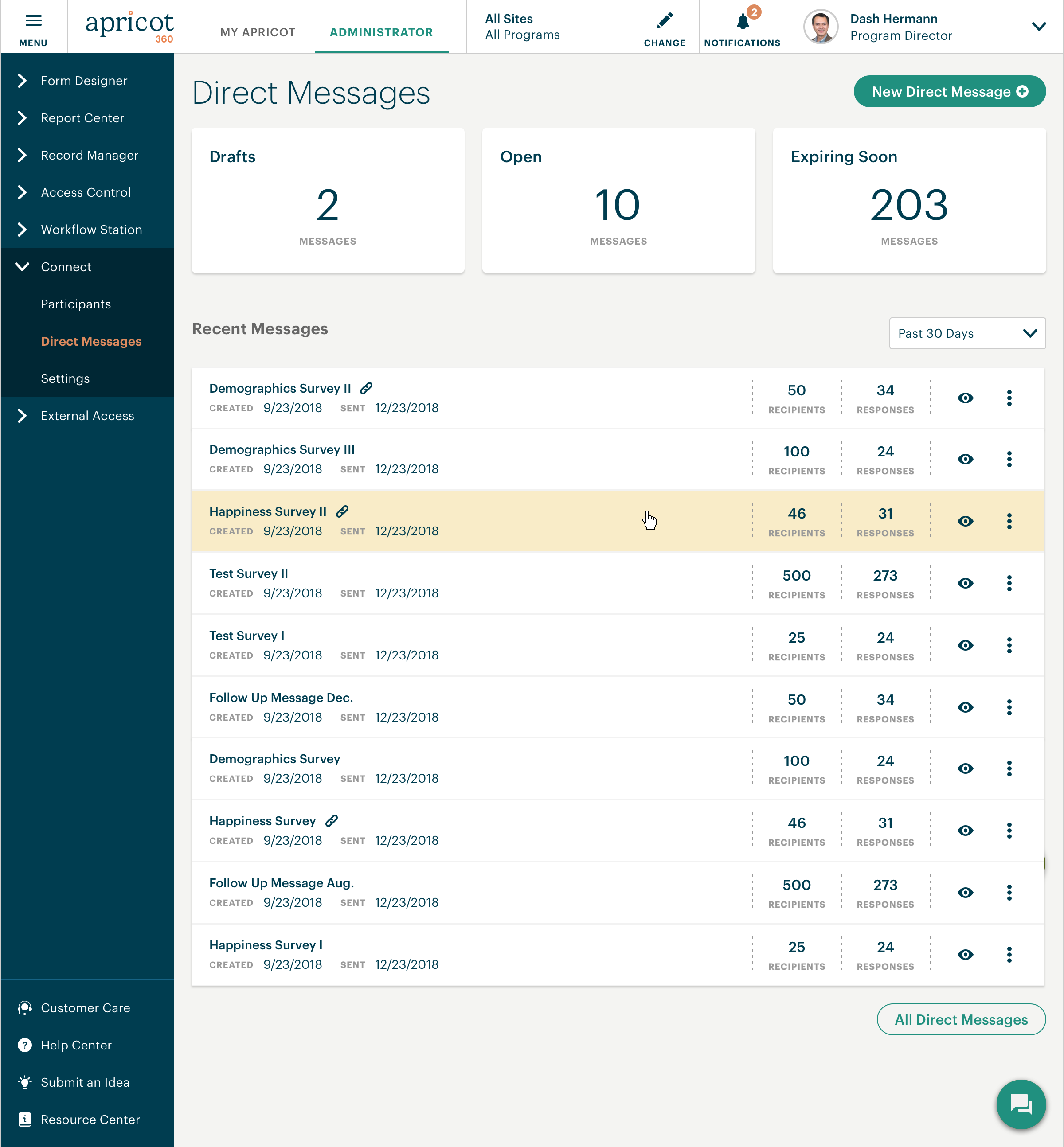 |