Chose Coupa
-Lower price point, ease of implementation, and overall usability.

| Product | Rating | Most Used By | Product Summary | Starting Price |
|---|---|---|---|---|
 Coupa | N/A | Coupa’s cloud-native Business Spend Management (BSM) platform provides end-to-end processes that helps drive collaboration across for every business leader from supply chain, procurement, finance, treasury, compliance, and IT and supply chain leaders to help their companies to get the visibility and control they need to spend smarter, mitigate risk, and improve resilience. A unified platform approach frees up IT from complex integrations to help leaders deliver on these goals. | $499 per year | |
 SAP S/4HANA Cloud | N/A | SAP S/4HANA Cloud is a modular ERP that enables users to run mission-critical operations in real time from anywhere, introduce new business models in any industry, and expand globally. SAP S/4HANA Cloud is a SaaS product and can also be deployed in a hybrid landscape for quicker time to value. SAP S/4HANA Cloud is a foundational component of the SAP… | N/A |
| Coupa | SAP S/4HANA Cloud | |||||||||||||||
|---|---|---|---|---|---|---|---|---|---|---|---|---|---|---|---|---|
| Editions & Modules |
| No answers on this topic | ||||||||||||||
| Offerings |
| |||||||||||||||
| Entry-level Setup Fee | No setup fee | Required | ||||||||||||||
| Additional Details | — | Per user, per month | ||||||||||||||
| More Pricing Information | ||||||||||||||||
| Coupa | SAP S/4HANA Cloud | |
|---|---|---|
| Considered Both Products |  Coupa  Joe Geller Accounting Vice President Chose Coupa Taulia works for me as a customer looking for payment on invoices. No problems at all.  Rachel Friedlander-Holm Social Impact Program Manager Chose Coupa I have only ever worked with Coupa and am not aware of alternatives to this tool.  Robyn Mankoski Regional Coordinator Chose Coupa Concur was a lot easier and more user friendly for employees doing expense reports on their phone. That is not the case with Coupa. You must use your laptop to do expenses and our managers don't always have enough time to do that while out in the field working. This has caused …  Chloe Sayers Billing Manager Chose Coupa Coupa is much more robust than Tipalti or Bill.com for tracking invoices. It also allows some customers to order our product via an internal product catalog which is a competitive advantage that Tipalti and Bill.com don't seem to have. However, Bill.com is a lot more user …  Shiva Krishna Cloud Procure to Pay Consultant Chose Coupa We evaluated Ariba, Basware. We chose Coupa for its cost effectiveness, richness of features, functionality and value for money. Coupa customer service is also very good. Coupa is investing time and effort to bring in more features and constantly improving its products. Some of …  Tolulope Lawal Customer Success Manager Chose Coupa I briefly used procurify and its UI is far more intuitive and its reporting capabilities are far more robust.  Aaron Searle Senior Public Relations Manager Chose Coupa Coupa and Concur seem equally well-suited for expense tracking.  JR Miller SVP Finance Chose Coupa Coupa fits within our desire to have best of breed systems delivering value to our organization. We generally work with true cloud providers that are available anytime, anywhere for our mobile workforce. We are pleased that Coupa is in our lineup of service solutions.  Scott Coleman CPSM, CPSD, C.P.M Procurement Manager Chose Coupa We looked at a number of solutions. Due to retail's high turnover rate I needed a stable tool that was extremely intuitive that store level employees would find easy (and maybe fun) to use. Coupa is so configurable I can set up each store with different spend authorizations to … |  SAP S/4HANA Cloud  Shibli Subhani Principal PM Manager Chose SAP S/4HANA Cloud Accutive Integration Hub  Maha Amir GTMM Chose SAP S/4HANA Cloud Effecient storage |
| Coupa | SAP S/4HANA Cloud | ||||||||||||||||||||||||
|---|---|---|---|---|---|---|---|---|---|---|---|---|---|---|---|---|---|---|---|---|---|---|---|---|---|
| Payroll Management |
| ||||||||||||||||||||||||
| Customization |
| ||||||||||||||||||||||||
| Security |
| ||||||||||||||||||||||||
| Reporting & Analytics |
| ||||||||||||||||||||||||
| General Ledger and Configurable Accounting |
| ||||||||||||||||||||||||
| Inventory Management |
| ||||||||||||||||||||||||
| Order Management |
| ||||||||||||||||||||||||
| Subledger and Financial Process |
| ||||||||||||||||||||||||
| Project Execution Management |
| ||||||||||||||||||||||||
| Grants Management |
| ||||||||||||||||||||||||
| Procurement |
| ||||||||||||||||||||||||
| Risk Management |
| ||||||||||||||||||||||||
| Logistics |
| ||||||||||||||||||||||||
| Manufacturing |
| ||||||||||||||||||||||||
| Supply Chain |
| ||||||||||||||||||||||||
| Product Lifecycle Management |
|
| Coupa | SAP S/4HANA Cloud | |
|---|---|---|
| Small Businesses |  MIP Fund Accounting Score 8.7 out of 10 |  Zoho One Score 8.9 out of 10 |
| Medium-sized Companies |  Precoro Score 2.8 out of 10 |  Infor VISUAL Score 8.0 out of 10 |
| Enterprises | SAP S/4HANA Cloud Score 8.6 out of 10 |  24SevenOffice Score 9.0 out of 10 |
| All Alternatives | View all alternatives | View all alternatives |
| Coupa | SAP S/4HANA Cloud | |
|---|---|---|
| Likelihood to Recommend | 8.0 (0 ratings) | 8.6 (0 ratings) |
| Likelihood to Renew | - (0 ratings) | 9.4 (0 ratings) |
| Usability | 10.0 (0 ratings) | 8.2 (0 ratings) |
| Availability | - (0 ratings) | 9.0 (0 ratings) |
| Performance | - (0 ratings) | 9.0 (0 ratings) |
| Support Rating | - (0 ratings) | 5.7 (0 ratings) |
| In-Person Training | - (0 ratings) | 9.0 (0 ratings) |
| Online Training | - (0 ratings) | 9.0 (0 ratings) |
| Implementation Rating | - (0 ratings) | 6.7 (0 ratings) |
| Configurability | - (0 ratings) | 9.0 (0 ratings) |
| Ease of integration | - (0 ratings) | 8.0 (0 ratings) |
| Product Scalability | - (0 ratings) | 8.0 (0 ratings) |
| Vendor post-sale | - (0 ratings) | 8.0 (0 ratings) |
| Vendor pre-sale | - (0 ratings) | 8.0 (0 ratings) |
| Coupa | SAP S/4HANA Cloud | |
|---|---|---|
| Likelihood to Recommend |
|
|
| Pros |
Rachel Friedlander-Holm Social Impact Program Manager |
 Libia Beltrán Business Analyst |
| Cons |
Joe Geller Accounting Vice President |
 Naman Bhargava Associate Analyst |
| Likelihood to Renew |
|
 Linda Keesling, MBA Payments Analyst |
| Usability |
|
|
| Support Rating |
|
 Mishka Panwar Researcher |
| In-Person Training |
|
|
| Implementation Rating | No answers on this topic |
 Gustavo Porporato Daher CFO (Chief Financial Officer) |
| Alternatives Considered |
JR Miller SVP Finance |
|
| Return on Investment |
Scott Coleman CPSM, CPSD, C.P.M Procurement Manager |
|
| ScreenShots | Coupa Screenshots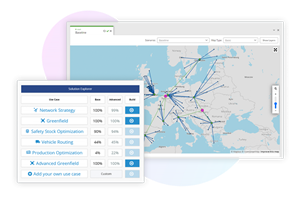 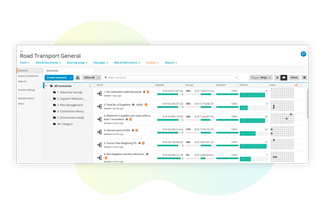  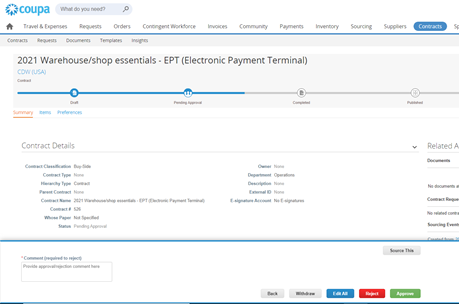  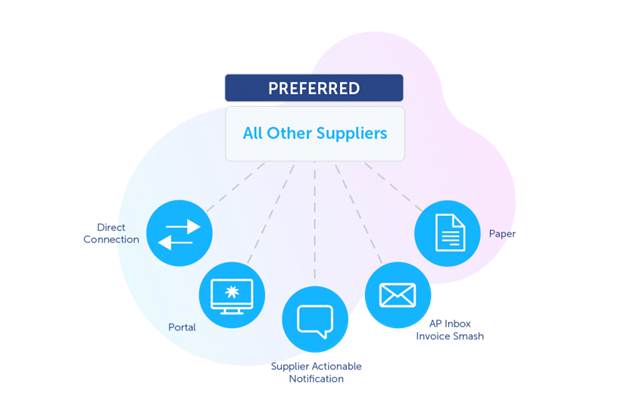 | SAP S/4HANA Cloud Screenshots      |