
Elisa Rose Lupton
Vice President
Chose DashThis
Very simplified compared to other options. Needs to be able to tie in more conversion data.

| Product | Rating | Most Used By | Product Summary | Starting Price |
|---|---|---|---|---|
 DashThis | N/A | DashThis is a digital marketing reporting tool with no complicated "extra" stuff. DashThis integrates with over 30+ data sources, and also has a CSV File Manager that helps users add any other data they might want to include in dashboards. According to the vendor, customer support is a top priority. DashThis provides a dedicated member of their team that makes sure users are up and running in no time, and is always available to answer questions whenever needed. Prices are… | $38 per month | |
 Salesforce Marketing Cloud | N/A | Marketing Cloud is an AI-powered, cloud-based digital marketing platform within the Salesforce Customer 360 ecosystem. Marketers can segment their audience, deliver personalized messages, track campaign performance, engage leads and accounts, and optimize strategies based on real-time insights. | $1,250 per month |
| DashThis | Salesforce Marketing Cloud | |||||||||||||||
|---|---|---|---|---|---|---|---|---|---|---|---|---|---|---|---|---|
| Editions & Modules |
|
| ||||||||||||||
| Offerings |
| |||||||||||||||
| Entry-level Setup Fee | No setup fee | No setup fee | ||||||||||||||
| Additional Details | — | — | ||||||||||||||
| More Pricing Information | ||||||||||||||||
| DashThis | Salesforce Marketing Cloud | |
|---|---|---|
| Considered Both Products |  DashThis Elisa Rose Lupton Vice President Chose DashThis Very simplified compared to other options. Needs to be able to tie in more conversion data.  Ali Zakeri Data Analyst | SEO Specialist Chose DashThis DashThis definitely not as advanced/customizable as platforms such as Tableau. Visualizations are much more limited and you can't explore your dataset or slice and dice it as you are going along. One big advantage of DashThis is that it is super simple to use and requires …  Aaron Metzger Founder / CEO Chose DashThis Either the reporting was too complex or too basic. I didn't want to spend months and months learning how to integrate new dashboards with all different platforms. Additionally, the other dashboard companies don't allow for enterprise reporting. I have some clients with 50 …  Vicki Lesage Digital Marketing Specialist Chose DashThis Google Data Studio display reports that look nice, but the learning curve on getting everything set up is steeper. I had a hard time figuring out where to get started, whereas with DashThis it was super easy. I haven't used Klipfolio but I've seen the reports it outputs. … | Salesforce Marketing Cloud  Alfiya Mukadam Software Engineer Chose Salesforce Marketing Cloud I find the data stored in the database is very much cleansed and hence the overall decision making process improves. Also the customised emails, digital marketing features stacks the Salesforce Marketing Cloud way above others  Nicoline Tordrup Lage Marketing automation consultant Chose Salesforce Marketing Cloud Salesforce Marketing Cloud is intuitive and does what it needs to do. The functions are easy to find, and the automation options work smoothly. You find an intuitive workspace in both HubSpot and Marketo Engage, and the options in these programs look similar to Salesforce Sales …  Juan Pablo De Sabato Contact Center Supervisor Chose Salesforce Marketing Cloud Both products have a very similar approach on the Engagment part. At least at the time we used Hootsuite, it didn't had integration with Instagram, so that was a big win when we changed to Social Studio. Also, the automation tools of Social Studio were a great diferential in …  Andrey Lokshin Senior Financial Analyst Chose Salesforce Marketing Cloud Salesforce is faster and has better and more logical visualisation. Salesforce is evolving and has more relevant products from one vendor. Salesforce proved its course to AI supported user activity. AI module exists in Salesforce Marketing Cloud Interaction Studio, sure will … |
| DashThis | Salesforce Marketing Cloud | ||||||||||||||||||||||||||||||
|---|---|---|---|---|---|---|---|---|---|---|---|---|---|---|---|---|---|---|---|---|---|---|---|---|---|---|---|---|---|---|---|
| Email & Online Marketing |
| ||||||||||||||||||||||||||||||
| Lead Management |
| ||||||||||||||||||||||||||||||
| Campaign Management |
| ||||||||||||||||||||||||||||||
| Social Media Marketing |
| ||||||||||||||||||||||||||||||
| Reporting & Analytics |
| ||||||||||||||||||||||||||||||
| Platform & Infrastructure |
|
| DashThis | Salesforce Marketing Cloud | |
|---|---|---|
| Small Businesses |  Agency Analytics Score 9.9 out of 10 |  Vbout Score 9.9 out of 10 |
| Medium-sized Companies |  Supermetrics Score 10.0 out of 10 |  PFL Direct Mail Platform Score 9.0 out of 10 |
| Enterprises |  Alteryx Platform Score 8.9 out of 10 | PFL Direct Mail Platform Score 9.0 out of 10 |
| All Alternatives | View all alternatives | View all alternatives |
| DashThis | Salesforce Marketing Cloud | |
|---|---|---|
| Likelihood to Recommend | 9.0 (0 ratings) | 8.1 (0 ratings) |
| Likelihood to Renew | - (0 ratings) | 8.1 (0 ratings) |
| Usability | - (0 ratings) | 4.1 (0 ratings) |
| Availability | - (0 ratings) | 10.0 (0 ratings) |
| Performance | - (0 ratings) | 9.6 (0 ratings) |
| Support Rating | 6.2 (0 ratings) | 7.0 (0 ratings) |
| In-Person Training | - (0 ratings) | 5.0 (0 ratings) |
| Online Training | - (0 ratings) | 8.1 (0 ratings) |
| Implementation Rating | - (0 ratings) | 3.0 (0 ratings) |
| Ease of integration | - (0 ratings) | 7.0 (0 ratings) |
| Product Scalability | - (0 ratings) | 7.6 (0 ratings) |
| Vendor post-sale | - (0 ratings) | 8.0 (0 ratings) |
| Vendor pre-sale | - (0 ratings) | 7.0 (0 ratings) |
| DashThis | Salesforce Marketing Cloud | |
|---|---|---|
| Likelihood to Recommend |
Vicki Lesage Digital Marketing Specialist |
 John Chavez Manager of Instructional Design |
| Pros |
|
Juan Pablo De Sabato Contact Center Supervisor |
| Cons |
Aaron Metzger Founder / CEO |
|
| Likelihood to Renew | No answers on this topic |
 Matt Bohar Marketing Database Manager |
| Usability | No answers on this topic |
 Dérick St-Hilaire Digital Marketing Specialist |
| Reliability and Availability | No answers on this topic |
 Lisa Franks Marketing Manager |
| Performance | No answers on this topic |
|
| Support Rating |
|
|
| In-Person Training | No answers on this topic |
|
| Online Training | No answers on this topic |
 Sean Marsh Digital Business Developer |
| Implementation Rating | No answers on this topic |
 Rob Sherman Software Engineering Manager |
| Alternatives Considered |
Aaron Metzger Founder / CEO |
|
| Scalability | No answers on this topic |
|
| Return on Investment |
Ali Zakeri Data Analyst | SEO Specialist |
|
| ScreenShots | DashThis Screenshots  | Salesforce Marketing Cloud Screenshots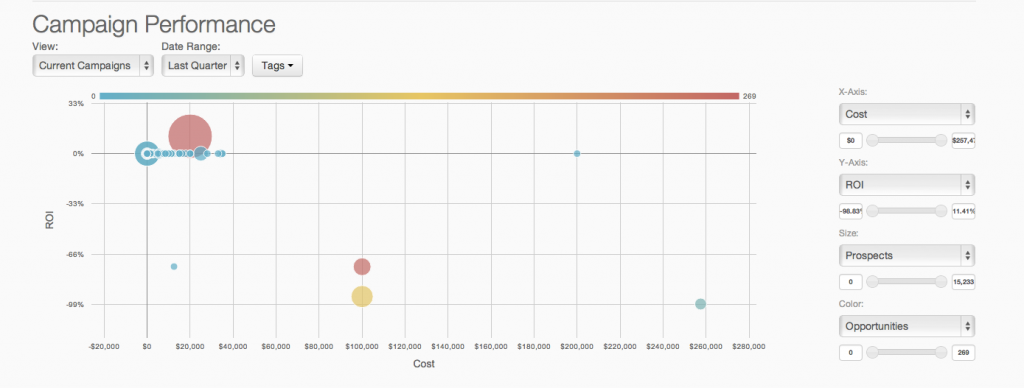  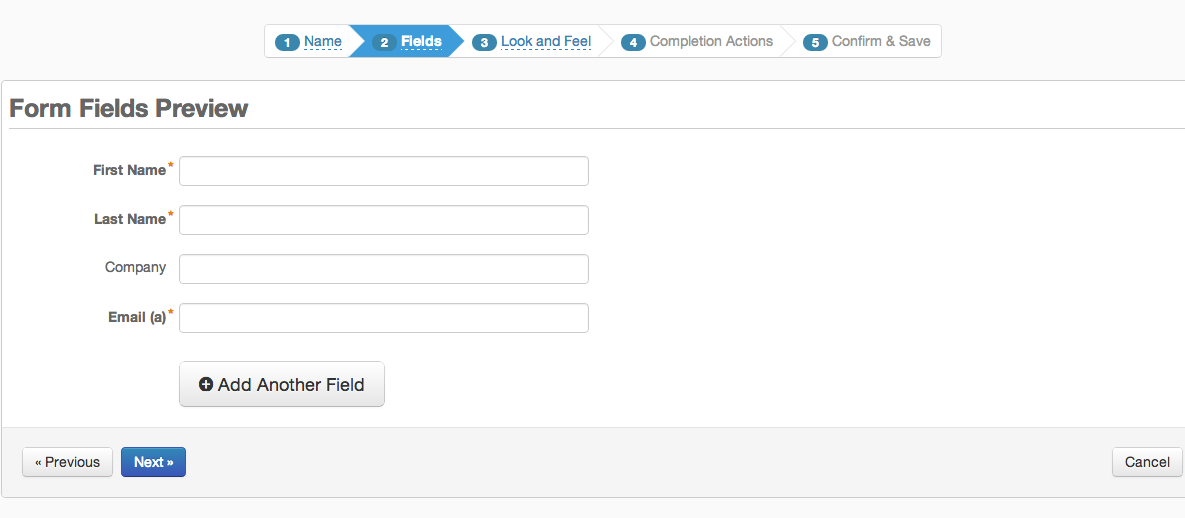  |