
Philipp Schmidt
Owner
Chose MODX
After having built sites with wordpress, joomla, drupal, october cms, craft cms, magento, presstashop, opencart, os commerce and more it is my number 1 (october cms is 2).

| Product | Rating | Most Used By | Product Summary | Starting Price |
|---|---|---|---|---|
 MODX | N/A | The MODX Digital Experience Platform provides everything you need to build, host, and maintain amazing websites your way. The vendor says that with MODX CMS and cloud hosting, users have complete control over their creative vision and the experiences they deliver, without restriction or compromise. They can focus more on building great digital experiences, and less on hosting and maintaining. If you ever need help, MODX Professionals are available worldwide and direct support from… | $0 | |
 Salesforce CMS | N/A | Salesforce Marketing Cloud Personalization (formerly Salesforce CMS) is a hybrid CMS allowing users to author content once and deliver it anywhere, in or out of Salesforce. Users create content, define content access, and define channels so they can share content and limit access to appropriate contributors. For an experience built with Salesforce, users can choose from two of the company's “what-you-see-is-what-you-get” (WYSIWYG) tools: Experience Builder and Commerce Page Designer. If the user… | N/A |
| MODX | Salesforce CMS | |||||||||||||||
|---|---|---|---|---|---|---|---|---|---|---|---|---|---|---|---|---|
| Editions & Modules |
| No answers on this topic | ||||||||||||||
| Offerings |
| |||||||||||||||
| Entry-level Setup Fee | Optional | No setup fee | ||||||||||||||
| Additional Details | PAYMENT FORMS MODX Cloud accepts major credit cards and PayPal for your hosting subscription. We can only accept check (cheque) payments on the Enterprise Plan, annually. CANCELLATION You may cancel your MODX Cloud account at any time. Before you cancel you'll be reminded to backup and remove all your live websites and then follow the instructions for cancellation. If you cancel within the first month, we'll provide you with a full refund. REFUNDS If you cancel within the first month, we'll provide you with a full refund. All other cancellations will be effective at the end of your current billing period. We do not provide refunds for remaining days or months on monthly or annual billing. | — | ||||||||||||||
| More Pricing Information | ||||||||||||||||
| MODX | Salesforce CMS | |
|---|---|---|
| Considered Both Products |  MODX Philipp Schmidt Owner Chose MODX After having built sites with wordpress, joomla, drupal, october cms, craft cms, magento, presstashop, opencart, os commerce and more it is my number 1 (october cms is 2). | Salesforce CMS  Carlos Delgado Barcia Technical Support Specialist Chose Salesforce CMS I did not make the decision to use Salesforce. However, I am happy with its current implementation to manage our employees.  Abheer Uppal Senior Operations Analyst Chose Salesforce CMS We have only used Salesforce CMS in our organizations as we already use Salesforce CRM for sales, marketing and other purposes  Iyer Amruthur National Sales Manager Chose Salesforce CMS Salesforce more so compliments these products, rather than stacks against them. We don't have any products similar to Salesforce CMS, so in lieu of that, these are the products we were using that mesh the easiest with Salesforce CMS in terms of proceeding through the …  Luize Lazdane Senior Customer Success Manager Chose Salesforce CMS We used the Catalyst product of Totango. It was not great as it was hard to navigate, and it did not offer any reporting capabilities at all, nor did it speed up our day-to-day tasks.  Jordan Lucas President of sales Chose Salesforce CMS Higher quality greest accessibility with all leads in Salesforce.  Joe Tully Marketing Manager Chose Salesforce CMS I would say Zoho seemed very remedial when compares with the functionality of Salesforce CMS. Zoho might be better for those just starting out and don't need the full functionality of what Salesforce CMS is capable of. Used Zoho at a previous employment and I didn't think it …  Kaley White Data and Systems Analyst Chose Salesforce CMS I was uninvolved in my organization's CMS selection, but I used Freshdesk at another organization and generally prefer Salesforce CMS due to greater functionality and wider use cases. Unlike Freshdesk, Salesforce CMS is built for processes besides customer support ticketing, … |
| MODX | Salesforce CMS | |||||||||||||||||||||||||||
|---|---|---|---|---|---|---|---|---|---|---|---|---|---|---|---|---|---|---|---|---|---|---|---|---|---|---|---|---|
| Security |
| |||||||||||||||||||||||||||
| Platform & Infrastructure |
| |||||||||||||||||||||||||||
| Web Content Creation |
| |||||||||||||||||||||||||||
| Web Content Management |
|
| MODX | Salesforce CMS | |
|---|---|---|
| Small Businesses |  ManageWP Score 10.0 out of 10 | ManageWP Score 10.0 out of 10 |
| Medium-sized Companies |  RWS Tridion Sites Score 9.0 out of 10 | RWS Tridion Sites Score 9.0 out of 10 |
| Enterprises | RWS Tridion Sites Score 9.0 out of 10 | RWS Tridion Sites Score 9.0 out of 10 |
| All Alternatives | View all alternatives | View all alternatives |
| MODX | Salesforce CMS | |
|---|---|---|
| Likelihood to Recommend | 9.9 (0 ratings) | 10.0 (0 ratings) |
| Likelihood to Renew | 10.0 (0 ratings) | - (0 ratings) |
| Usability | 10.0 (0 ratings) | 10.0 (0 ratings) |
| Availability | 10.0 (0 ratings) | - (0 ratings) |
| Performance | 10.0 (0 ratings) | - (0 ratings) |
| Support Rating | 10.0 (0 ratings) | 8.0 (0 ratings) |
| Implementation Rating | 10.0 (0 ratings) | - (0 ratings) |
| Configurability | 10.0 (0 ratings) | - (0 ratings) |
| Ease of integration | 10.0 (0 ratings) | - (0 ratings) |
| Product Scalability | 10.0 (0 ratings) | - (0 ratings) |
| Vendor post-sale | 10.0 (0 ratings) | - (0 ratings) |
| Vendor pre-sale | 10.0 (0 ratings) | - (0 ratings) |
| MODX | Salesforce CMS | |
|---|---|---|
| Likelihood to Recommend |
|
|
| Pros |
|
|
| Cons |
|
|
| Likelihood to Renew |
Philipp Schmidt Owner |
|
| Usability |
Philipp Schmidt Owner |
|
| Reliability and Availability |
Philipp Schmidt Owner |
|
| Performance |
Philipp Schmidt Owner |
|
| Support Rating |
Philipp Schmidt Owner |
|
| In-Person Training | No answers on this topic |
|
| Online Training | No answers on this topic |
Kaley White Data and Systems Analyst |
| Implementation Rating |
Philipp Schmidt Owner |
|
| Alternatives Considered |
|
|
| Scalability |
Philipp Schmidt Owner |
Kaley White Data and Systems Analyst |
| Return on Investment |
|
|
| ScreenShots | MODX Screenshots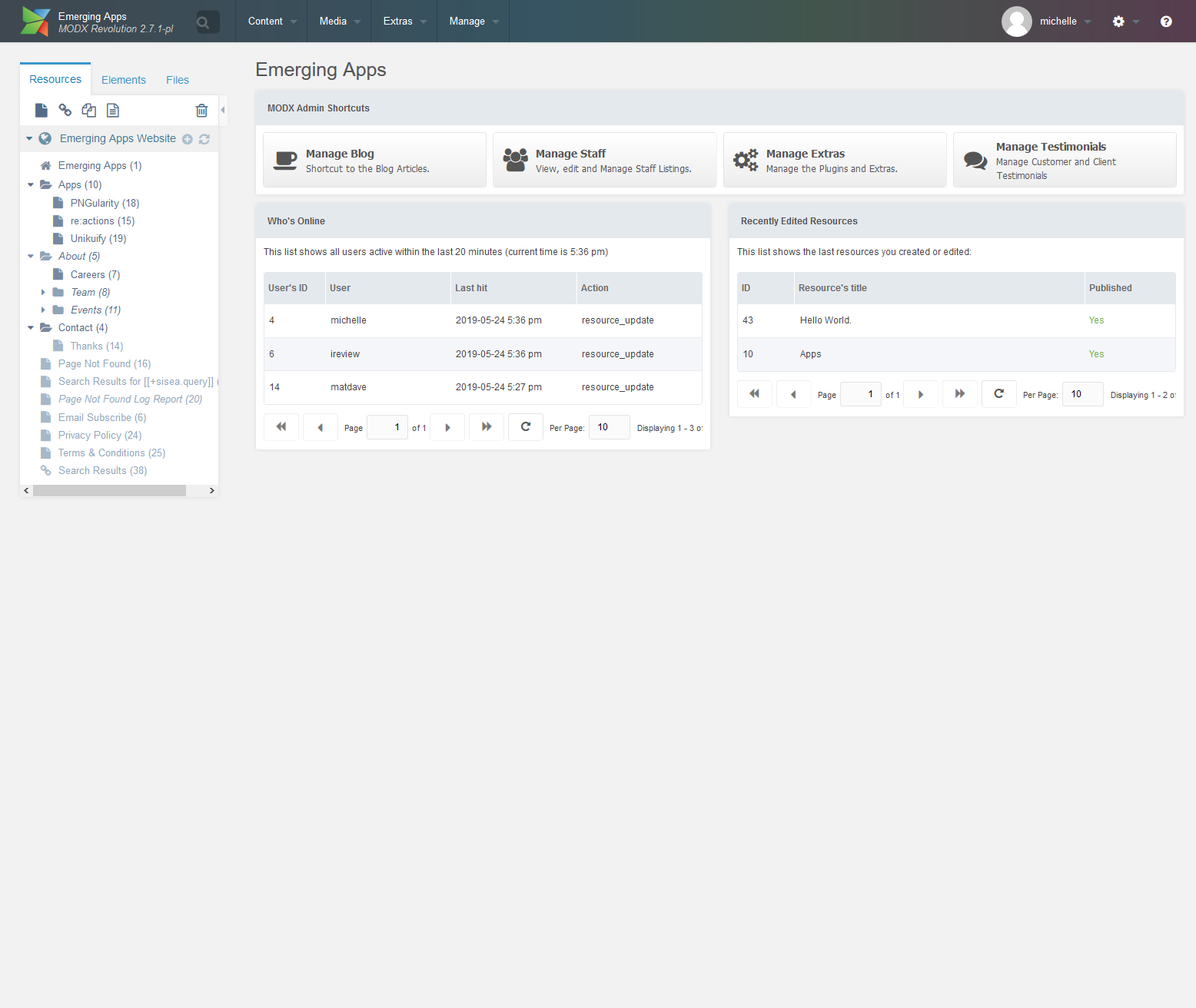   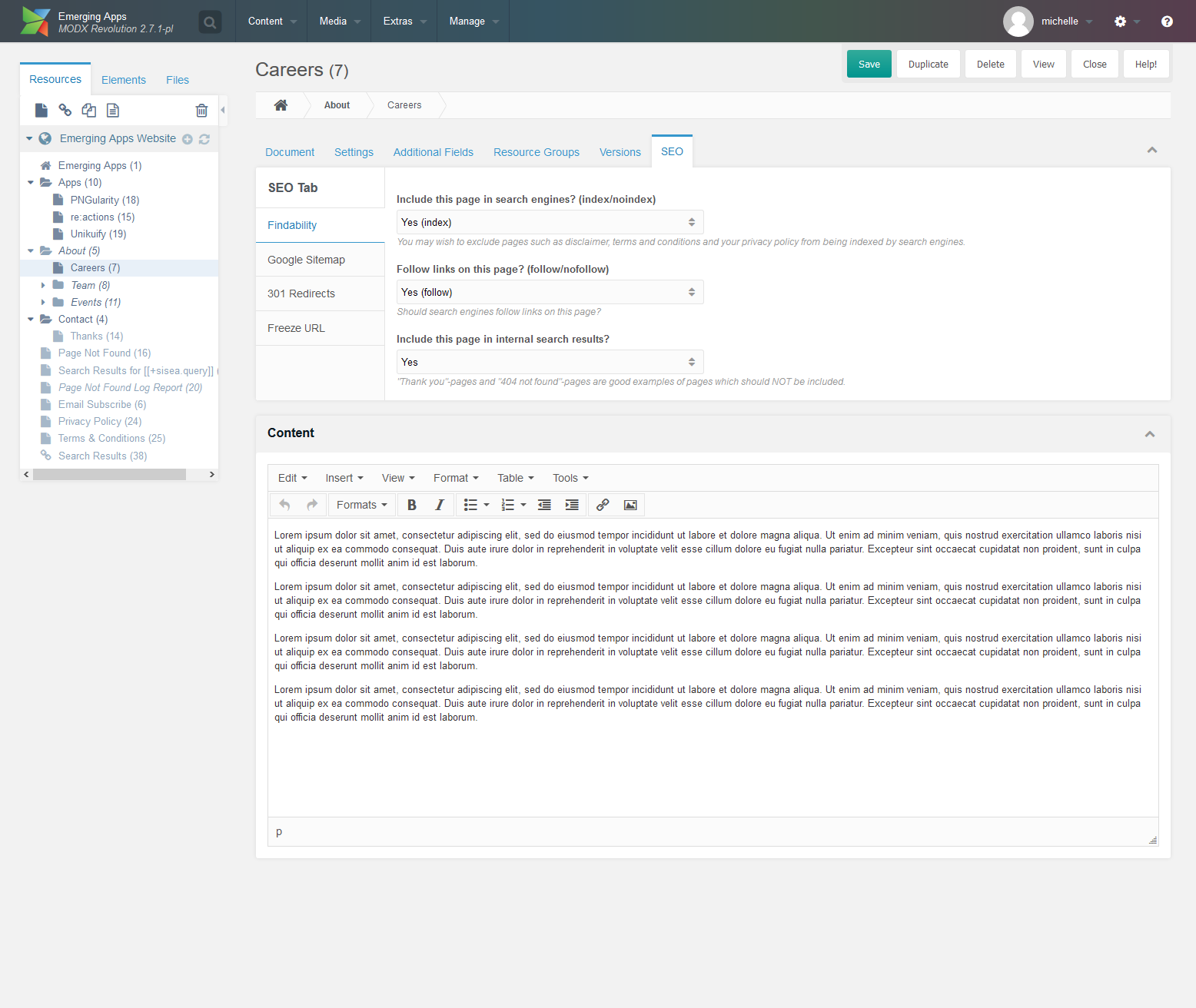 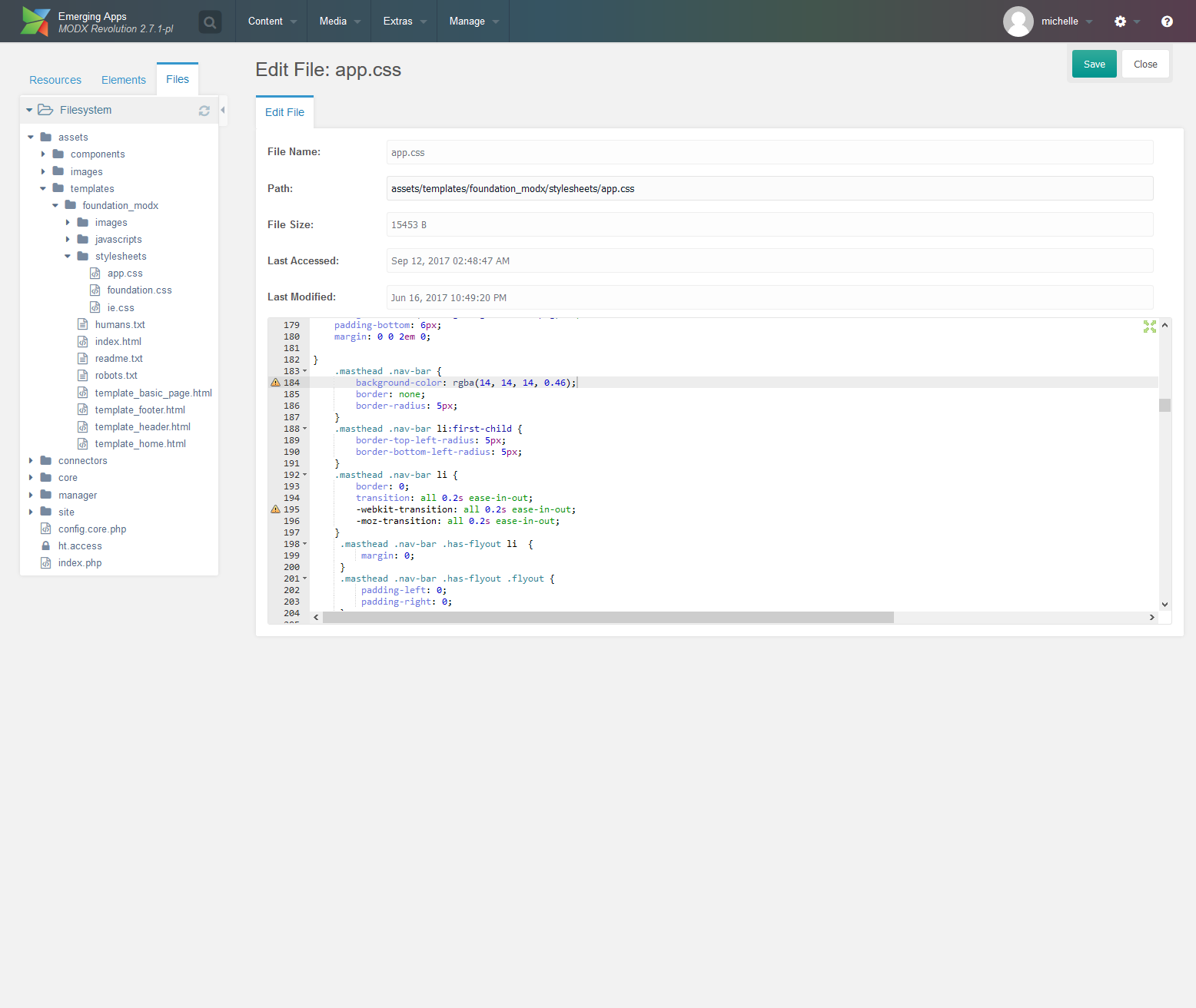  |