Chose monday.com
It's been a while since trying Asana, so it's hard to say. I think they are very similar from what I remember, but maybe monday.com has more reporting and customization possibilities?

| Product | Rating | Most Used By | Product Summary | Starting Price |
|---|---|---|---|---|
 monday.com | Mid-Size Companies (51-1,000 employees) | monday.com Work OS is an open platform designed so that anyone can create the tools they need to run all aspects of their work. It includes ready-made templates or the ability to customize any work solution ranging from sales pipelines to marketing campaigns, CRMs, and project tracking. | $12 per month per user | |
 Zendesk Sell | N/A | Zendesk Sell (formerly Base CRM) is a CRM that aims to give reps access to integrated tools that provide the full context of a customer account. This keeps them in the loop and allows them to capitalize on opportunities. Zendesk Sell can be extended with Reach, a lead generation and engagement tool that automates the process of finding and keeping leads interested, so reps can focus more on building relationships and crushing their quotas. Base CRM was founded in 2009, and acquired by Zendesk… | $19 per seat/month billed annually |
| monday.com | Zendesk Sell | |||||||||||||||
|---|---|---|---|---|---|---|---|---|---|---|---|---|---|---|---|---|
| Editions & Modules |
|
| ||||||||||||||
| Offerings |
| |||||||||||||||
| Entry-level Setup Fee | No setup fee | No setup fee | ||||||||||||||
| Additional Details | Yearly plan: Save 18% Monthly plan also available | — | ||||||||||||||
| More Pricing Information | ||||||||||||||||
| monday.com | Zendesk Sell | |
|---|---|---|
| Considered Both Products |  monday.com  Giovanni Jurado Business Analyst Team Lead Chose monday.com monday.com offer much of the standard tools and seems to be ever evolving. They seem to take feedback and constantly upgrade the tools. If all the tools are there, the differentiating factor might be the cost, any integrations you may need, and the visual "chemistry". To me, …  Brandon Stokes Customer Operations Enablement Manager Chose monday.com When I arrived at my org, I was initially disappointed to hear that we used something other than Asana for project management. Fast forward just a few months, and I became a complete monday.com convert. While its organization is similar to Asana's, it's user interface, …  Justin Aldrete General Manager Chose monday.com monday.com has the only interface that is 100% customizable, can use public and private boards, can be shared with customers, produce Gantt charts, and has THE MOST integrations "in house". The professional relationships that monday.com has established to be "on board" with …  Ľudovít Slemenský Graphic Designer Chose monday.com I searched for some other alternatives like monday.com, and I also tried them. For example, I have experience with Sloneek. But monday.com just feels different. I think it beats the competition in every way. You can also use monday's free version, and it is still a good task …  Pavol Masaryk Seniro Project Manager Chose monday.com Compared to the competition, monday.com has better control, more possibilities for use, and the price is very acceptable. | Zendesk Sell  Brittany Cooper Manager, Customer Success Chose Zendesk Sell We moved away from the platform above because integrations and reporting through Zendesk Sell (formerly Base CRM) are far better. Zendesk Sell (formerly Base CRM) is definitely a more modern approach to our ever-changing company. We needed a system that provided accurate and …  Matt Suozzo CEO Chose Zendesk Sell Simpler than most CRMs, which can be good if your sales team is not very tech savvy. We switched to Hubspot which provides a lot more value than Base did, but it isn't right for everyone. Hubspot is focused on capturing in-bound leads and has its own flaws and limitations, but …  Matt Meinel SVP Sales, Business Development, and Solutions Architecture Chose Zendesk Sell It does everything salesforce was doing only easier and the mobile app was much better and cheaper. I have been able to both run a sales team and do the sysadmin and setup work on base as a sales manager.  Ali Nisar Director Of Strategic Partnerships Chose Zendesk Sell Much more efficient and cleaner interface allows quicker and simpler contact/pipeline management for all members of staff regardless of seniority. Additionally, it's a much simpler platform designed for sales compared to more traditional CRMs.  Krish Jagirdar Vice President Chose Zendesk Sell Price and usability are the reason I choose Base against other firms. Chose Zendesk Sell Let's face it, there's a lot of competition in the market of CRM systems. From Salesforce, Hubspot, and Zoho, which offer other modules that integrate other elements of the business into the CRM, to options like Sharpspring, CampaignerCRM, and SugarCRM that integrates marketing …  bryan robison Director of Sales Chose Zendesk Sell Much easier to use! It's more updated, more modern. It feels like using a Mac Laptop as opposed to using an IBM that runs Microsoft Office 1997. The integration and windows for emails and tasks is much easier to use. Notes is something that anyone on the team can jump on and …  Thomas Henderson Acquisition Manager Chose Zendesk Sell I have used Base CRM for 3 years now and I haven't looked back. Compared to Salesforce, Base is significantly more functional and intuitive.  Jeremy Doyle Director, Special Accounts Chose Zendesk Sell Base CRM is great for beginners, or small sales forces. API/integrations need help. As a CRM it works just fine, but could use some improvement, and backing. A lot of Base CRM users are great help, but there needs to be a more robust back end to help your customers implement … |
| monday.com | Zendesk Sell | |||||||||||||||||||||||||||||||||||||||||||||
|---|---|---|---|---|---|---|---|---|---|---|---|---|---|---|---|---|---|---|---|---|---|---|---|---|---|---|---|---|---|---|---|---|---|---|---|---|---|---|---|---|---|---|---|---|---|---|
| Project Management |
| |||||||||||||||||||||||||||||||||||||||||||||
| Professional Services Automation |
| |||||||||||||||||||||||||||||||||||||||||||||
| Sales Force Automation |
| |||||||||||||||||||||||||||||||||||||||||||||
| Customer Service & Support |
| |||||||||||||||||||||||||||||||||||||||||||||
| Marketing Automation |
| |||||||||||||||||||||||||||||||||||||||||||||
| CRM Project Management |
| |||||||||||||||||||||||||||||||||||||||||||||
| CRM Reporting & Analytics |
| |||||||||||||||||||||||||||||||||||||||||||||
| Customization |
| |||||||||||||||||||||||||||||||||||||||||||||
| Security |
| |||||||||||||||||||||||||||||||||||||||||||||
| Social CRM |
| |||||||||||||||||||||||||||||||||||||||||||||
| Integrations with 3rd-party Software |
| |||||||||||||||||||||||||||||||||||||||||||||
| Platform |
|
| monday.com | Zendesk Sell | |
|---|---|---|
| Small Businesses |  Stackby Score 9.0 out of 10 |  Salesmate Score 10.0 out of 10 |
| Medium-sized Companies |  InEight Score 8.3 out of 10 |  Creatio Score 9.7 out of 10 |
| Enterprises | InEight Score 8.3 out of 10 | Creatio Score 9.7 out of 10 |
| All Alternatives | View all alternatives | View all alternatives |
| monday.com | Zendesk Sell | |
|---|---|---|
| Likelihood to Recommend | 9.1 (0 ratings) | 10.0 (0 ratings) |
| Likelihood to Renew | 9.0 (0 ratings) | 9.0 (0 ratings) |
| Usability | 8.7 (0 ratings) | 8.9 (0 ratings) |
| Availability | 8.2 (0 ratings) | 10.0 (0 ratings) |
| Performance | 8.6 (0 ratings) | 10.0 (0 ratings) |
| Support Rating | 9.5 (0 ratings) | 8.8 (0 ratings) |
| In-Person Training | 9.1 (0 ratings) | - (0 ratings) |
| Online Training | 9.1 (0 ratings) | 7.0 (0 ratings) |
| Implementation Rating | 9.1 (0 ratings) | 8.0 (0 ratings) |
| Configurability | 8.2 (0 ratings) | 10.0 (0 ratings) |
| Ease of integration | 9.0 (0 ratings) | 10.0 (0 ratings) |
| Product Scalability | 6.9 (0 ratings) | 10.0 (0 ratings) |
| Vendor post-sale | 9.0 (0 ratings) | 10.0 (0 ratings) |
| Vendor pre-sale | 9.0 (0 ratings) | 10.0 (0 ratings) |
| monday.com | Zendesk Sell | |
|---|---|---|
| Likelihood to Recommend |
|
bryan robison Director of Sales |
| Pros |
 Joshua Rodriguez Digital Strategy Manager |
Matt Meinel SVP Sales, Business Development, and Solutions Architecture |
| Cons |
|
|
| Likelihood to Renew |
|
|
| Usability |
 Jessica Johnson Content Marketing Manager |
Brittany Cooper Manager, Customer Success |
| Reliability and Availability |
|
|
| Performance |
|
|
| Support Rating |
|
Brittany Cooper Manager, Customer Success |
| Online Training |
|
Jeremy Doyle Director, Special Accounts |
| Implementation Rating |
 Joseph Madere Learning Management System Analyst -- CornerstoneOnDemand |
Jeremy Doyle Director, Special Accounts |
| Alternatives Considered |
|
|
| Scalability |
|
|
| Return on Investment |
Brandon Stokes Customer Operations Enablement Manager |
Brittany Cooper Manager, Customer Success |
| ScreenShots | monday.com Screenshots 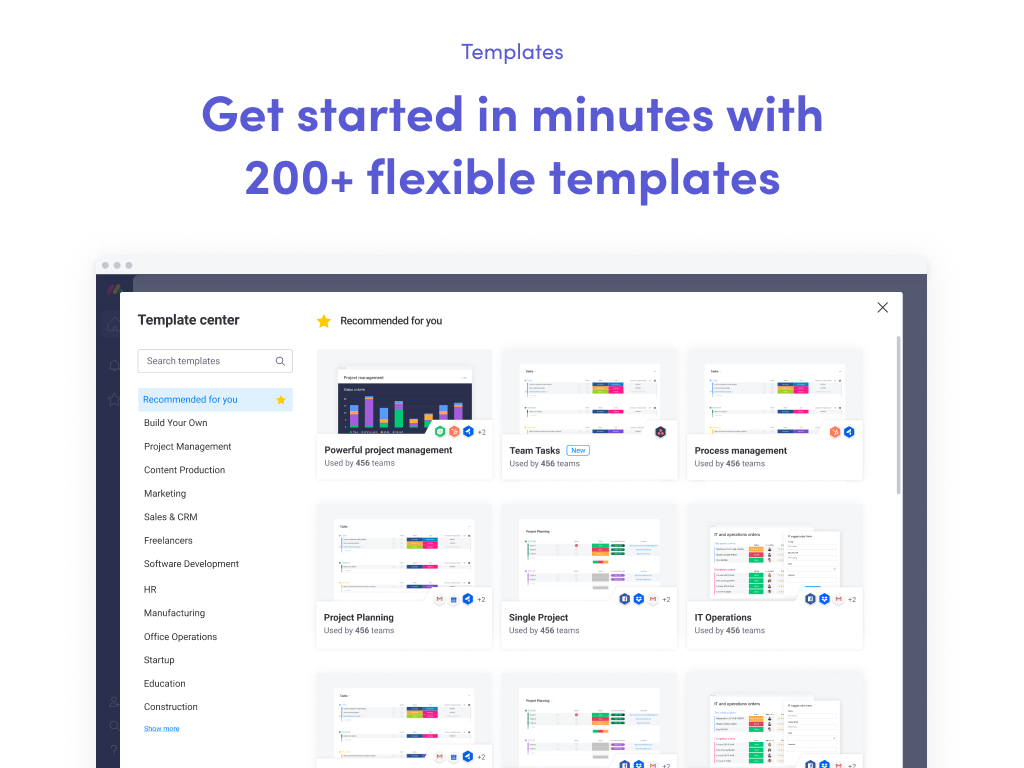     |
