Chose Oracle Digital Assistant
Azure bot service we used to integration our platform over slack and found too difficult to integrate under that manner ODS is great and simple to inetgrate.

| Product | Rating | Most Used By | Product Summary | Starting Price |
|---|---|---|---|---|
 Oracle Digital Assistant | N/A | Oracle Digital Assistant delivers an AI platform to create conversational experiences for business applications through text, chat, and voice interfaces. | N/A | |
 Rasa | Enterprise companies (1,001+ employees) | Rasa is a conversational AI platform from the company of the same name headquartered in San Francisco, enabling enterprises to build customer experiences. Rasa’s platform was built to create enterprise-grade virtual assistants, allowing personalized conversations with customers - at scale. Rasa’s conversational AI platform allows companies to build better customer experiences by lowering costs through automation, improving customer satisfaction, and providing a scalable way to gather customer… | $0 |
| Oracle Digital Assistant | Rasa | |||||||||||||||
|---|---|---|---|---|---|---|---|---|---|---|---|---|---|---|---|---|
| Editions & Modules | No answers on this topic |
| ||||||||||||||
| Offerings |
| |||||||||||||||
| Entry-level Setup Fee | No setup fee | No setup fee | ||||||||||||||
| Additional Details | — | — | ||||||||||||||
| More Pricing Information | ||||||||||||||||
| Oracle Digital Assistant | Rasa | |
|---|---|---|
| Considered Both Products | Oracle Digital Assistant |  Rasa  Martin Lukan Senior Data Scientist Chose Rasa Glean - proprietary semantic search algorithms, no backend actions integration IBM Watsonx - complicated dialogue builder, poor separation of no-code and pro-code interfaces ELMOS (agent based) - all logic in code, no dialogue logic in no-code interface possible |
| Oracle Digital Assistant | Rasa | |
|---|---|---|
| Small Businesses | No answers on this topic |  LocaliQ Score 9.0 out of 10 |
| Medium-sized Companies | No answers on this topic |  Piper the AI SDR by Qualified Score 9.2 out of 10 |
| Enterprises | No answers on this topic |  Conversica Score 9.9 out of 10 |
| All Alternatives | View all alternatives | View all alternatives |
| Oracle Digital Assistant | Rasa | |
|---|---|---|
| Likelihood to Recommend | 7.8 (0 ratings) | - (0 ratings) |
| Oracle Digital Assistant | Rasa | |
|---|---|---|
| Likelihood to Recommend |
|
|
| Pros |
|
|
| Cons |
 Alpa Wali Software Engineer |
Martin Lukan Senior Data Scientist |
| Usability | No answers on this topic |
|
| Support Rating | No answers on this topic |
Martin Lukan Senior Data Scientist |
| Alternatives Considered |
|
Martin Lukan Senior Data Scientist |
| Return on Investment |
 Shirley Obriens Software Engineer |
|
| ScreenShots | Rasa Screenshots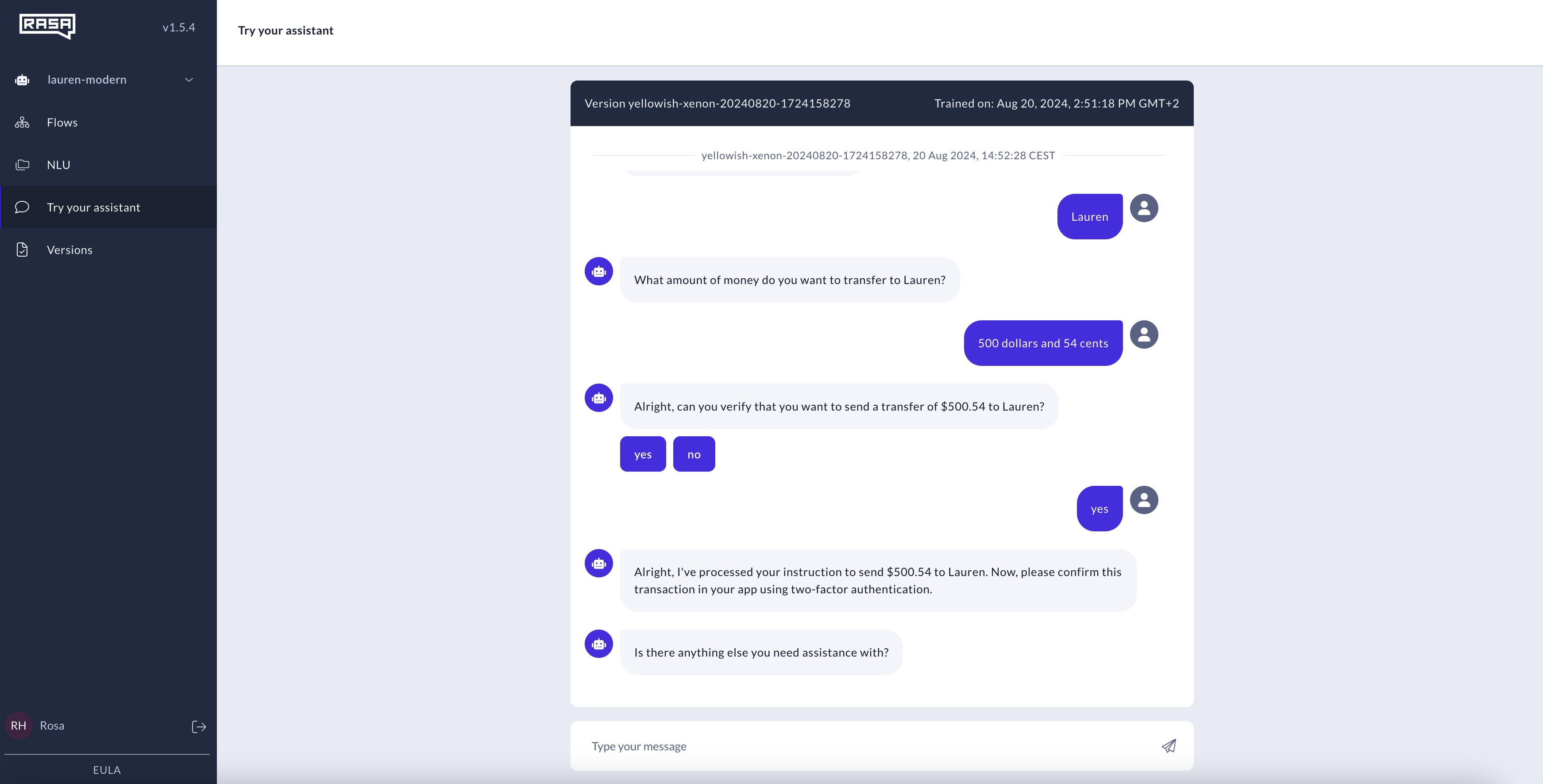 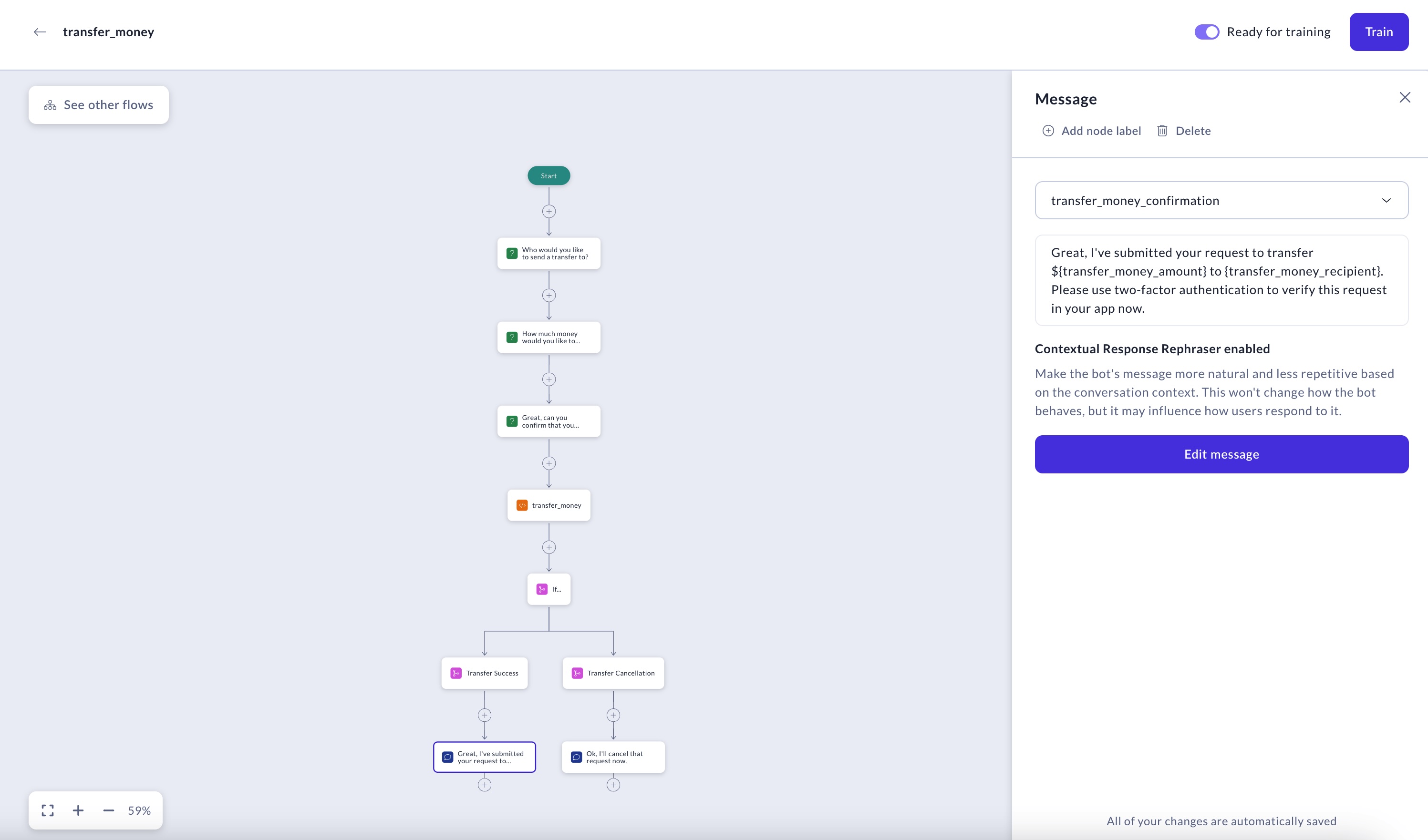 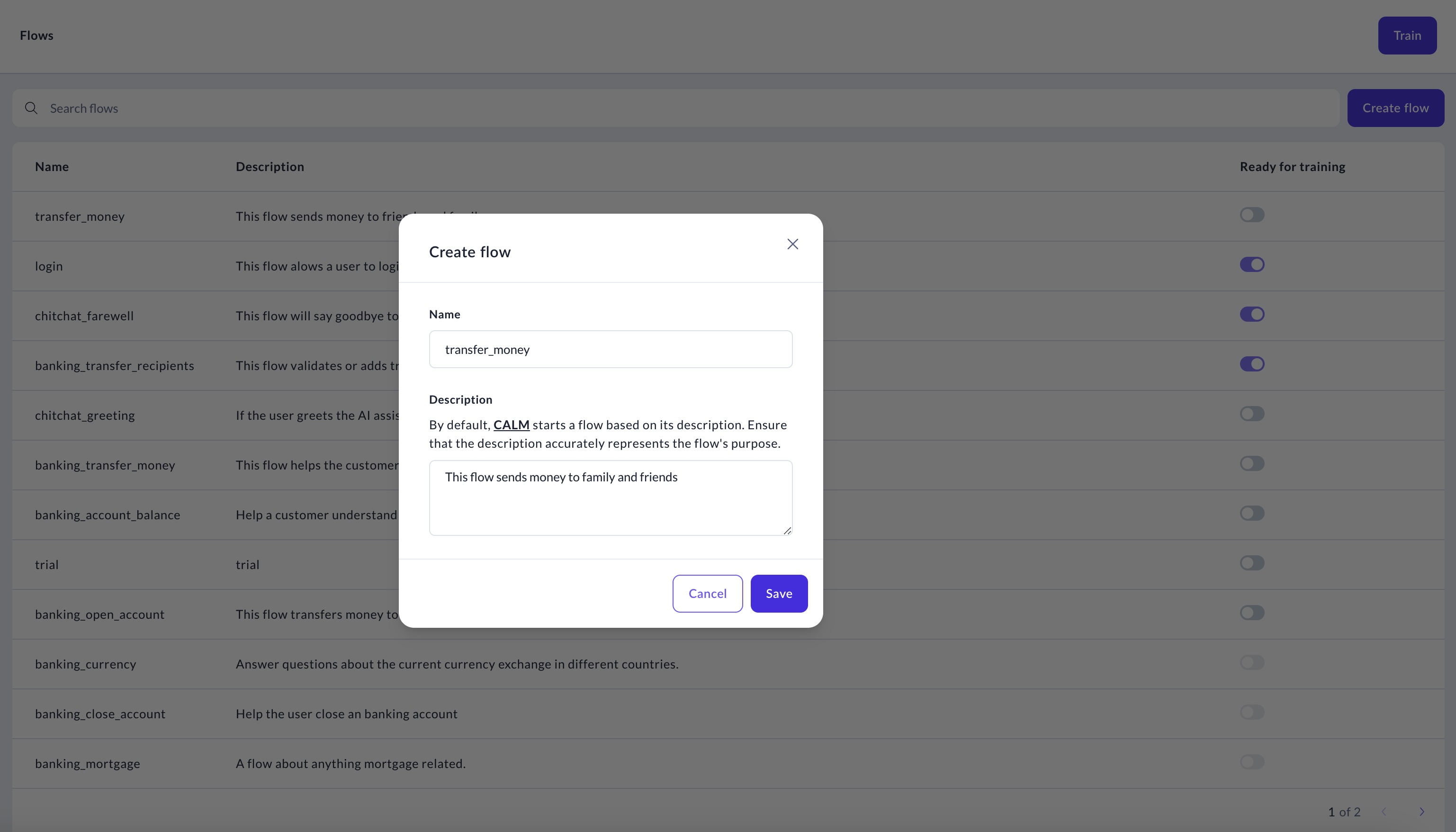 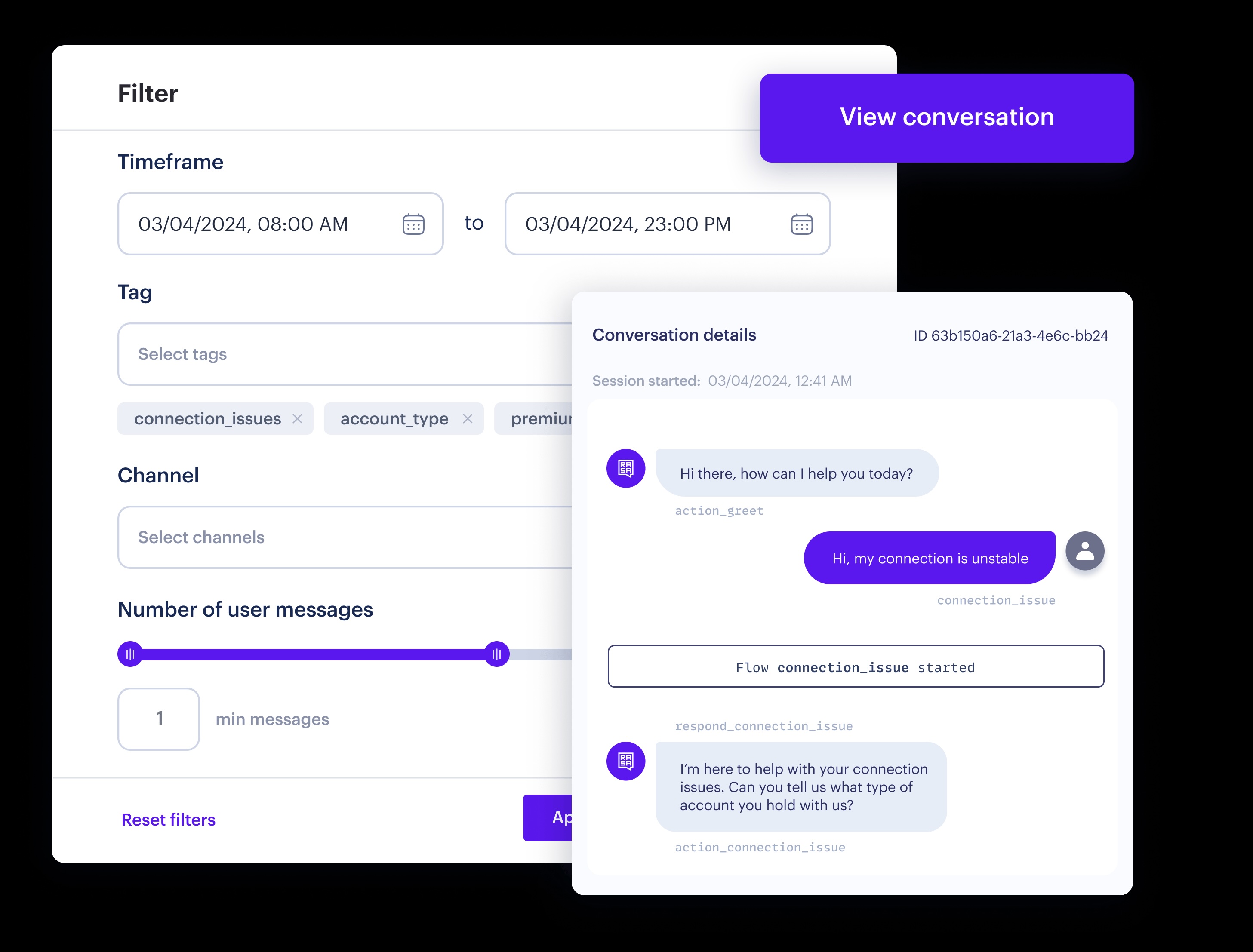 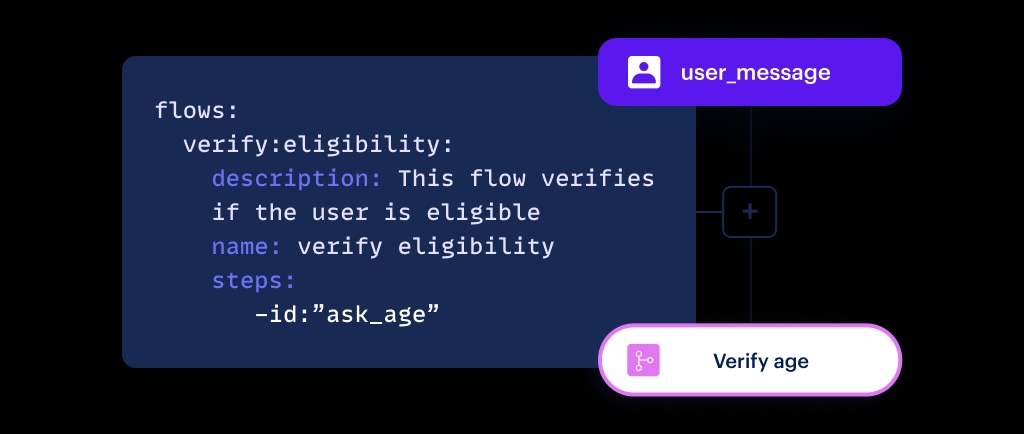 |