Chose SnapLogic
Other providers found it difficult to allow us to use their services on our cloud premises (exclusively in our AWS accounts) which we need for compliance. SnapLogic was able to give us this guarantee.

| Product | Rating | Most Used By | Product Summary | Starting Price |
|---|---|---|---|---|
 SnapLogic | N/A | SnapLogic is a cloud integration platform with a self-service capacity supported by over 450 prebuilt modifiable connectors. SnapLogic also offers real-time and batch integration processes for interfacing with external data sources, a drag-and-drop interface, and use of the vendors’ Iris AI. | N/A | |
 Swagger Open Source, supported by SmartBear | N/A | Supported by SmartBear, Swagger is a set of tools used by developers to design, document, build, and test APIs in the OpenAPI Specification. | N/A |
| SnapLogic | Swagger Open Source, supported by SmartBear | |||||||||||||||
|---|---|---|---|---|---|---|---|---|---|---|---|---|---|---|---|---|
| Editions & Modules | No answers on this topic | No answers on this topic | ||||||||||||||
| Offerings |
| |||||||||||||||
| Entry-level Setup Fee | Optional | No setup fee | ||||||||||||||
| Additional Details | — | — | ||||||||||||||
| More Pricing Information | ||||||||||||||||
| SnapLogic | Swagger Open Source, supported by SmartBear | |
|---|---|---|
| Considered Both Products |  SnapLogic  Tony Kowalick Assistant Director of Enterprise Systems Chose SnapLogic Boomi was our runner-up product. The pricing model was much higher and cost-prohibitive. They were not as flexible with pricing on a non-profit higher education institution. We did love their integration code library shared across all clients. The user interface was on par …  Ângelo Alves Engenheiro de software Chose SnapLogic Strong user community Strong services expertise Strong consulting partnership Product functionality and performance Overall costs  Subhash Chandra Data Integration Lead Technical Architect Chose SnapLogic MuleSoft Anypoint Platform and Informatica Cloud Data Integration  Jacob Rasmussen Data Engineer Chose SnapLogic SnapLogic was a lot cheaper and does not have as steep of a learning curve |  Swagger Open Source, supported by SmartBear  Pierre LAFAY CEO Chose Swagger Open Source, supported by SmartBear We use swagger only to generate the API documentation, for testing the APIs, we use Postman. We don't find an other tools for producing API documentation in web pages and also in pdf files. Postman is a good complement for testing APIs on Intersystems Iris (a powerful … |
| SnapLogic | Swagger Open Source, supported by SmartBear | ||||||||||||||||||||||||
|---|---|---|---|---|---|---|---|---|---|---|---|---|---|---|---|---|---|---|---|---|---|---|---|---|---|
| Cloud Data Integration |
| ||||||||||||||||||||||||
| API Management |
|
| SnapLogic | Swagger Open Source, supported by SmartBear | |
|---|---|---|
| Small Businesses |  Make Score 8.9 out of 10 |  NGINX Score 9.2 out of 10 |
| Medium-sized Companies |  IBM App Connect Score 9.5 out of 10 | NGINX Score 9.2 out of 10 |
| Enterprises | IBM App Connect Score 9.5 out of 10 | NGINX Score 9.2 out of 10 |
| All Alternatives | View all alternatives | View all alternatives |
| SnapLogic | Swagger Open Source, supported by SmartBear | |
|---|---|---|
| Likelihood to Recommend | 8.1 (0 ratings) | 10.0 (0 ratings) |
| Likelihood to Renew | 9.0 (0 ratings) | - (0 ratings) |
| Usability | 7.0 (0 ratings) | - (0 ratings) |
| Support Rating | 8.5 (0 ratings) | - (0 ratings) |
| Implementation Rating | 9.0 (0 ratings) | - (0 ratings) |
| SnapLogic | Swagger Open Source, supported by SmartBear | |
|---|---|---|
| Likelihood to Recommend |
|
Pierre LAFAY CEO |
| Pros |
|
Pierre LAFAY CEO |
| Cons |
|
Pierre LAFAY CEO |
| Likelihood to Renew |
Tony Kowalick Assistant Director of Enterprise Systems | No answers on this topic |
| Usability |
Jacob Rasmussen Data Engineer | No answers on this topic |
| Support Rating |
| No answers on this topic |
| Implementation Rating |
Jacob Rasmussen Data Engineer | No answers on this topic |
| Alternatives Considered |
Tony Kowalick Assistant Director of Enterprise Systems |
Pierre LAFAY CEO |
| Return on Investment |
|
Pierre LAFAY CEO |
| ScreenShots | SnapLogic Screenshots  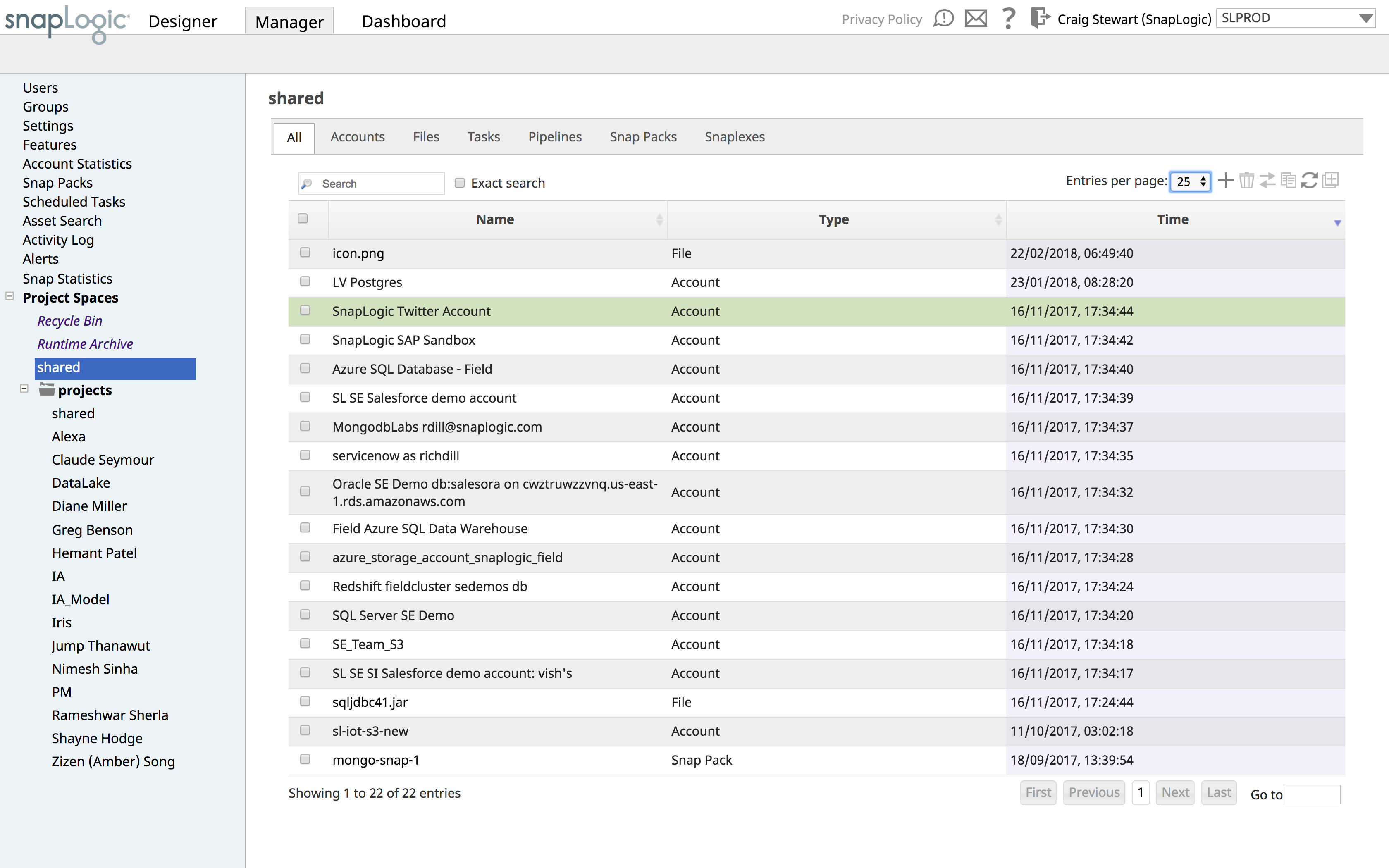 |