
Santosh Yalamanchili
Senior RPA Consultant
Chose UiPath Task Capture
- UiPath Task capture helped me in my requirement gathering in a project.
- Helped to record the process
- Capture the Screen

| Product | Rating | Most Used By | Product Summary | Starting Price |
|---|---|---|---|---|
 UiPath Task Capture | N/A | UiPath Task Capture (formerly StepShot, acquired October 2019) is a tool designed for quick and easy step-by-step documentation. During a recording mode, the software creates a separate screenshot on every click, groups them into a manual with automatically added metadata. Users can annotate captured images and structure documents in the way they want them to look. | N/A | |
 UserTesting | N/A | UserTesting helps UX researchers, designers, product teams, and marketers gather actionable insights through research, testing, and feedback. With a network of real people ready to share their perspectives, UserTesting enables organizations to make customer-first decisions at scale. | N/A |
| UiPath Task Capture | UserTesting | |||||||||||||||
|---|---|---|---|---|---|---|---|---|---|---|---|---|---|---|---|---|
| Editions & Modules | No answers on this topic | No answers on this topic | ||||||||||||||
| Offerings |
| |||||||||||||||
| Entry-level Setup Fee | No setup fee | No setup fee | ||||||||||||||
| Additional Details | We have some discounts available all the time depending on the amount of ordered licenses. | — | ||||||||||||||
| More Pricing Information | ||||||||||||||||
| UiPath Task Capture | UserTesting | |
|---|---|---|
| Considered Both Products | UiPath Task Capture Santosh Yalamanchili Senior RPA Consultant Chose UiPath Task Capture
Chose UiPath Task Capture I haven't used any other products like StepShot. While I've used video and screen-capture software to document processes, I haven't used another process capturing software. StepShot is the only one I know about, so I can't speak to how it compares against competitors/unique … |  UserTesting  Caitlin Hindle User Researcher Chose UserTesting We use both UserTesting and Userlytics in conjunction with each other. Userlytics we find to be stronger with 1-2-1 moderated study set up due to it being really simple and intuitive for both the researcher and the participant to use. Userlytics also utilises AI analysis of …  Charlotte Moore UX Researcher Chose UserTesting UserTesting is very much a usability testing tool. dscout has much more robust functionality and feels like a more complete user research tool, and I prefer the quality of the panel. However, the UserTesting panel is much larger, and works well when you have lower barriers to …  Amy Highland Brand and UX+UI Designer Chose UserTesting UserTesting is far more advanced than Userbob. It allows a lot more flexibility in the type of testing we run and specifically how we gather respondents to this. Most tests are unmoderated, similar to Maze, which I would suggest is the most comparable in platform. I find …  Adam Brett Head of E-commerce Chose UserTesting Content square is great for seeing customer insights, but UserTesting cuts straight to the point  Shaina Carvalho Design Lead Chose UserTesting The large audience pool, unlimited testing and intuitive platform  Juan Oliveira Senior UX Researcher Chose UserTesting The quality of the participants: they usually have good feedback and act like "professional" users. Which is good when we want a few insights in a short amount of time. Also, the interface is good. I miss having more features, like a good transcription tool like we have in …  Ilgvars Jansons UX Coordinator (research & design operations) Chose UserTesting As we have a bigger UX team, it helps us make user research a team sport. It helps us scale and speed up learning without creating bottlenecks which might happen if we were to use smaller tools and platforms.  Anna Baumbach UX Designer Chose UserTesting User interviews, like the name mentions, is highly focused on exactly that. The issue with this platform is that for any other type of testing you need to purchase third party integrations. This ends up costing more and gets complicated. I do enjoy the tool for what it is but … |
| UiPath Task Capture | UserTesting | |
|---|---|---|
| Small Businesses |  Sendspark Score 10.0 out of 10 |  Smartlook Score 8.2 out of 10 |
| Medium-sized Companies |  Snagit Score 9.3 out of 10 |  Optimal Score 9.0 out of 10 |
| Enterprises | Snagit Score 9.3 out of 10 | Optimal Score 9.0 out of 10 |
| All Alternatives | View all alternatives | View all alternatives |
| UiPath Task Capture | UserTesting | |
|---|---|---|
| Likelihood to Recommend | 8.0 (0 ratings) | 8.1 (0 ratings) |
| Likelihood to Renew | - (0 ratings) | 8.2 (0 ratings) |
| Usability | - (0 ratings) | 8.1 (0 ratings) |
| Availability | - (0 ratings) | 9.1 (0 ratings) |
| Performance | - (0 ratings) | 9.1 (0 ratings) |
| Support Rating | 10.0 (0 ratings) | 8.3 (0 ratings) |
| Implementation Rating | - (0 ratings) | 4.6 (0 ratings) |
| Configurability | - (0 ratings) | 7.3 (0 ratings) |
| Product Scalability | - (0 ratings) | 7.3 (0 ratings) |
| Vendor post-sale | - (0 ratings) | 9.1 (0 ratings) |
| Vendor pre-sale | - (0 ratings) | 9.1 (0 ratings) |
| UiPath Task Capture | UserTesting | |
|---|---|---|
| Likelihood to Recommend |
|
|
| Pros |
|
 Julian Tang UX Researcher |
| Cons |
Santosh Yalamanchili Senior RPA Consultant |
|
| Likelihood to Renew | No answers on this topic |
|
| Usability | No answers on this topic |
|
| Reliability and Availability | No answers on this topic |
 Alex Jones Head of Market & UX Research |
| Performance | No answers on this topic |
Alex Jones Head of Market & UX Research |
| Support Rating |
|
|
| Implementation Rating | No answers on this topic |
|
| Alternatives Considered |
|
|
| Scalability | No answers on this topic |
Alex Jones Head of Market & UX Research |
| Return on Investment |
 Shelle Pourmanafzadehardabili Principal |
 Jean Lavergne Sr UX Designer |
| ScreenShots | UiPath Task Capture Screenshots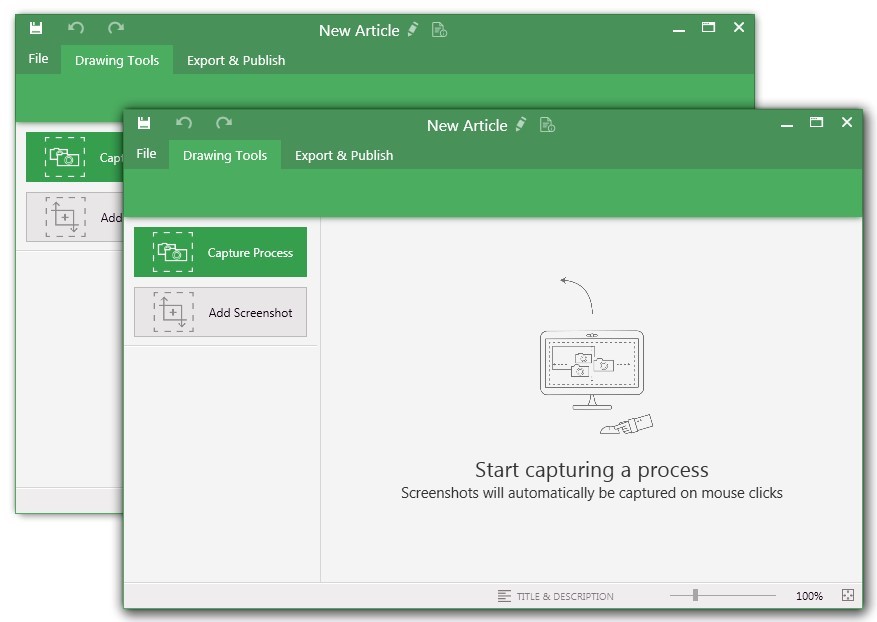    | UserTesting Screenshots     |
