Pros and Cons of Camunda Platform

Use Cases and Deployment Scope
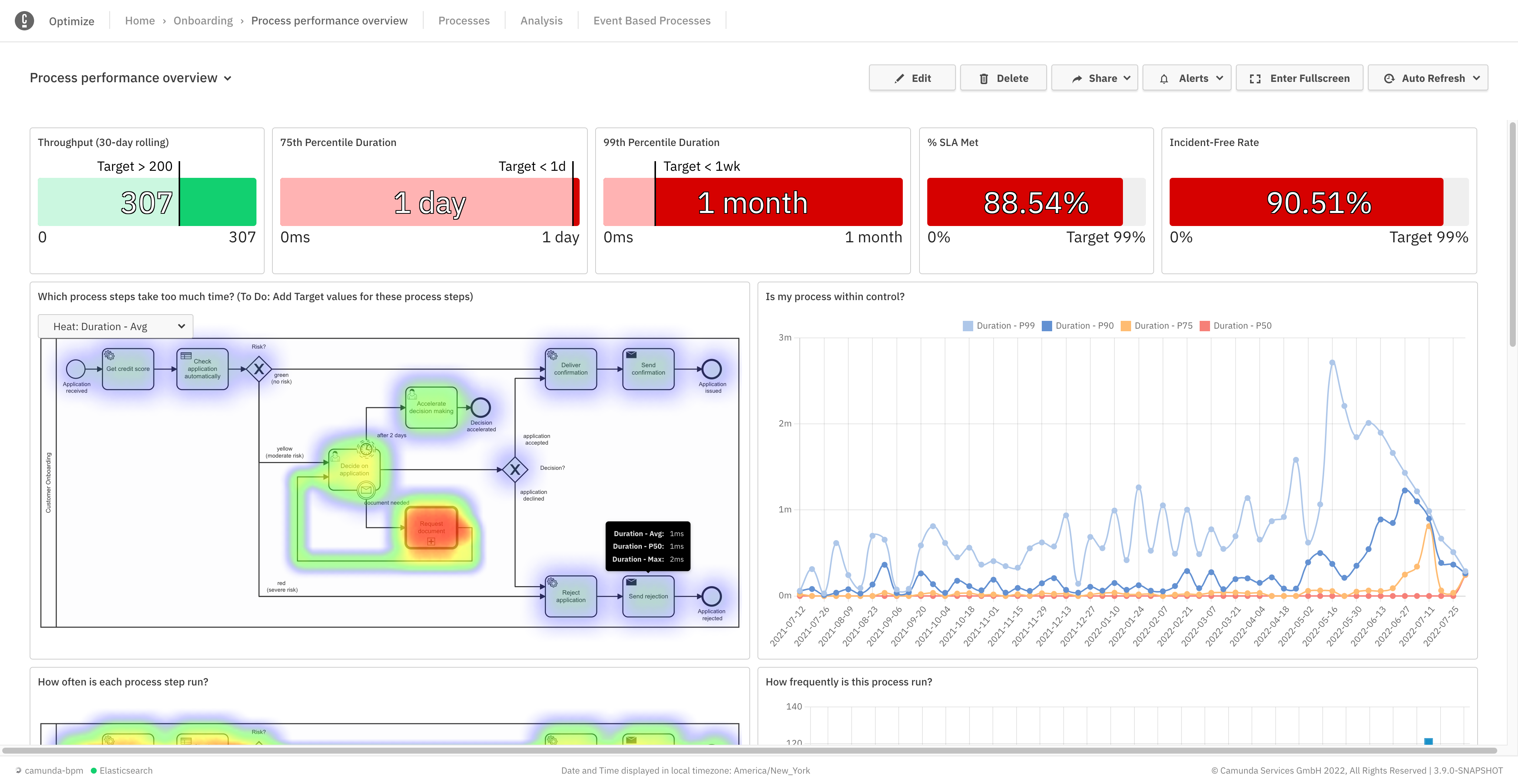
We use Camunda Platform to manage business flow of an order that comes to us. An order would usually have one or more medical procedures attached to it. There are different steps in the journey of an order until it reaches a terminal state. Camunda Platform helps us managing that flow and getting visibility in the flow. It is very important to understand in which stage each order lies so that it can be worked out accordingly. Also, if there are any issues in the order, they get highlighted as incidents in Camunda BPMN and we can resolve them after an analysis.
Pros
- Managing workflow of an order
- Tracking of incidents
- Visibility into each instance of business process/workflow
- User task management
- Integration with back-end microservices
Cons
- Documentation - It is usually daunting for beginners because of lack of good documentation
- Simplified setup on local machine for Camunda Server would help developers test changes quickly
- Easier migration from one deployment version of a Camunda process to another deployment version would help in making changes and deploying them faster.
- Heap memory management becomes issue at times resulting in stuck processes. This needs to be resolved.
Return on Investment
- The positive impact is that we are able to ensure the business process is being followed and that results in orders getting processed successfully leading to customer satisfaction and revenue
- Another positive impact is that we are able to track any anomalies and any errors in the order flow and retry them so that users don't have a negative experience.
- A negative point is that it is an overhead to maintain so there is significant engineering effort getting invested there
Other Software Used
Spring Boot, Bitbucket, IntelliJ IDEA, Apache Kafka, Amazon Simple Queue Service (SQS), Amazon Elastic Container Service (Amazon ECS)