Chose Adobe Target
*NA*

| Product | Rating | Most Used By | Product Summary | Starting Price |
|---|---|---|---|---|
 Adobe Target | N/A | Adobe Test and Target is an A/B, multi-variate testing platform which Adobe acquired as part of the Omniture platform in 2009. It is now part of the Adobe Marketing Cloud. It offers tight integration with Adobe analytics and content management products. | N/A | |
 ConfigCat | N/A | ConfigCat allows the user to launch new features and change software configuration without (re)deploying code. ConfigCat SDKs enable easy integration with any web, mobile or backend applications. The ConfigCat website enables non-developers too to switch ON/OFF application features or change software configuration. This way the user can decouple feature launches and configuration from code deployment. | $0 per month |
| Adobe Target | ConfigCat | |||||||||||||||
|---|---|---|---|---|---|---|---|---|---|---|---|---|---|---|---|---|
| Editions & Modules | No answers on this topic |
| ||||||||||||||
| Offerings |
| |||||||||||||||
| Entry-level Setup Fee | No setup fee | No setup fee | ||||||||||||||
| Additional Details | — | Fair pricing policy: All features available in all plans, even in Free. Simple and predictable prices. No hidden fees. We don't charge for team size. We don't charge for MAUs (monthly active users). Our plans only differ in limitations. | ||||||||||||||
| More Pricing Information | ||||||||||||||||
| Adobe Target | ConfigCat | |
|---|---|---|
| Considered Both Products |  Adobe Target  Ariha Shah Marketing Communications Specialist Chose Adobe Target I still use Optimizely as it helps with project managing. We have been using that for quite sometime and we have recently started using Adobe Target Platform and are testing both of them to see which one would work the best for us. In terms of reporting Adobe Target has been …  Terri Harris Legal Assistant Office Manager Chose Adobe Target NONE  Lisa Carter Project Manager Chose Adobe Target NONE  Gary Poppe Data Analyst Chose Adobe Target Previously, we had the opportunity to work with some similar services and to be honest we had a disastrous experience because they were not what we were looking for, but since Adobe Target was implemented it has proven to be a highly professional service for our company.  Vaibhav Choksi Senior Product Manager, Digital Commerce Chose Adobe Target I have used Optimizely for A/B testing. Optimizely makes it easier to set up almost any type of testing experiment. Optimizely is also strongly recommended for a limited number of users and when you want to optimize the cost. Optimizely was selected over Adobe Target since the …  Petrik Oh Senior Web Analytics Manager Chose Adobe Target Usability and implementation is harder with other products than with Test and Target.  Varun Shah Software Engineer Chose Adobe Target Maxymiser,Monetate,Optimizely  Abdulrahman Jasim QA Software Tester, Analyst 1 Chose Adobe Target I have used Google Analytics on my personal website but I can't compare it with Test and Target, because Google Analytics is free which will do less than what Adobe Test and Target does.  Tiago Romero Garcia UI Engineer Chose Adobe Target I don't know any other alternative |  ConfigCat  Scott Johnstone Technical Project Manager / Business Analyst (Product Owner, Developer) Chose ConfigCat They lacked the ability to store the feature flags locally, to use older versions of the. NET Framework, overly complicated, or too expensive. |
| Adobe Target | ConfigCat | ||||||||||||||||||||||||||||||||||||||||||||||||||||||||||||
|---|---|---|---|---|---|---|---|---|---|---|---|---|---|---|---|---|---|---|---|---|---|---|---|---|---|---|---|---|---|---|---|---|---|---|---|---|---|---|---|---|---|---|---|---|---|---|---|---|---|---|---|---|---|---|---|---|---|---|---|---|---|
| Testing and Experimentation |
| ||||||||||||||||||||||||||||||||||||||||||||||||||||||||||||
| Audience Segmentation & Targeting |
| ||||||||||||||||||||||||||||||||||||||||||||||||||||||||||||
| Results and Analysis |
|
| Adobe Target | ConfigCat | |
|---|---|---|
| Small Businesses |  Convert Experiences Score 9.9 out of 10 |  GitLab Score 8.7 out of 10 |
| Medium-sized Companies |  Dynamic Yield Score 8.3 out of 10 | GitLab Score 8.7 out of 10 |
| Enterprises | Dynamic Yield Score 8.3 out of 10 | GitLab Score 8.7 out of 10 |
| All Alternatives | View all alternatives | View all alternatives |
| Adobe Target | ConfigCat | |
|---|---|---|
| Likelihood to Recommend | 8.5 (0 ratings) | 9.1 (0 ratings) |
| Likelihood to Renew | 6.3 (0 ratings) | 9.1 (0 ratings) |
| Usability | 8.5 (0 ratings) | - (0 ratings) |
| Availability | 6.1 (0 ratings) | - (0 ratings) |
| Performance | 8.0 (0 ratings) | - (0 ratings) |
| Support Rating | 3.5 (0 ratings) | 9.1 (0 ratings) |
| In-Person Training | 8.1 (0 ratings) | - (0 ratings) |
| Online Training | 6.1 (0 ratings) | - (0 ratings) |
| Implementation Rating | 7.2 (0 ratings) | - (0 ratings) |
| Adobe Target | ConfigCat | |
|---|---|---|
| Likelihood to Recommend |
Terri Harris Legal Assistant Office Manager |
|
| Pros |
|
|
| Cons |
|
|
| Likelihood to Renew |
 Paul Labrise Business Analyst, Web Marketing |
|
| Usability |
|
|
| Reliability and Availability |
Petrik Oh Senior Web Analytics Manager | No answers on this topic |
| Performance |
 Brett Johnson Digital Producer | No answers on this topic |
| Support Rating |
Gary Poppe Data Analyst |
|
| In-Person Training |
 Sarah Schick Product Analyst | No answers on this topic |
| Online Training |
Sarah Schick Product Analyst | No answers on this topic |
| Implementation Rating |
| No answers on this topic |
| Alternatives Considered |
|
|
| Return on Investment |
|
|
| ScreenShots | ConfigCat Screenshots  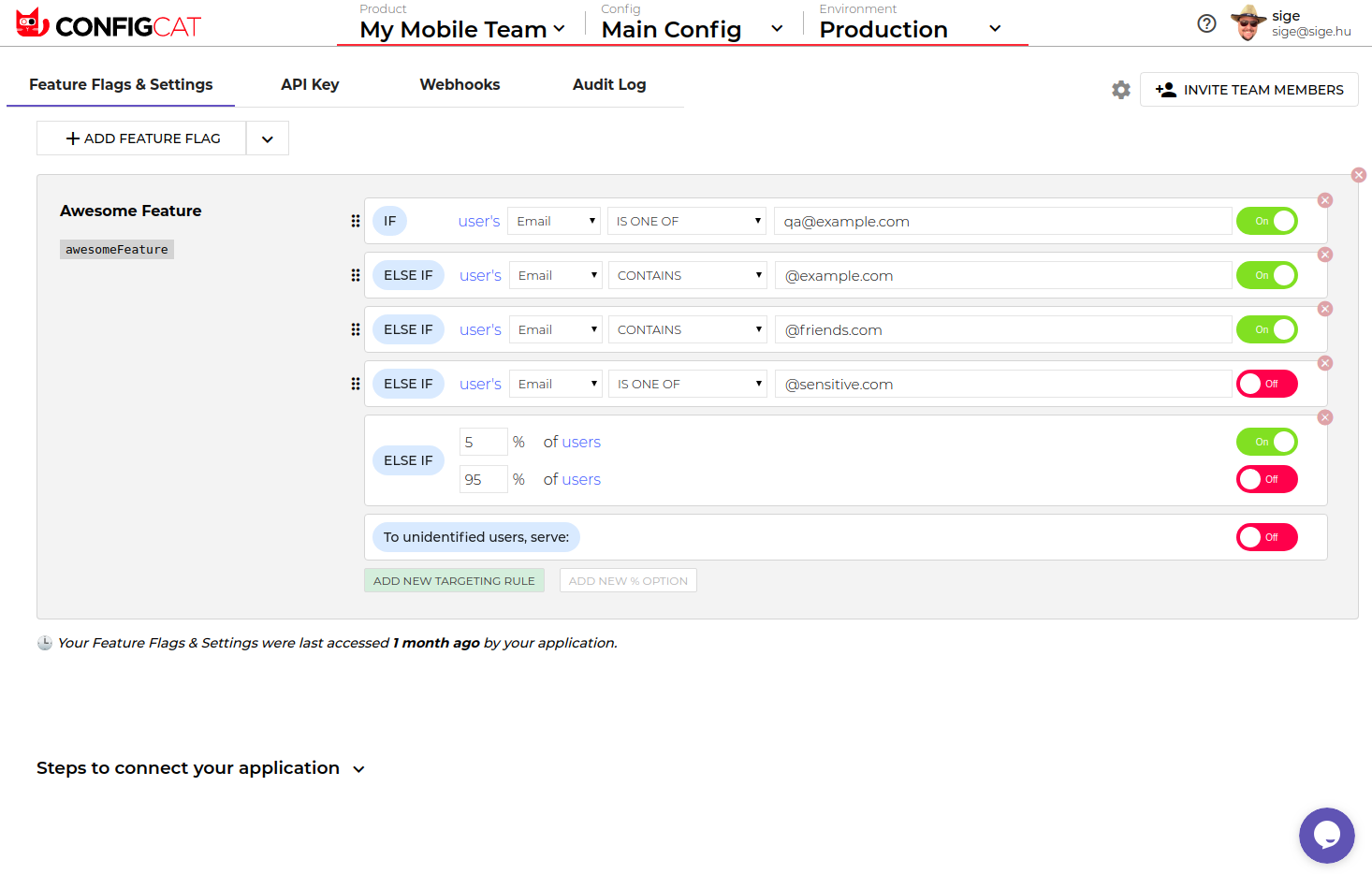 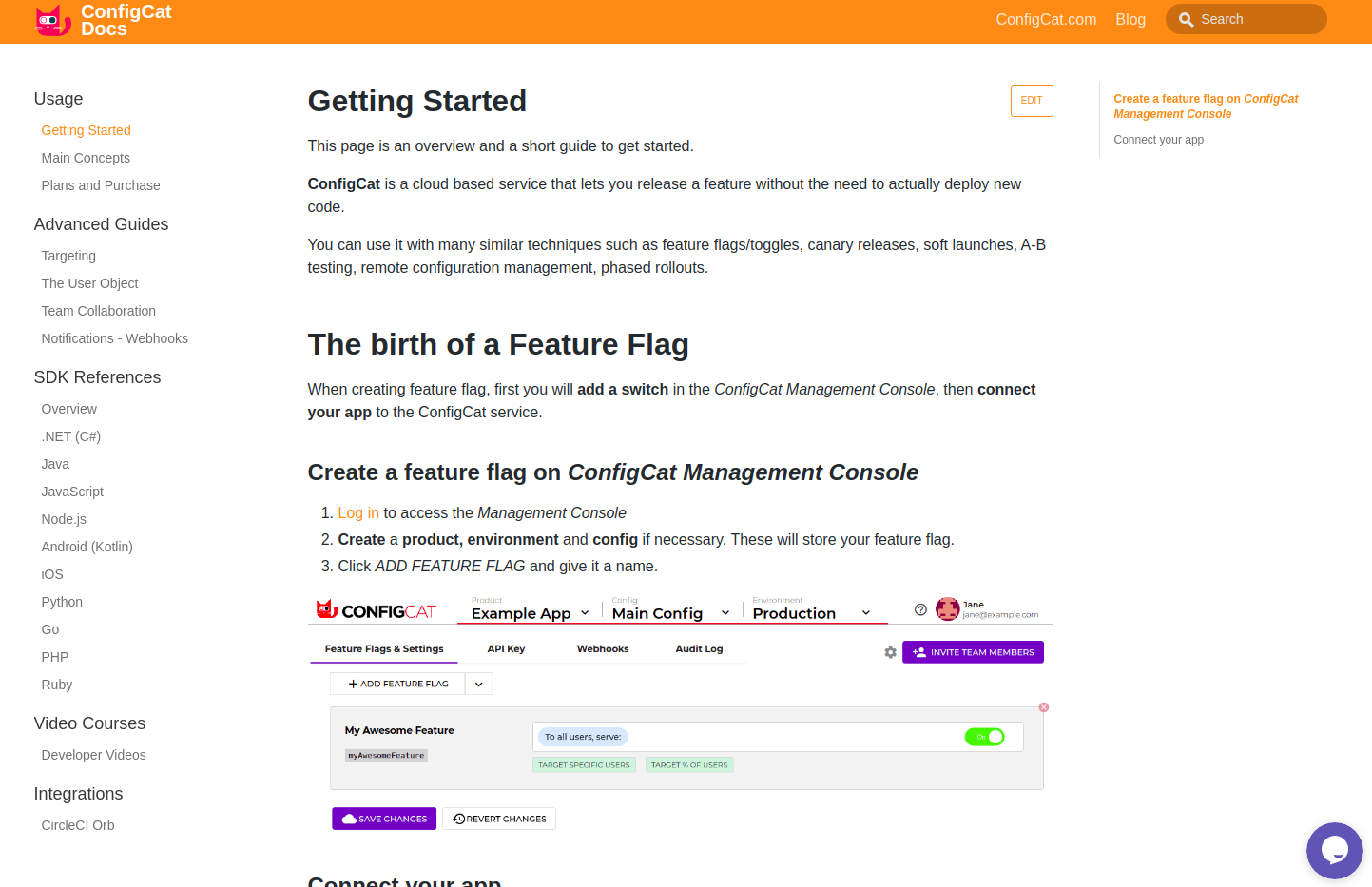 |