Chose Conga Composer
I've used PandaDoc before; it is nowhere near as good as Conga Composer in terms of usability and end-user experience. Conga is much more valuable and business-oriented.

| Product | Rating | Most Used By | Product Summary | Starting Price |
|---|---|---|---|---|
 Conga Composer | N/A | Conga Composer is a document generation and automation tool designed to simplify and streamline the process of creating and distributing customized documents, presentations, and reports. | N/A | |
 Nintex | N/A | Nintex offers a platform that helps companies discover, automate, and optimize business processes. | $480 Minimum 1,000 users per user |
| Conga Composer | Nintex | |||||||||||||||
|---|---|---|---|---|---|---|---|---|---|---|---|---|---|---|---|---|
| Editions & Modules | No answers on this topic |
| ||||||||||||||
| Offerings |
| |||||||||||||||
| Entry-level Setup Fee | Optional | Optional | ||||||||||||||
| Additional Details | — | — | ||||||||||||||
| More Pricing Information | ||||||||||||||||
| Conga Composer | Nintex | |
|---|---|---|
| Considered Both Products |  Conga Composer  Camden Pankratz Sr Salesforce Admin & Developer Chose Conga Composer Fluix and Salesforce CMS  Sofia Fernandez Regional Sales Manager Chose Conga Composer Not as good.  Kelly Michael Skelton Salesforce Administrator Chose Conga Composer CPQ is more customizable and native to Salesforce, but it's extremely difficult to set up and maintain. The Conga Composer configuration is much simpler and quicker to implement.  Angelique Goins Software Solutions Consultant Chose Conga Composer I just wish that Docusign and Conga Document Generation could work together after the quote is generated to send out for signature.  Harrison Pershing Salesforce Admin Chose Conga Composer I haven't used or evaluated other products before. |  Nintex  Matt Aldridge Knowledge Lead Chose Nintex We selected Nintex because Process Manager is a purpose designed platform for knowledge management. However, what we discovered is that there are significant limitations, which has lead us to now explore developing a knowledge management platoform in sharepoint. this is a much …  Julio Magana CTO Chose Nintex Microsoft environment does not have the scalability of Nintex; it is perfect for small and medium-sized companies, especially in environments where Microsoft environment is almost entirely used. Although Microsoft offers options to connect to other applications, its platform …  David Hofmann, MSMOT Senior Advisor Chose Nintex Not as useful as Power Automate  Kathy Mark, PMP ITT Project Director Chose Nintex Each has their purpose and function -- Nintex stacks high among the tools available  Sandip Patil Techincal Architect Chose Nintex Less learning curve and easy to use.  Julian Nye Business enablement engineer Chose Nintex Nintex Process Platform was and still is by far the most flexible and easy-to-use than any of the other form creation and workflow designer apps we looked at.  Arsen Torosyan Data Scientist Chose Nintex It's much more reasonably priced and we were able to actually experience the platform for a bit before we made a decision. And by the time our demo was finished we had already started depending on it for some of our processes so it would've been very hard to separate from it. |
| Conga Composer | Nintex | |||||||||||||||||||||||||||
|---|---|---|---|---|---|---|---|---|---|---|---|---|---|---|---|---|---|---|---|---|---|---|---|---|---|---|---|---|
| Reporting & Analytics |
| |||||||||||||||||||||||||||
| Process Engine |
| |||||||||||||||||||||||||||
| Collaboration |
| |||||||||||||||||||||||||||
| Content Management Capabilties |
|
| Conga Composer | Nintex | |
|---|---|---|
| Small Businesses |  airSlate WorkFlow Score 7.5 out of 10 |  Square 9 Softworks Score 9.1 out of 10 |
| Medium-sized Companies |  Foxit PDF Editor Score 8.6 out of 10 | Square 9 Softworks Score 9.1 out of 10 |
| Enterprises |  DocuSign Score 8.3 out of 10 |  CMW Platform Score 8.9 out of 10 |
| All Alternatives | View all alternatives | View all alternatives |
| Conga Composer | Nintex | |
|---|---|---|
| Likelihood to Recommend | 9.7 (0 ratings) | 7.8 (0 ratings) |
| Likelihood to Renew | 8.9 (0 ratings) | 2.1 (0 ratings) |
| Usability | 7.5 (0 ratings) | 9.0 (0 ratings) |
| Availability | 3.6 (0 ratings) | 8.9 (0 ratings) |
| Performance | 3.6 (0 ratings) | 9.7 (0 ratings) |
| Support Rating | 5.5 (0 ratings) | 8.0 (0 ratings) |
| In-Person Training | - (0 ratings) | 7.0 (0 ratings) |
| Online Training | - (0 ratings) | 8.8 (0 ratings) |
| Implementation Rating | 3.7 (0 ratings) | 8.0 (0 ratings) |
| Configurability | 1.8 (0 ratings) | 8.8 (0 ratings) |
| Ease of integration | 2.7 (0 ratings) | 9.8 (0 ratings) |
| Product Scalability | 3.6 (0 ratings) | 9.8 (0 ratings) |
| Vendor post-sale | 1.8 (0 ratings) | 9.7 (0 ratings) |
| Vendor pre-sale | 3.3 (0 ratings) | 9.7 (0 ratings) |
| Conga Composer | Nintex | |
|---|---|---|
| Likelihood to Recommend |
|
|
| Pros |
 Shubhank Shrivastava Support Analyst |
|
| Cons |
|
|
| Likelihood to Renew |
 Kyle Broderick Account Executive |
|
| Usability |
Harrison Pershing Salesforce Admin |
 Justin Antczak Business Analyst |
| Reliability and Availability |
|
|
| Performance |
 Robin Craigen President / CEO / Co-Founder |
 Shivani Pandey Manager |
| Support Rating |
|
|
| In-Person Training | No answers on this topic |
Shivani Pandey Manager |
| Online Training | No answers on this topic |
|
| Implementation Rating |
|
|
| Alternatives Considered |
|
|
| Scalability |
|
|
| Return on Investment |
|
|
| ScreenShots | Conga Composer Screenshots 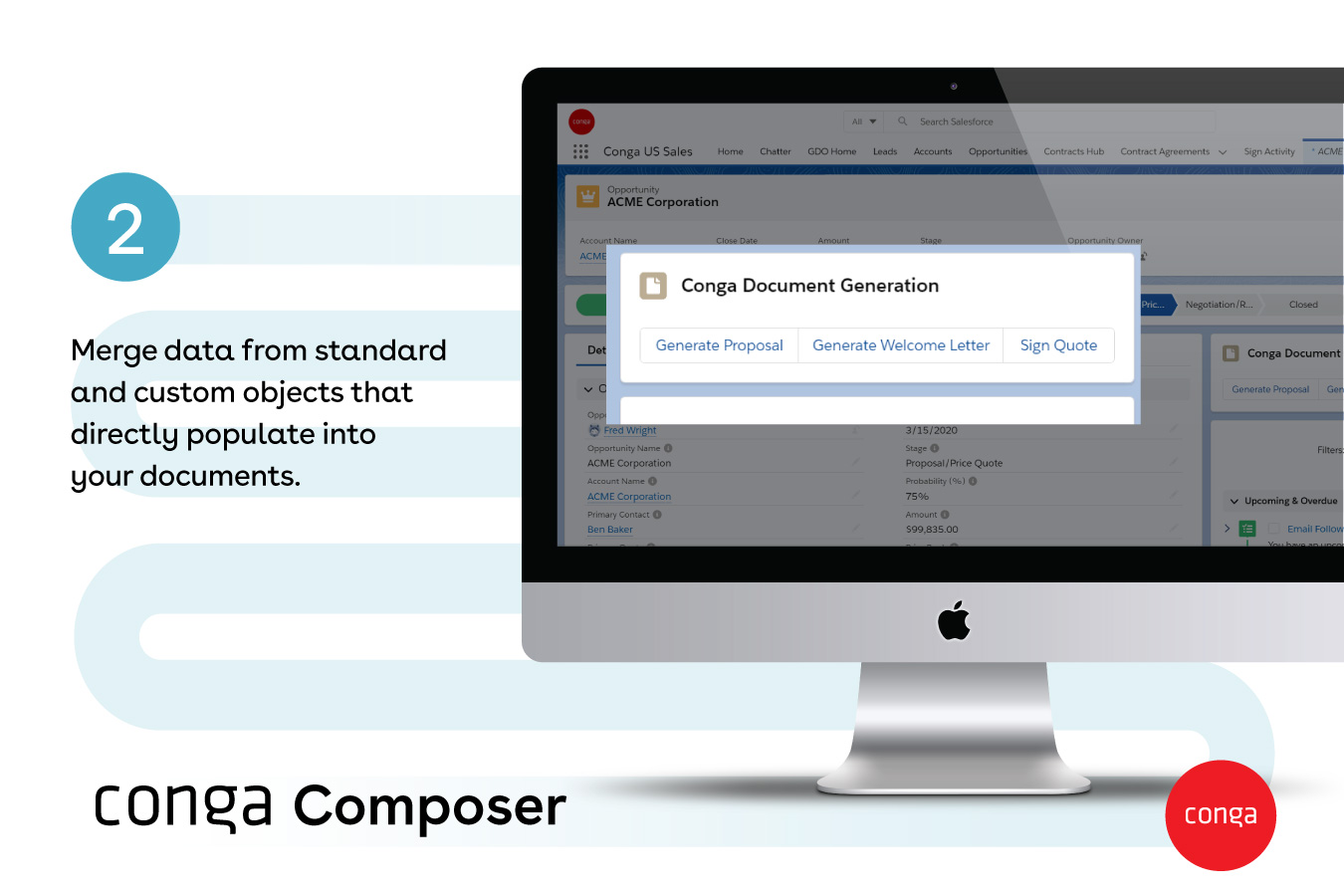  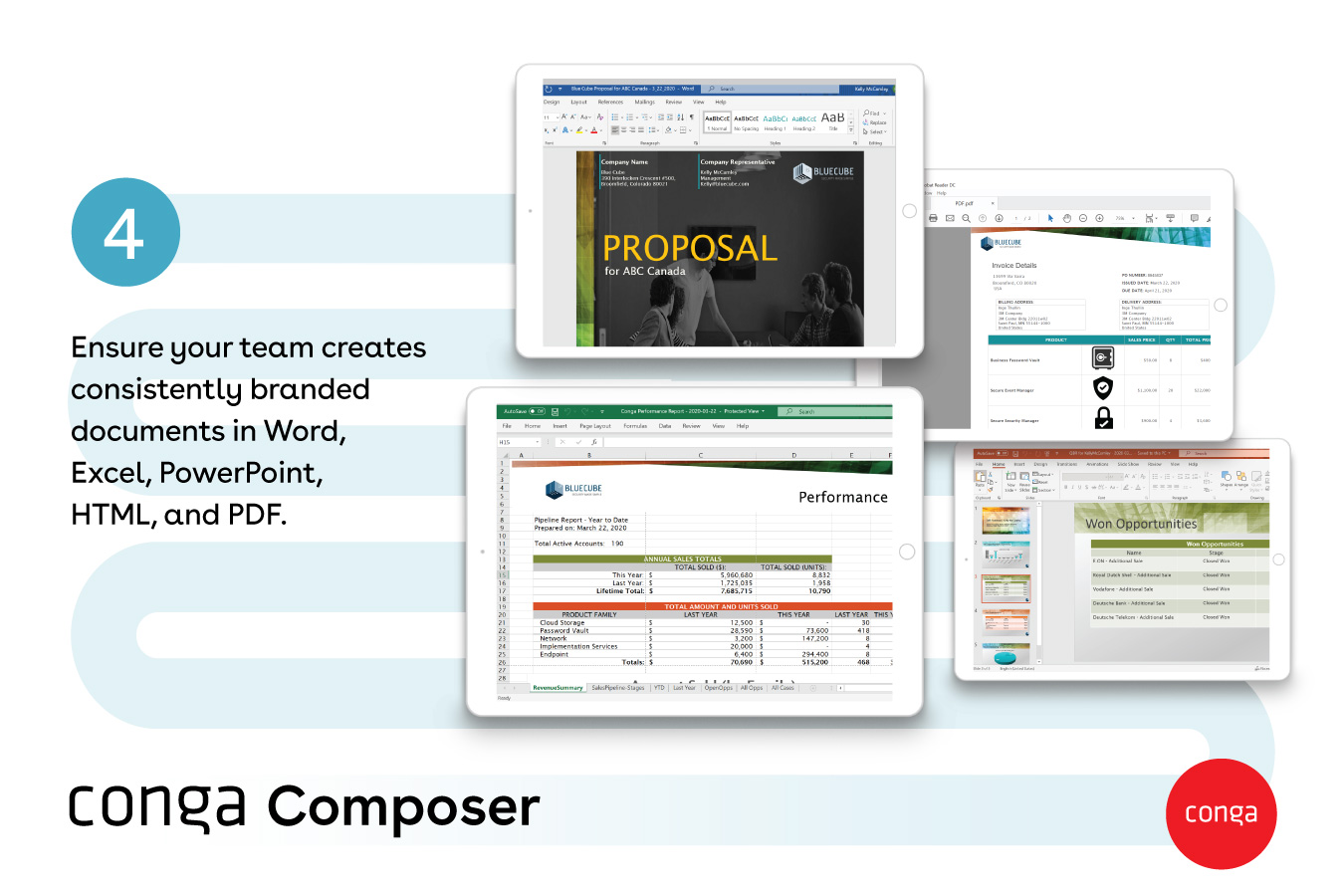   | Nintex Screenshots    |