Chose Gainsight PX
Unfortunately, I haven't used any other product like Gainsight PX so will move to the next question.

| Product | Rating | Most Used By | Product Summary | Starting Price |
|---|---|---|---|---|
 Gainsight PX | N/A | For SaaS products, Gainsight's product experience software enables companies to track every step of their user's journey and fully understand how they're interacting with a product over time. | $0 100 or less MAUs (Monthly Active Users) | |
 Quantum Metric | Enterprise companies (1,001+ employees) | Quantum Metric is designed to help organizations build better digital products faster. Their platform for Continuous Product Design gives business and IT teams a single version of truth which the vendor describes as fast, quantified, and grounded on what customers actually experience. The solution ultimately aims to help teams agree on priorities, build products customers love, and innovate with speed and confidence. | N/A |
| Gainsight PX | Quantum Metric | |||||||||||||||
|---|---|---|---|---|---|---|---|---|---|---|---|---|---|---|---|---|
| Editions & Modules |
| No answers on this topic | ||||||||||||||
| Offerings |
| |||||||||||||||
| Entry-level Setup Fee | No setup fee | No setup fee | ||||||||||||||
| Additional Details | — | — | ||||||||||||||
| More Pricing Information | ||||||||||||||||
| Gainsight PX | Quantum Metric | |
|---|---|---|
| Considered Both Products |  Gainsight PX  Bob Osborn Director of Product Management Chose Gainsight PX We leaned towards Gainsight PX because of the tight integration with Gainsight. Implementations were somewhat similar but the ease of mapping for all features and modules was superior for PX.  David Jensen Operations Manager, Customer Success Chose Gainsight PX Churnzero is similar in its NPS and walk-through abilities as is user IQ but neither fits in the exact same category. Px is unique to anything I've used for the data extraction it offers. It's not a CS tool like those I mentioned but it is easily the best in terms of tracking …  Michael Wohlwend Senior Information Developer, User Assistance Chose Gainsight PX HelpHero is a very flexible and powerful walkthrough tool. We've used it alongside PX. We still use PX for most customer messages, CES surveys, and in-app badges. I also evaluated Pendo, WalkMe, and a few other DAPs.  Justin Miller Director of Customer Success Chose Gainsight PX We chose Gainsight PX over Pendo because of the connector with Gainsight CS for the Customer Success Team.  Helene Tapper Customer Success Manager Chose Gainsight PX I have not used a different product as hands-on as Gainsight PC.  Igor Kranjčec Product Marketing Manager for Growth Chose Gainsight PX The main reason is that Gainsight PX offers a perfect combo - analytics and customer engagement. That allows us to make the engagement contextual, based on real-time analytics results.  Julie Pinto Support Manager Chose Gainsight PX WalkMe: while the in-app engagements were powerful, there was no email capability, and the analytics were an afterthought (rather than a core part of the solution). WhatFix: the concept was great; the in-app engagements could be made into documentation and videos. However, we … |  Quantum Metric  Khairul Islam Tonmoy Software Developer Chose Quantum Metric Quantum Metric has unmatched support and is easy to use. The simple data visualization gave us an excellent analysis on specific pages and was a game changer. In other words, other tools may offer the same, but that's all. An easy-to-understand breakdown of how customers spent …  niman goli Storage Lead Chose Quantum Metric its well suited for the environments for the workloads of huge transactions,huge I/O,avoiding delays for the workloads which need immediate attention with great workflows.For the great transformations and data mining it would be helpful,for great customer behaviorial, it would …  Henrique Tedeschi Senior Software Engineer Chose Quantum Metric Other tools might provide the tool in a very similar way, but that's it. Quantum Metric actually helps remove the abstraction from the data, their support is available in a very fast manner, they help us set goals and reach them, also helping us track them through the tool. …  Enrique Membreno Digital Analyst Chose Quantum Metric I have used other tools like Dynatrace. Quantum Metric is better suited to look for errors and spot issues in user sessions, it has a more friendly UI.  Gytis Juzenas Analyst Chose Quantum Metric The biggest QM advantage is that you can see customer's actions on the live preview and almost immediately. So you can catch customers up, on the session, while the customer is still using your portal. There is a lot of information provided on the session, like API calls and …  Jason LeBoeuf VP eCommerce Chose Quantum Metric Quantum Metric was much more affordable and implementation was much easier.  Christian Calvo Manager, Digital Site Health Chose Quantum Metric I like it more because it is much more quick for searches and replays, also making dashboards is much more easy with QM.  Mark McGuire Product Analyst Chose Quantum Metric None  Gloria Lago Manager, Measurement Strategy and Data Architecture Chose Quantum Metric We were using Clicktale at the same time as Quantum for Order Form Optimization recommendations but found that the amount of time invested and the quality of the tool from Quantum just seemed like a better fit for our organization. |
| Gainsight PX | Quantum Metric | ||||||||||||||||||
|---|---|---|---|---|---|---|---|---|---|---|---|---|---|---|---|---|---|---|---|
| Mobile Capabilities |
| ||||||||||||||||||
| Results and Analysis |
|
| Gainsight PX | Quantum Metric | |
|---|---|---|
| Small Businesses |  Fullstory Score 9.1 out of 10 |  Smartlook Score 8.2 out of 10 |
| Medium-sized Companies |  Whatfix Score 8.2 out of 10 |  Contentsquare Score 7.1 out of 10 |
| Enterprises | Whatfix Score 8.2 out of 10 | Contentsquare Score 7.1 out of 10 |
| All Alternatives | View all alternatives | View all alternatives |
| Gainsight PX | Quantum Metric | |
|---|---|---|
| Likelihood to Recommend | 8.0 (0 ratings) | 9.2 (0 ratings) |
| Likelihood to Renew | 8.2 (0 ratings) | 7.5 (0 ratings) |
| Usability | 8.0 (0 ratings) | 7.7 (0 ratings) |
| Support Rating | 7.3 (0 ratings) | 8.7 (0 ratings) |
| Implementation Rating | - (0 ratings) | 9.1 (0 ratings) |
| Ease of integration | 7.7 (0 ratings) | - (0 ratings) |
| Gainsight PX | Quantum Metric | |
|---|---|---|
| Likelihood to Recommend |
|
 Jess Johnson Director, Business Development |
| Pros |
Michael Wohlwend Senior Information Developer, User Assistance |
 Erica D'Aloia Product Manager, Lifestages |
| Cons |
 Oded Wilder Head of Client Success |
|
| Likelihood to Renew |
Helene Tapper Customer Success Manager |
Enrique Membreno Digital Analyst |
| Usability |
|
 Salil Chatrath Senior Product Manager |
| Support Rating |
Bob Osborn Director of Product Management |
 Ben Anderson Product Management Intern - Ecommerce Team |
| Alternatives Considered |
|
Khairul Islam Tonmoy Software Developer |
| Return on Investment |
|
|
| ScreenShots | Gainsight PX Screenshots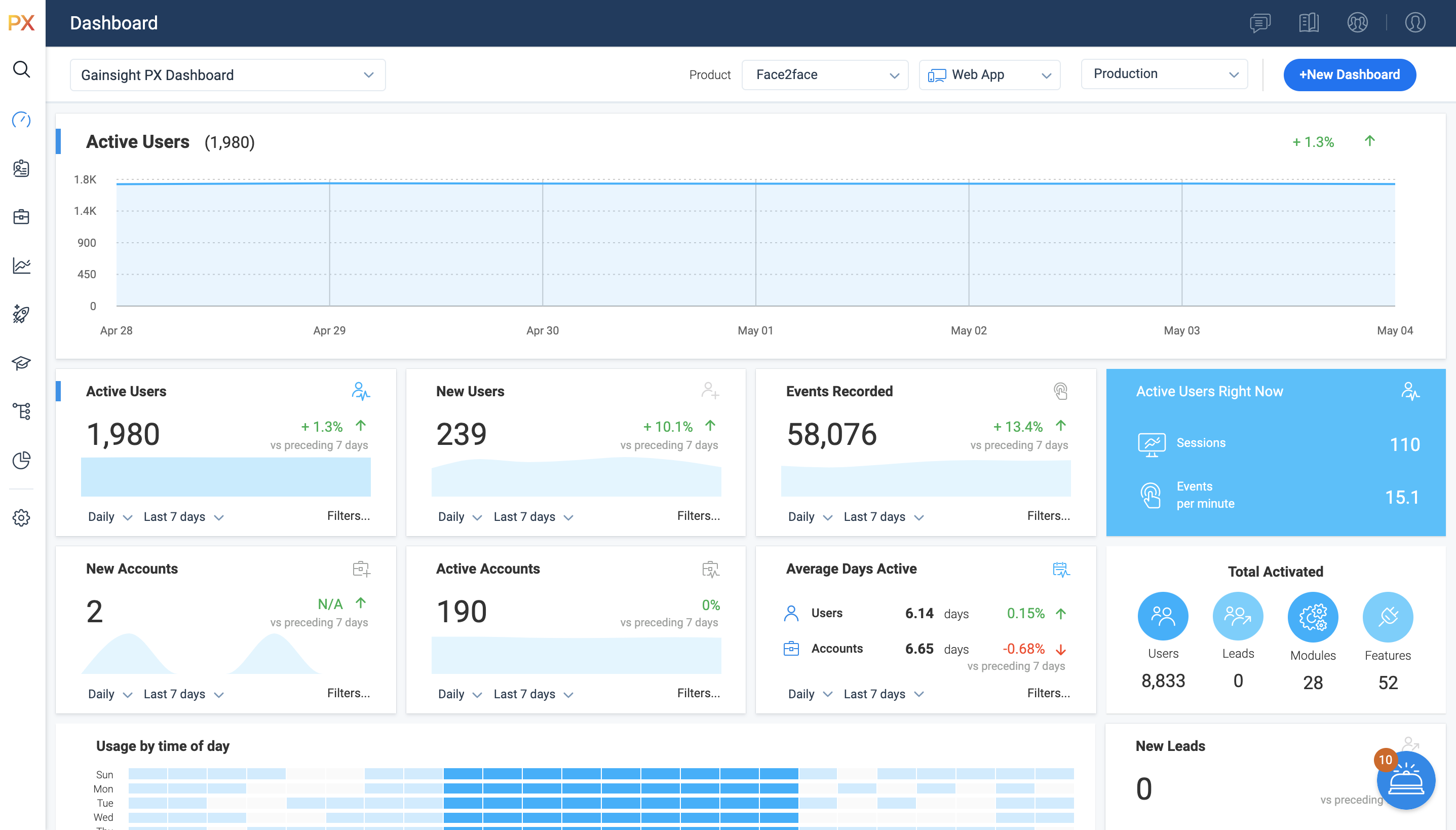      | Quantum Metric Screenshots   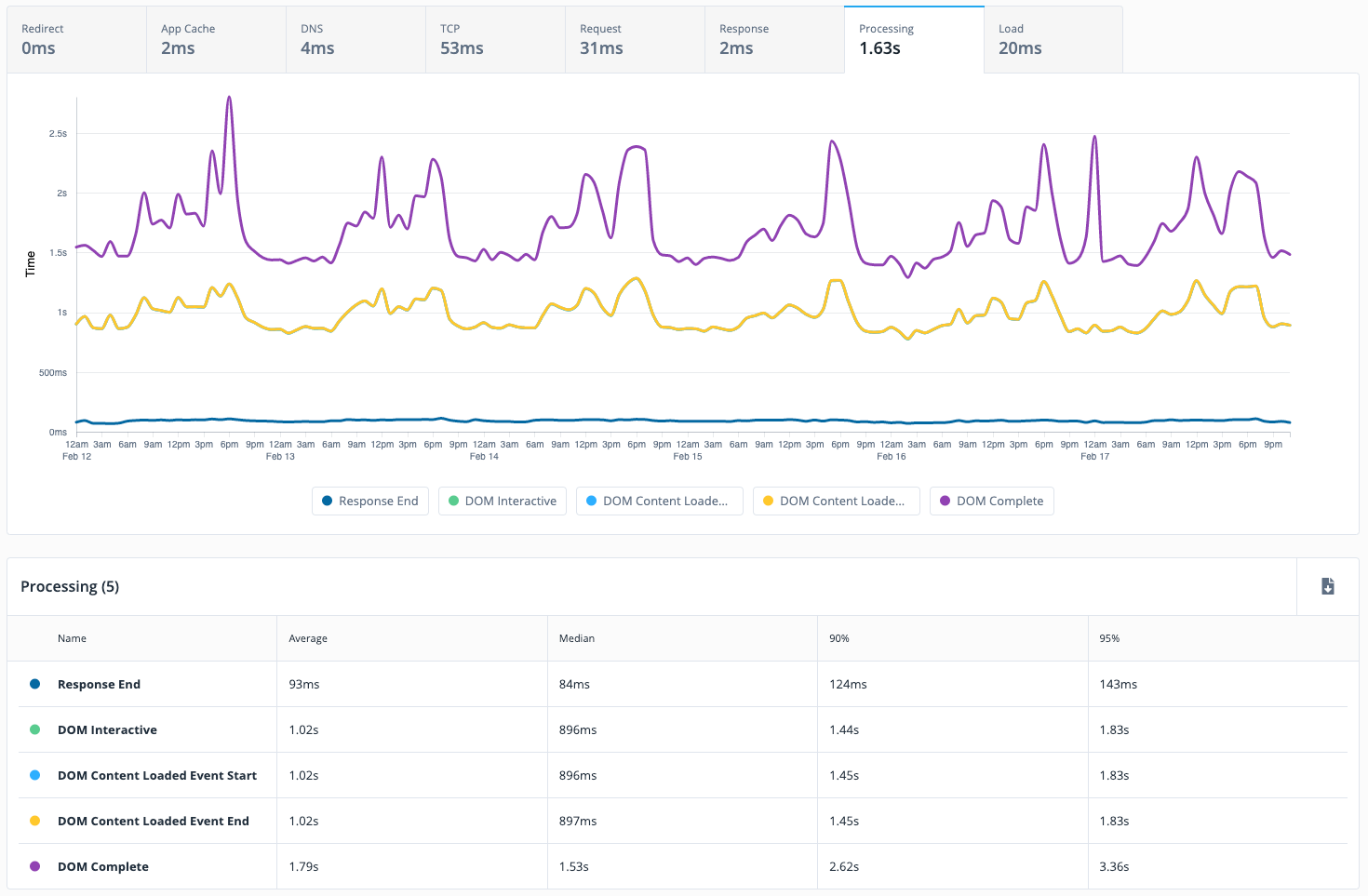 |